
Uw, Uf & Ug Coefficients: A beginner's guide
Uf = frame, Ug = glass, Uw = whole window. Golden rule: the lower the number, the better the insulation.
Read more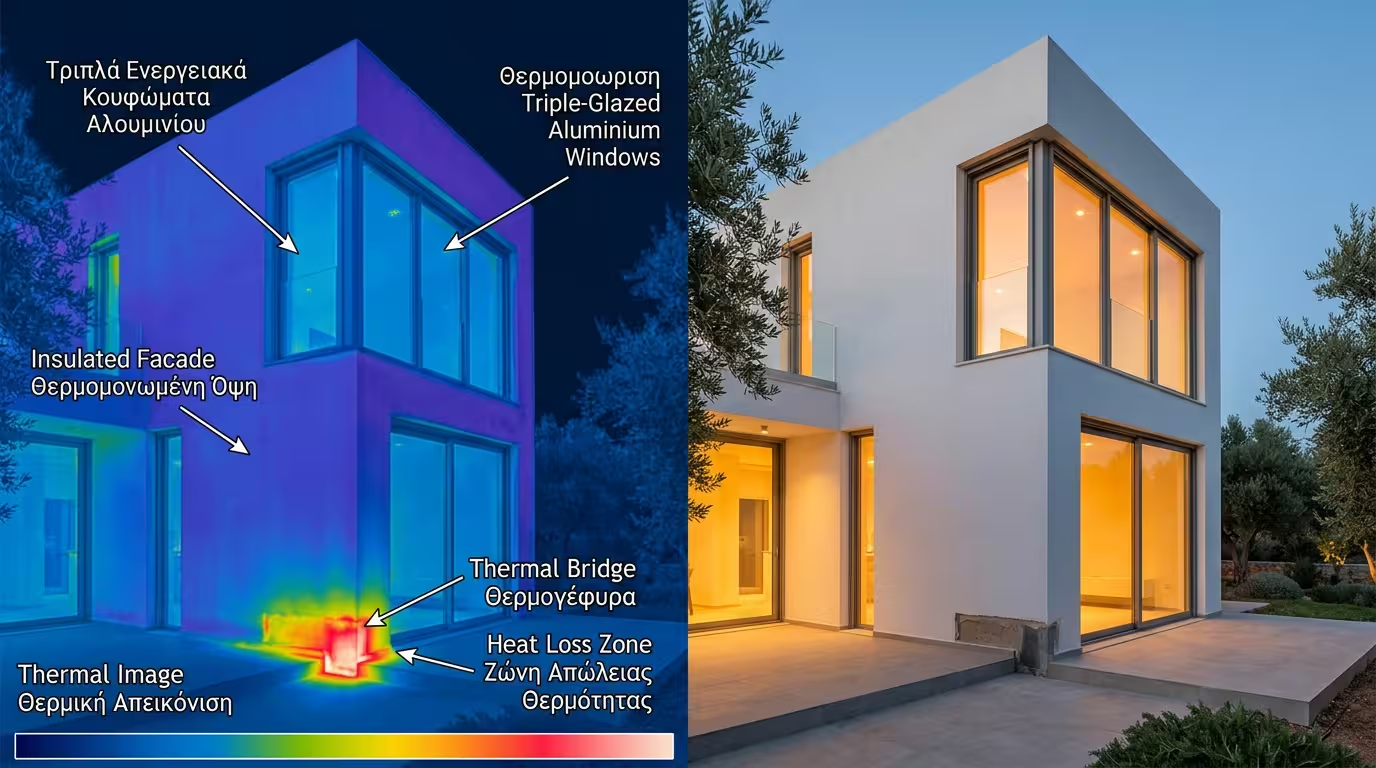
A window is not simply an opening in the wall - it is the first line of defence against the elements. Understand energy coefficients (U-values), explore the physics of moisture and mould, and discover how bioclimatic design can eliminate heat loss.
The "dictionary" of thermal insulation. We translate engineering jargon into understandable selection criteria and explain what Greek regulation requires.
Uf = frame, Ug = glass, Uw = whole window. Golden rule: the lower the number, the better the insulation.
Read moreMaximum allowable Uw for Athens, Thessaloniki, the islands and mountainous areas - what the law mandates.
Read more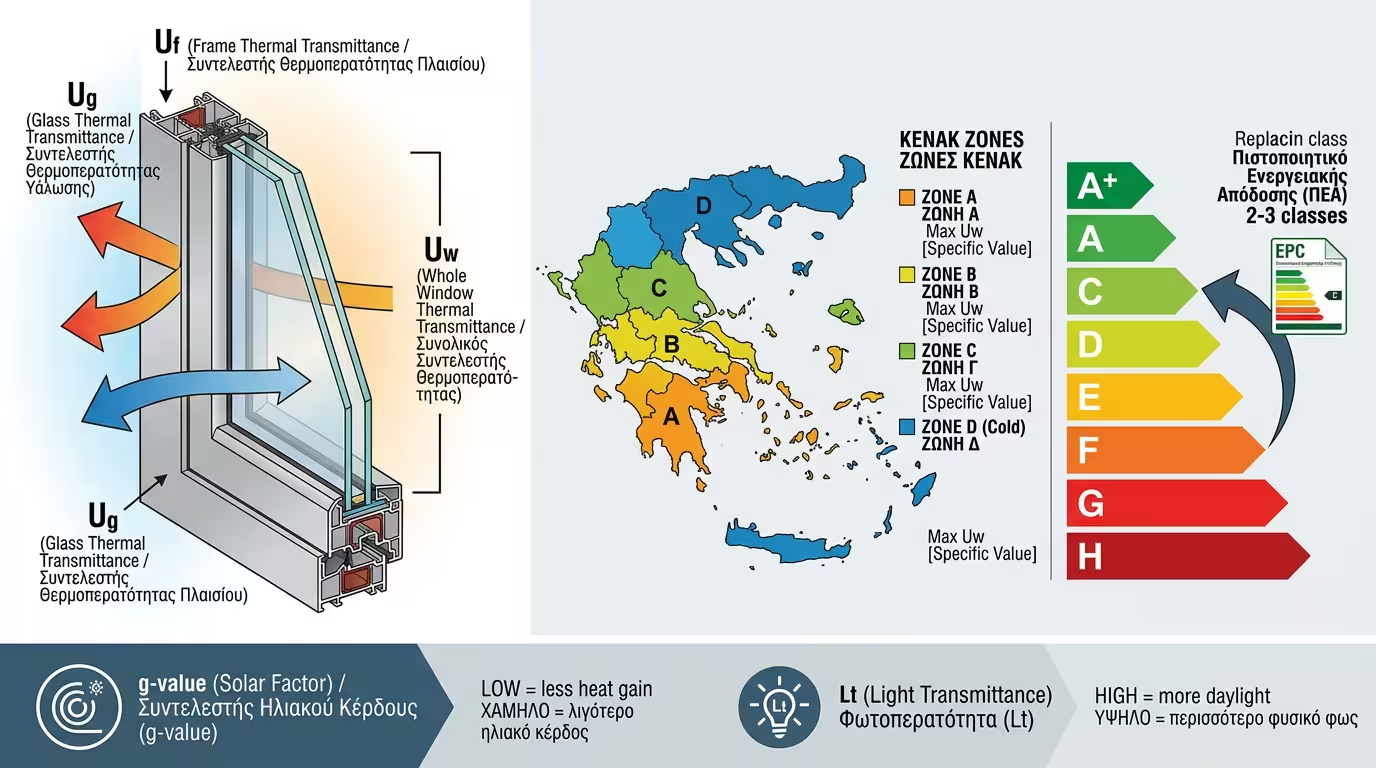
How replacing old windows improves the energy class and increases property value.
Read moreThe window-to-wall junction: proper sealing prevents "invisible" heat leakage.
Read moreThe sweet spot: glass that floods the room with daylight without turning it into an oven.
Read moreNo window eliminates all losses - what to realistically expect from your energy bill.
Read moreThe performance triad. How does your window behave in a storm? Certifications and lab tests that prove the durability and tightness of modern systems.
Class 4 is the gold standard. How EPDM gaskets seal every gap in the window frame.
Read moreResistance classes (e.g. 9A) and the critical role of drainage slots in removing water under pressure.
Read more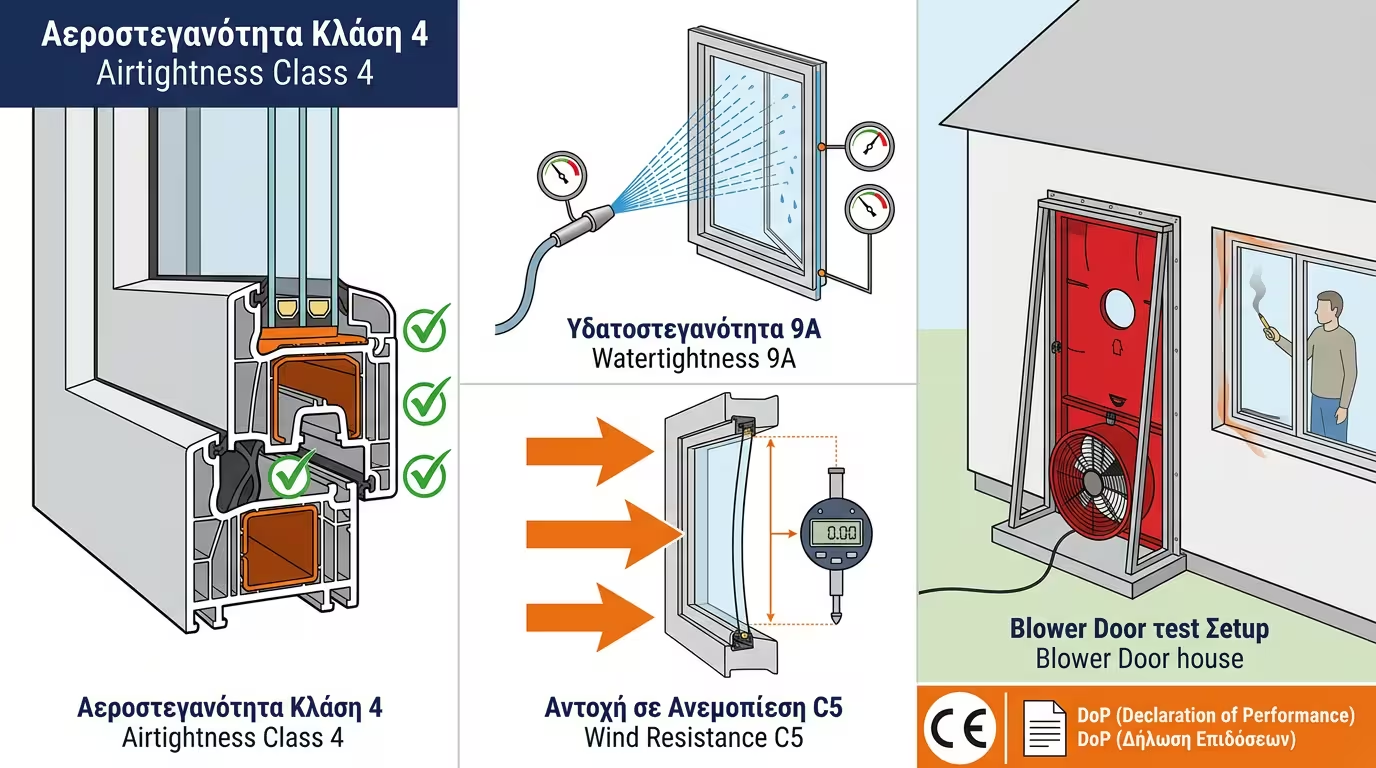
Structural adequacy classes C1–C5 ensuring the frame won't flex under 8+ Beaufort winds.
Read moreThe window's "identity card" - which certificates the manufacturer must legally provide.
Read moreSimulating hurricanes, torrential rain and extreme pressures in R&D labs to certify new systems.
Read moreA specialist fan depressurises the house, revealing every hole around the window frame.
Read moreWe solve the number-one post-renovation problem: mould. Understand air behaviour and learn to manage temperature and humidity correctly.
Dew point physics: condensation on glass means inadequate ventilation, not a window defect.
Read moreRelative humidity, cold plaster and thermal bridges - structural solutions, not just repainting.
Read more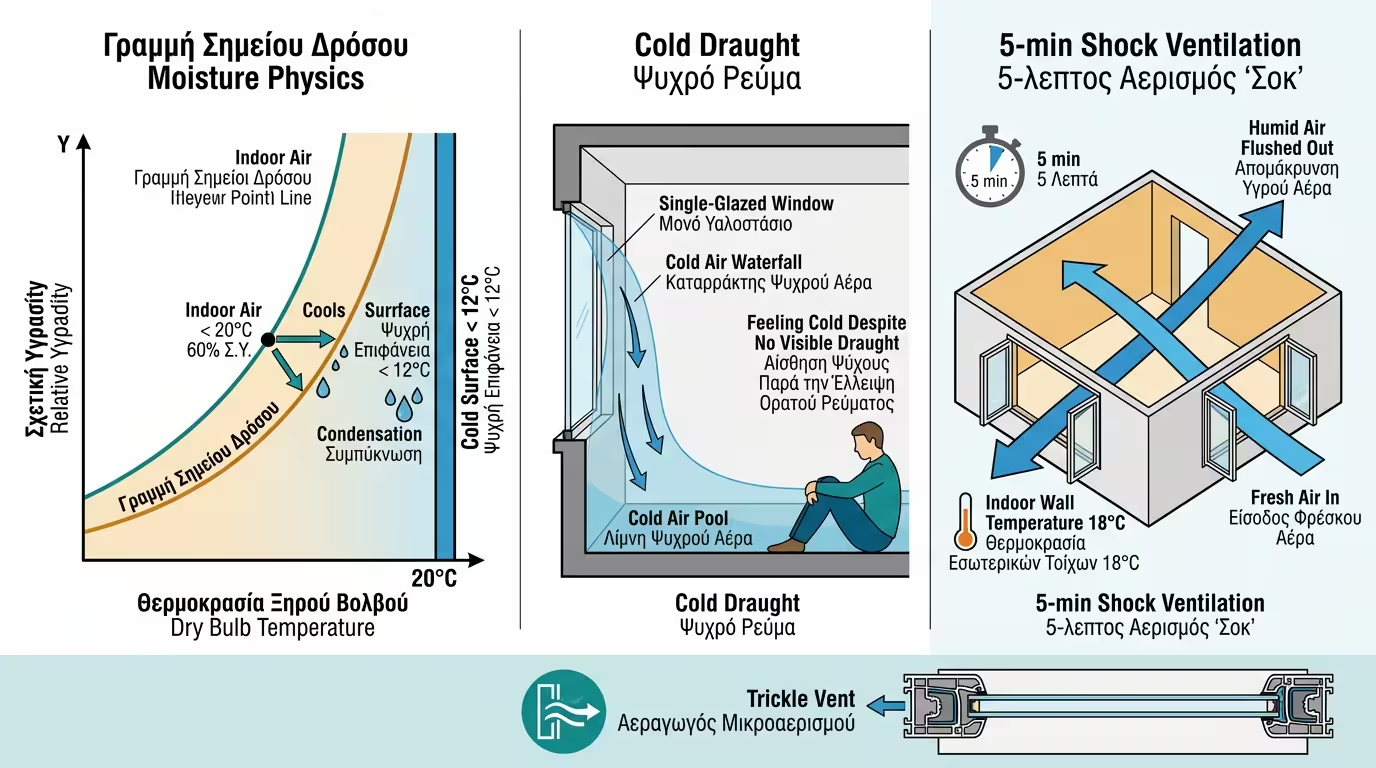
Why you feel cold near the window without a draught - cold air cascading from a poor single-glazed pane.
Read moreForget continuous tilt. Shock ventilation: 5 minutes of cross-ventilation refreshes air without cooling walls.
Read moreSmall vents built into the profile ensure minimal constant airflow without opening windows.
Read moreWhy curtains aren't enough: only external shading stops heat before it's trapped behind the glass.
Read moreThe pinnacle of building performance. Strategic orientation and the strictest Passive House specifications create homes with near-zero energy demand.
Exploit winter solar gain on the south side while minimising losses on the north.
Read moreExtreme specifications, Passivhaus Institut certification and complete elimination of thermal bridges.
Read more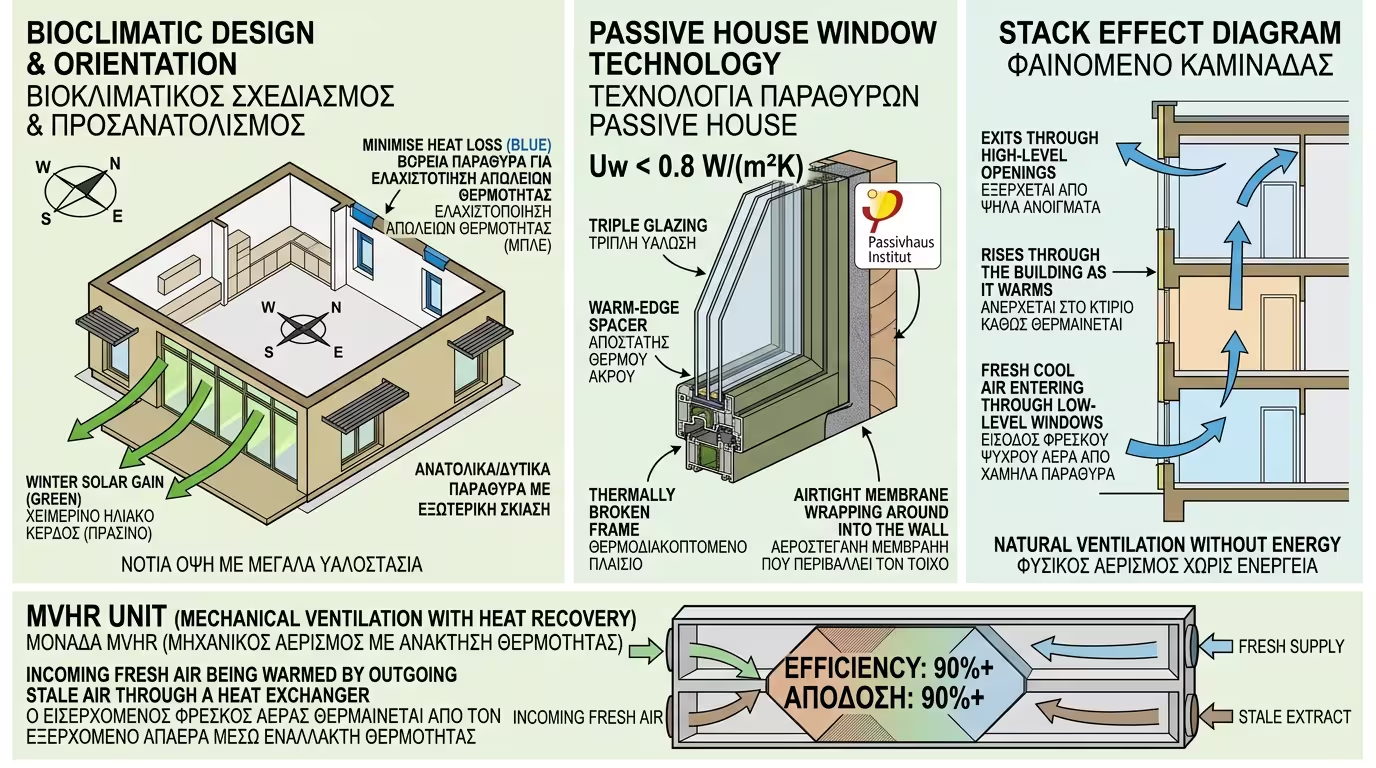
Strategic windows low (cool air in) and high (warm air out) = free summer cooling.
Read moreFlanking transmission: lateral sound transfer through brick, plaster or an uninsulated shutter box.
Read moreHow airtight windows work with MVHR systems that "warm up" fresh air for free.
Read moreSun, wind and rain sensors turn your windows into a self-protecting energy-saving system.
Read moreReturn to the full guide covering frame materials, types, glazing, shading and economics.
Go to the guidePlanning an energy upgrade? Contact us for expert guidance.
Contact us