🔴 Class 1 & 2 - Weak / Moderate
Allow considerable air through. This is where very old, worn-out aluminium frames or extremely cheap, basic sliding systems end up. In areas with strong winds you will clearly feel the cold draught.
It's a cold evening. The thermometer reads 22 °C, yet sitting next to the balcony door you feel a freezing draught at your feet. You check: the window is firmly shut. "Where is the air getting in?"
The answer lies in one of the most important yet overlooked properties of a window: Airtightness. If your window doesn't seal properly, even the most expensive energy glass won't save you. Your home operates like a punctured balloon, constantly losing heat.
In simple terms, airtightness measures how much air manages to sneak through the gaps between the frame and the opening sash when it's windy. In test laboratories, manufacturers mount the window in a special chamber, create artificial wind pressure and measure the cubic metres of air passing per hour. Under European standard EN 12207, windows are classified into 4 Classes.
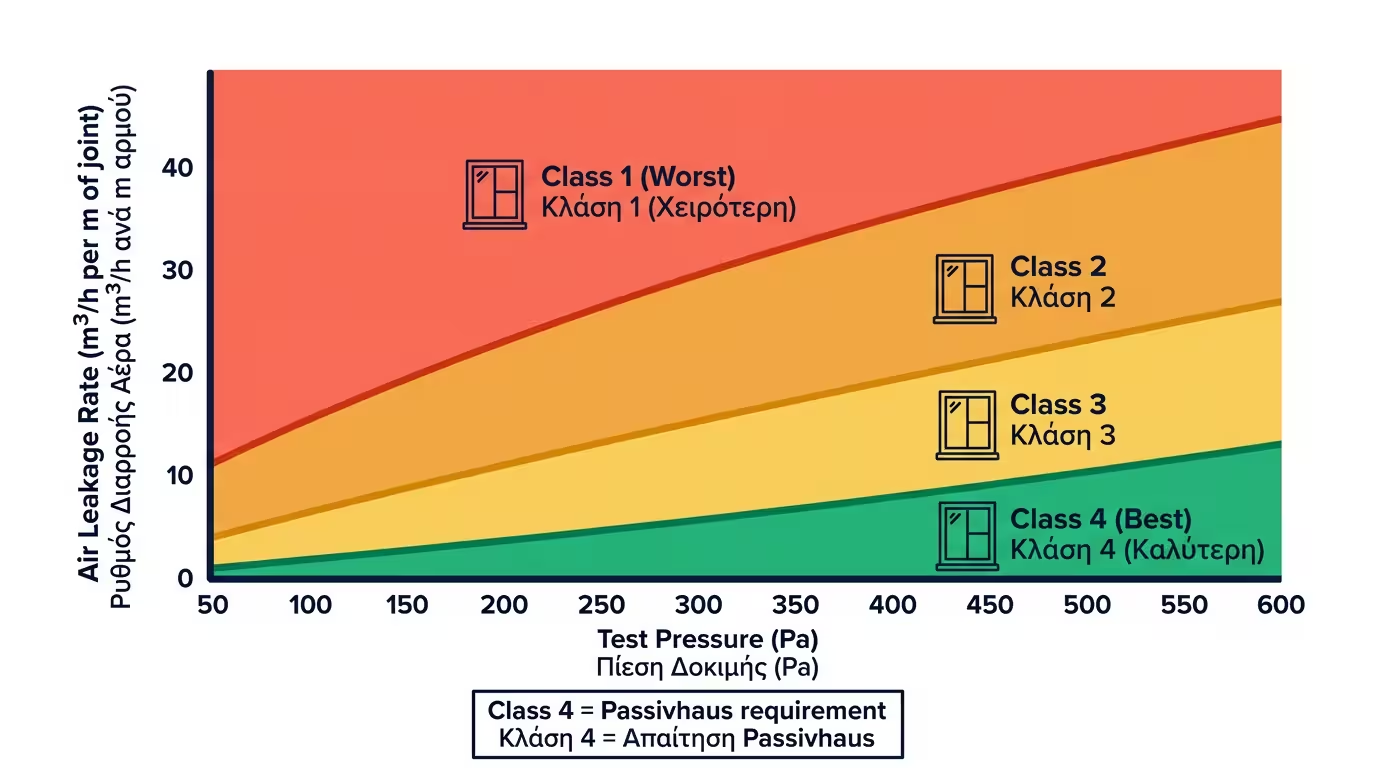
Allow considerable air through. This is where very old, worn-out aluminium frames or extremely cheap, basic sliding systems end up. In areas with strong winds you will clearly feel the cold draught.
A decent rating. Most modern, basic sliding windows and some entry-level casements achieve this grade. They stop most air under normal conditions, but fall short during storms.
The "Holy Grail". Tested at pressures up to 600 Pa (gale-force winds of 115 km/h) with virtually zero air leakage. For modern energy homes, "Exoikonomo" subsidy programmes and high EPC classes, Class 4 is the only acceptable target.
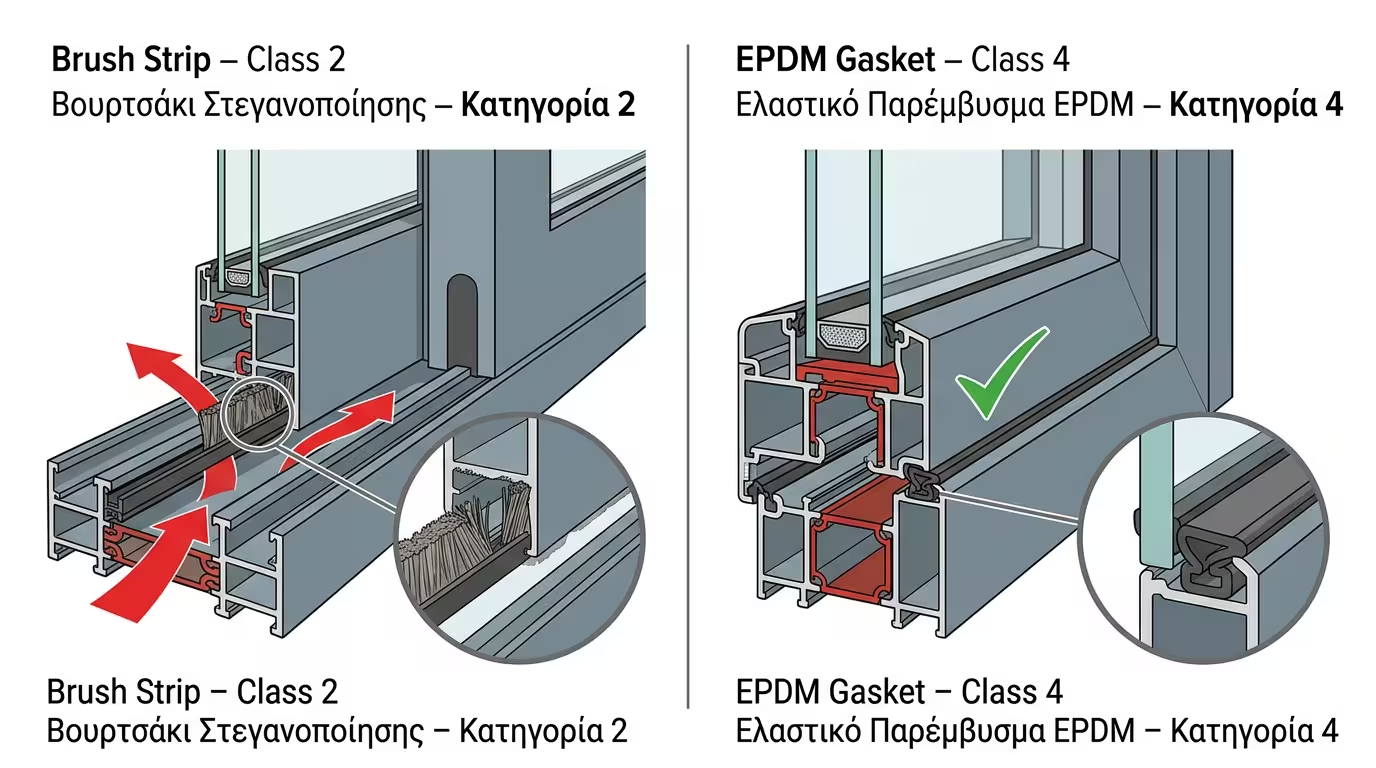
Why do some windows achieve Class 2 and others Class 4? The answer lies in how the moving sash "embraces" the frame when it closes.
Classic, old sliding aluminium windows seal with brush strips. The brush allows the sash to slide easily but never creates an airtight seal. Over time, dust and UV rays flatten and dry the bristles, leaving huge gaps. That's where the cold draught you feel at your feet comes from - a problem extremely common in Greek homes from the '80s and '90s.
Casement (hinged) windows don't need to slide. The espagnolette mechanism presses the sash firmly onto the frame. Between them, EPDM (premium synthetic rubber) gaskets create a hermetic seal. EPDM doesn't "set" over time, compresses uniformly and works just like the rubber seal on your fridge door.
Top-tier casement aluminium systems feature 3 levels of gaskets (outer, central, inner) - each acting as an independent line of defence. The result: uncompromising Class 4, even in extreme weather.
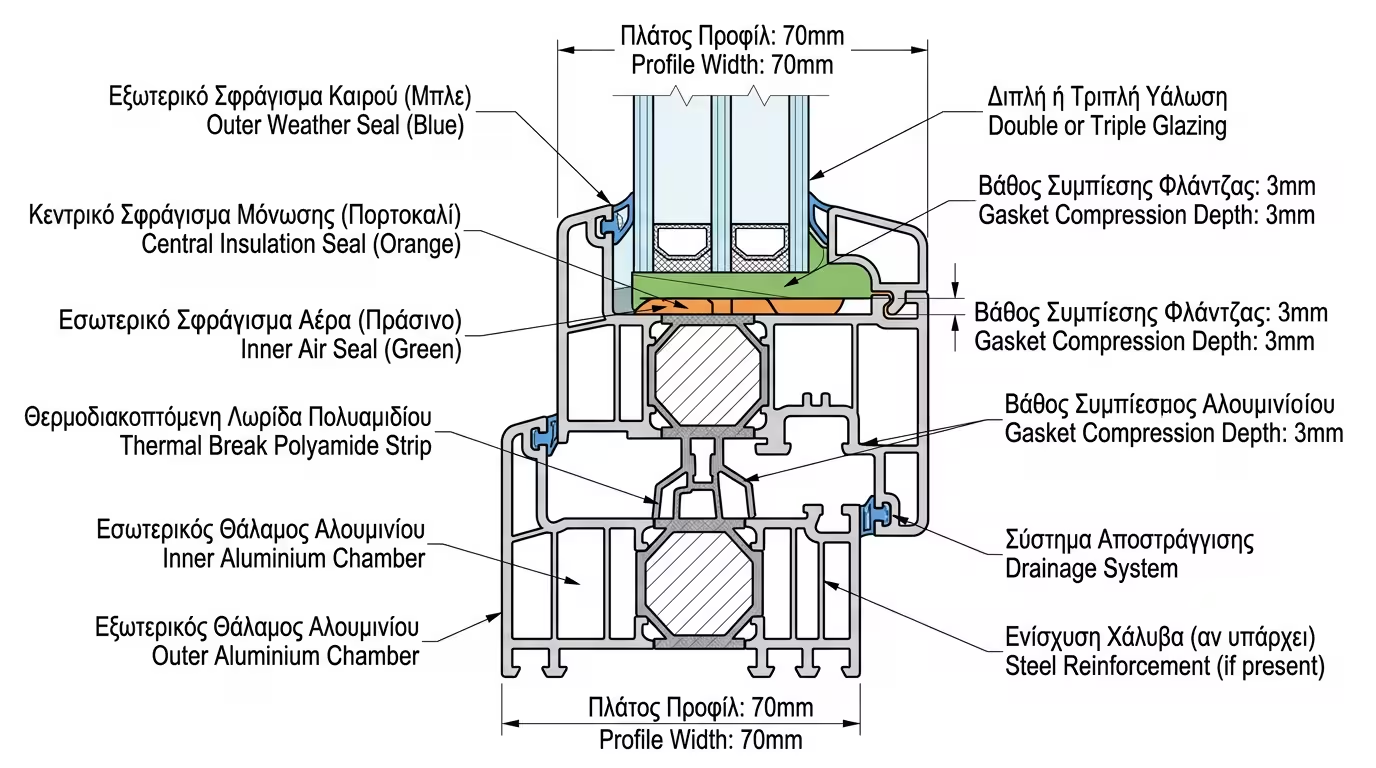
First line: stops rain and violent wind before they enter the profile cavity. Works with drainage slots (weep holes) to channel any water back to the balcony.
Second barrier: sits in the thermally broken zone, trapping air in a dead zone. Prevents air movement even if the outer seal is under pressure.
Third and final line: hermetically seals the warm side of the window. Even if a tiny amount of air escapes the first two, the inner EPDM stops it for good.
Love sliding doors but want Class 4? The answer is Lift & Slide systems. When you turn the handle, the sash lifts slightly to glide along the tracks. When you close it, it drops down heavily onto EPDM gaskets instead of brush strips - ensuring full airtightness.
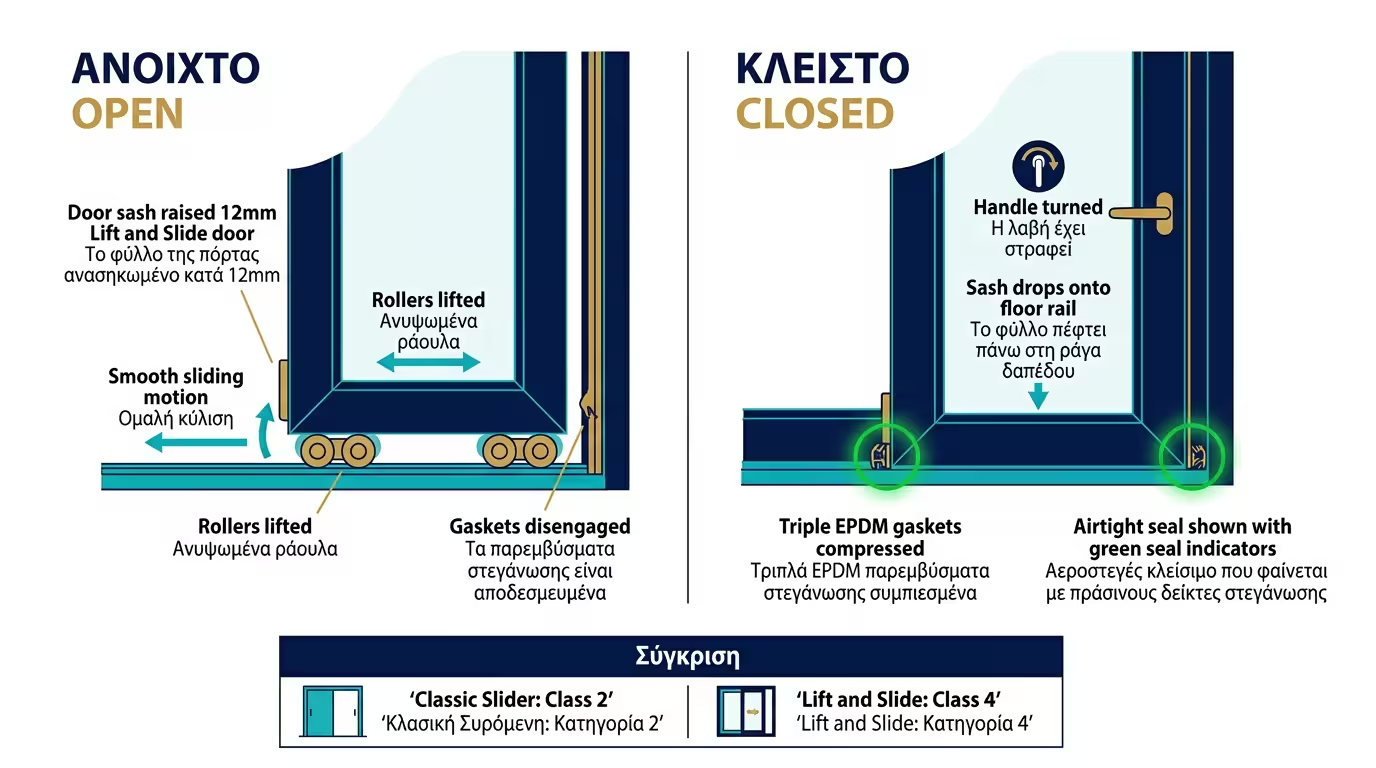
Ideal for large balcony doors (2.5 m+ height) requiring huge sashes - where casements become impractical. The lifting mechanism can move sashes weighing 400+ kg with minimal effort.
Lift & Slide systems cost 30–50% more than standard sliding, but the energy savings and absence of draughts fully justify the investment. The mechanism needs lubrication once a year - nothing more.
When reading window quotes, don't focus only on glass thickness or U-value. Look for the label "Air permeability: Class 4" on the Declaration of Performance (DoP). It's the guarantee that the warmth you pay for in winter (and cool air in summer) stays where it belongs: inside your home.
Return to category.
Go to categoryReturn to the central guide.
Go to guide