KENAK Requirements 2024: What Windows Does Greek Law Require per Climate Zone?

In the previous article we explained what the Uw index is and how it reveals a window's insulation. You may now be thinking: "That's all very well, but I just want to fit a cheap, standard aluminium window at my holiday home. Who forces me to look at indices?"

The answer is crystal clear: the Law does. Specifically, KENAK (the Building Energy Performance Regulation) explicitly prohibits the installation of energy-"leaky" windows in new builds or major renovations. And here's the interesting part: the law recognises that Crete does not get as cold as Florina. That is why Greece is divided into 4 Climate Zones.

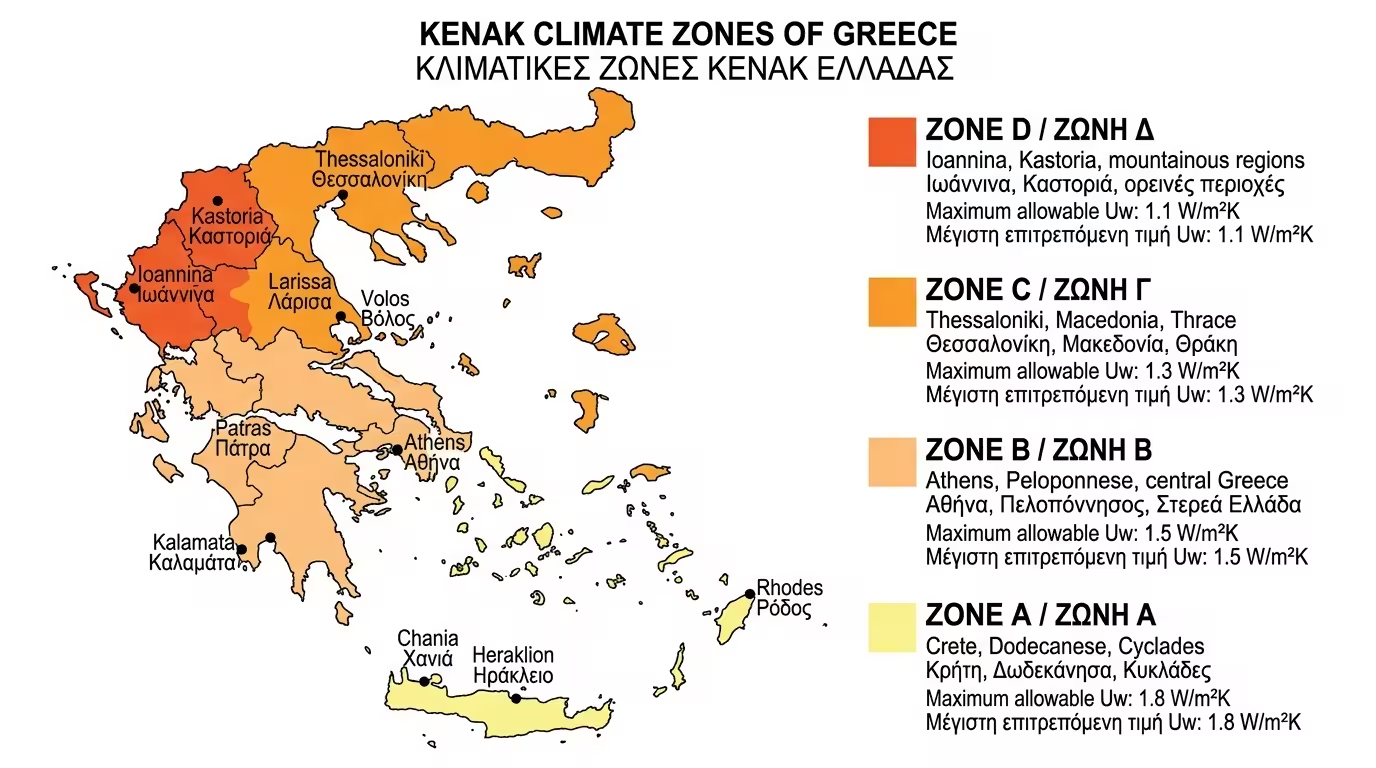
1. Greece's 4 Climate Zones

KENAK divides the country geographically (and by altitude) according to Heating Degree Days, a measure of how harsh the winter is in each area. If your property sits above 500 metres altitude, the law automatically moves it into the next colder zone.

Map of Greek climate zones under KENAK - Zones A, B, C, D

☀️ Zone A (Warmest)

The South Aegean islands, Dodecanese, Crete, Ionian Islands (Zakynthos, Kefalonia) and the coastal municipalities of southern Peloponnese (e.g. Messinia). Winters are mild, yet even here KENAK mandates thermally broken frames. Cold aluminium without a thermal break is no longer permitted anywhere, not even in Rhodes or Heraklion.
🌤️ Zone B (Temperate)

Attica (Athens), Corinthia, Achaia, Euboea, Magnesia (Volos) and many North Aegean islands. The majority of the Greek population lives in this zone. Required Uw limits are slightly stricter than Zone A, but any serious modern thermally broken aluminium system meets them comfortably.

🌧️ Zone C (Cold)

Thessaloniki, Larissa, Ioannina, Evros and much of northern Greece. Winters are harsh, with temperatures frequently dropping below zero. Windows must feature strong polyamide thermal breaks and Low-E energy glass with Argon gas as an absolute minimum.

❄️ Zone D ("Alpine")

The harshest climate in the country: Florina, Kastoria, Grevena, Kozani, Evritania. Temperatures plummet to −20 °C, demanding premium systems with very low Uf, reinforced polyamide strips and frequently triple energy glass panes to meet the strictest nZEB requirements.

2. Uw Limits: KENAK vs. "Exoikonomo" vs. nZEB

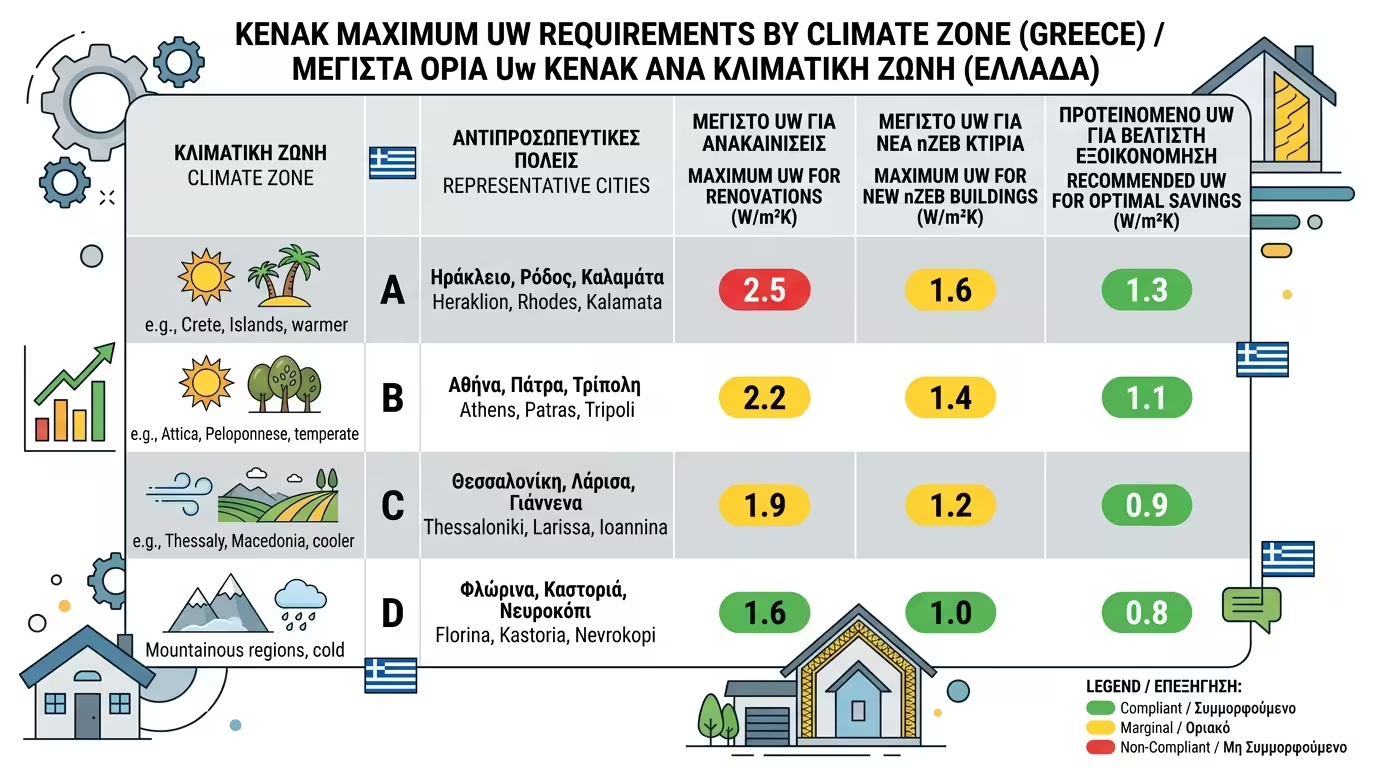
Table of Uw limits per climate zone - KENAK, Exoikonomo, nZEB

Depending on your zone, the law sets the maximum permissible Uw. But there is a huge trap: the legal ceiling (the worst window you're allowed to install) is very different from the modern standards and subsidised programme requirements.

📊 The Limits Table

Zone A (e.g. Heraklion): KENAK ≤ 3.20, Exoikonomo < 2.20, nZEB < 2.00 W/m²K.
Zone B (e.g. Athens): KENAK ≤ 3.00, Exoikonomo < 2.00, nZEB < 2.00 W/m²K.
Zone C (e.g. Thessaloniki): KENAK ≤ 2.80, Exoikonomo < 2.00, nZEB < 1.80 W/m²K.
Zone D (e.g. Florina): KENAK ≤ 2.60, Exoikonomo < 1.80, nZEB < 1.40 W/m²K.

🏗️ When Does KENAK Apply?

KENAK is mandatory for every new building permit and every major renovation affecting more than 25% of the building envelope. If you are simply replacing windows in an existing home without a change of use or major refurbishment, you are not legally bound, but the recommendation remains the same: choose windows that meet at least the "Exoikonomo" criteria if you want real savings.

3. What Do These Numbers Mean in Practice?

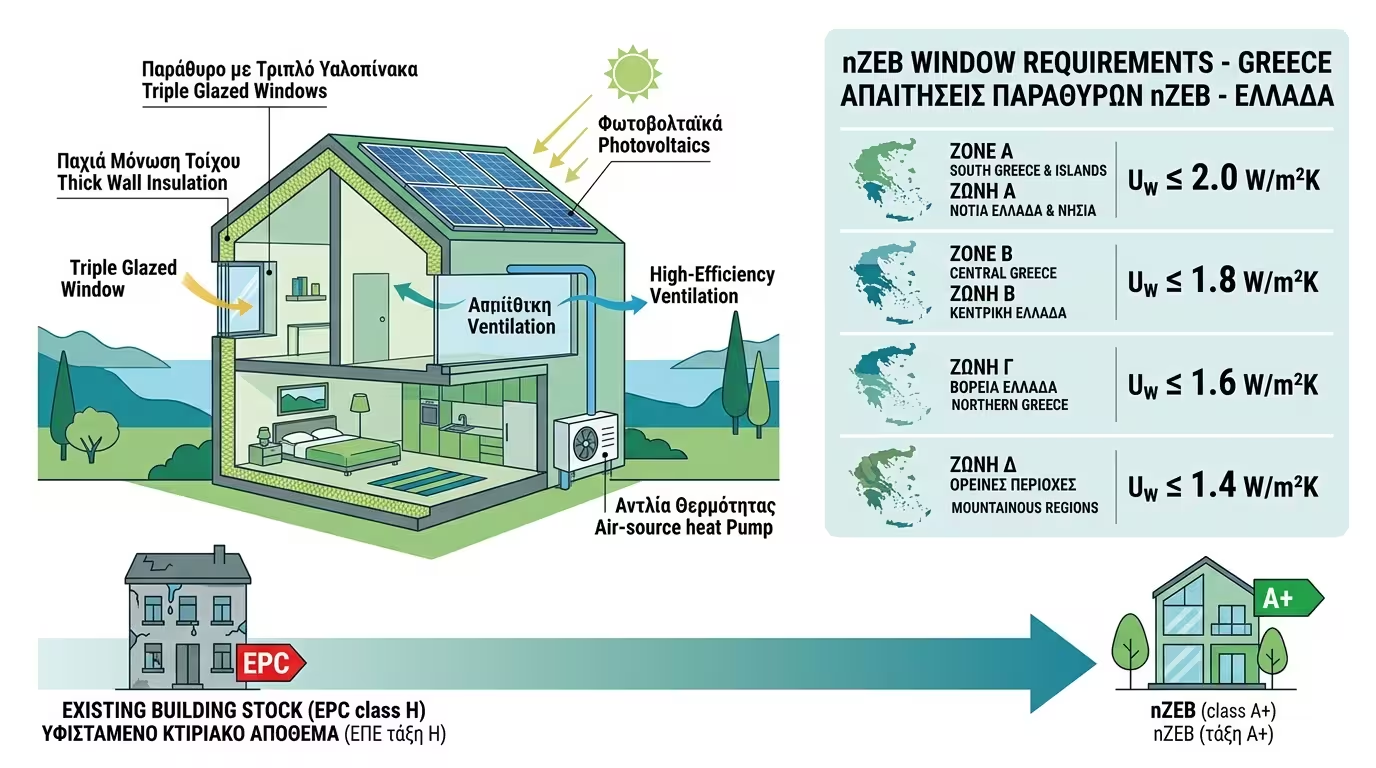
Since 2021, every new build in Greece must comply with the nZEB standard (Nearly Zero Energy Building). This means much stricter Uw limits, especially in the cold Zones C and D.

nZEB requirements - nearly zero energy buildings

🚫 The End of Basic Aluminium

In no climate zone - not even in Crete - can you install "cold" aluminium (without a thermal break) under a new permit or major renovation. It will not pass building control. Thermally broken aluminium (or synthetic PVC) is now mandatory everywhere.

🔬 nZEB Requirements

To achieve the strict nZEB numbers (especially in Zones C and D), standard double glazing often isn't enough. You need systems with thick polyamide strips, internal insulating foam inserts in the profile, warm edge spacers, and in many cases triple energy glass panes. The investment is higher, but the reduction in heating bills is dramatic.

4. The Cheap Quote Trap

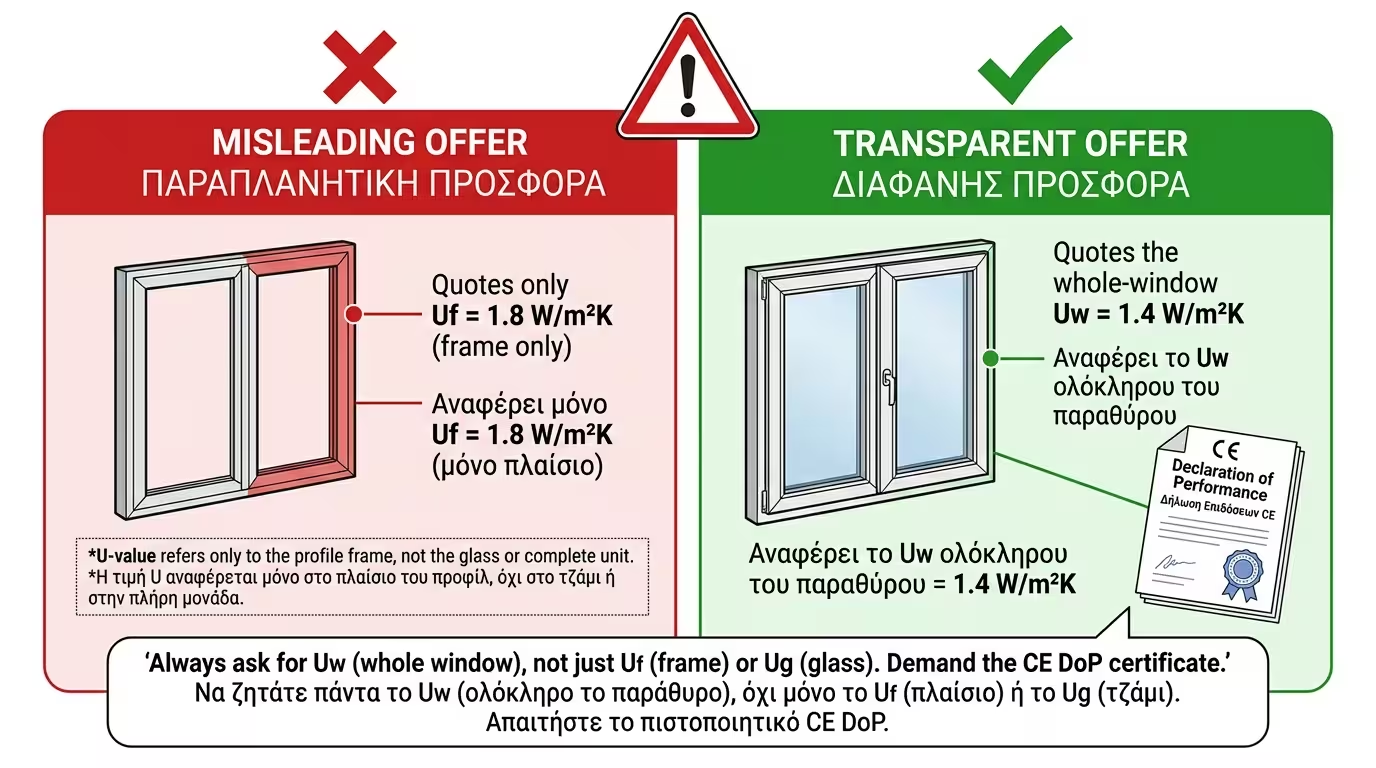
If someone offers you a very cheap quote, ask for the overall Uw in writing. A common scenario: you live in Thessaloniki (Zone C), plan to apply for "Exoikonomo", and someone sells you a window with Uw = 2.40. The Energy Inspector will reject it and you will lose the subsidy!

The cheap window quote trap - Uw that fails Exoikonomo criteria

📋 Checklist Before You Sign

(1) Request a written declaration of Uw (total, not just glass Ug). (2) Confirm it meets the "Exoikonomo" criteria for your zone. (3) Ask whether Uw was measured at the standard 1.23 × 1.48 m size. (4) Request the Declaration of Performance (DoP) with a CE mark. (5) Ensure installation follows RAL guidelines so insulation isn't compromised at the junction.

💡 Exoikonomo Tip

The "Exoikonomo" limits may vary slightly depending on the current programme guide and whether the frame is aluminium or PVC. Before placing your order, download the latest guide from gov.gr or consult your energy advisor to make sure the windows you're ordering meet the financing criteria.

5. Summary

🎯 KENAK Protects Your Wallet

KENAK was not created to inconvenience us, but to protect our wallets in the long run. Installing the right windows for your climate zone guarantees that you won't be spending a fortune on electricity, heating oil or natural gas. Remember: a window is installed once and stays for 30+ years. Making the right choice now means saving thousands of euros over time.

Related Articles

Preview