The "Cold Wall" Effect (Cold Draught): Why You Feel Cold Next to the Window

The thermostat reads 22 °C, the window closes hermetically (Class 4 airtightness - you checked!), the heating is running. And yet, sitting in your armchair next to the large balcony door, you feel an annoying chill - an invisible, icy draught around your ankles.

You're not imagining things! You are a victim of two fascinating building physics phenomena: the convection draught (cold draught) and asymmetric radiation.

1. The Invisible Waterfall (Convection Draught)

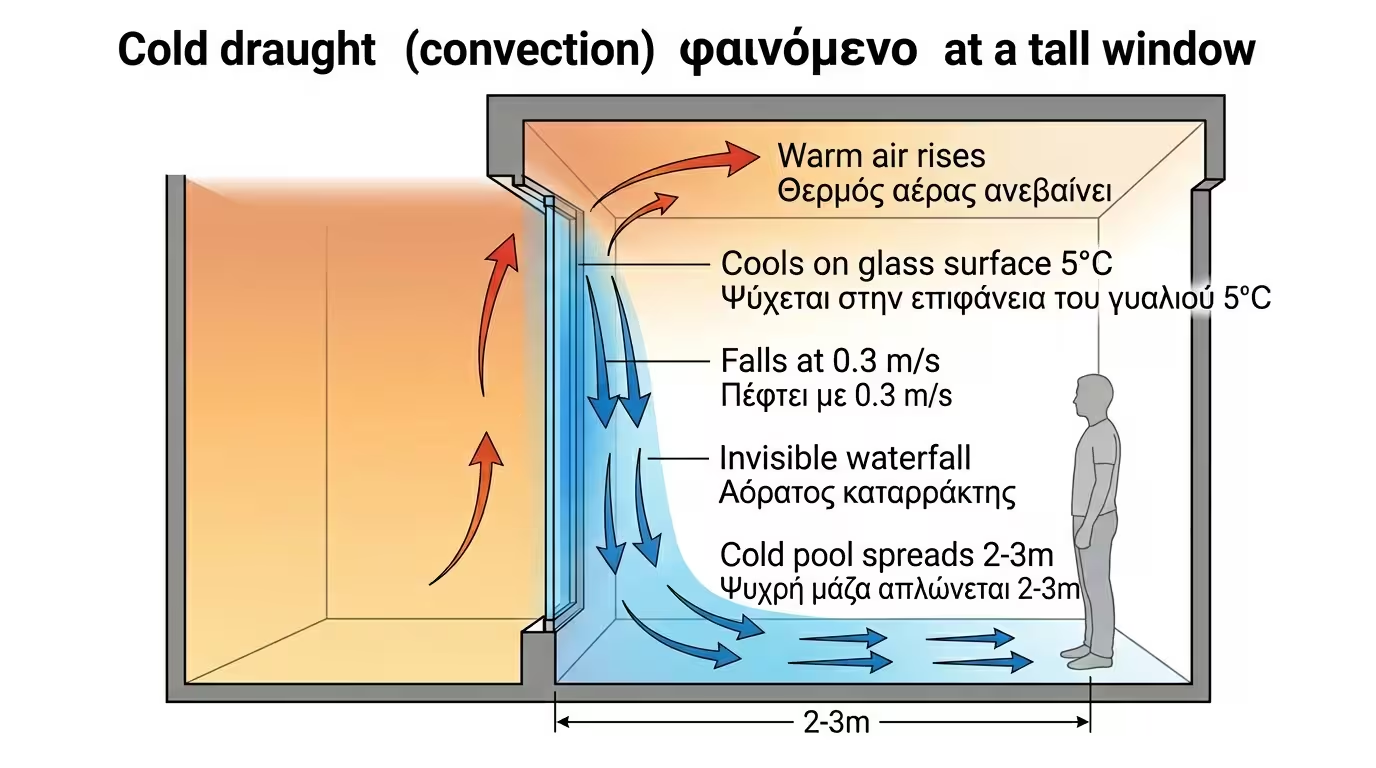
Warm air is light and rises; cold air is heavy and falls. If the glass is freezing (old single pane or poor double), the air cools instantly, becomes heavier and "cascades" like an invisible waterfall to the floor. Once there, it "rolls" like a river across the room, hitting your feet. This isn't outdoor air - it's your own air that just froze!

Convection draught: warm air cools on glass and falls to the floor

📐 How Fast Does It Fall?

On a large single-pane window (2.5 m tall), the air can descend at up to 0.3 m/s - enough to create a perceptible draught within 2-3 metres of the window. It's no coincidence that rooms with large glazing feel colder: the cooling surface is enormous. The effect is even more pronounced in ground-floor flats, where the outdoor temperature drops lower due to proximity to the cold ground.
2. The "Theft" of Your Body Heat (Asymmetric Radiation)

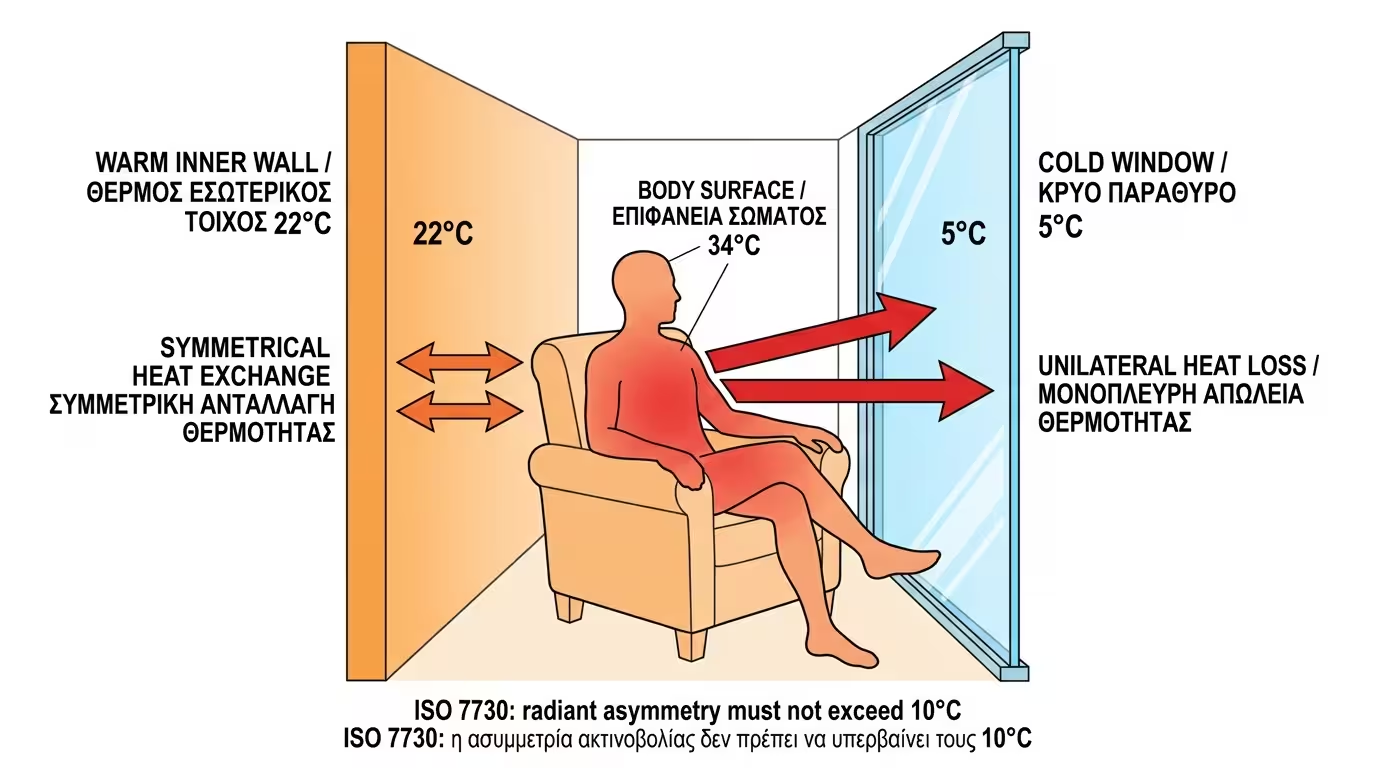
Human body radiating heat towards a cold window pane – asymmetric radiation

There's a second, even sneakier reason. Your body constantly emits infrared radiation towards surrounding objects. If you're sitting next to a huge, freezing pane, the side facing the window loses heat massively.

🧊 The Sensation

One side radiates towards the warm inner wall (exchange), while the other loses heat to the icy glass (one-way). This imbalance is called Asymmetric Radiation. Your brain raises the alarm and you feel "frozen", even though the air around you is 22 °C. The thermal discomfort is real, even if the thermostat says everything is fine. According to ISO 7730, the radiant temperature asymmetry between two sides must not exceed 10 °C - otherwise thermal dissatisfaction crosses the acceptable limit.

3. The Solution: How Modern Windows Stop the Waterfall

To stop the phenomenon, you must keep the inner glass surface warm. This is where modern energy-rated windows shine:

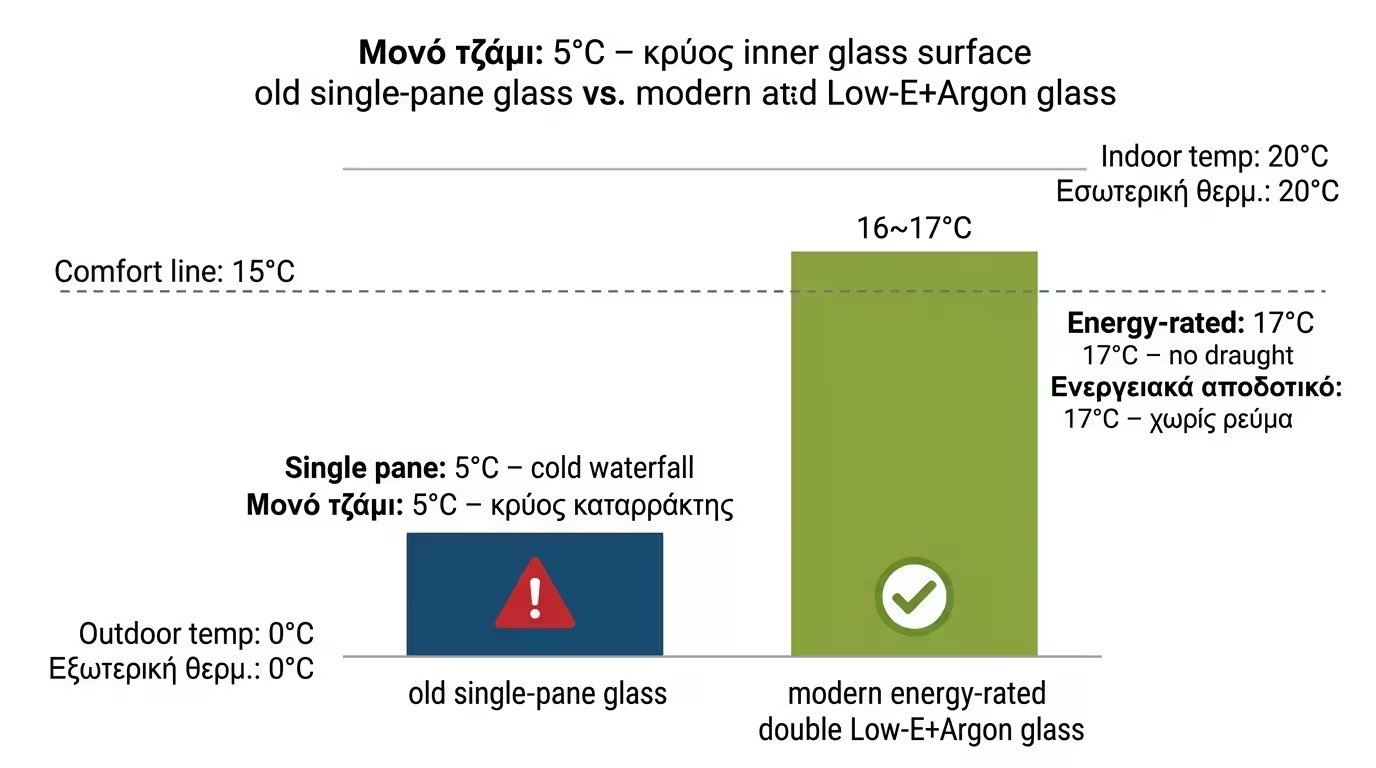
Inner surface temperature comparison: single 5°C vs energy-rated 17°C

🌡️ The Numbers

If it's 0 °C outside and 20 °C inside:

  • Old single pane → inner surface ~5 °C (massive cold waterfall)
  • Modern energy-rated double (Low-E + Argon) → inner surface ~16-17 °C

With just a 3-4 °C gap, the air doesn't cool sharply, doesn't fall to the floor, and your body's radiation isn't "stolen". You feel true thermal comfort.

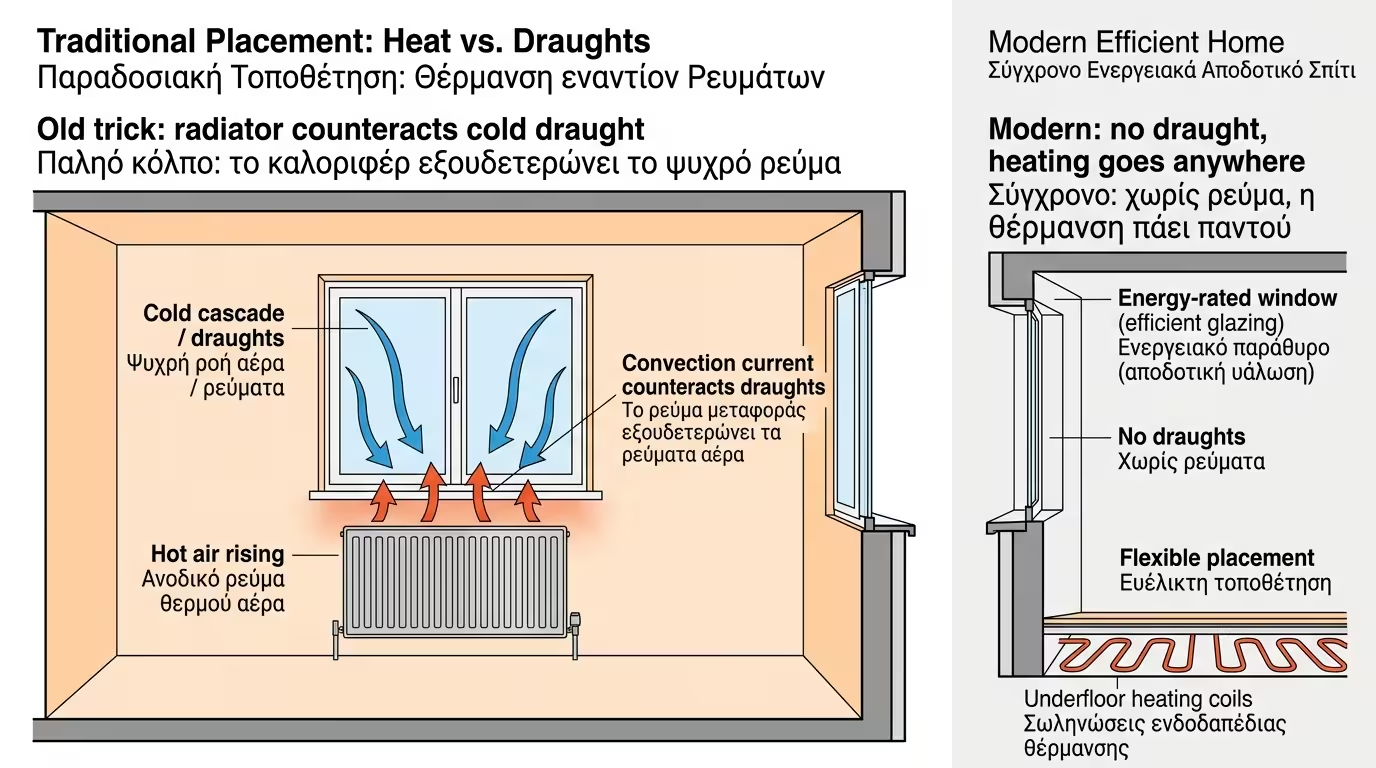
4. The Architect's Trick: Why Radiators Were Always Under Windows

Ever wondered why in older homes panel radiators were always placed directly below windows? It was an ingenious trick: the radiator's warm air rose upward, "cancelling" the freezing waterfall. Today, with energy-rated windows, this requirement no longer exists - you can place heating wherever you like.

Radiator below a window – warm air counteracts the cold waterfall

🏗️ Design Freedom

With modern glass, you can use underfloor heating, wall-mounted panels or even portable heaters anywhere. The inner glass temperature is high enough to avoid creating a waterfall, freeing you from the architectural constraint of the past. This change is particularly important in renovations, where removing old radiators from under windows frees valuable wall space for shelving or a window-seat nook.

5. Summary

🎯 True Thermal Comfort

Heating "quality" isn't measured only by the thermostat but by the surface temperatures around you. If the window is an "energy black hole", no stove can give you real warmth. Modern energy-rated glass eliminates the invisible waterfall, stops heat theft and delivers genuine comfort in every corner of your home.

Related Articles

Preview