Solar Heat Gain (g-value) vs Light Transmittance (Lt): The Golden Balance in Glazing

Huge, minimal glass surfaces that merge indoor and outdoor spaces are the ultimate trend. But architecture clashes with the scorching Greek sun: a large glazing unit facing south or west turns the living room into a greenhouse.

Very dark tinted glass cuts the heat but darkens the home in winter. How do we let light in while keeping heat out? The answer lies in two indices: Light Transmittance (Lt) and Solar Heat Gain (g-value).

1. Light Transmittance (Lt or Tv): The Light We See

The Light Transmittance (Lt) index measures the percentage of visible solar radiation that passes through the glass. Measured in percentage (%), it is straightforward: Lt = 90% means near-perfect transparency, while Lt < 50% means a noticeably tinted pane.

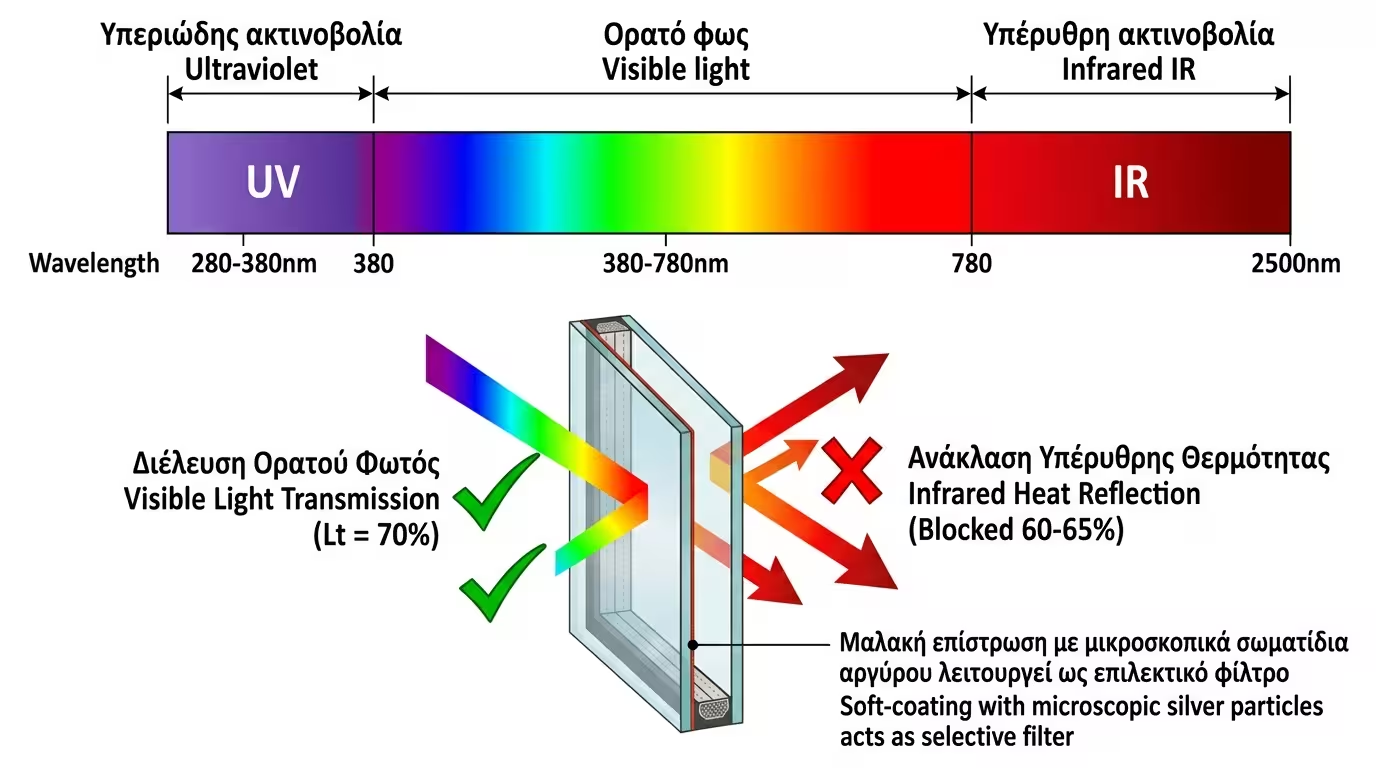
Solar spectrum - visible light, infrared and ultraviolet radiation

☀️ What the Numbers Mean

Lt = 90%: Perfectly clear glass. Almost all light passes through.
Lt = 70%: Excellent for modern energy glass. The home is fully bright.
Lt < 50%: Visibly dark or reflective glass. Reduces glare but requires earlier use of electric lighting.
🔍 Where It Matters

In homes with few or small windows (e.g. north-facing), choosing glass with high Lt is critical to maximise natural daylight. For large south- or west-facing glazing, the focus shifts to g-value, but a good glass achieves both simultaneously.

2. Solar Factor (g-value or SHGC): The Heat We Feel

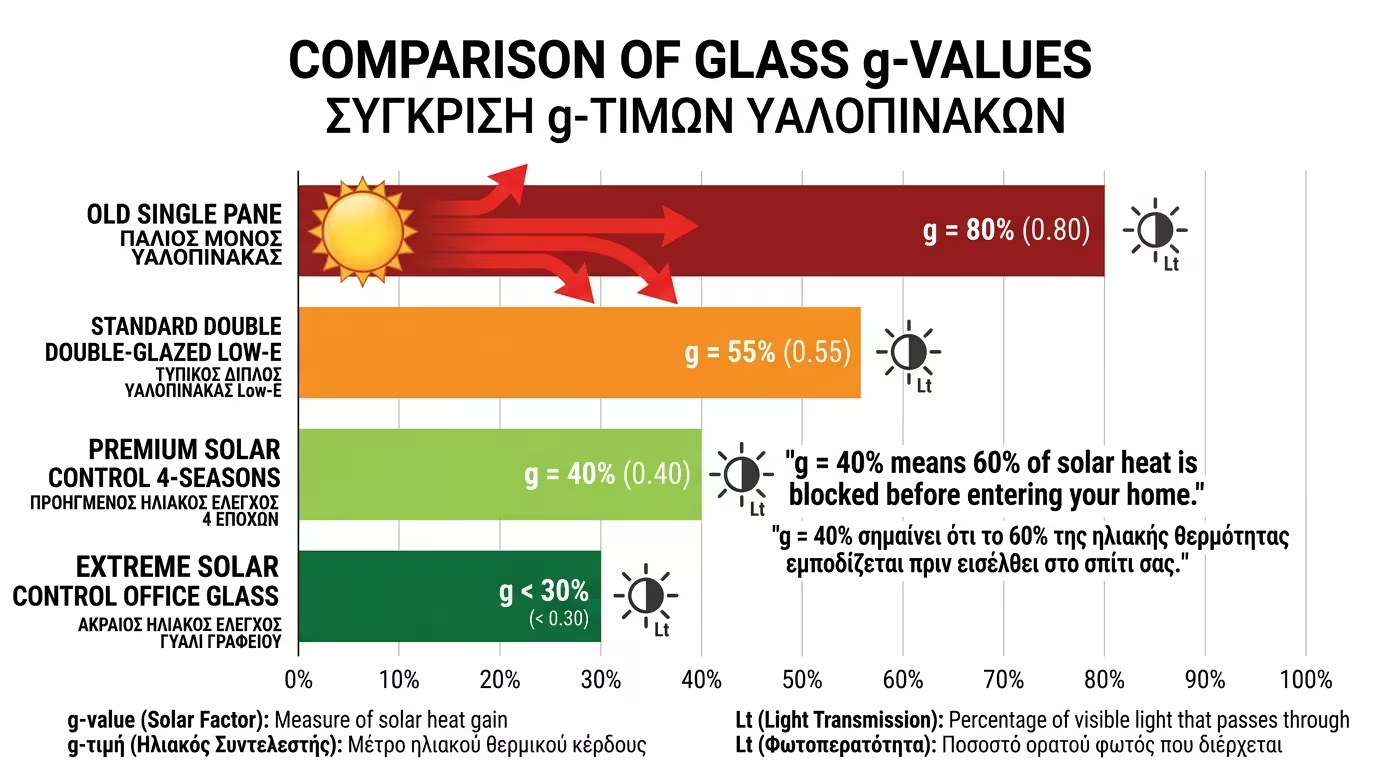
g-value comparison - old single pane vs solar control energy glass

The sun doesn't only send light. It sends massive amounts of invisible thermal energy through infrared radiation (IR). The g-value (Solar Factor / SHGC) shows how much total solar energy (light + heat) enters the building.

🌡️ What the Numbers Mean

g = 80% (0.80): An old single pane. 80% of the sun's heat passes unhindered into your living room. A nightmare for the air conditioner.
g = 40% (0.40): Excellent "4 Seasons" (Solar Control) energy glass. Blocks 60% of solar heat before it enters the home.
g < 30%: Extreme solar control. Ideal for office curtain walls, but potentially too dark for a home.

🤝 The Light vs. Heat "Clash"

Historically, a low g-value (coolness) required dark, reflective glass, which drastically dropped Lt. Modern energy glass solves this with nanotechnology coatings (soft coating): microscopic silver particles act as a filter, allowing light to pass while reflecting infrared heat back out.

3. The Selectivity Index: The Glass's "Grade"

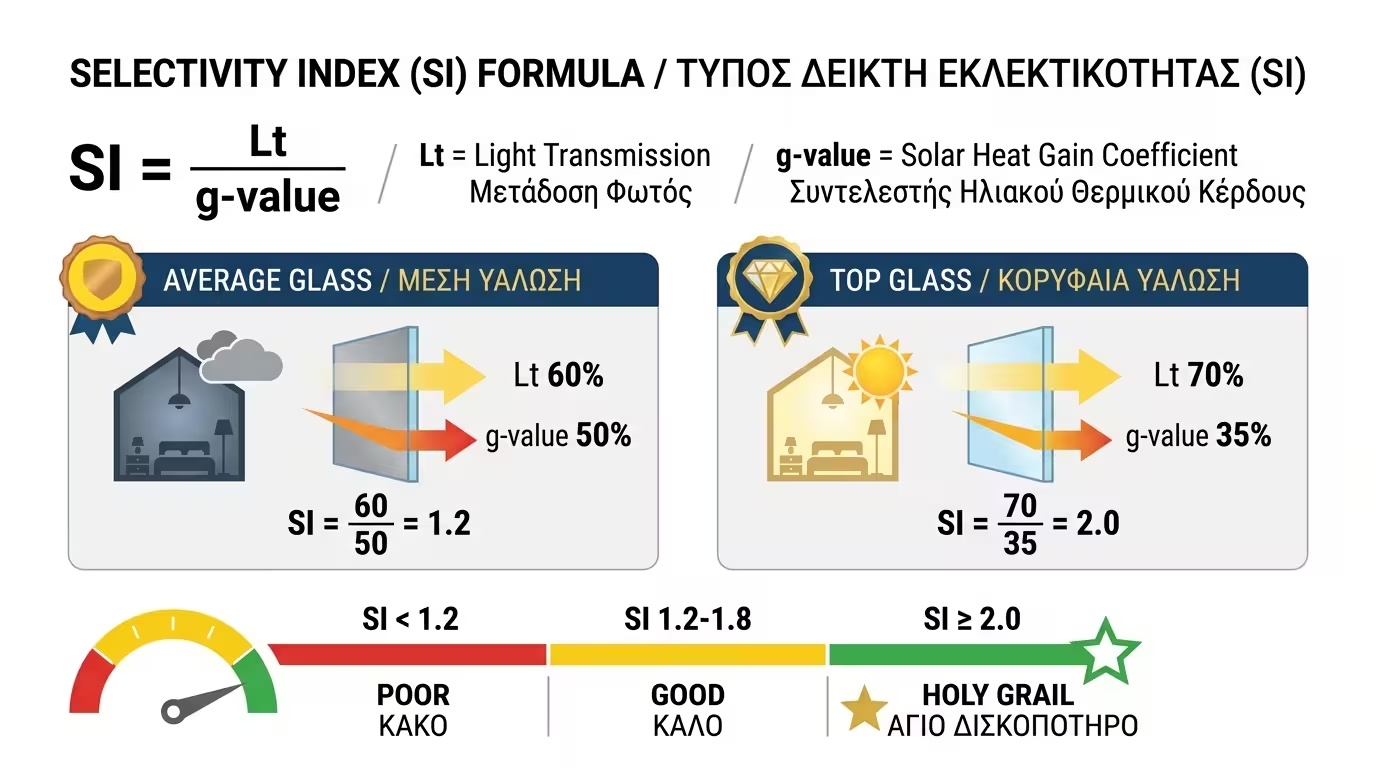
To know whether the glass you've been quoted is truly top technology, engineers use a simple formula: Selectivity Index = Lt / g-value. We want this number as high as possible (lots of light, little heat).

Selectivity index - the Lt/g-value formula

📊 Average Glass Example

Lt = 60%, g = 50% → Index: 60 / 50 = 1.2. Average performance. Lets relatively little light through and doesn't cut enough heat. Typical of older-generation energy glass.

💎 Top Glass Example

Lt = 70%, g = 35% → Index: 70 / 35 = 2.0. A crystal diamond! Lets 70% of light in (abundant brightness) while blocking 65% of heat. An index near or above 2.0 is considered the "Holy Grail" of glazing.

4. What to Ask For by Orientation

Not every window needs the same glass. Smart design is based on each opening's orientation.

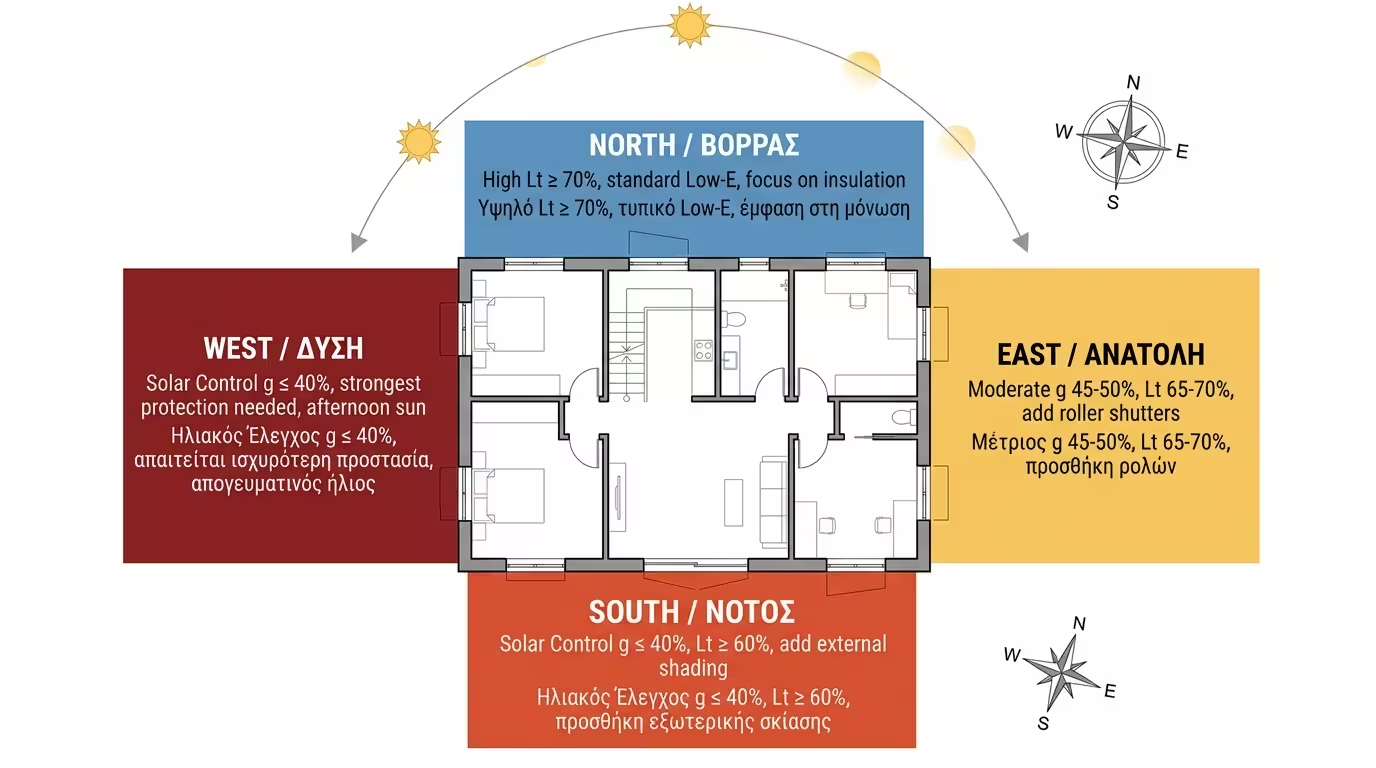
Glass selection guide by orientation - north, south, west

🧭 North-Facing

Never hit by the scorching sun. You need standard Low-E energy glass with high Lt (≥ 70%) to capture every drop of natural light. The g-value is less of a concern here. Focus on insulation (low Ug) and maximum brightness.

🔥 South & West-Facing

This is where summer overheating strikes (especially west, after 3 p.m.). Invest in Solar Control Energy Glass (4 Seasons) with g ≤ 40%, keeping Lt above 60%. Add external shading (roller shutters, awnings, brise-soleil) for full protection during the hottest months.

🌅 East-Facing

Morning sun is pleasant, but harsh summer daybreak can overheat bedrooms. Energy glass with a moderate g (45–50%) and high Lt (65–70%) is the golden balance. Pair with an external roller shutter for a complete solution.

Related Articles

Preview