Mould Around Windows: How It Forms and How to Eliminate It for Good

It's the next nightmarish stage after the glass "sweating". After weeks of noticing droplets on the panes, one morning you pull back the curtain and see the real enemy: dark splotches on the wall, right where the aluminium meets the plaster.

Mould isn't just an aesthetic problem - it's a living fungus that releases spores into the air, triggering allergies, asthma and respiratory issues, especially in young children. The solution isn't to paint over it - you need to attack the root of the problem.

1. Why Does Mould "Love" the Window Perimeter?

To grow, mould needs three things: spores (they are everywhere in the air), food (wall paint is an excellent meal) and sustained moisture. Moisture always seeks the coldest spot - the "cold wall" next to the frame.

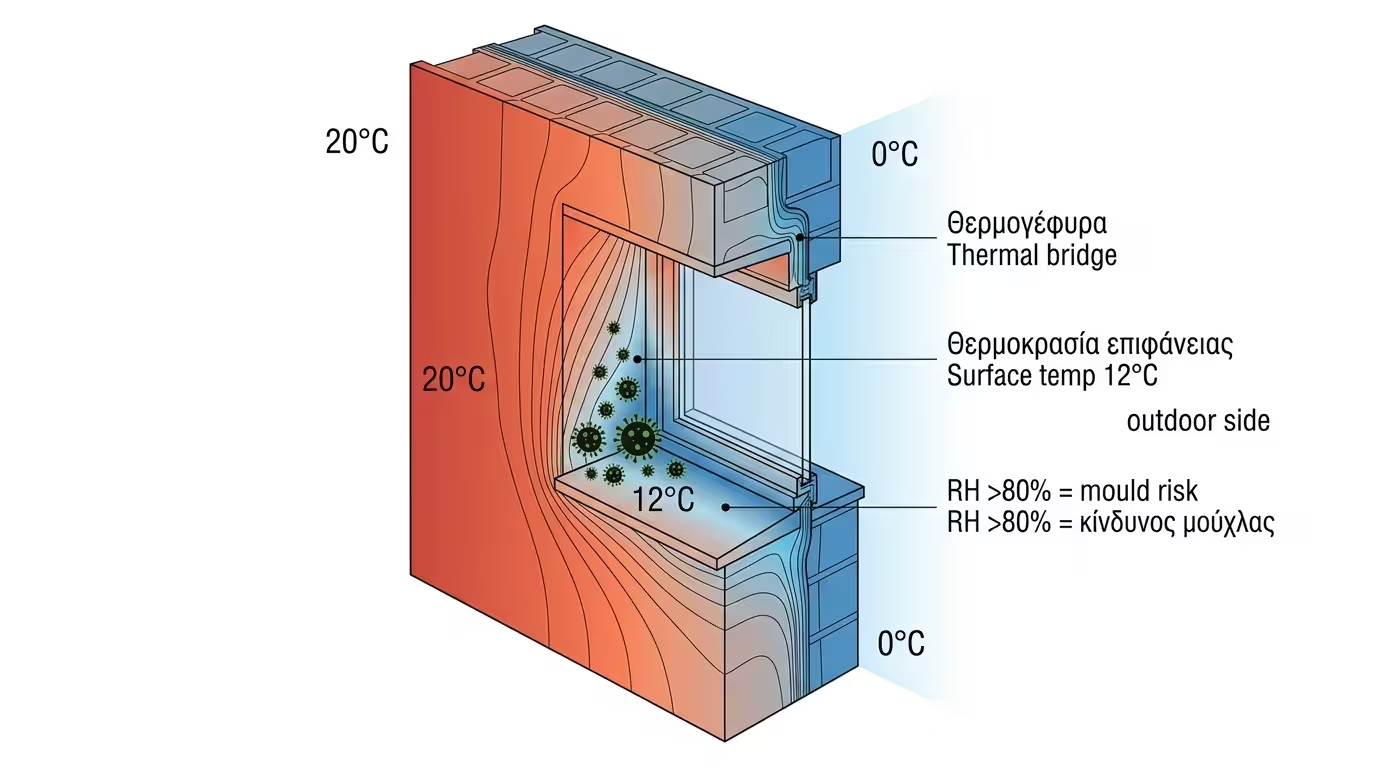
Thermal bridge at the frame zone - cold spot that encourages mould growth

🌡️ The Thermal Bridge

If the window was mounted on old, uninsulated marble or if the joint around it was sealed only with expanding foam (instead of proper membranes), outdoor cold "travels" through the wall. The plaster freezes, indoor warmth condenses on it, and the damp plaster becomes a breeding ground for fungi. This zone is called a thermal bridge - the weak link in your building's insulation.
🔒 Airtightness + Moisture = Bomb

New airtight windows (Class 4) trap moisture indoors. Without proper ventilation, relative humidity reaches 70-80%. At these levels the fungus doesn't even need a freezing wall - any slightly cool corner will do. Mould begins growing at sustained relative humidity above 65%.

2. Step 1: The "Surgical" Removal (Immediate DIY Fix)

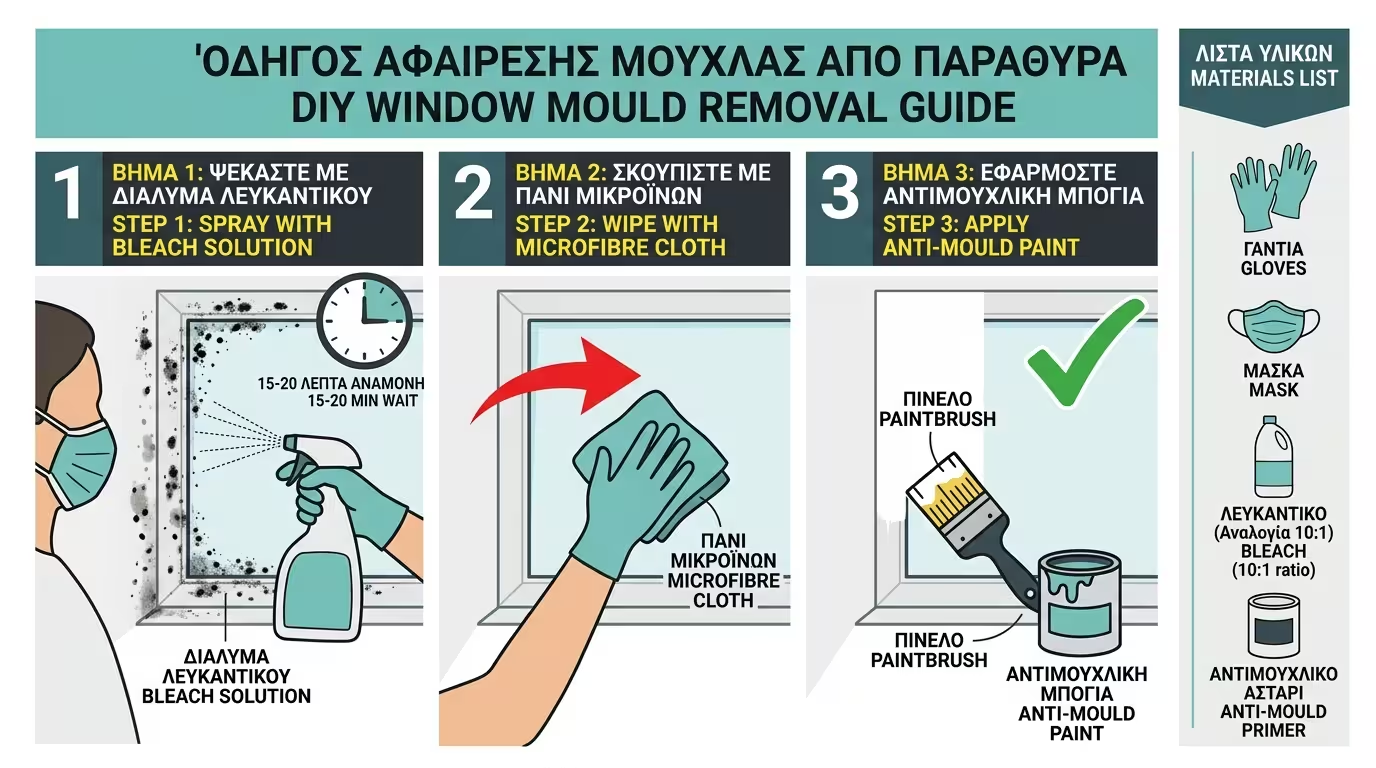
3-step DIY mould removal: spray, wait, wipe

Before you do anything, never scrub dry mould! You'll scatter spores into every corner of the house. Follow this method:

🧤 Protection & Spraying

Wear gloves and an FFP2 mask (spores are toxic). Prepare a bleach-and-water solution (1:3 ratio) or buy a dedicated anti-mould spray. Spray generously over the affected area, wetting even 10 cm around the visible spots.

⏱️ Wait & Wipe

Let the liquid act for 15-20 minutes to kill the fungus down to its roots inside the plaster. Wipe gently with a damp sponge - discard it immediately. Let the wall dry completely with a window open. Don't repaint straight away - wait at least 24-48 hours for full drying.

3. Step 2: Control Relative Humidity (Short-Term Prevention)

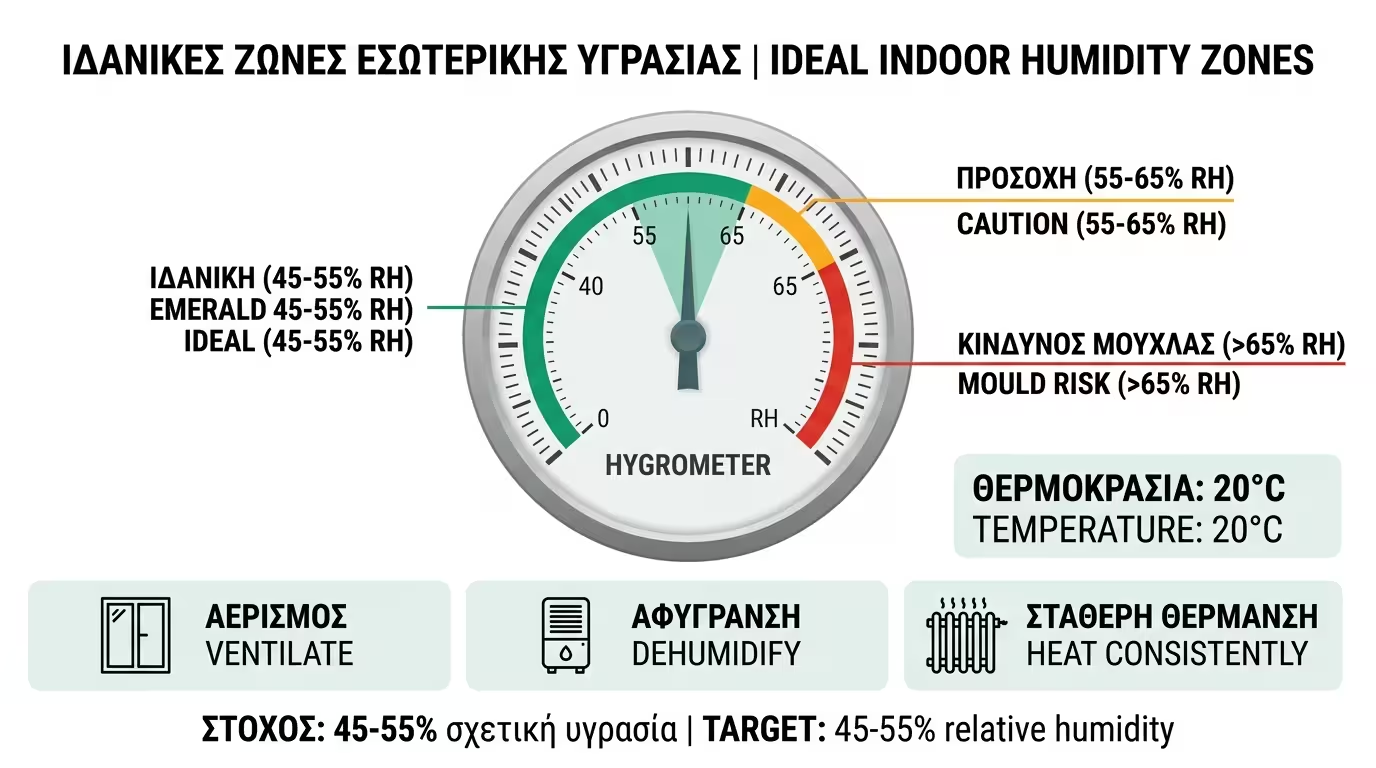
Once the wall is clean, you must deprive the mould of water. The golden rule: indoor relative humidity should stay between 45% and 55%.

Digital hygrometer reading 58% relative humidity

📊 Measure First

Buy a cheap digital hygrometer (€5-10) and place it in the living room. If it reads above 65%, switch on a dehumidifier immediately. A 20-litre/day unit is enough for an 80 m² flat. Its running cost is less than an air conditioner and it prevents hundreds of euros in damage.

🚿 Change Your Habits

Always run the extractor when cooking. Leave the bathroom vent on for 15 minutes after a shower. And most importantly: never dry wet laundry indoors. One wash load releases roughly 2 litres of water into the air as it dries!

4. Step 3: "Breaking" the Thermal Bridge (Permanent Fix)

If the wall keeps freezing, mould will find a way back. The radical solution is an external thermal facade (ETICS), but if that's not feasible, there are localised interventions:

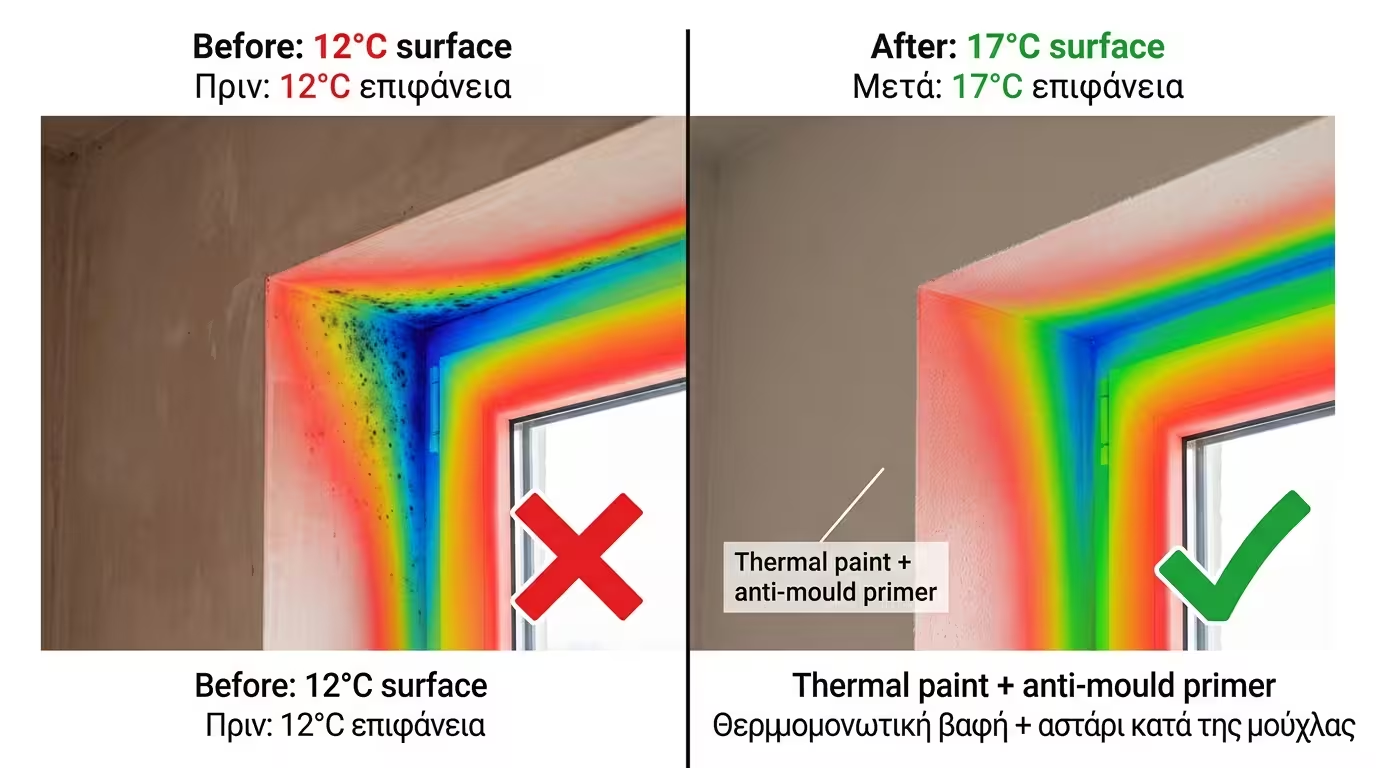
Applying thermal insulating paint with glass microspheres around the frame

🎨 Thermal Insulating Paint

Once the wall is dry, coat it with a specialised thermal / anti-condensation paint (containing glass microspheres). This "warms" the surface by 1-2 °C, preventing vapour from turning to water. It's a low-cost solution (€15-25 per litre) applied easily with a brush or roller.

🔧 Check the External Sealant

Go out to the balcony and inspect the aluminium-to-wall junction. If the silicone has cracked or is missing, rainwater soaks the brickwork. Remove the old sealant and apply new polyurethane mastic (UV resistant) to seal the joint. This intervention costs very little but prevents major moisture problems long-term.

5. Summary

🛡️ Mould Is a Warning Bell

Mould next to your new windows doesn't mean a bad purchase. It's a "warning bell" from physics telling you the house is breathing wrong and there are thermal losses in the masonry. Clean it properly, bring room humidity below 55%, and insulate the thermal bridge locally. These three steps ensure clean air and dry walls.

Related Articles

Preview