Smart Home & Window Automation: How Your Home Protects Itself from Sun and Wind

We've covered energy glazing, airtight profiles, bioclimatic design and external shading. But all of these depend on the human factor. The finest roller shutter won't save you if you forget to lower it. The finest window won't prevent water damage if you leave it tilted before a storm.

Here engineering meets IT. The Smart Home is no longer an expensive gadget, but the "brain" of your bioclimatic design, ensuring everything works even when you're not there.

1. The Sun Sensor: Bioclimatic Manager

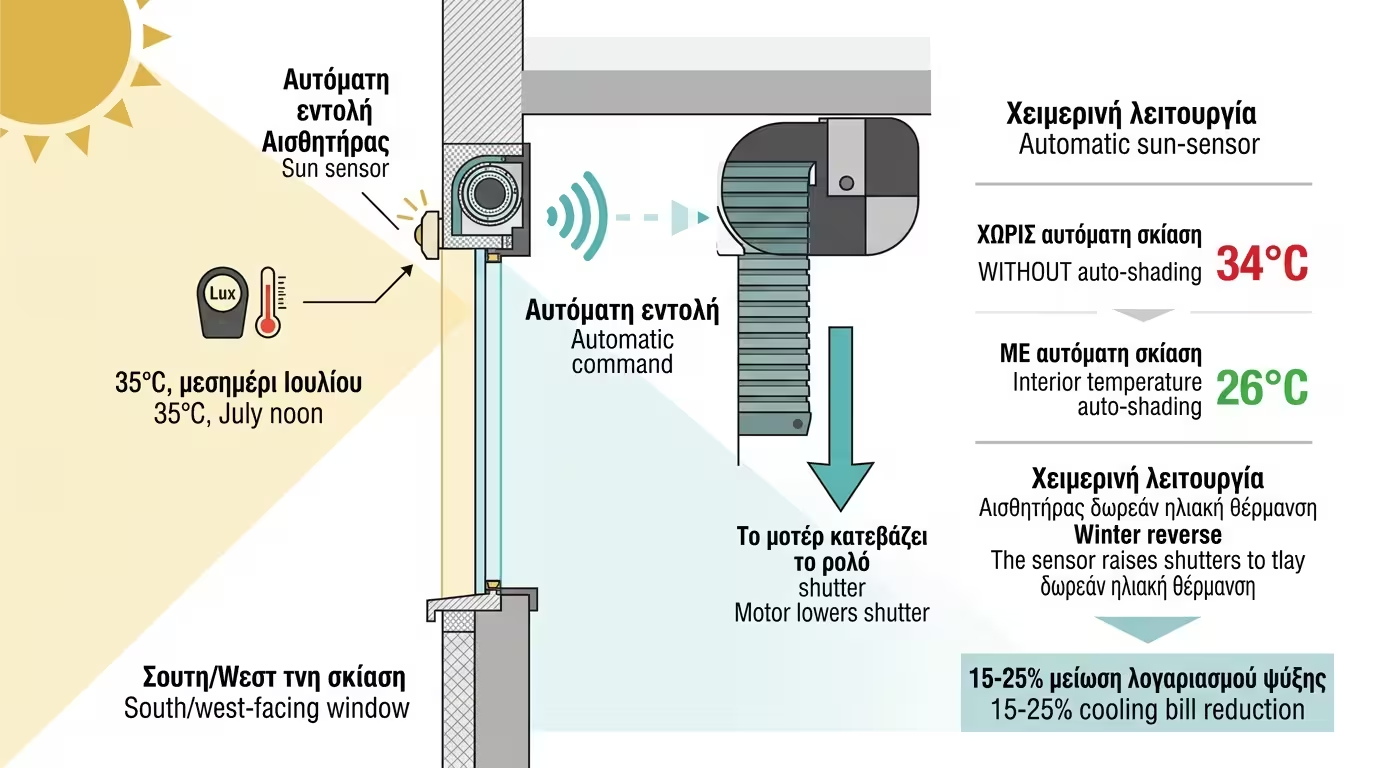
Remember the west facade and the scorching afternoon sun? With a Smart Home you don't even need to be at home. A discreet wireless sun sensor is mounted on the facade, continuously measuring light intensity (Lux) and temperature.

Sun sensor on facade - automatic shutter lowering

☀️ Automatic Shading

When intensity and temperature exceed a threshold (e.g. 35 °C on a July noon), the hub sends a command. Electric shutters, external Raffstore louvres or Zip Screens lower automatically. The house "puts on sunglasses" before the glass even warms up. You return from work to find a cool oasis without the air-conditioning having run for a single minute. Conversely, in winter the system raises the shutters to capture free solar heating as soon as the sun angle is right.
2. Wind & Rain Sensor: The Guardian Angel

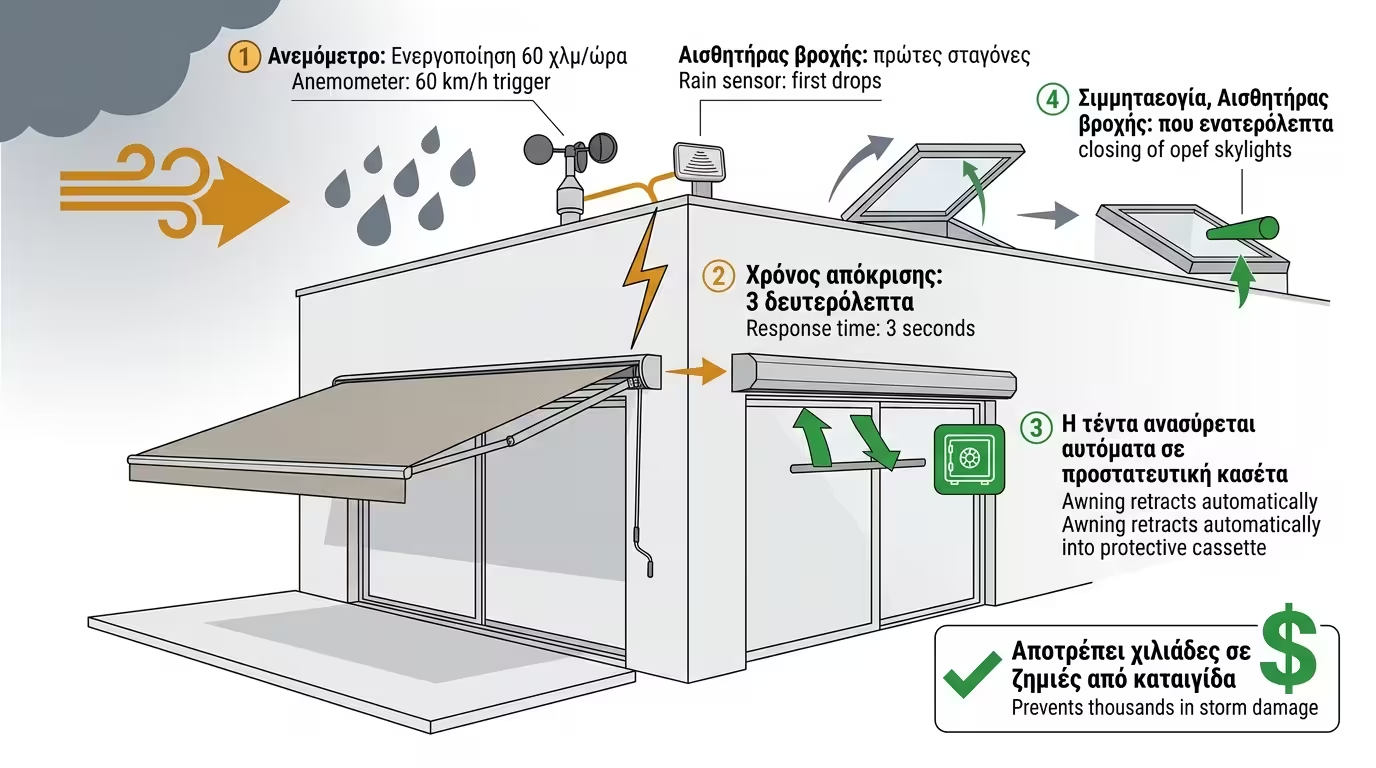
Anemometer and rain sensor - awning retracting in a sudden squall

Investing in awnings, bioclimatic pergolas or shading fabrics costs thousands of euros. What happens if a sudden squall hits while you're away? The anemometer continuously measures wind speed, while the rain sensor detects the very first drops.

🌧️ Real-Time Protection

If gusts exceed 60 km/h, awnings retract into their cassettes, pergola louvres open (so they don't act as a sail and tear), and shading systems withdraw. The rain sensor commands any open roof skylights to seal airtight, saving the living room parquet. The response is instantaneous - automation acts within 3 seconds of detection, faster than any human reaction.

❄️ Frost Protection

In northern Greece, the temperature sensor can trigger automatic anti-frost mode. When outdoor temperature drops below 0 °C, shutters lower to create an additional insulation layer between the glass and the freezing air, reducing the risk of interior condensation and protecting delicate glazing seals from thermal shock.

3. Magnetic Contacts & Smartphone Scenes

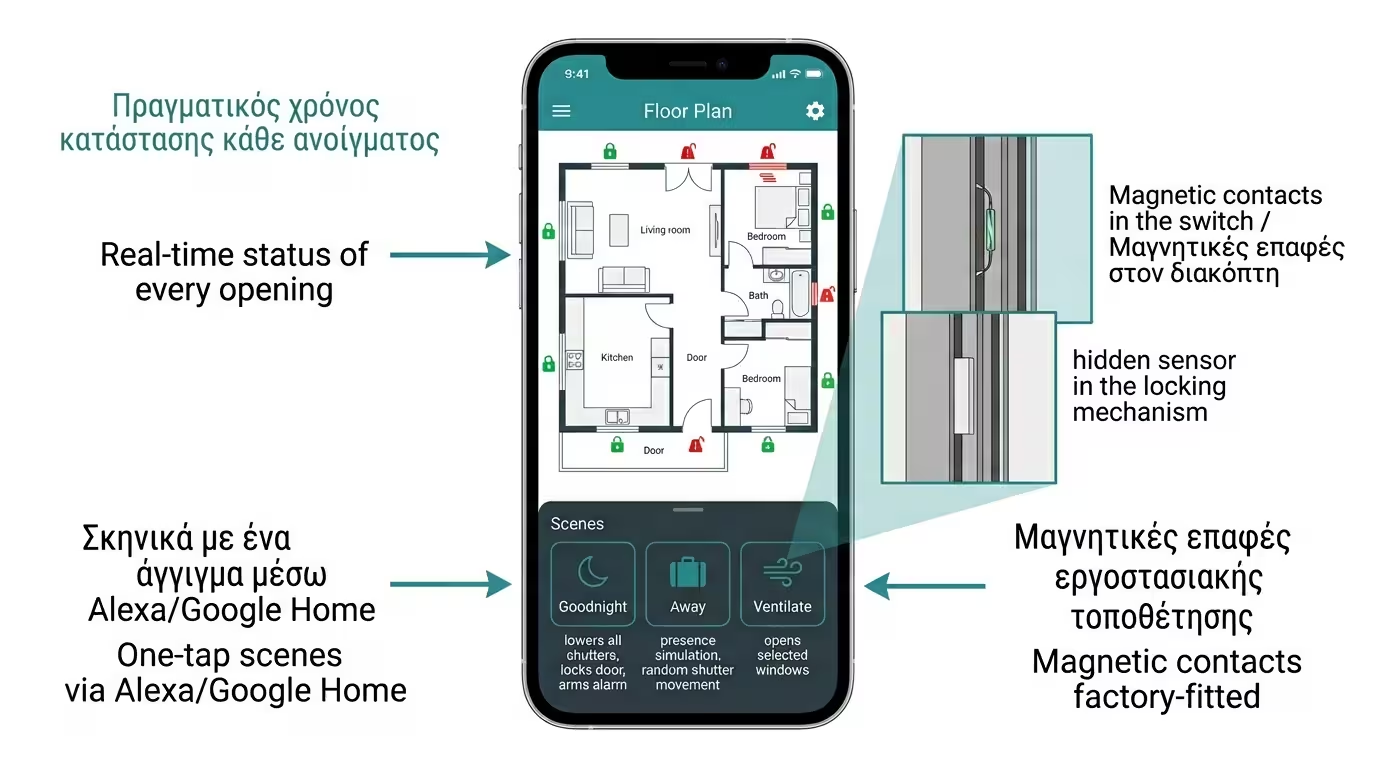
The "heart" of the smart home lives in your smartphone. Modern windows come factory-equipped with hidden magnetic contacts (reed switches) inside the locking mechanism, giving you full visibility into every opening at a glance.

Smart home app showing open/closed status of every window

📱 Total Control

Left something open? Open the app and see exactly which window is unlocked. "Goodnight" scene: one tap or voice command (Alexa / Google Home) lowers all shutters, electromechanically locks the main door and arms the alarm. Presence simulation: while you're on holiday in August, shutters rise and fall at random times, giving burglars the impression the house is occupied as normal.

4. The Final Touch on the Bioclimatic Home

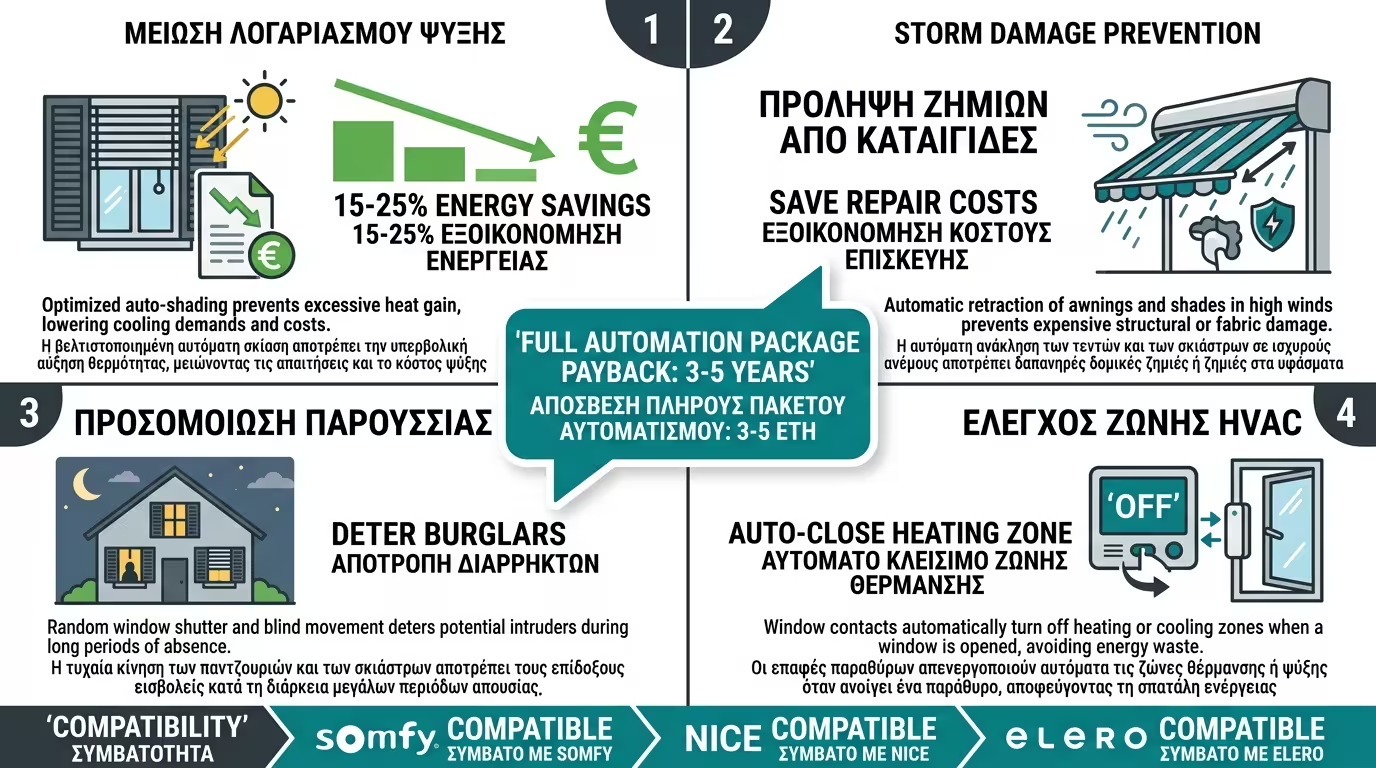
Adding smart motors (by Somfy, Nice or Elero) and automation is not a luxury. It is the final "brushstroke" that ensures your energy-rated windows deliver 100% of their potential.

Goodnight scene - all shutters automatically lowered

💡 The Automation ROI

Beyond comfort, the numbers are compelling: automatic shading cuts cooling bills by 15-25%, storm protection avoids repair costs worth thousands, and presence simulation can reduce home insurance premiums. A full automation package (sensors + motors + central hub) typically pays for itself within 3-5 years, making it one of the smartest long-term investments you can make for your home.

Related Articles

Preview