Correct Home Ventilation: How Long Should You Open Windows in Winter?

The temperature outside is near zero. Inside, the heating is on and you've built up a cosy warmth. Then you remember: "I need to ventilate to get rid of moisture, or mould will appear!"

How do you flush out the "stale", humid air without literally throwing your heating money out of the window? The secret isn't whether you open, but how and for how long.

1. The #1 Mistake: The "Permanent" Tilt

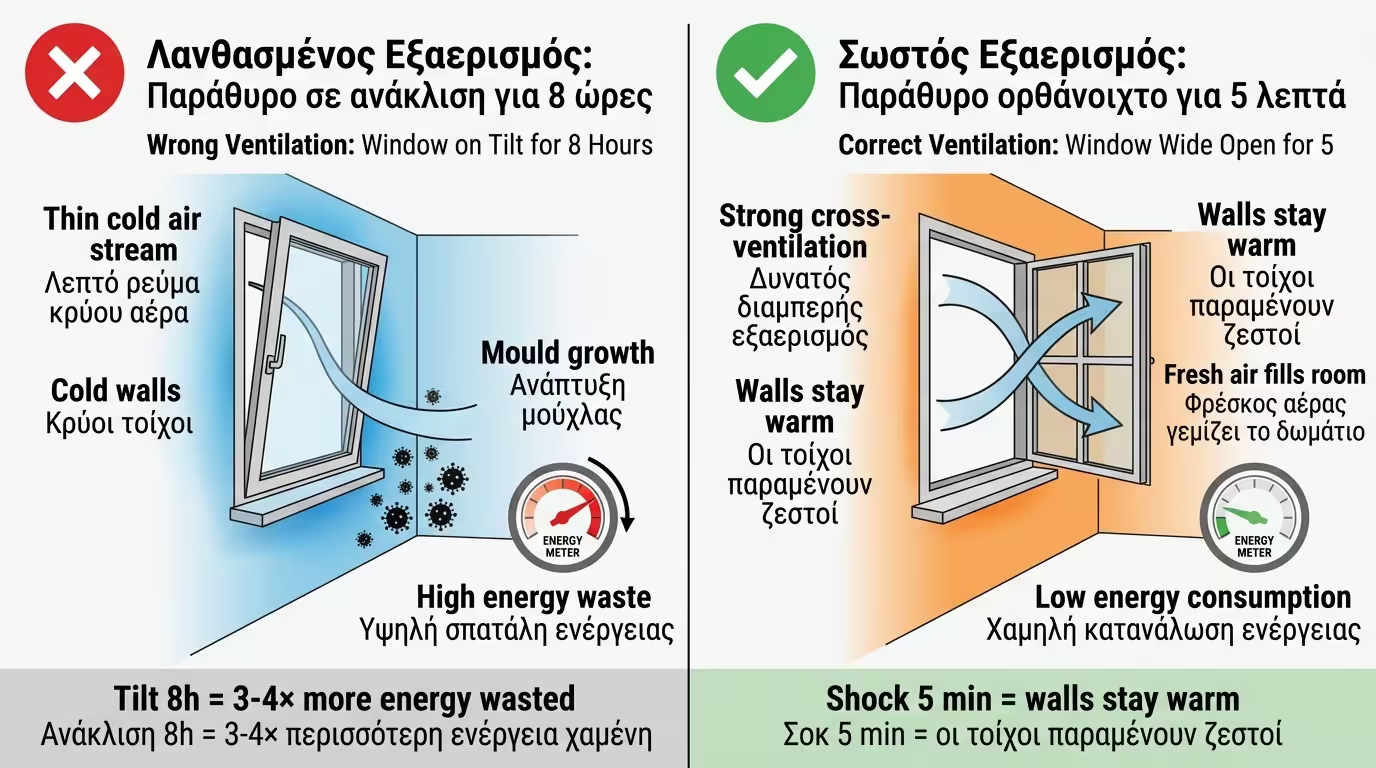
The most common - and destructive - habit in Greek homes: you open the window on tilt and leave it for hours (or all day). This means zero air renewal, frozen walls (mould magnet!) and wasted energy.

Window left on tilt in winter – a common ventilation mistake

❌ Why Does It Fail?

The small gap at the top isn't enough to replace the room's air. Moisture stays trapped. Meanwhile, the cold air trickling in for hours chills the walls - exactly the condition that creates condensation and mould. The thermostat overworks for nothing. Studies show that a window left on tilt for 8 hours wastes 3-4 times more energy than four 5-minute shock ventilation sessions.
📝 Note

Tilting is an excellent function for ventilation in spring or autumn, but it's forbidden in heavy winter! The key is intensity, not duration.

2. The Ultimate Solution: Shock Ventilation (Stoßlüften)

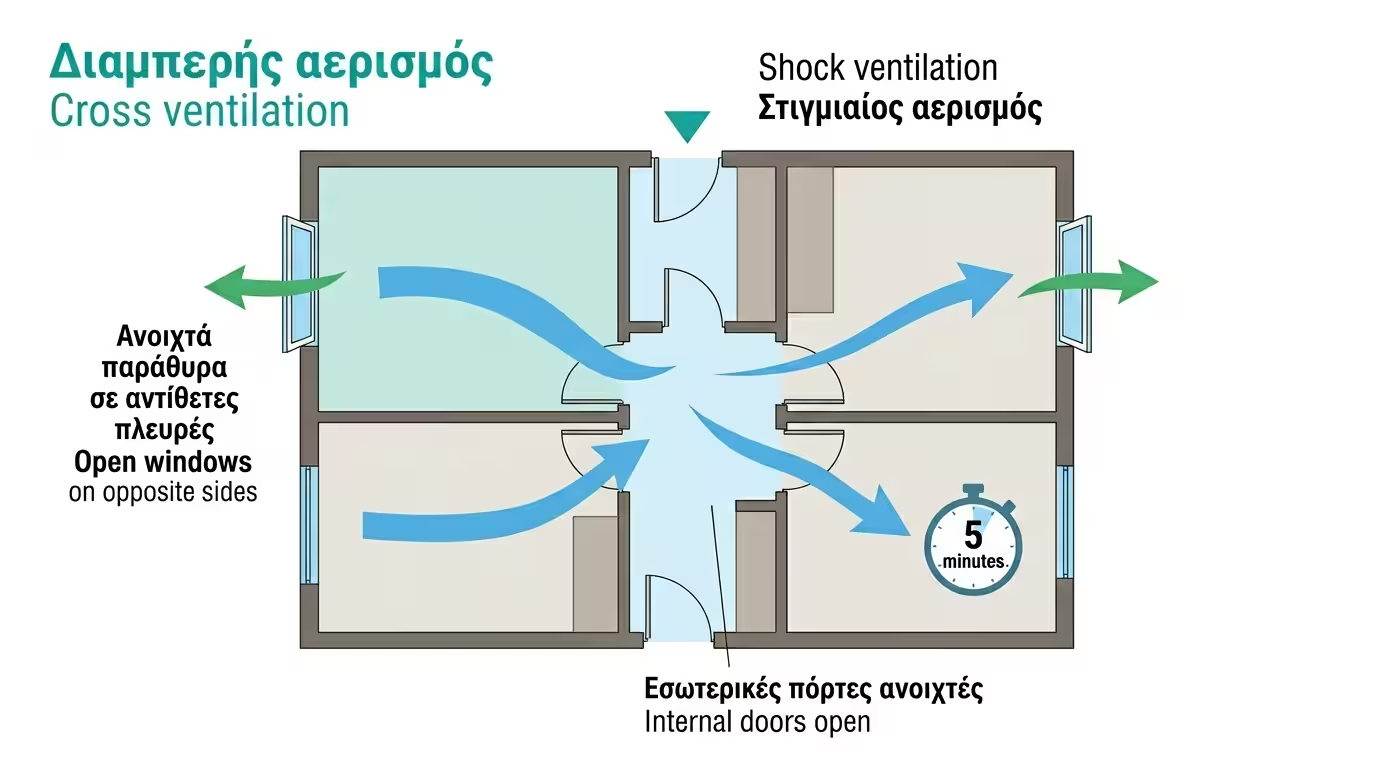
Cross ventilation: windows open on opposite sides of the house

Germans (who face -15 °C winters) solved this problem decades ago with a simple technique: open the windows wide open, but for the shortest possible time.

🔬 The Physics Behind the Trick

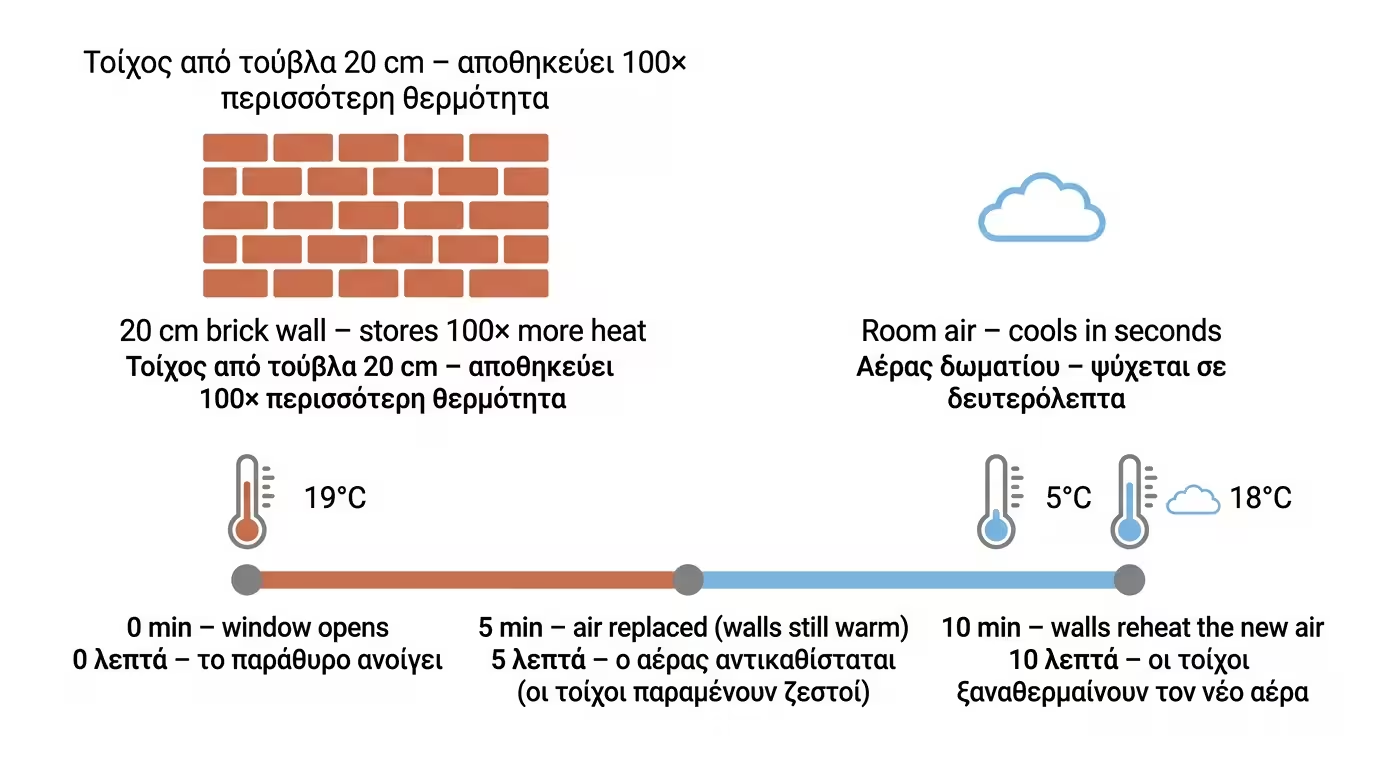
Air has very low thermal capacity - it heats and cools quickly. In contrast, walls, floors and furniture store enormous amounts of heat (thermal mass) and take a long time to cool down.

✅ The Result

In 5 minutes, the old humid air leaves and is replaced by fresh, dry air. The walls don't have time to cool - they stay warm! Once you close up, the warm walls radiate their heat and rewarm the fresh dry air in minutes, with virtually zero extra energy consumption. According to Germany's Umweltbundesamt, this method reduces ventilation heat losses by 75% compared to permanent tilt opening.

3. Step-by-Step Winter Ventilation Guide

Follow these steps every time you ventilate:

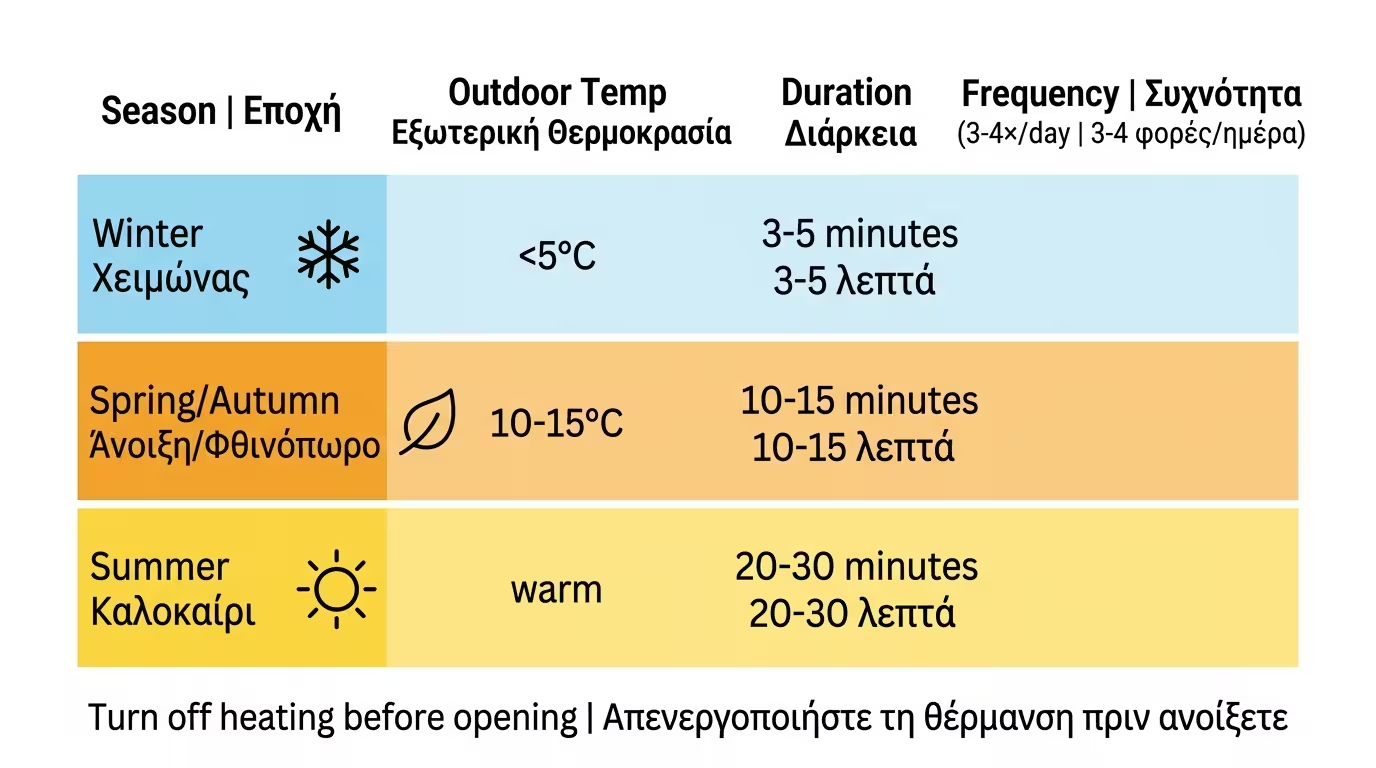
Ventilation timer by season: winter 5 min, autumn 15, summer 30

1️⃣ Turn Off the Heating

Set the thermostat to zero so the boiler doesn't burn fuel while the windows are open. It will restart automatically once you close up.

2️⃣ Open Wide + Create Cross-Flow

Open fully (no tilt!) and create cross ventilation: open internal doors and a window on the opposite side at the same time. The "sweeping" draught clears the air instantly.

⏱️ Time It

Heavy winter (<5 °C): 3 to 5 minutes. Autumn/Spring (10-15 °C): 10-15 minutes. Summer: 20-30 minutes (morning or evening). Ideally: 3-4 times a day - morning, after cooking/showering, before bed.

4. Why You Don't Lose Heat: The Power of Thermal Mass

Many people fear that opening windows will "throw away" all the warmth. In reality, only the air cools - and air accounts for a tiny fraction of a room's total thermal energy.

Walls store heat vs air that cools quickly

🧱 Walls = Heat Batteries

A 20 cm brick wall stores 100 times more thermal energy than the air in the room. In 5 minutes with the window open, the air changes but the walls stay warm. Once you close up, they "refill" the room with warmth naturally. This explains why homes with external insulation exploit thermal mass even more effectively, storing daytime solar heat and releasing it in the evening.

5. Summary

🌬️ Breathe Right

Forget half-open windows that "freeze" the walls. Open them wide, let the house take a deep, quick 5-minute "breath", and seal them tight again. Proper ventilation isn't the enemy of your wallet - it's the best ally of your health.

Related Articles

Preview