Trickle Vents in Windows: Are They Essential?

We've covered the "golden rule" of winter ventilation: 5 minutes of cross-ventilation, 3-4 times a day. Perfect theory. But what happens in practice?

You leave at 8:00 for work and return at 19:00. The home stays hermetically sealed for 11 hours. Moisture gets trapped, the air goes stale and conditions for mould become ideal. The solution? Trickle vents.

1. What Are Trickle Vents?

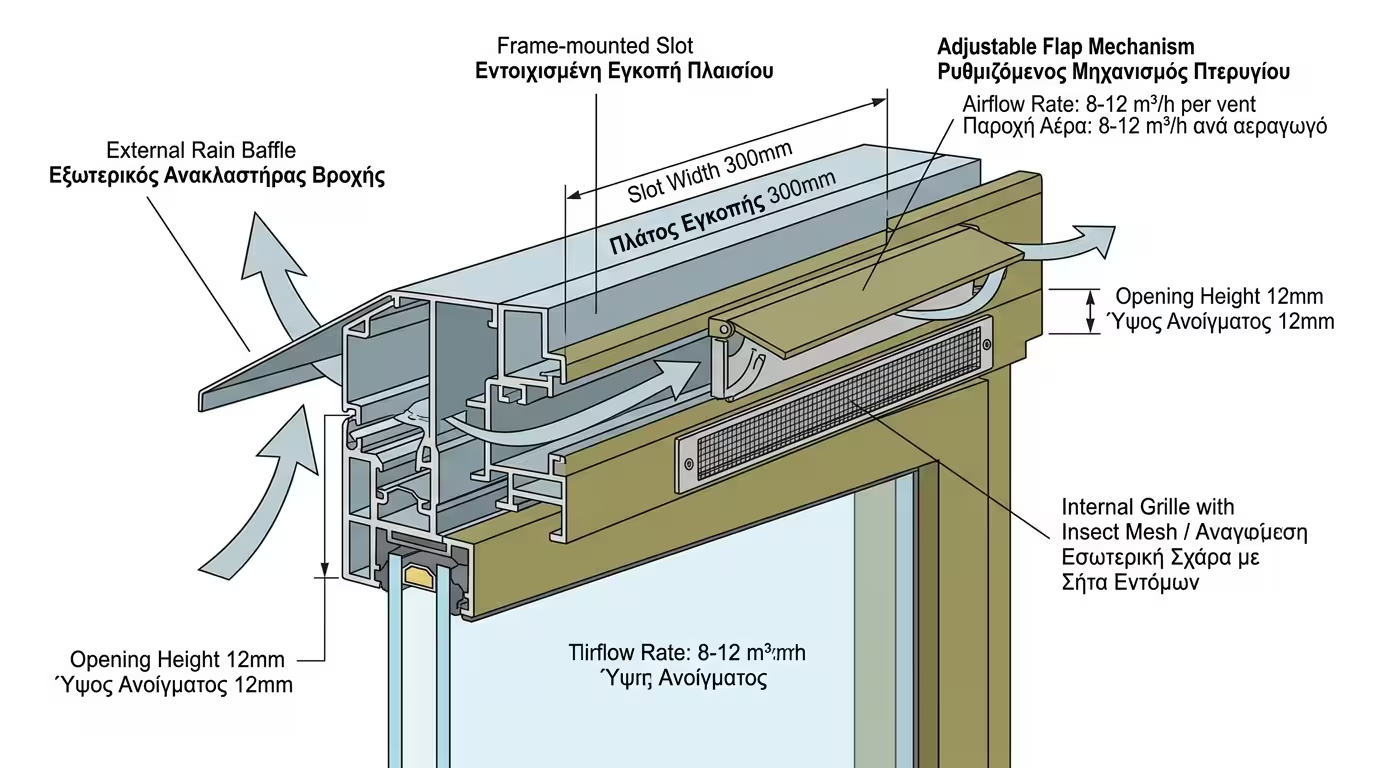
A trickle vent is a very discreet, narrow slot (aluminium or plastic) at the top of the window frame. It allows a minimal, controlled amount of fresh air to pass even when the window is fully locked.

Trickle vent anatomy: frame-mount, adjustable flap, internal grille

⚙️ Passive Operation

Most trickle vents need no electricity. They work passively, exploiting the pressure and temperature difference between indoors and out (stack effect). A small adjustable flap lets you open them fully, halfway, or close them in a storm. Most also include an internal insect mesh, so you needn't worry about mosquitoes or dust.
2. The "Smart" Technology: Hygro-Adjustable Vents

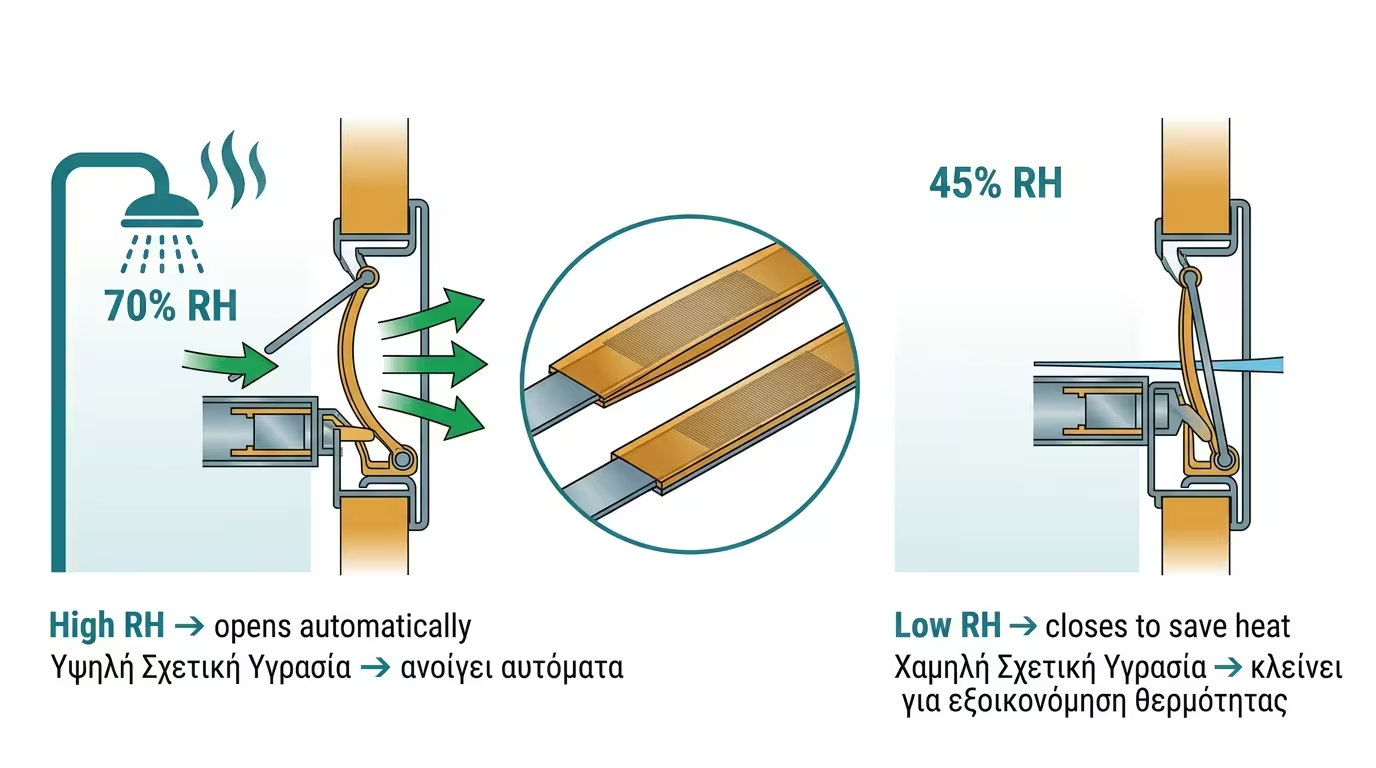
Hygro-adjustable trickle vent with polyamide humidity sensor

The evolution of basic trickle vents - they feature a humidity sensor (polyamide strip) that reacts automatically:

💧 High Humidity → Opens

If you shower or cook and humidity climbs to 70%, the vent opens by itself fully to flush out vapour. The polyamide strip reacts to changes in relative humidity in under 10 minutes.

🔒 Low Humidity → Closes

When the room dries (humidity below 45%), the vent closes almost entirely so you don't lose heat. The home literally breathes on its own, with zero intervention from you.

3. Are They Essential in Greece? Pros & Cons

In the UK they are mandatory by law. In Greece, the KENAK doesn't yet require them for simple renovations. But are they worth it? Let's weigh up:

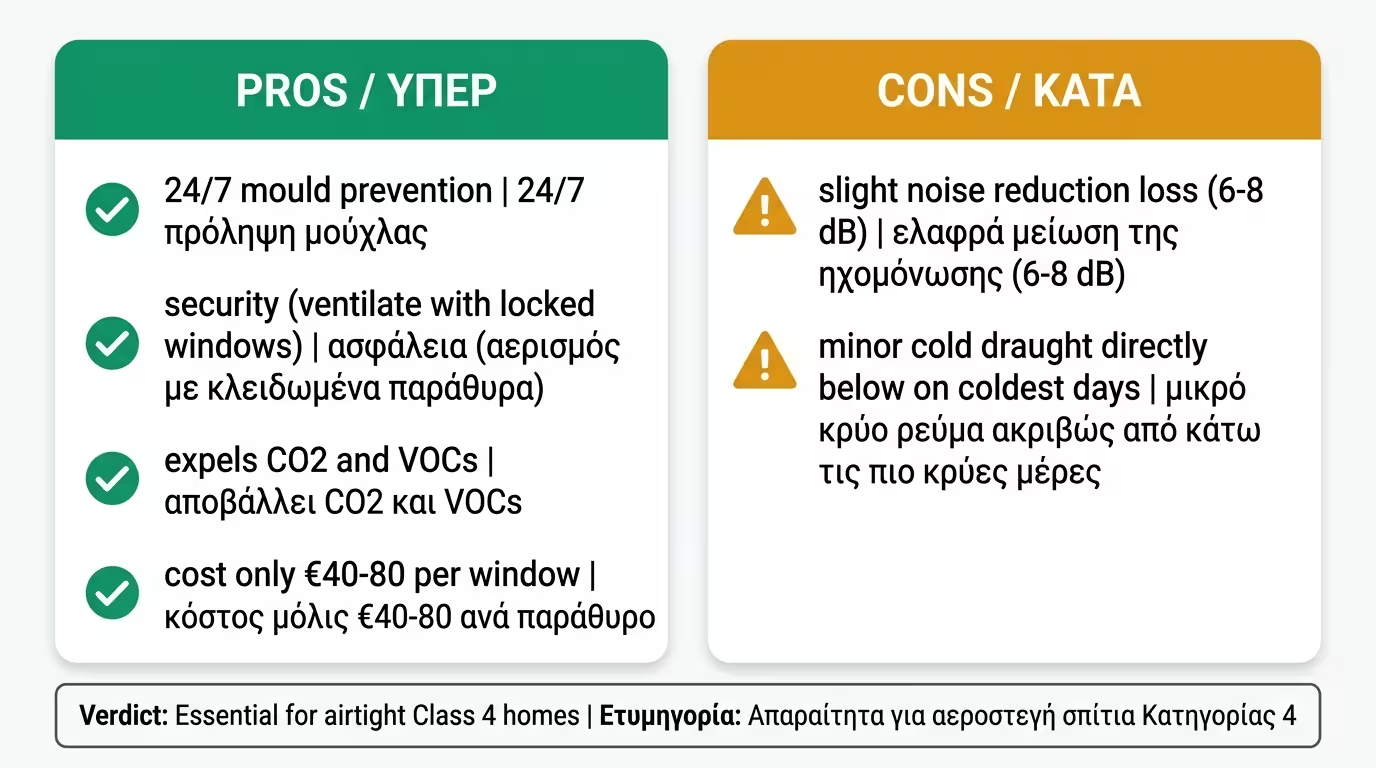
Trickle vents pros and cons comparison table

✅ Advantages

Mould prevention: 24/7 background ventilation. Security: ventilate without open windows - ideal for ground floors. Hygiene: expels CO2, odours and VOCs from furniture and cleaning products.

⚠️ Drawbacks

Slight noise reduction loss: any opening in the frame, however small, lets some noise through. On busy roads, choose acoustic trickle vents with internal absorbent material that reduces noise by 6-8 dB. Minor draught: on very cold days, sitting directly below may cause a slight cool draught.

4. Practical Guide: Where and How They're Installed

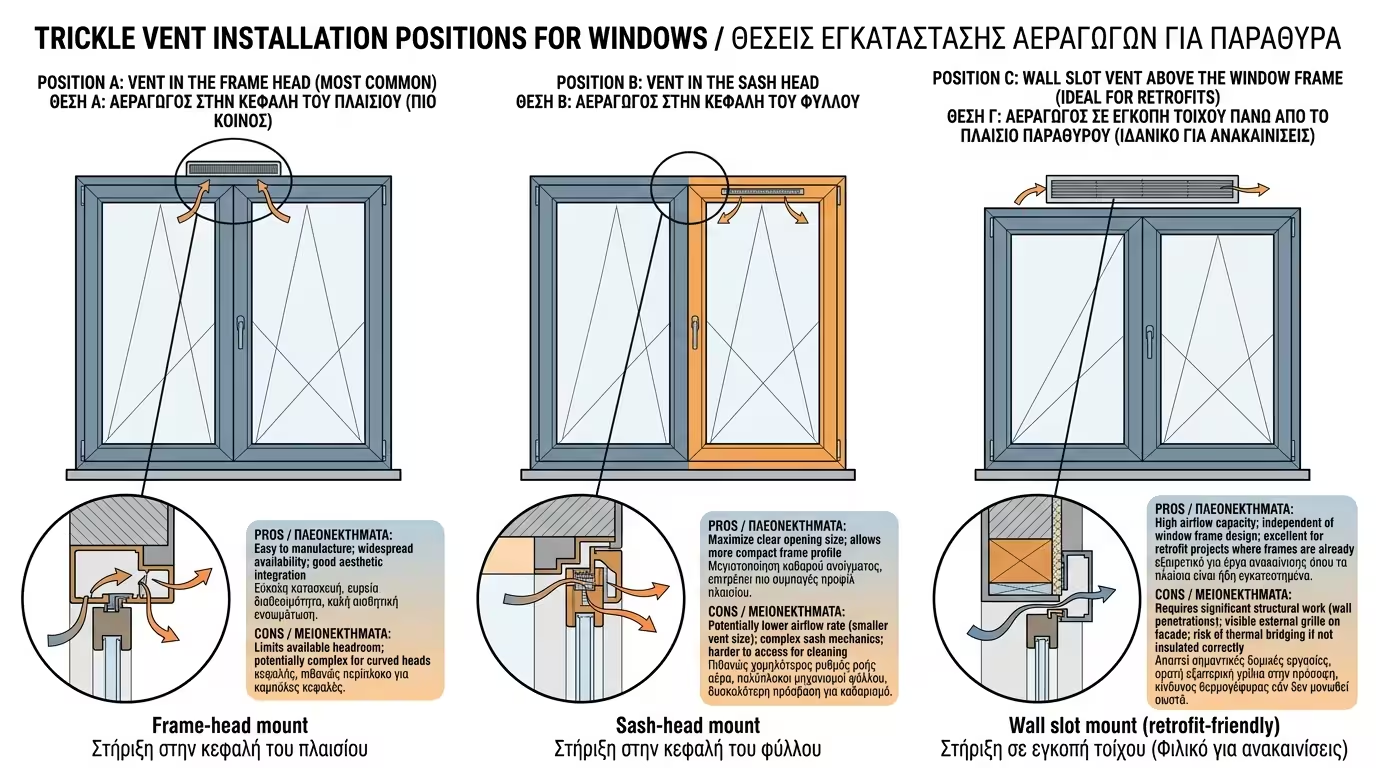
The vent is usually fitted at the top of the frame or the sash. Some models are wall-mounted just above the window (wall slot vents) - ideal for renovations where you don't want to modify the aluminium.

Installation positions: frame-head, sash-head, wall slot above frame

📏 Sizing

Each vent is characterised by its airflow rate in m³/h. For a 15 m² bedroom you need around 8-12 m³/h. A 30 m² living room may require two vents on different windows.

💡 Tip

If you're planning a deep energy retrofit (e.g. "Exoikonomo"), request trickle vents in your new windows from the start. Retrofitting them later costs 30-50% more due to modifications required. Choose hygro-adjustable vents (Aereco type or equivalent) for maximum energy savings.

5. Summary: Should I Get Them?

🏠 Our Recommendation

If you're sealing your home with Class 4 airtight windows and external insulation, the answer is a clear yes. Without trickle vents or mechanical ventilation, mould is mathematically certain. Trickle vents are the cheapest insurance policy against moisture.

Related Articles

Preview