
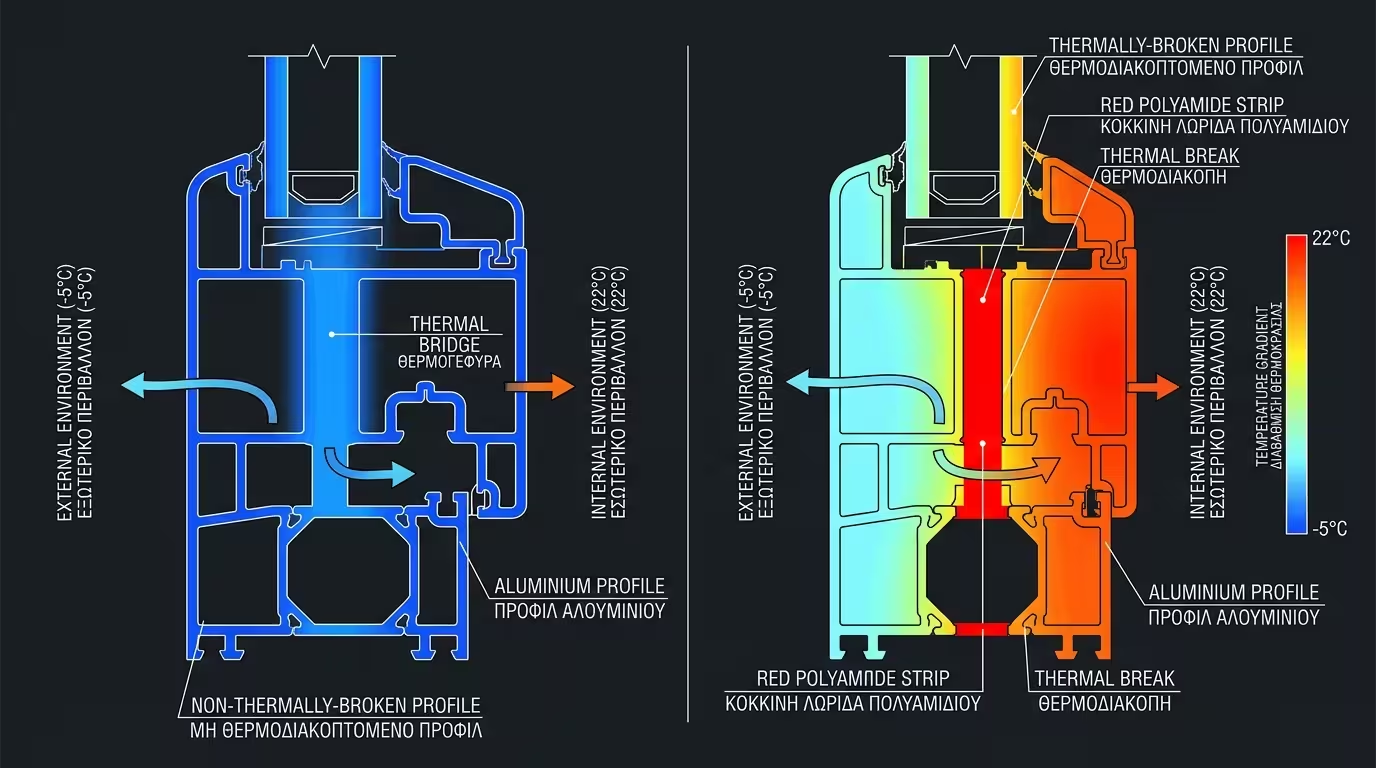
🧥 The Analogy
It's like wearing a heavy down jacket but going out in the snow barefoot. Heat doesn't escape through the jacket-glass, but it pours out through the feet-aluminium frame.
It's the most common question in the aluminium industry: "If the frame is in good condition, why spend thousands on a full replacement? Can't I just fit energy-efficient glass?" The answer is not a simple "yes" or "no" - in most cases, replacing only the glazing hides three technical traps that make the investment financially counterproductive.
Winter is coming, heating bills are soaring, and old windows with single glazing or basic double glazing from the 1990s are literally "leaky boats" in terms of insulation. The logical thought is: "If the aluminium hasn't rotted, why rip the whole thing out? Can't I just swap the glass?" Let's honestly examine the three core problems and the two scenarios where a glass-only upgrade genuinely makes sense.
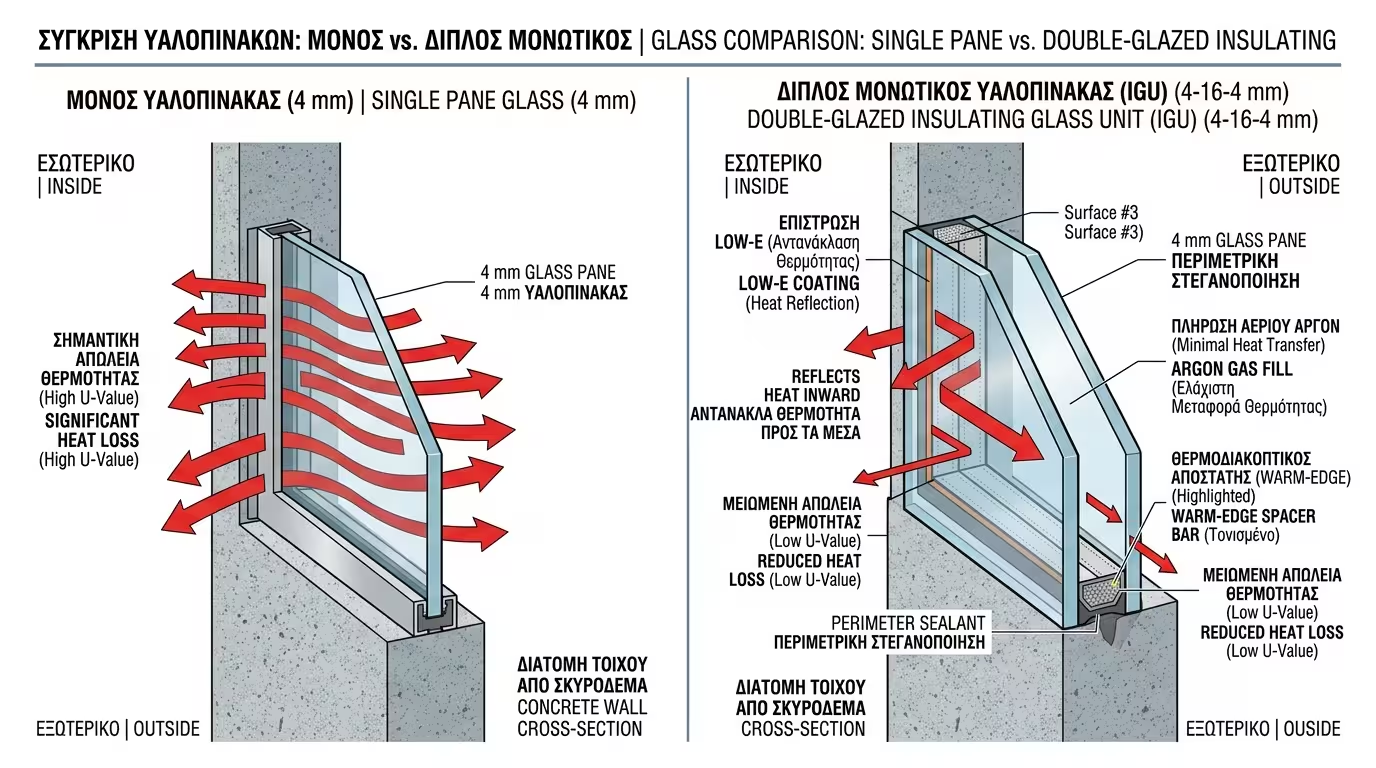
An old single-pane glass is just 4-5 mm thick. A basic double-glazed unit reaches 10-14 mm (two 4 mm panes, 6 mm gap). By contrast, a modern energy-efficient unit with Argon gas requires a gap of at least 14-16 mm, giving a total thickness of 22-24 mm.
Old aluminium profiles were designed for thin glass. Their rebate (groove) is narrow. To fit the thicker new unit, you need special, very thin glazing beads - spare parts that are often discontinued for aluminium series that are 25-30 years old. If no compatible beads are available, the upgrade is simply impossible. In many cases the fabricator spends days searching for parts that are no longer manufactured.
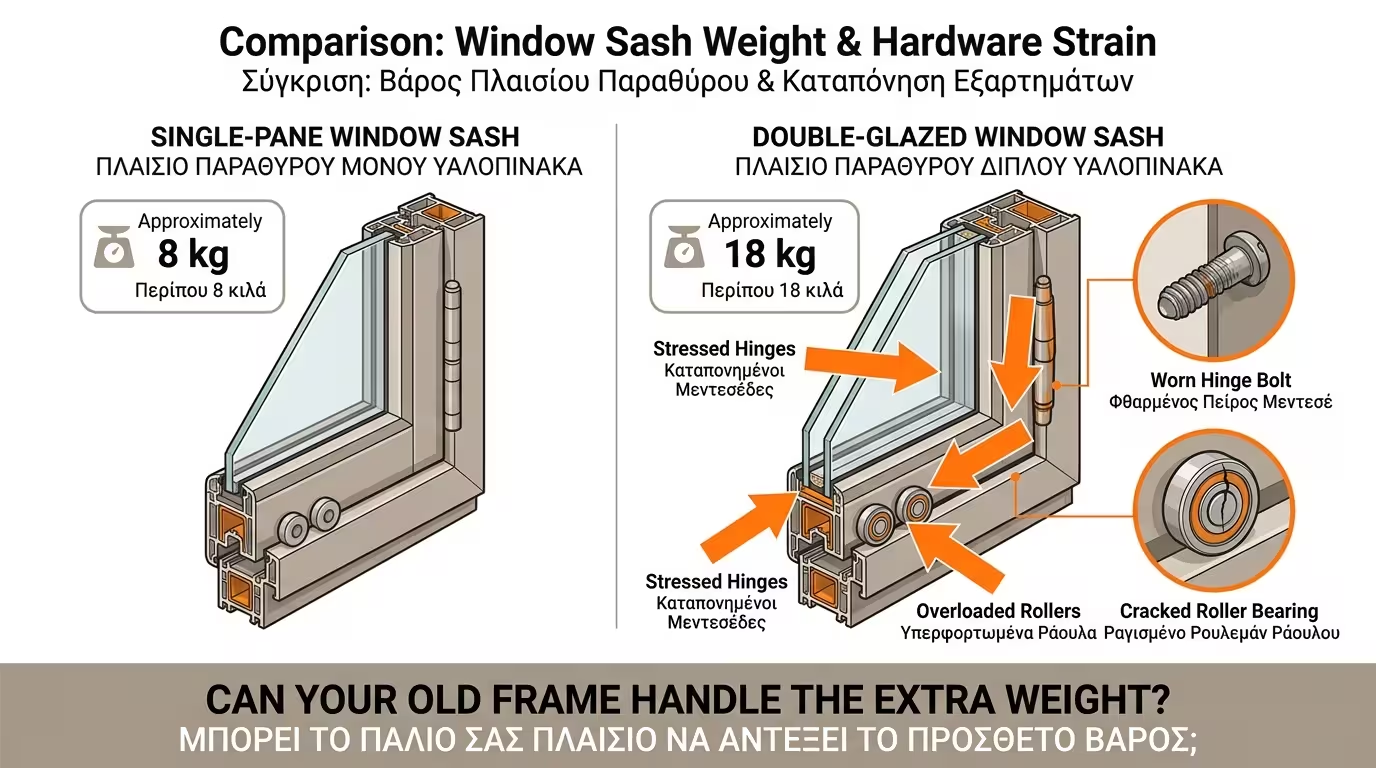
Let's assume the new glass fits. Here comes physics: a modern energy-efficient unit is significantly heavier than an old single or thin double pane. For example, an energy-efficient unit of 4+16+4 mm weighs around 20 kg per square metre. The old hinges and rollers were rated for a much lighter load.
If you suddenly load them with nearly double the weight: casement sashes will sag, scrape the floor and fail to lock; rollers on sliding doors will crack or melt, making the door immovable. The "easy fix" leads to a chain of repair costs - new hinges, lock realignment, roller replacement - that in total exceed a proper full replacement from the start. You end up paying twice for half the result.
Aluminium windows from the 1980s-90s are conventional (cold) profiles without a thermal break (polyamide insert). Aluminium is an excellent heat conductor. Even with the best energy-efficient glass, heat will escape through the metal itself. Aluminium's thermal conductivity is hundreds of times greater than PVC or timber, turning the entire frame into a massive thermal bridge.
It's like wearing a heavy down jacket but going out in the snow barefoot. Heat doesn't escape through the jacket-glass, but it pours out through the feet-aluminium frame.
The glass is warm, the aluminium is freezing - moisture condenses on the metal, creating severe dampness and black mould around the frame, damaging walls and seriously threatening the occupants' respiratory health over time.
It's not all bad news. There are two scenarios where a glass-only upgrade is an excellent value-for-money move:
1. Thermally broken aluminium (post 2005-2010): The profile can handle the weight, already has a thermal break, but only carries basic double glazing without Low-E coating. Upgrading to energy glass will dramatically improve the entire window's insulation performance.
2. PVC or timber frames: Wood and PVC are natural insulators. If you have older PVC or timber windows in good condition with basic glass, upgrading to energy glazing is 100% worthwhile - the frame already insulates properly on its own.
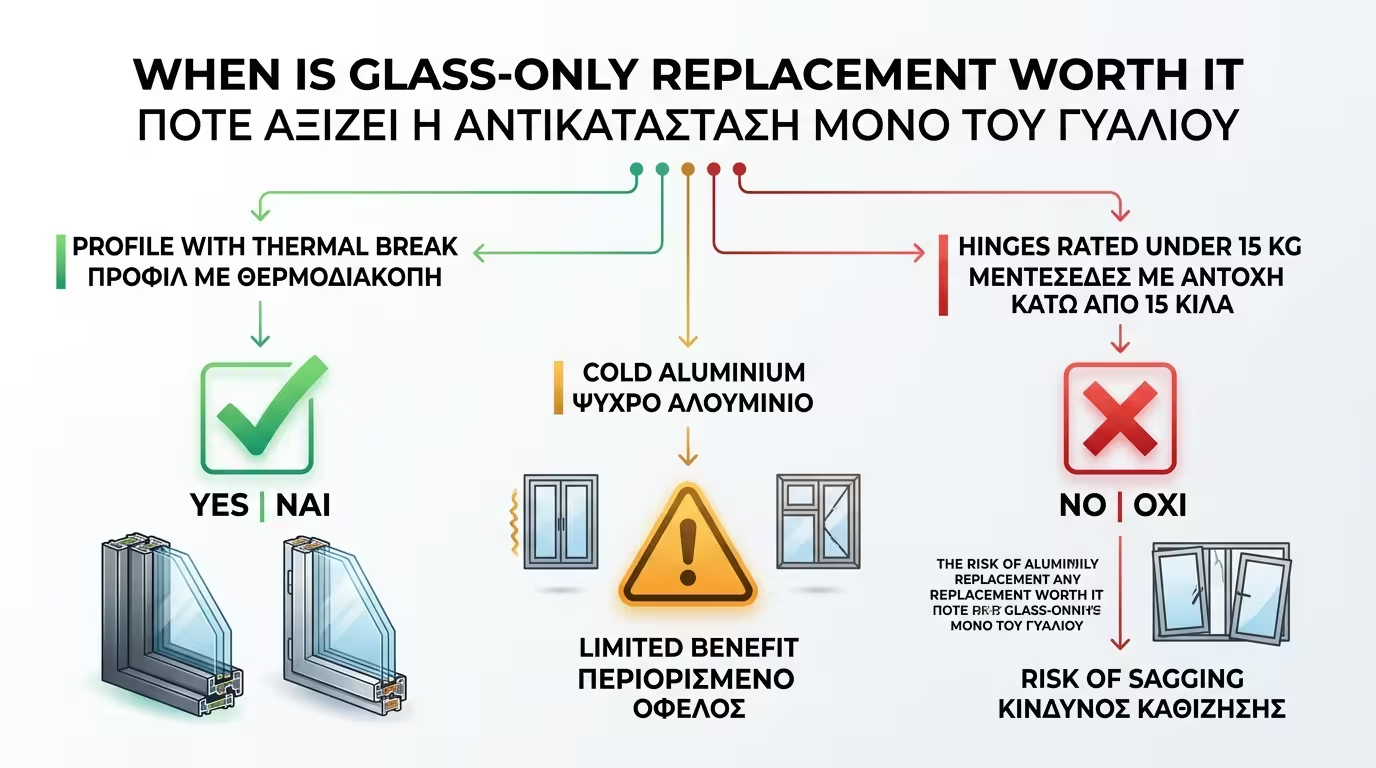
💡 Tip: If your aluminium frames are "cold" conventional profiles, don't waste your money. The cost of new glass, labour and hinge repairs comes to nearly half of a brand-new window without ever delivering the performance you dream of. Save your budget and go for a full replacement with modern thermally broken frames when the time is right - the difference in daily comfort will surprise you!
Return to category.
Go to categoryReturn to the central guide.
Go to guide