🔧 Sealing = Friction
"Sealing" is achieved through a brush seal on the side. Even when new, this brush creates enormous friction that makes the sashes heavy to operate.
Modern architecture loves light. Small windows have given way to enormous, seamless glass surfaces that unite the living room with the garden or veranda. It is no longer uncommon to see balcony doors with a sash 2.5 or 3 metres wide!
Imagine a massive glass wall weighing 300 kilograms. It seems impossible to move, right? And yet, a small child can slide it, smoothly and silently, with one hand. That is exactly what the Lift & Slide mechanism does.
If you are designing a home or looking for large glass balcony doors, this mechanism is worth every minute you invest in understanding it. In this article, we explain step-by-step how the "magic" works and why Lift & Slide systems are considered the "Rolls Royce" of windows.
The old sliding aluminium windows (still found in millions of Greek homes) work on a simple principle: the sash sits on small plastic rollers and slides along a track.
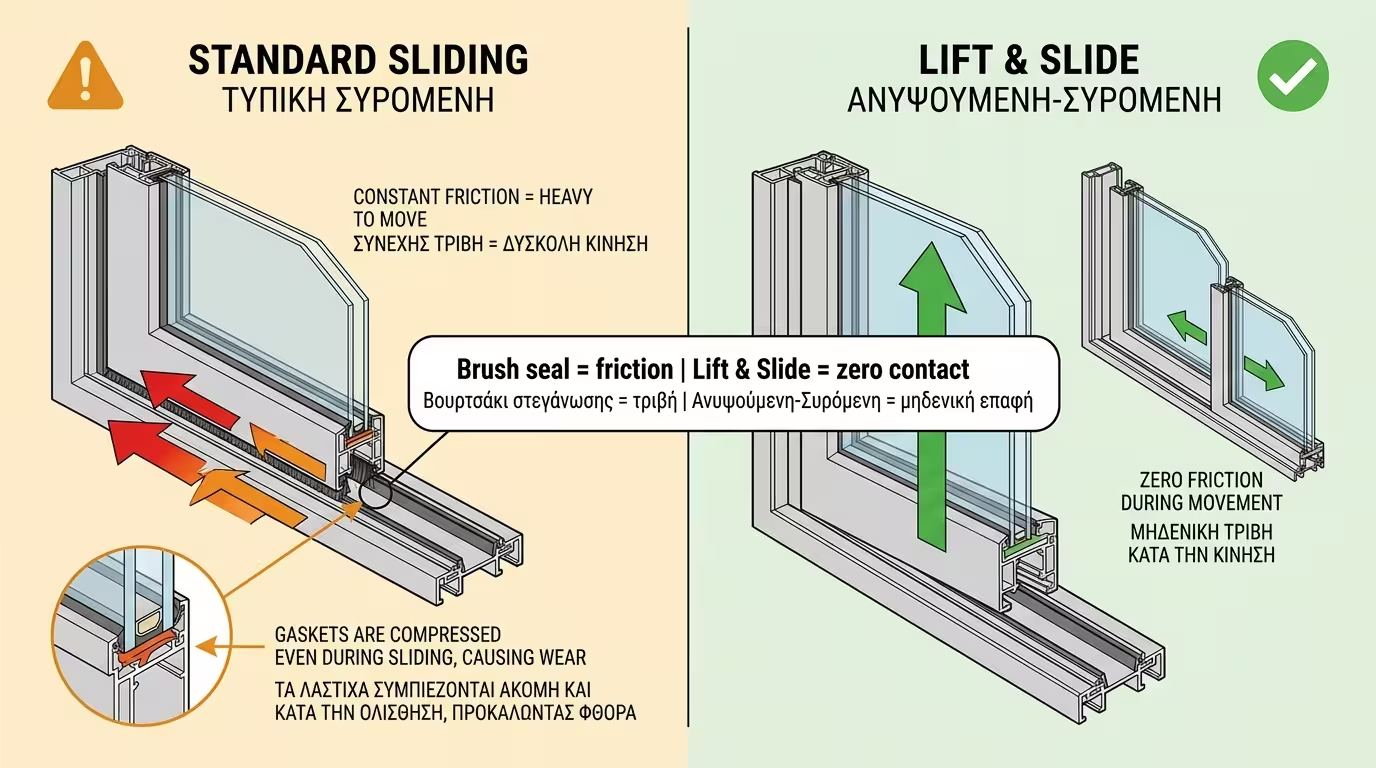
"Sealing" is achieved through a brush seal on the side. Even when new, this brush creates enormous friction that makes the sashes heavy to operate.
After years of use, the rollers wear out, the brush deforms, and air and dust pass through freely. Insulation has always been the "Achilles' heel" of these windows.
They cannot carry heavy triple energy glass. They are limited to small dimensions and single glazing.
The Lift & Slide mechanism radically overcomes the limitations of standard sliding windows. Its operation is divided into two phases.
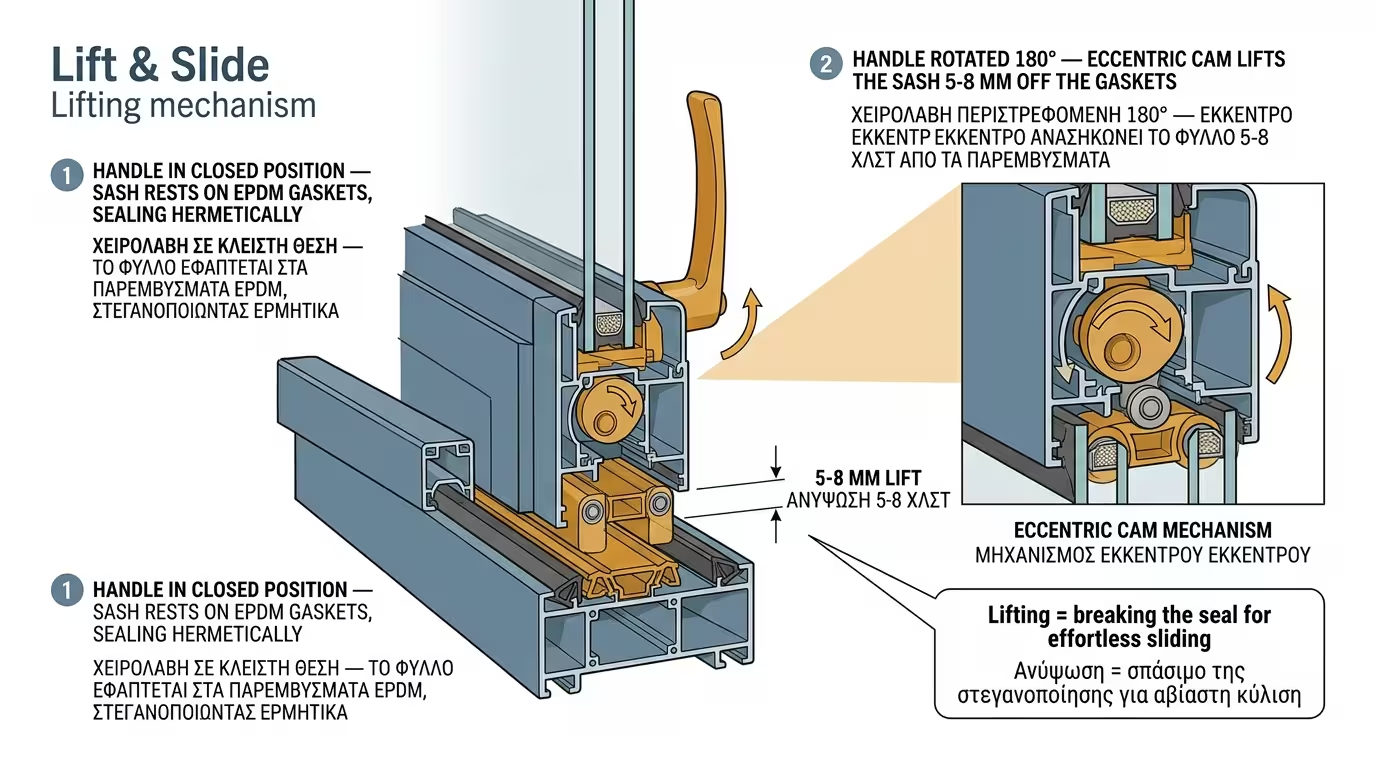
You'll notice the handle on Lift & Slide doors is unusually long. This is not a coincidence: it works as an enormous lever that multiplies your hand's force.
When the door is locked (handle upward), the sash "descends" and presses with its full weight onto the thick EPDM gaskets. The door doesn't budge a millimetre - it brakes against the rubber, not on wheels.
You turn the handle 180 degrees. A heavy-duty hidden gear train pushes the rollers downward, and as a reaction the entire door lifts 5–8 mm into the air! This lift fully disengages the sash from the perimeter gaskets.
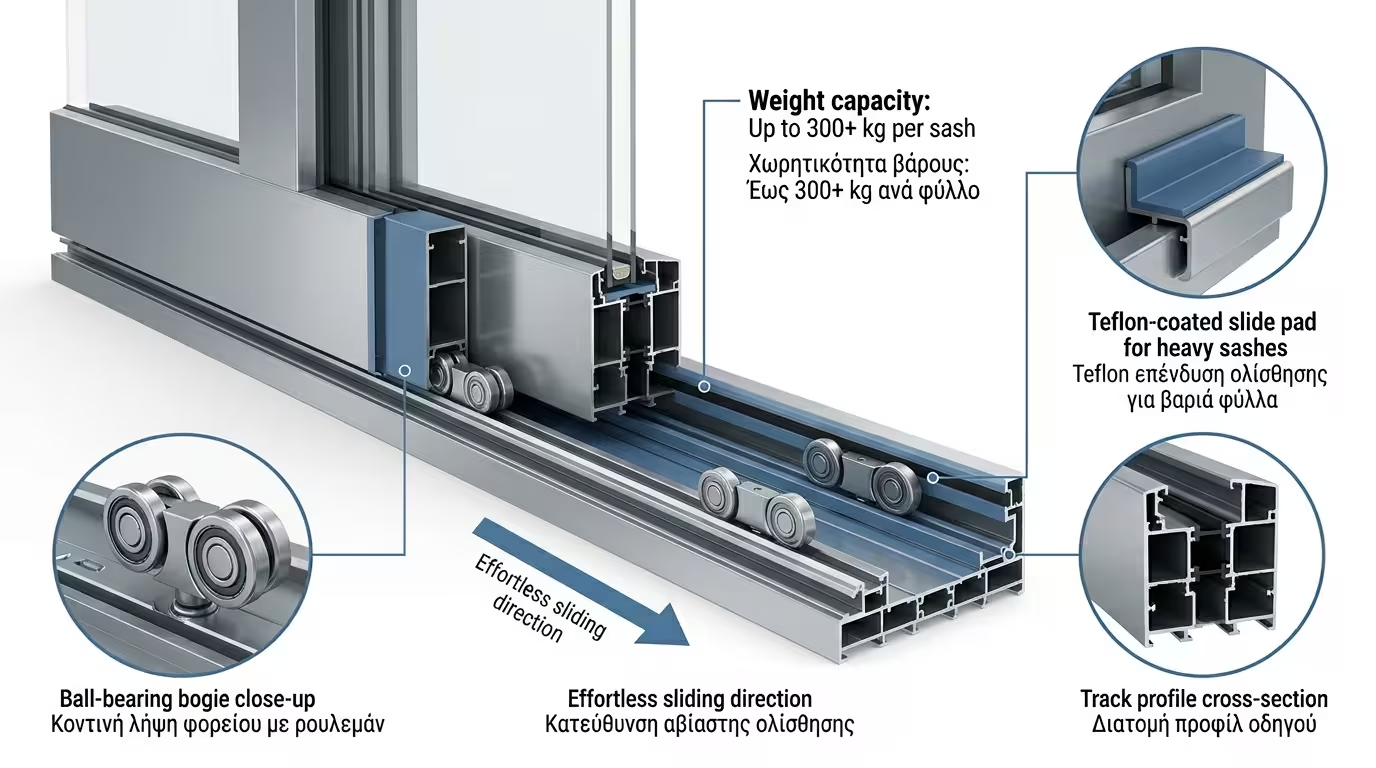
Once lifted, the sash "stands" only on heavy-duty bogies with Teflon or steel bearings. These rollers glide along a stainless steel track. The friction is so low that even a 300+ kg sash moves effortlessly with just your index finger!
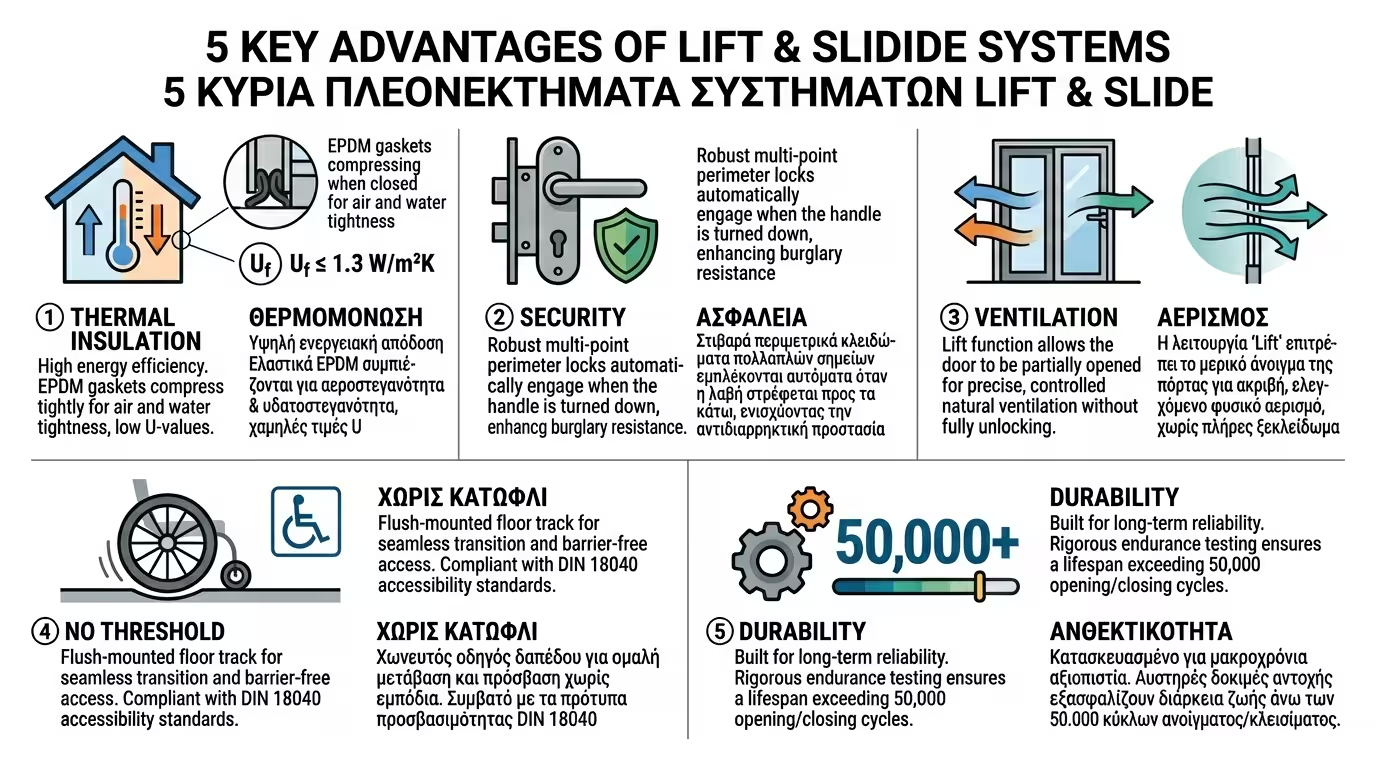
Why is the Lift & Slide mechanism considered the top choice for large openings? Here are the key advantages.
It can accommodate sashes up to 3 metres tall and 3 metres wide, creating glass walls that erase the boundary between indoors and outdoors.
When you close, the sash drops back onto the EPDM gaskets - airtightness is equivalent to a casement window, something unthinkable for a standard slider.
In the closed position, the mechanism locks perimetrically (like a casement), offering anti-burglary protection. You can open the door by 10 cm, turn the handle back up and the door "drops" and locks in that position - nobody can move it.
The rollers bear weight only when the door is being moved (not during months of being closed), so wear and tear is minimal.
It features an optional flush threshold (recessed track) - ideal for accessibility, the elderly, or homes with small children.
If your budget allows and your home's architecture calls for large openings, the Lift & Slide mechanism transforms a simple window into an engineering marvel.
The simplicity, smoothness and airtightness of the mechanism make you wonder how we tolerated standard sliders for so many years.
The value of a Lift & Slide shows not just in aesthetics. It shows in energy savings, silence even next to a road, long-term durability, and the joy of your child opening a 300 kg door by themselves.
💡 Tip: Ask your manufacturer for a Lift & Slide mechanism demo in the showroom. Turn the handle, feel the lift, slide the sash. The experience speaks for itself!
Return to category.
Go to categoryReturn to the central guide.
Go to guide