
Functionality, Security & Maintenance
Return to category.
Go to categoryIt's a perfectly natural reaction: when something breaks, our first thought is to fix it, not replace it. When your old window starts letting in draughts or the handle sticks, calling a technician for a €100 repair seems far more appealing than a full €1,000 replacement. Especially in pre-2000 homes, this dilemma comes up almost every single year.
Repair is indeed the smart choice if you have a relatively modern window that simply needs a little maintenance. But what if your windows are already 30 years old? Constantly paying technicians to apply silicone and swap rollers is like putting a plaster on a burst pipe. Let's look at the 5 clear signs that repair is simply throwing money away and it's time to move to full replacement - and why the maths of delaying costs you far more than you might think.
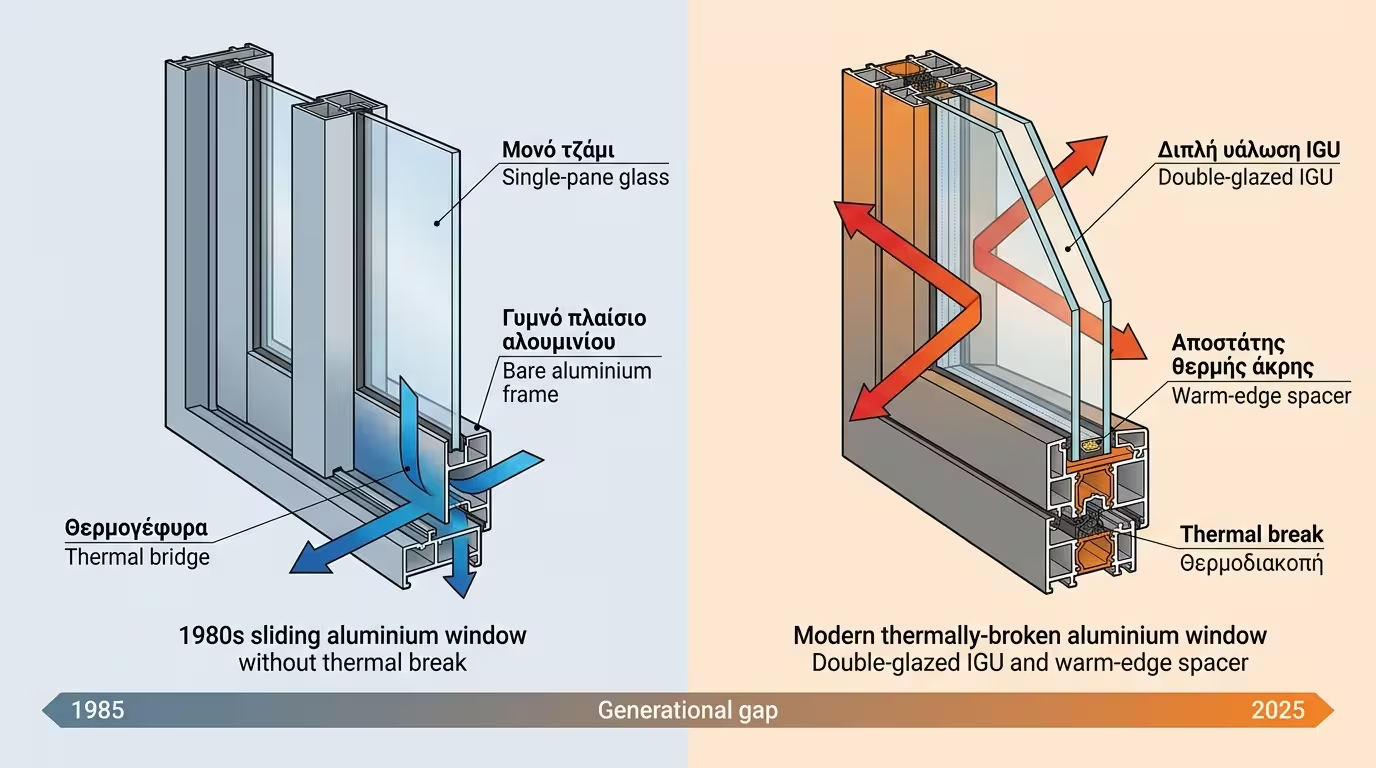
If your windows are the classic 1980s-90s sliding aluminium type without thermal break and single pane glass, don't spend a single euro on repairs. No matter how many new brush seals a technician fits or how many locks they replace, the "heart" of the problem remains: the overall U-value stays tragically high.
The bare metal itself freezes in winter, conducting cold straight into your home, and single glass holds no temperature whatsoever. Upgrading to modern thermally-broken frames with double-glazed IGUs isn't just an improvement - it's a transition to an entirely different era of comfort and energy efficiency. You'll notice the difference on your heating bills from the very first winter.
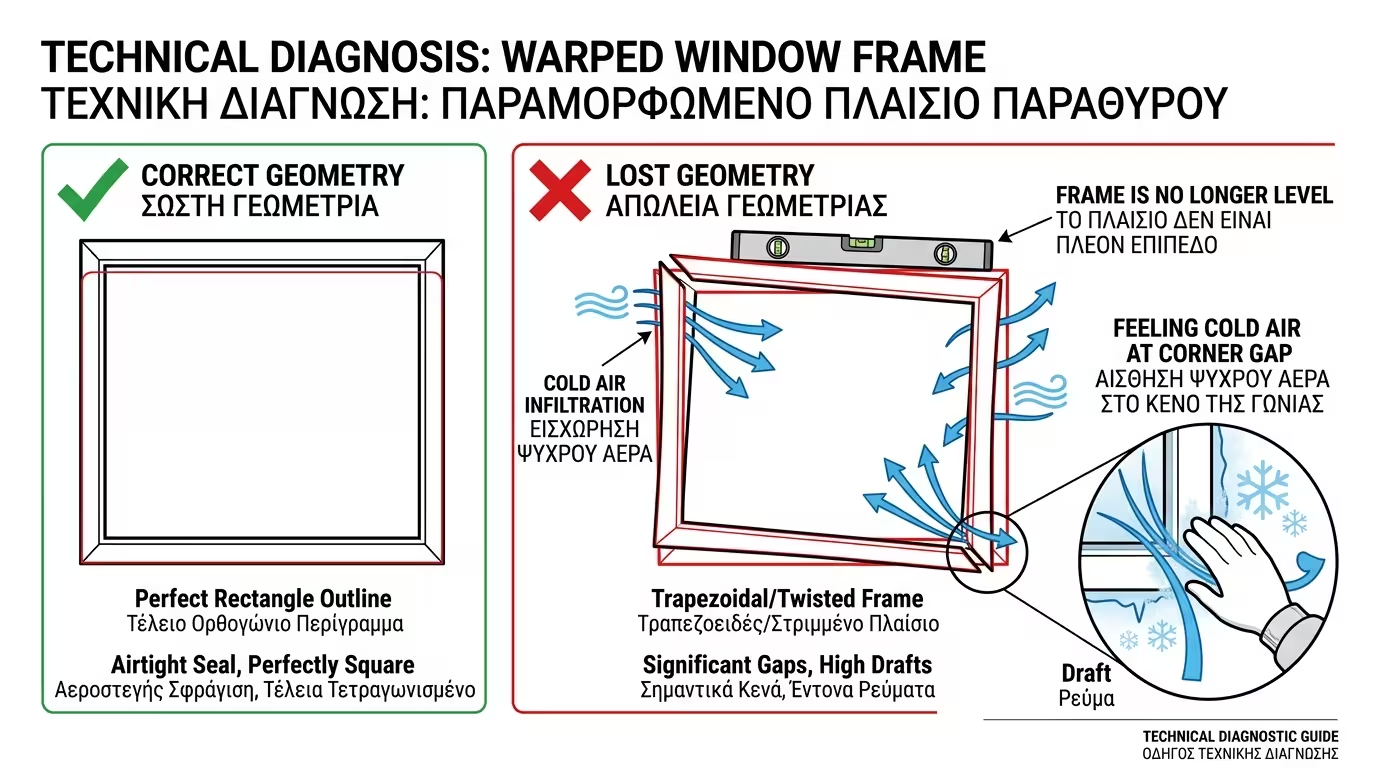
A window must be a perfect rectangle to seal properly. Over decades, building weight, earthquakes, and extreme temperatures can "deform" the fixed frame built into the wall - especially old timber frames and poor-quality aluminium profiles. The frame that was once perfectly square has slowly become trapezoidal.
How to spot it: The sash catches at the top or bottom when you try to close it. Place your hand at one corner and you'll feel air flowing freely. Why it can't be fixed: No new gasket can fill an irregular gap. The frame has lost its geometry - the only solution is complete replacement of both frame and sash together. The fresh opening will accept the new frame properly, ensuring an airtight seal.
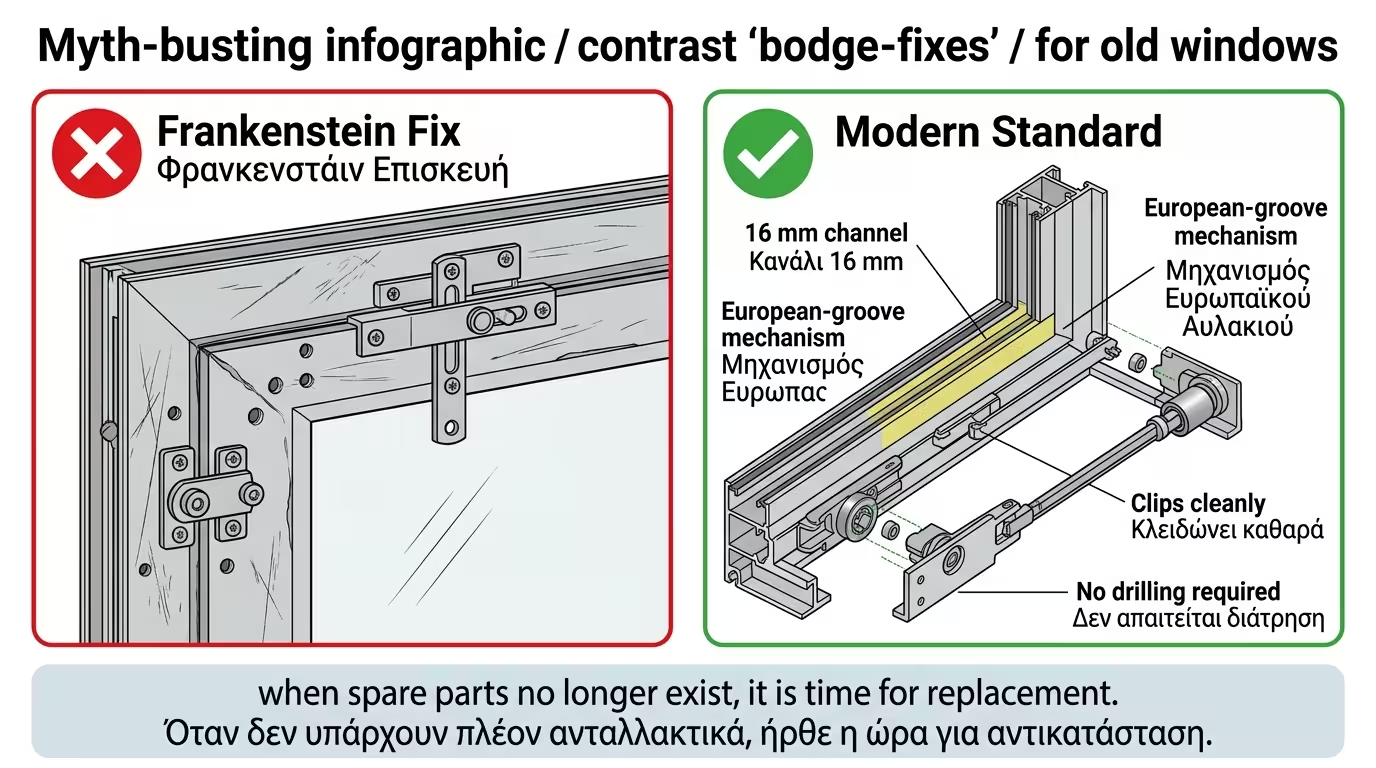
Your lock has failed or a hinge has snapped. The technician says: "That company closed 15 years ago - the model has been discontinued." Then the "bodging" begins: they drill new holes in the aluminium to fit a mechanism from a different brand. This weakens the profile and usually results in a window that never closes "sweetly" again.
When bodge fixes start because spare parts no longer exist, the end is near. Each new modification takes your window one step further from correct operation. Modern windows use standardised mechanisms (European groove) with full spare-part availability for decades after installation. This standardisation is one of the greatest advantages of modern window systems.
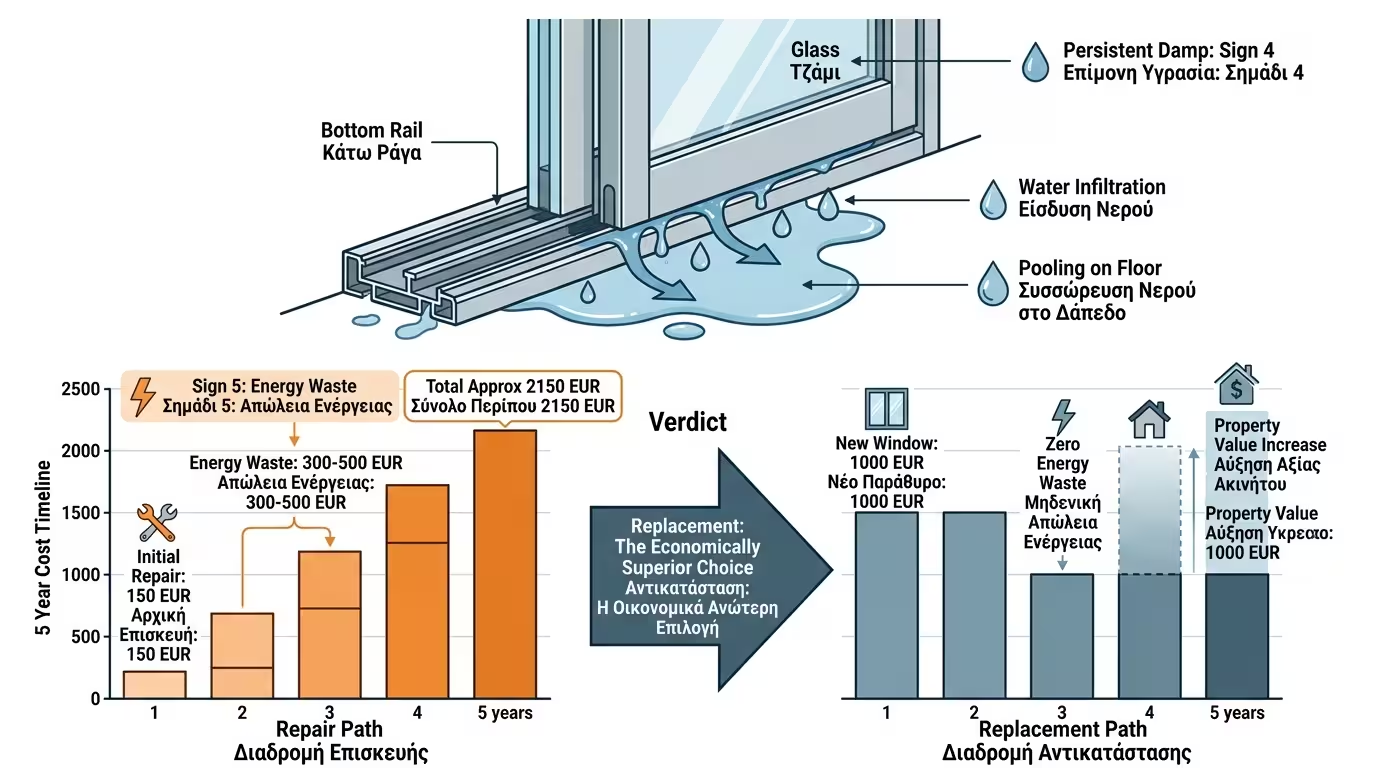
Sign 4: After every heavy rain you find a pool of water on the floor. You've already cleaned the drain holes, applied fresh external silicone, but the water keeps coming in. The problem lies deep inside the profile or under the track. The cost of full disassembly and re-sealing (with no guarantee of success) dangerously approaches the cost of a brand-new window.
Sign 5: The "invisible" damage. You pay €150 to replace rollers on a non-energy-efficient aluminium frame. It slides nicely now - but it costs you €300-500 extra per year in heating. Over 5 years: €150 repair + €2,000 in wasted energy. With that money you could have already bought a brand-new premium energy-efficient window that also raises your property value! The "savings" of repair turn into a steady haemorrhage of money over time.
💡 The rule: If you recognise 2 or more of these signs, stop patching. Call a certified manufacturer, request a quote for new energy-efficient windows, and take advantage of subsidy programmes that dramatically reduce the cost of replacement.
Return to category.
Go to categoryReturn to the central guide.
Go to guide