🧹 Vacuuming
Use a vacuum cleaner with the narrow crevice nozzle to remove all debris from the bottom track. Wipe with a damp cloth and a little mild dish soap, then dry thoroughly.
Modern aluminium and PVC windows "need no maintenance" - but that is only half the truth. The profiles will not rot, true. However, a window is a machine: gears, hinges, rubber seals and drainage channels. It deserves 1–2 inspections per year - ideally every autumn and spring.
The good news? You don't need a technician. You can do everything yourself in a single weekend, following this simple 3-step guide: clean, lubricate, check the gaskets.
The biggest issue, especially with sliding windows, is dirt build-up in the aluminium tracks. Dust, pollen, pet hair and dead insects clog the rail and make sliding increasingly difficult over time.
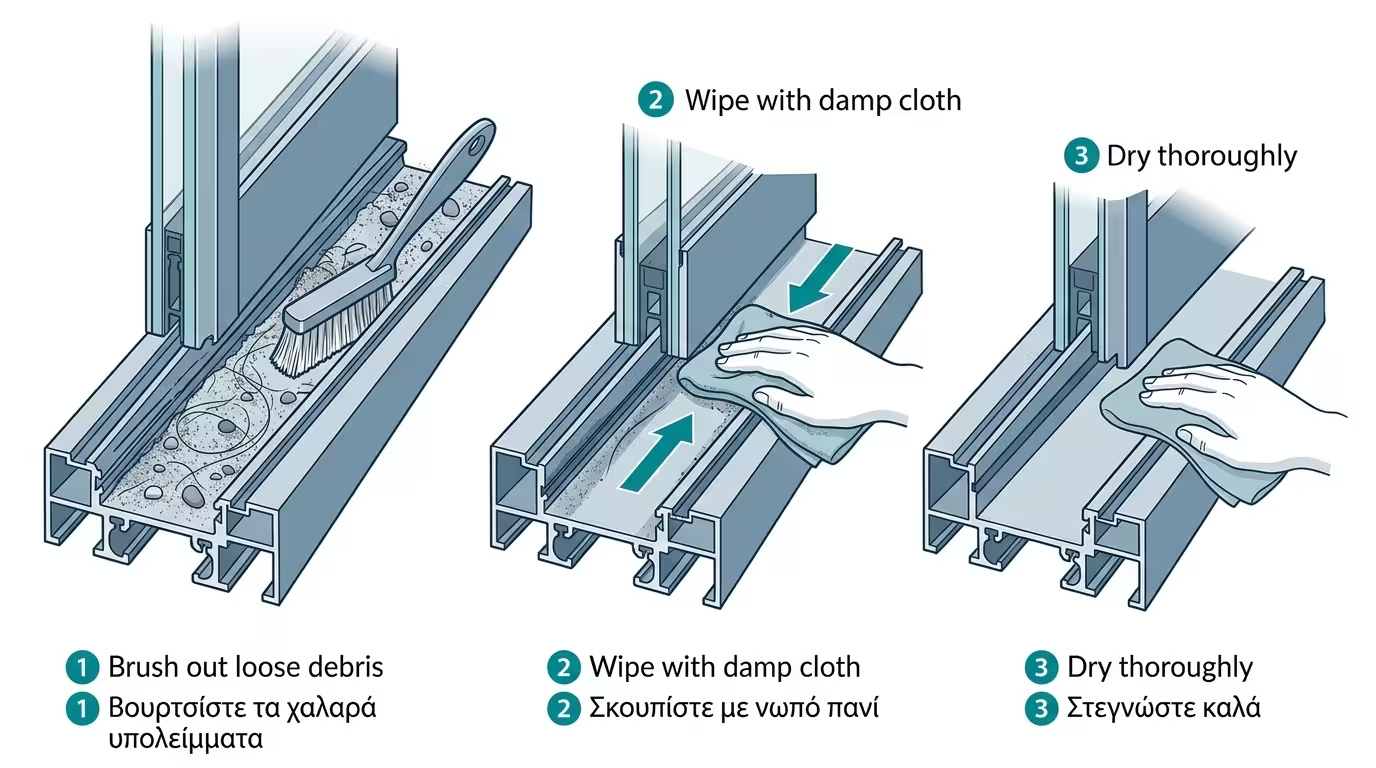
Use a vacuum cleaner with the narrow crevice nozzle to remove all debris from the bottom track. Wipe with a damp cloth and a little mild dish soap, then dry thoroughly.
At the bottom of the frame you will find small drainage slots. If they are blocked with dried mud, rainwater pools inside and seeps into the house. Clear them with a soft wire or straw.
Every autumn (before the first rains) and every spring (after the pollen season). The job takes no more than 30 minutes per window.
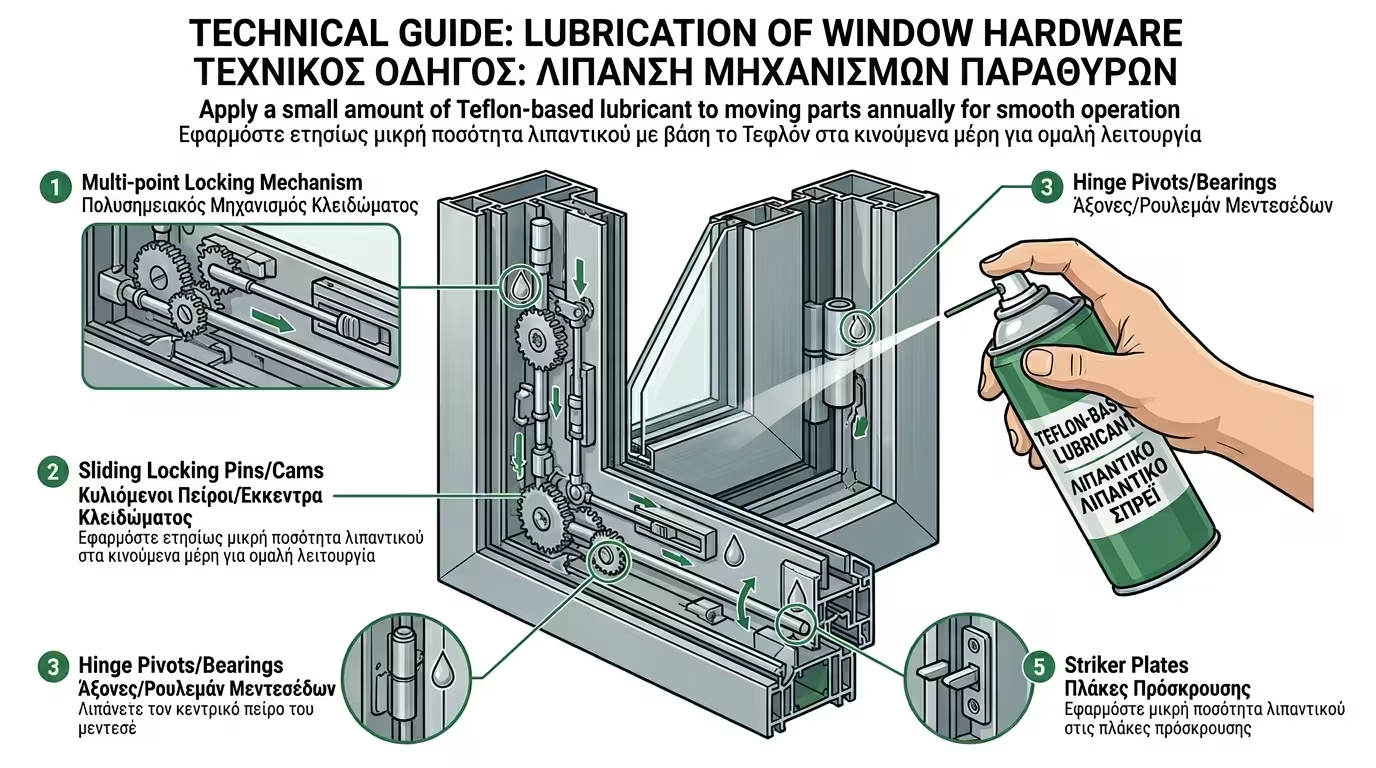
The perimeter locking mechanism endures immense stress. Metal-on-metal friction without lubrication leads to wear, corrosion and ultimately mechanism failure.
Open the window and apply 1–2 drops to every hinge, mushroom cam, security keep and the handle spindle. Open and close the handle 3–4 times to spread the oil evenly.
Never WD-40 (classic anti-rust spray) or thick grease! They attract dust, dry out and form a sticky "glue" that destroys the mechanism over time.
Light sewing-machine oil or (even better) a dry PTFE / silicone spray. They lubricate perfectly without attracting dirt. Wipe off any excess.
The bottom track of a sliding window acts like a "sink." Small holes at the lowest point let water flow outside. If they are clogged with dirt and pollen, rainwater pools - risking moisture damage.
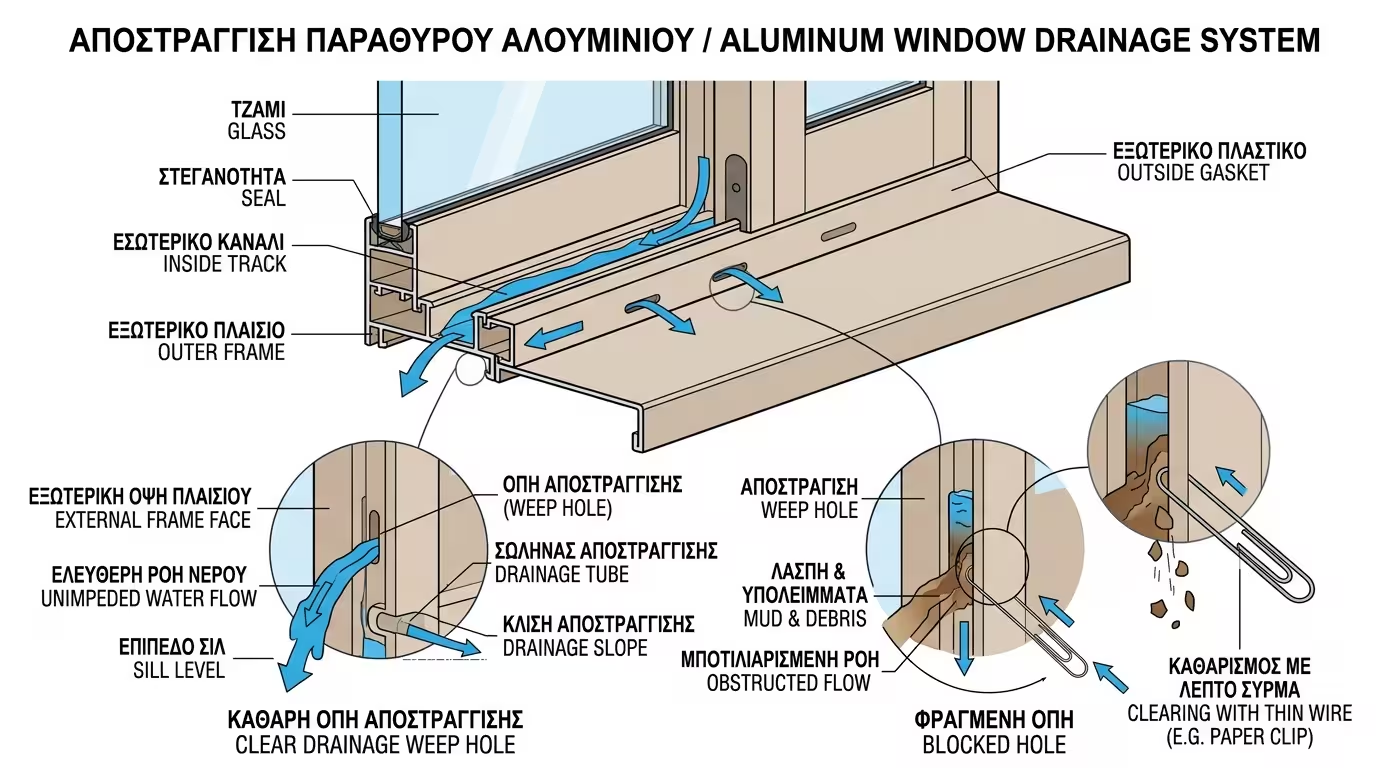
Step outside onto the balcony and look at the base of the frame - you will find plastic caps (drain covers). Remove them carefully by hand.
Straighten a paper clip, use a kebab skewer or a cable tie. Push it gently through the hole from outside to break up the mud "plug."
Pour a glass of water into the track from inside. It should flow freely outside. Refit the caps - they act as one-way valves against wind-driven rain.
The black rubber strips (EPDM) running around the sash and frame are what keep cold air out in winter. Over time, UV exposure dries them out - they shrink, harden and eventually crack at the corners, the weakest point of every gasket.
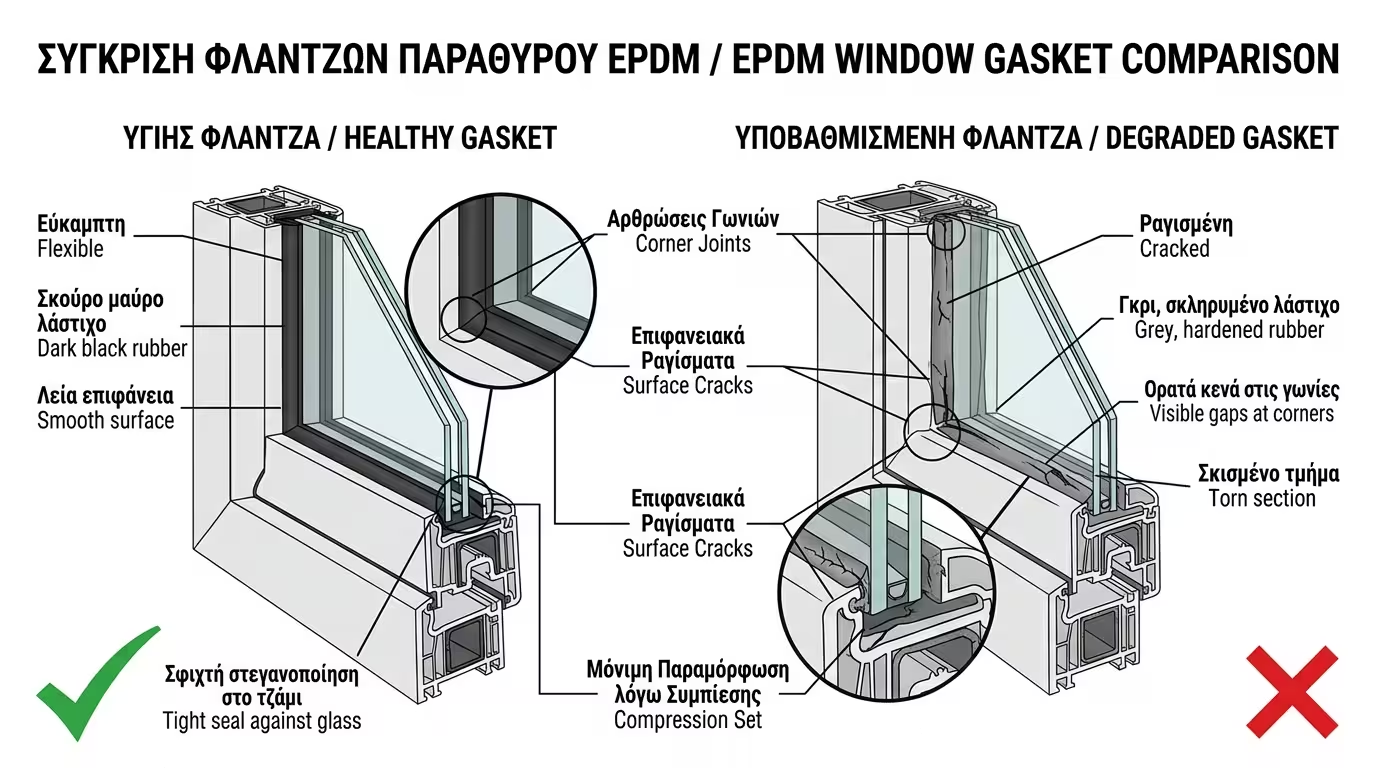
Wipe the gaskets with a damp cloth. Accumulated dust acts like sandpaper every time you close the window.
If they feel hard like plastic or are split at the corners, take note. Gasket replacement is a very affordable repair.
Spray silicone onto a cloth (never directly!) and "massage" the gaskets. This keeps them supple for years - under €5 covers every window in the house.
💡 Tip: 30 minutes of work on a Sunday morning, once or twice a year, is all it takes to keep your windows running like new - and to avoid costly mechanism repairs down the line.
Return to category.
Go to categoryReturn to the central guide.
Go to guide