
Functionality, Security & Maintenance
Return to category.
Go to categoryIt's the most classic complaint call every November: "I paid a fortune for energy-efficient windows and every morning the glass is dripping wet. Water pools on the floor and the surrounding wall has developed black mould. You fitted faulty windows!" This scenario repeats itself in thousands of homes across Greece every single winter.
The sight of "crying" windows is certainly disheartening. But the truth is the exact opposite of what you think. The fact that your new windows sweat doesn't mean they're defective - it means they're doing their job perfectly. Let's explore the simple physics behind this phenomenon and how to stop it by changing a few everyday habits around the house, especially in the way you ventilate and heat your home.
Think about what happens in summer when you take a freezing cold bottle out of the fridge: within minutes, the outside is covered in water droplets. The bottle isn't leaking! The warm air touching the cold surface cools and can no longer hold its moisture, which turns into liquid water on the surface - exactly the same physics as what happens on your windows. This is called the Dew Point and it is a completely natural phenomenon.
The air inside your home always contains moisture. A family of four produces an astonishing 10-15 litres of water (as vapour) every single day through breathing and perspiration (especially while sleeping), cooking (boiling water), showering and drying clothes on indoor radiators. When this warm, moist air meets the cold surface of your window glass, condenses on contact - and your windows "sweat."

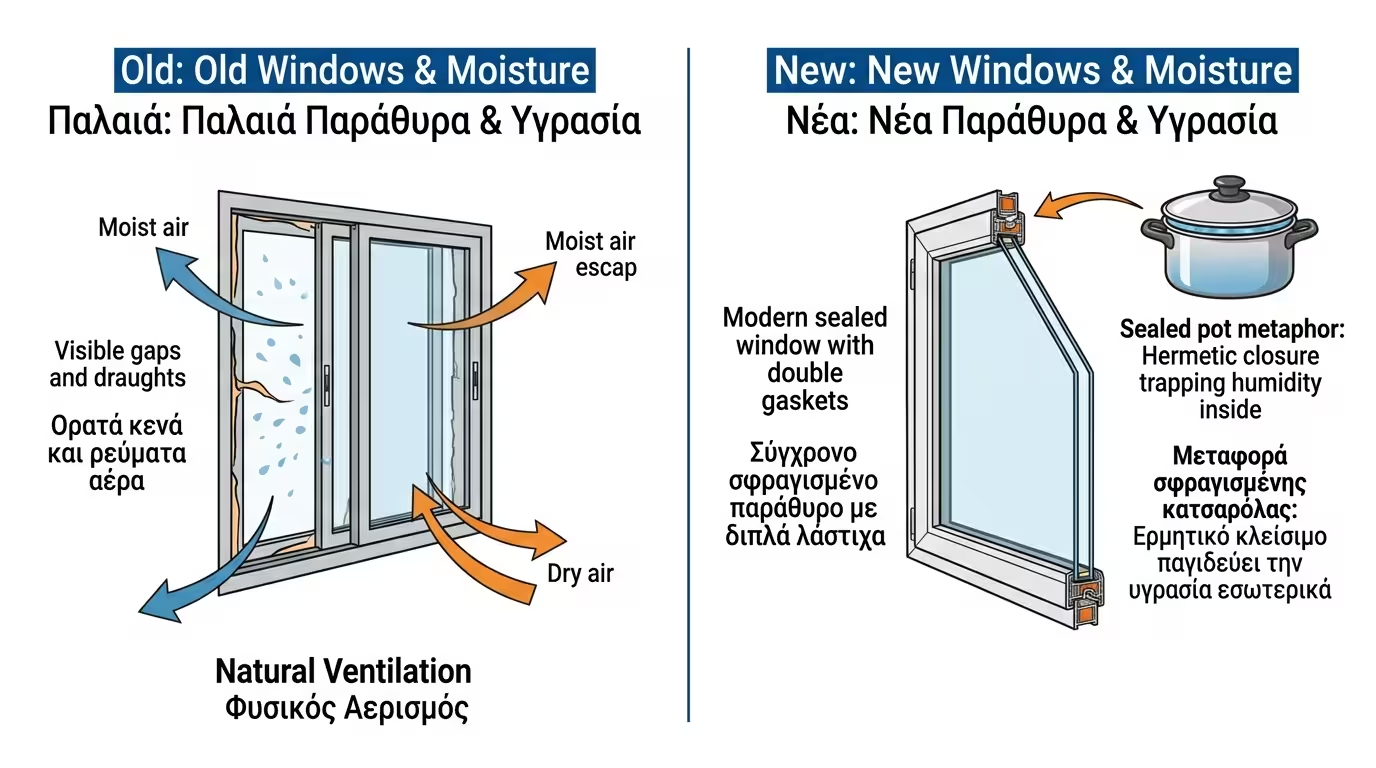
"With my old aluminium windows I never had this problem. Now I've fitted expensive new ones, why is this happening?" The answer: your old windows leaked. There was a constant, natural (but unwanted) ventilation through cracks and gaps. Moist air escaped outside and dry, cold air flowed in. Your home never had time to build up moisture - but at the same time, it wasted enormous amounts of energy on heating.
Modern energy-efficient windows with double seals seal your home hermetically - like a pot with a tight-fitting lid. The heat stays in (saving energy), but so does the moisture. If it finds no escape, it settles on the coldest surface in the room - usually the glass or the corners of external walls, causing mould, damp and potential health problems for residents.
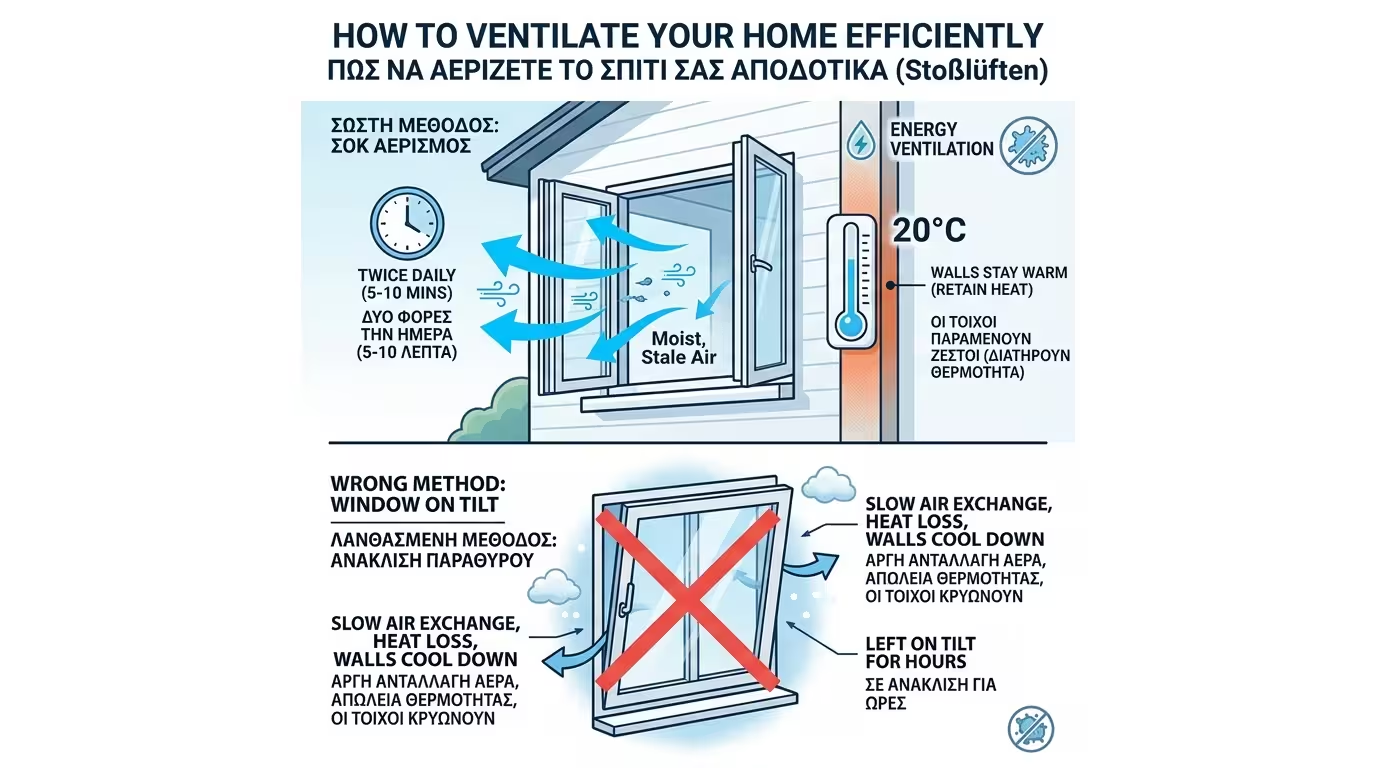
1. Shock Ventilation: Open your windows wide for 5-10 minutes, twice a day. The moist air exits immediately, but the walls stay warm. Don't leave windows on tilt for hours - it cools the walls and wastes heating energy without properly exchanging the air. This method is based on the German “Stoßlüften” model and is widely used across Central Europe.
2. Cut moisture at the source: Always run the extractor fan when cooking. Open the bathroom window for 10 minutes after showering. Golden rule: never dry wet laundry on radiators or indoor airers - all that water goes straight onto your windows. Also, close the kitchen door when cooking to stop moisture spreading to other rooms.
3. Maintain steady heating: Keep 19-21°C instead of letting the house freeze and reheating sharply. Maintaining a steady temperature keeps your walls and glass warm, preventing vapour from condensing on them. 4. Dehumidifier: The most effective long-term solution - it "extracts" litres of water from the air, windows stay dry, black mould disappears, and the house heats up faster (dry air warms more easily than humid air). Aim for a relative indoor humidity below 55% for optimal comfort.
Sweaty windows are simply your home's "alarm system" warning you that indoor humidity has hit the red zone. By changing your ventilation habits and controlling moisture, your new energy-efficient windows will deliver exactly what you paid for: warmth, quiet, and a healthy mould-free living environment! If the problem persists despite ventilation, check whether your home has poor external insulation or rising damp from the ground.
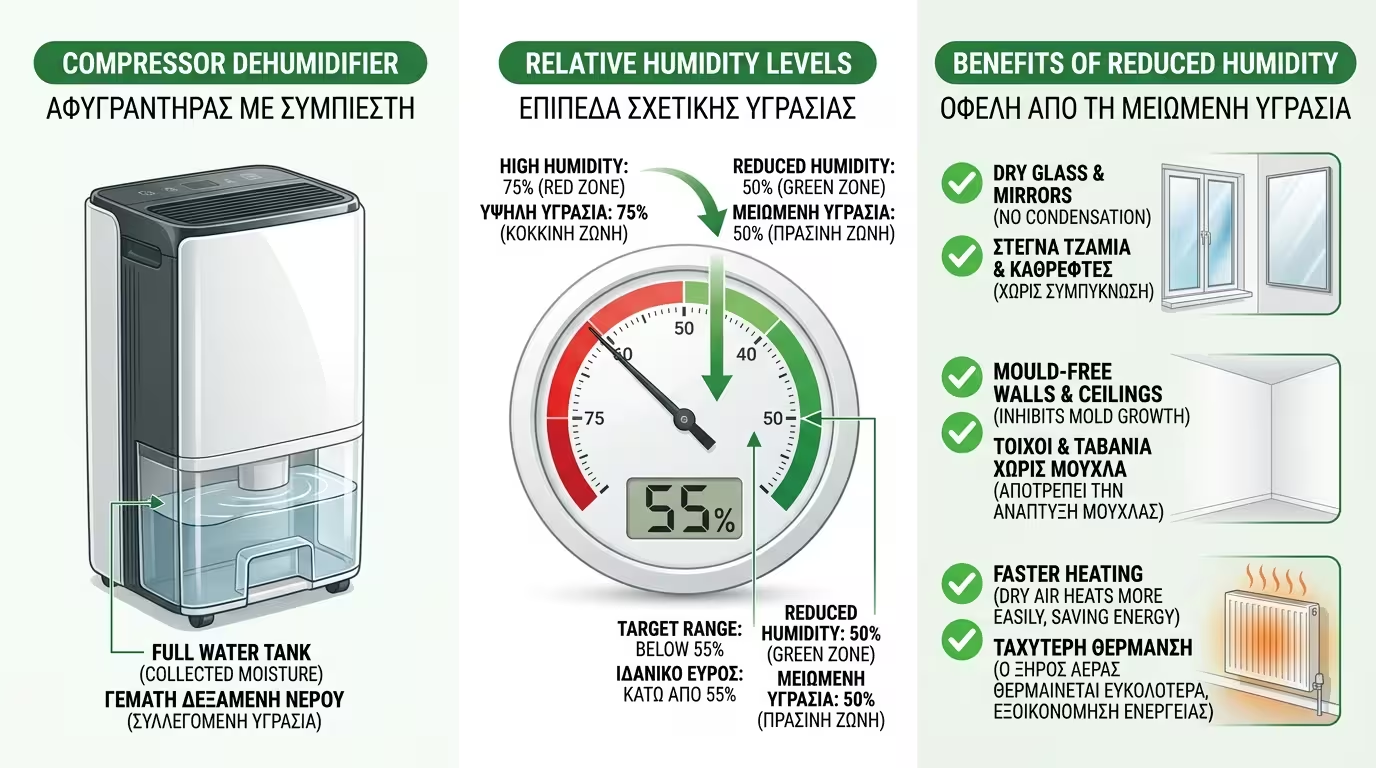
💡 Remember: If your windows are dripping, it's not the windows' fault - it's the humidity. Shock ventilation + extractor fans + a dehumidifier = dry glass and a healthy home!
Return to category.
Go to categoryReturn to the central guide.
Go to guide