✅ Advantages
They are extremely durable, tried and tested for decades, easy to install and included in the standard specification of most windows, keeping costs low.
If you look at the homes featured in modern architectural magazines, you'll notice a common pattern: absolute minimalism. The trend demands huge glass surfaces, ultra-slim aluminium profiles and perfectly "clean" lines, with nothing protruding.
However, to open a window you need hinges. In traditional windows, hinges are bulky metal fittings that protrude at the frame corners, "breaking" the clean aesthetic.
Here comes the answer from modern engineering: Concealed Hinges. Let's see exactly what they are, how they compare with classic visible hinges, and let's debunk the biggest myth surrounding them: load-bearing capacity.
This is the hinge type we all know. They are screwed externally (or internally for inward-opening sashes) and join the sash to the frame.
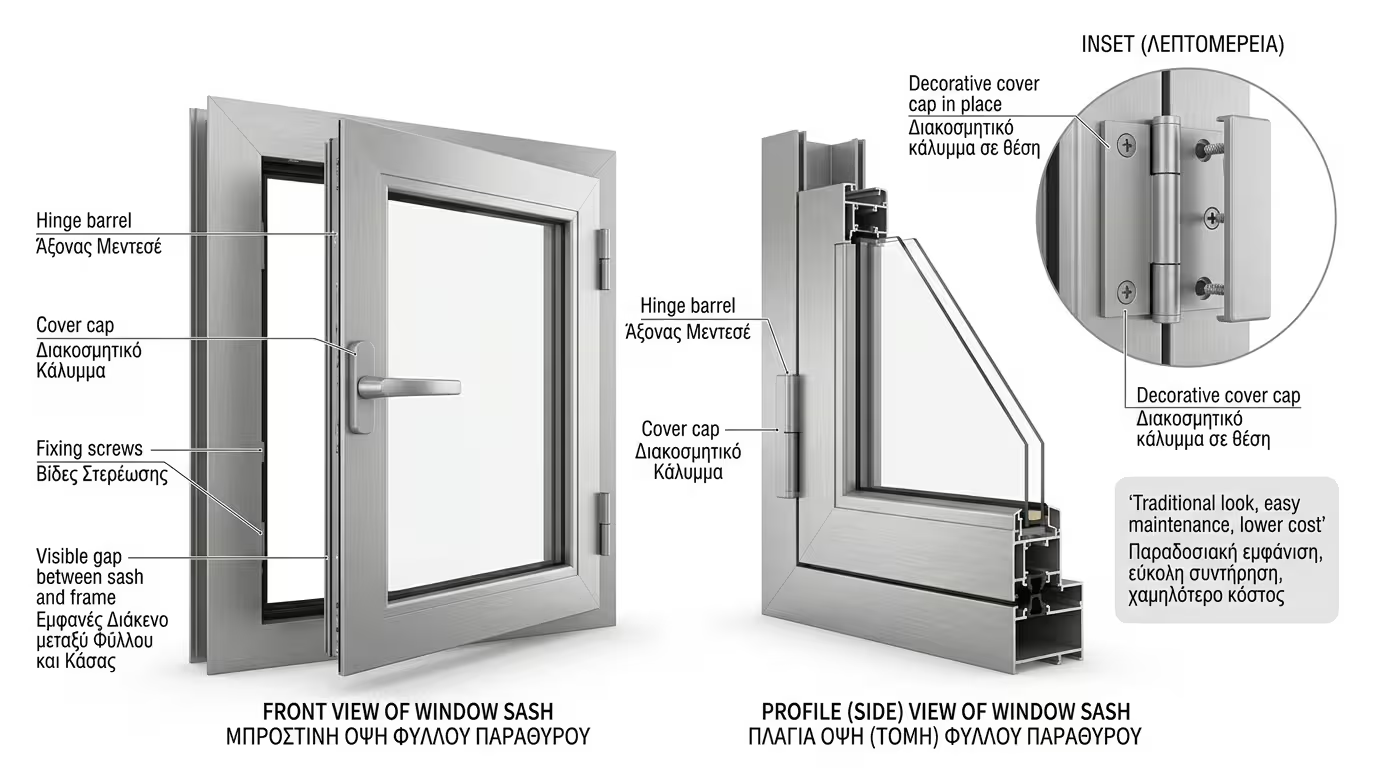
They are extremely durable, tried and tested for decades, easy to install and included in the standard specification of most windows, keeping costs low.
They protrude visually. To match the aluminium colour, they are usually covered with plastic caps. Over the years and with sun exposure, these plastic caps can yellow, crack or fall off, leaving the bare metal mechanism exposed.
They collect dust on top that is hard to clean due to their geometry.
In concealed-hinge systems, the entire pivot mechanism has been relocated inside the gap (joint) formed between the sash and the frame.
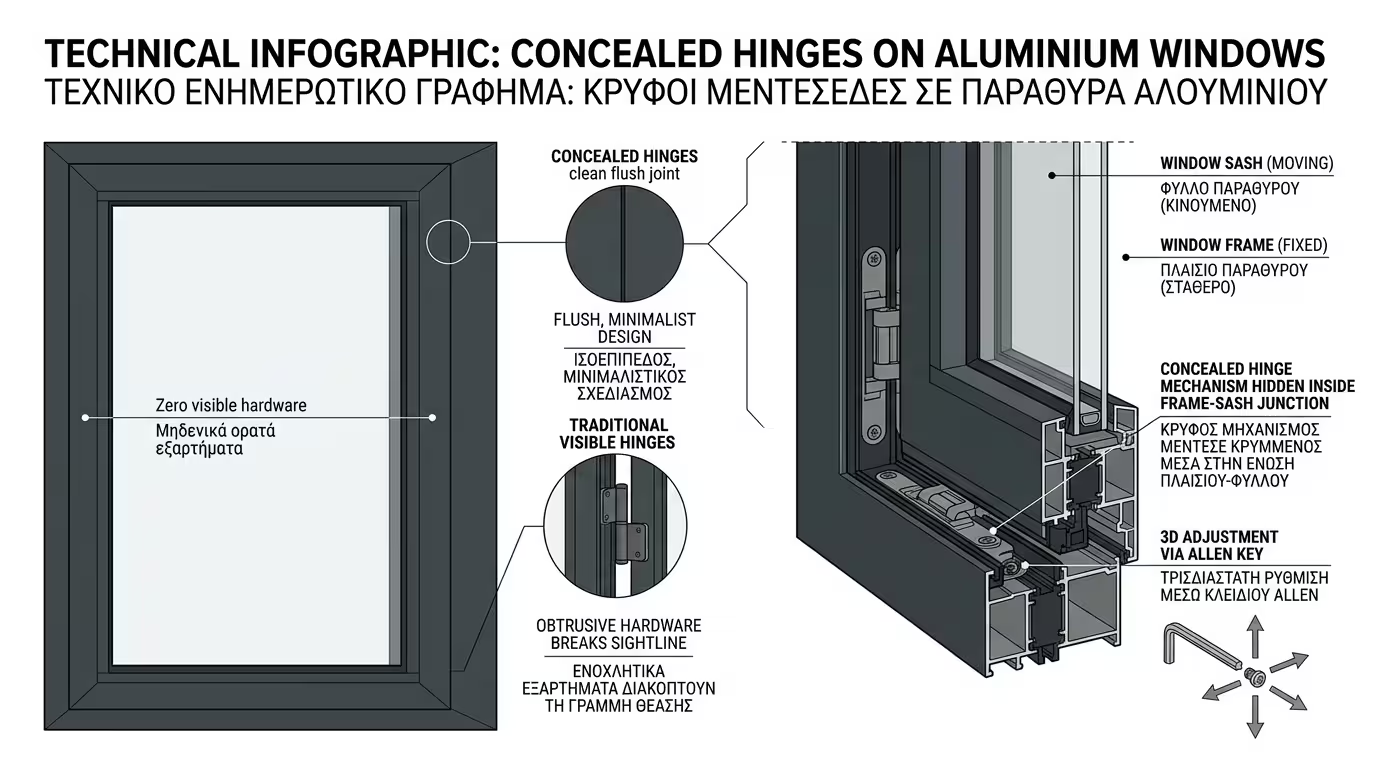
When the window is closed, you see absolutely nothing! You see only a seamless, smooth aluminium frame. The mechanism is revealed only when you open the sash.
Because there are no protrusions on the inside of the window, dusting and cleaning the frame is done with a single, quick wipe of a cloth, with no obstacles.
Since the hinges are hidden and protected behind the locked aluminium profile, it is impossible for a burglar to reach, strike or tamper with them.
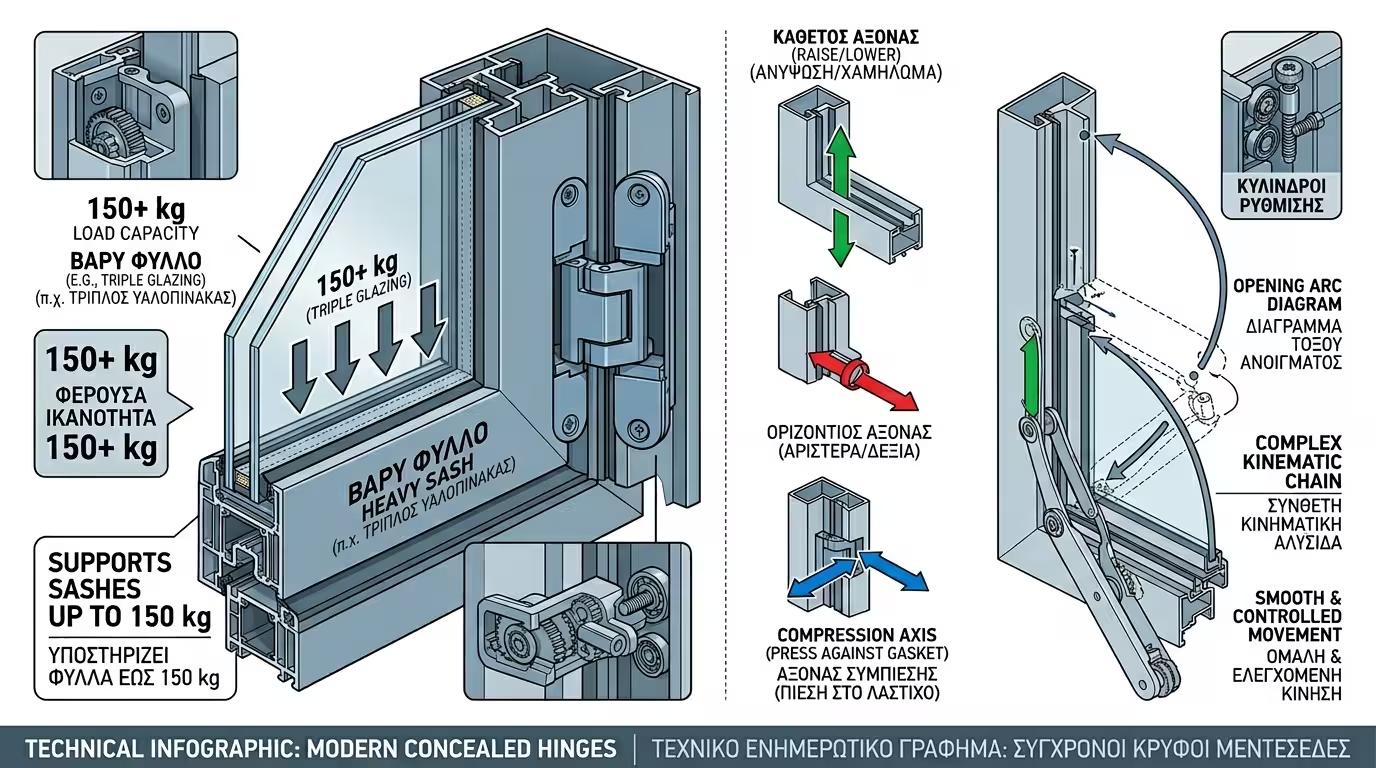
Many customers (and some older tradesmen) hesitate to recommend concealed hinges for large windows or balcony doors with triple energy glass, fearing the mechanism is too "delicate" and the sash will sag. This is a huge myth!
Modern technology from leading companies (such as Roto, Siegenia and GU) has produced concealed hinges that are marvels of structural engineering.
They operate with complex multi-joint kinematics that distribute weight excellently across the frame. A modern, quality concealed hinge can support sashes weighing up to 150 kilograms!
It comfortably handles massive, tall balcony doors with triple glazing, offering equal (or even better) stability compared to visible hinges.
They also feature built-in 3D adjustment (up-down, left-right, in-out), allowing the installer to level the window with millimetre precision.
Choosing concealed hinges usually carries a small cost premium per sash compared to standard visible ones.
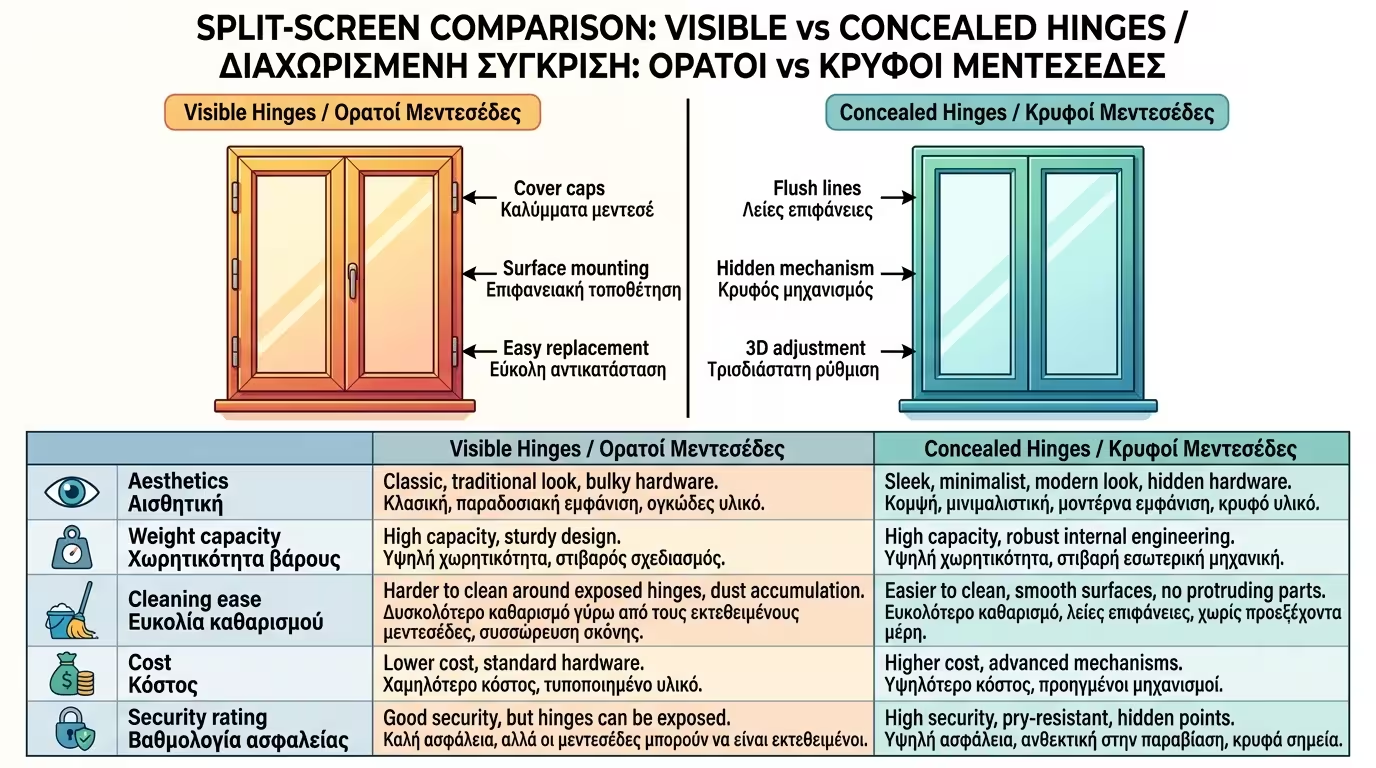
If you are building a modern home, the added value in aesthetics, ease of cleaning and minimal lines is enormous.
The window transforms from a simple structural element into a work of modern design, like a "frame" that connects the interior with the exterior environment, free of visual clutter.
💡 Tip: If minimalism and clean lines are a priority in your new home, concealed hinges are an investment worth every euro. Their 150+ kg capacity makes them suitable even for the heaviest balcony doors.
Return to category.
Go to categoryReturn to the central guide.
Go to guide