🔌 Closed Circuit
As long as the door stays closed, the sensor sends an "OK" signal to the alarm panel. Current flows smoothly - no alarm sounds.
A modern security system doesn't rely solely on locks and tough profiles. The alarm is the second link in the protection chain - and the foundation of every window alarm is the magnetic contact.
This small, silent sensor notifies the alarm panel the moment someone opens a sash. But there are two types: surface-mounted (visible) and mortise (hidden) - and the difference in aesthetics, security level, and installation complexity is enormous.
The system consists of two parts: a small magnet (mounted on the sash) and a Reed sensor (mounted on the frame). When the door is closed, the two pieces are close together and the magnet keeps an electrical circuit closed.
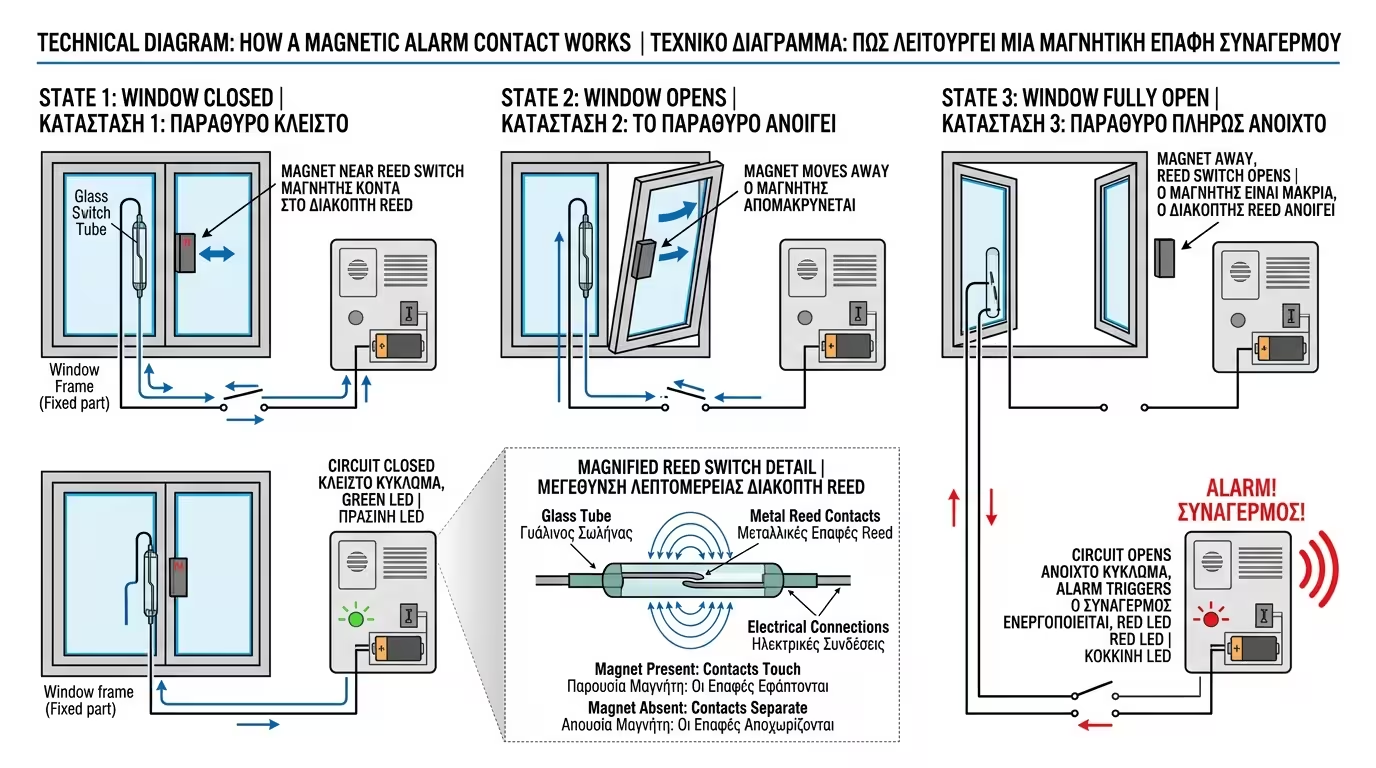
As long as the door stays closed, the sensor sends an "OK" signal to the alarm panel. Current flows smoothly - no alarm sounds.
The burglar opens the balcony door or moves the sash - the magnet moves away from the sensor, the circuit "breaks". The panel instantly detects something is wrong and activates the siren, mobile notification, or monitoring centre.
Magnetic contacts do not depend on batteries at the sensor (wired) or have very long battery life (wireless). They operate 24/7 with no moving parts, no wear, and no false alarms.
These are small plastic or metal boxes glued or screwed externally to the inner side of the frame and sash. They are the fastest and cheapest solution - but their weaknesses are significant.
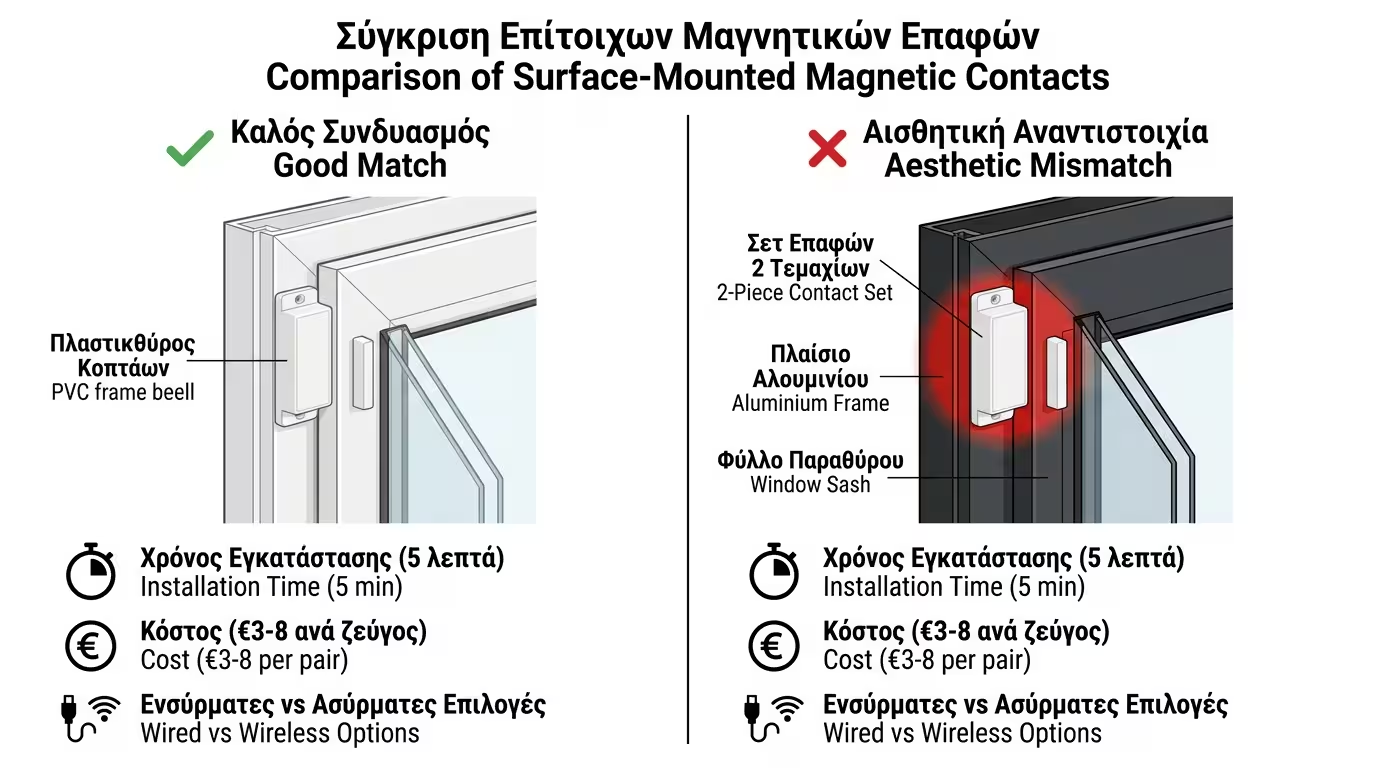
Installed very quickly (5 minutes per point) and cost very little. Ideal when the alarm is fitted after the window has already been manufactured, without any pre-planning.
The boxes are visible - white plastic on elegant black aluminium is an aesthetic faux pas. In modern homes, the clean appearance is ruined completely.
The burglar sees the contacts (especially at night with a torch), knows exactly where they are, and can sabotage them by sticking an external magnet that tricks the sensor into staying "closed."
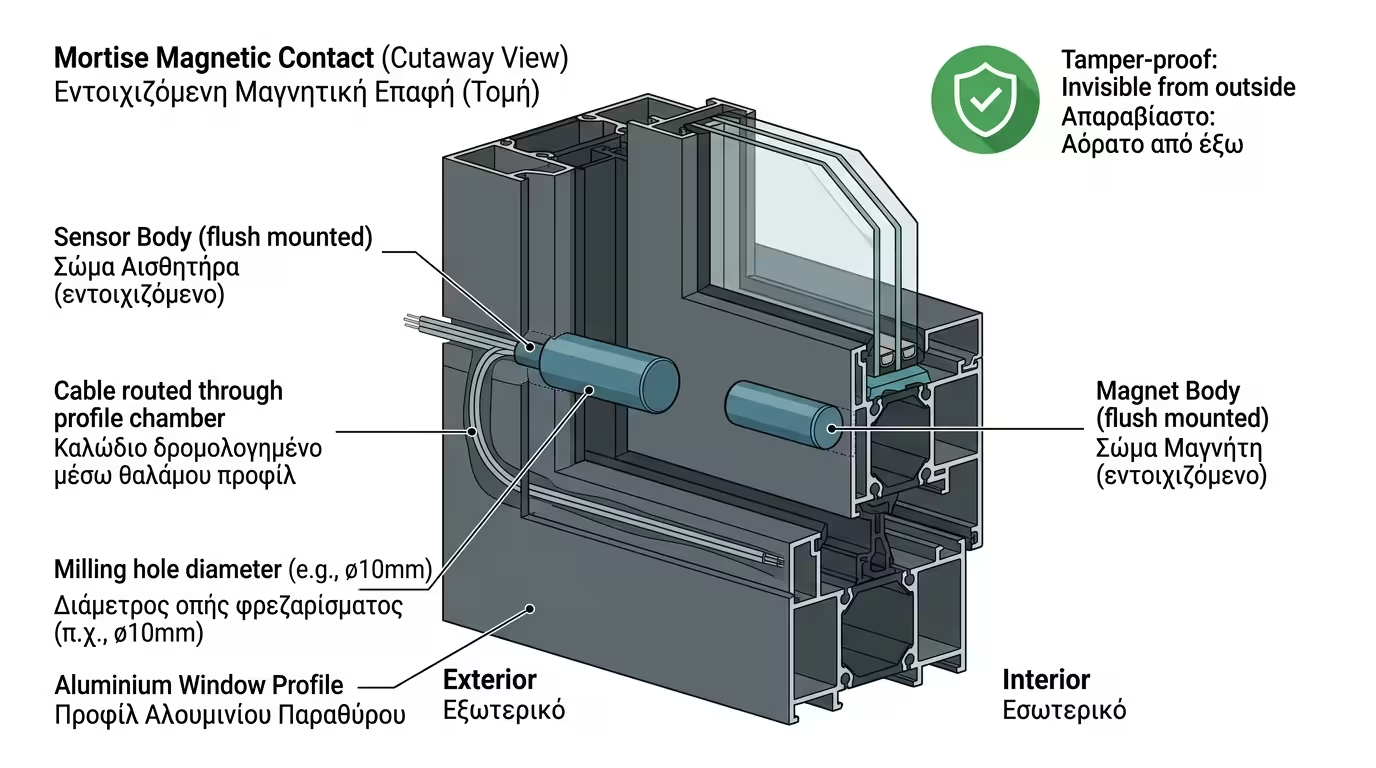
The mortise magnetic contact is embedded inside the aluminium or PVC profile body. You see nothing - no box, no wire, no adhesive. Just an invisible security eye.
The contact is recessed into a purpose-cut groove in the profile. Externally, there is zero trace - the window looks identical to one without an alarm.
The burglar cannot see the contacts or the wires. He cannot identify their position, cannot use an external magnet - the protection becomes practically impenetrable.
Requires precision milling of the profile (frame and sash) and routing of wire through special channels. Ideally done at the factory during manufacturing of the window.
The ideal moment to fit mortise magnetic contacts is before you receive the windows - that is, during their manufacture at the factory.
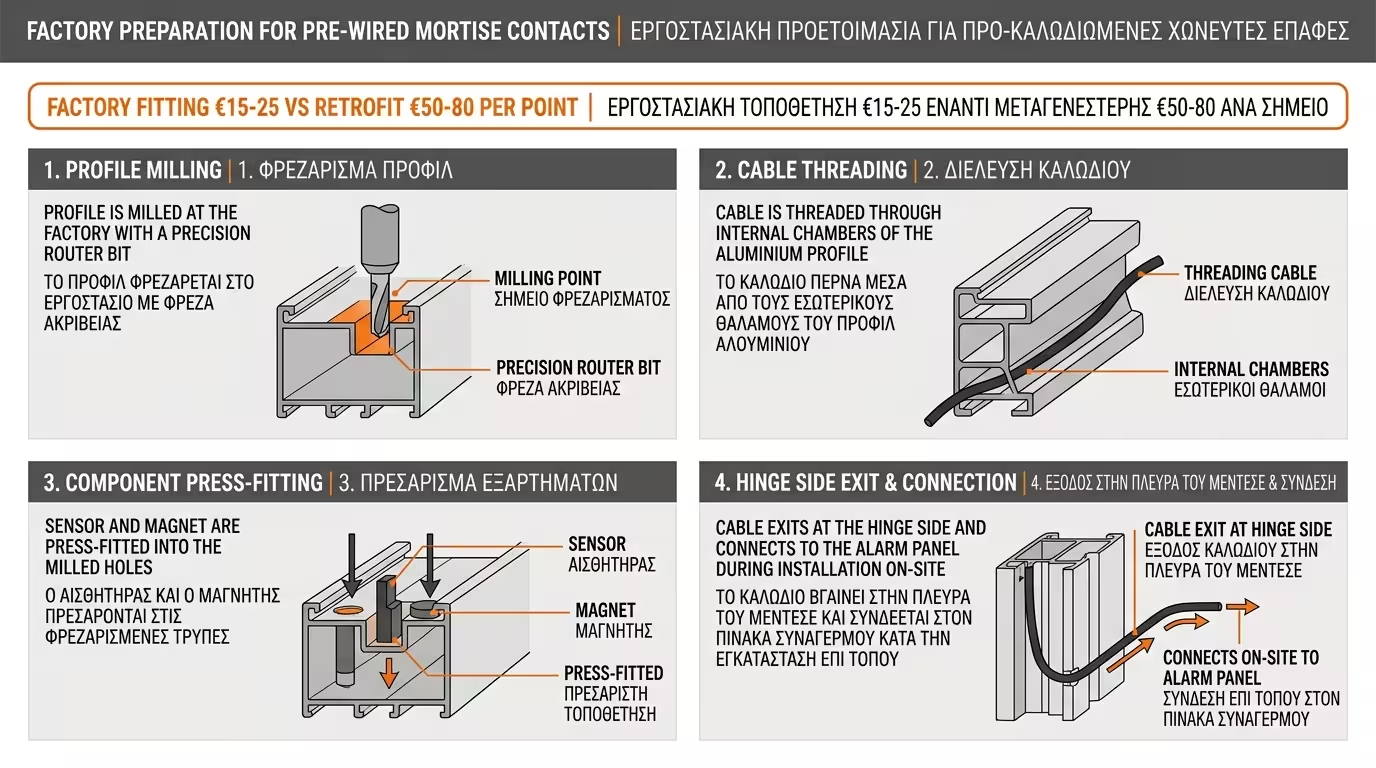
Ask the aluminium fabricator to cut the recesses and route the waiting cables during the production phase. They leave cable "pigtails" that the electrician will later connect to the alarm panel.
If you leave the connection for "later," the electrician is forced to fit surface-mounted contacts. You lose aesthetics and security simultaneously - and upgrading afterwards is far more expensive.
Make sure the aluminium fabricator coordinates with your electrician before production starts, to jointly define positions and contact type. The process costs €15–30 extra per point - the smartest "small" investment you can make.
💡 Tip: Inform the aluminium fabricator about the alarm system before you sign the manufacturing contract, so factory-fitted mortise contacts can be planned for every window.
Return to category.
Go to categoryReturn to the central guide.
Go to guide