
Functionality, Security & Maintenance
Return to category.
Go to categoryIf you live in a home built before 2000, there's a very good chance your windows are "simple casements." They open only one way - swinging inwards like a classic door. In everyday life, this is often frustrating: when you just want to air the room, you have to open the sash wide, losing usable space in the room, while the first gust of wind slams the window against the wall with considerable force.
The feature you envy in modern homes is tilt & turn, where the window "tilts" safely from the top to ventilate the room without any draught. The most common question is: "Can I keep my old aluminium frame and simply add a tilt mechanism?" The short answer is yes, in most cases it's possible. But the full answer hides some important technical details that you need to understand before starting.
Many people assume a small add-on at the top is enough. Wrong. The entire old hardware must be stripped out and replaced with a completely new perimeter Tilt & Turn mechanism that wraps around the entire sash.
Three core components are replaced: 1. The "scissors" (top hinge) - an articulated arm that supports the sash during tilt and prevents it from falling. 2. The bottom hinge - replaced with a dual-pivot hinge allowing both vertical (open) and horizontal (tilt) rotation. 3. The espagnolette/drive rod - the central mechanism that translates handle movements (90° and 180°) into the correct commands to the scissors and locking points.
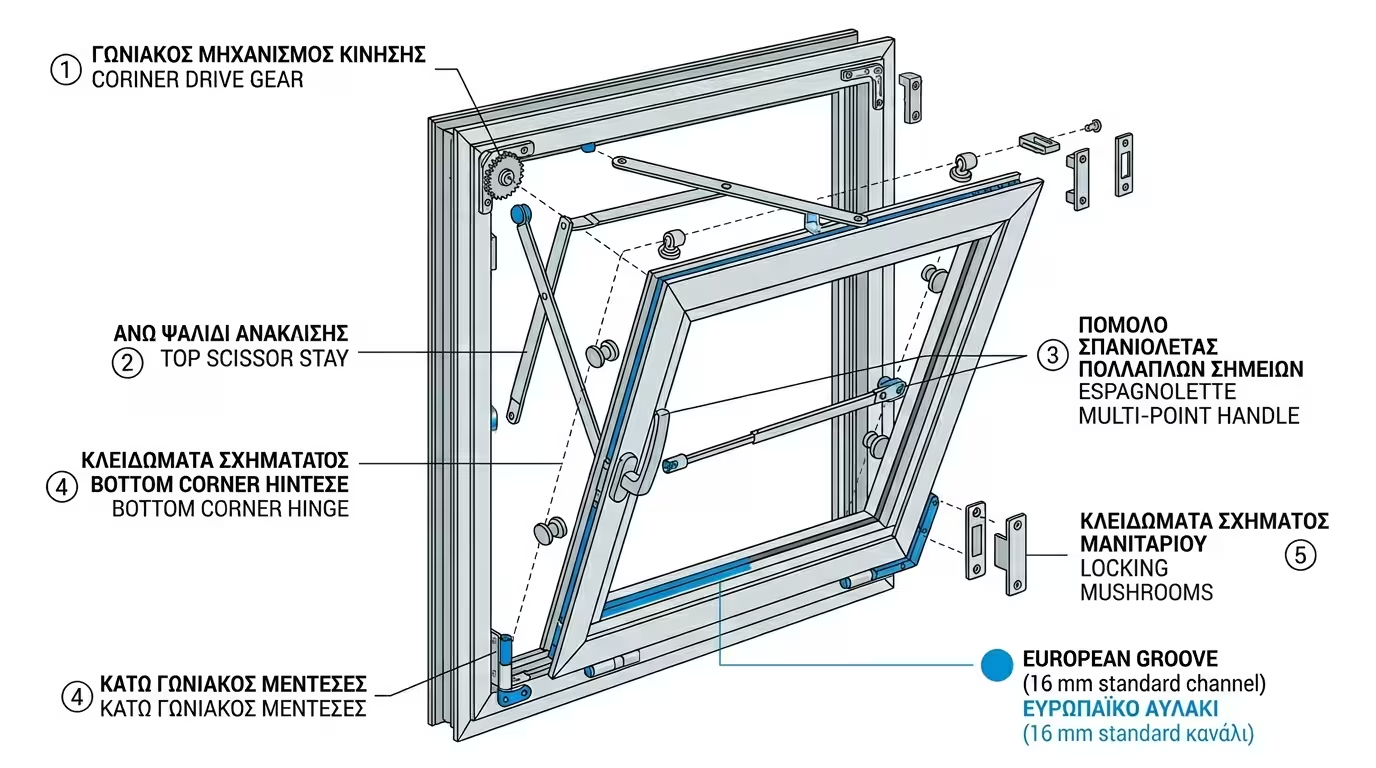
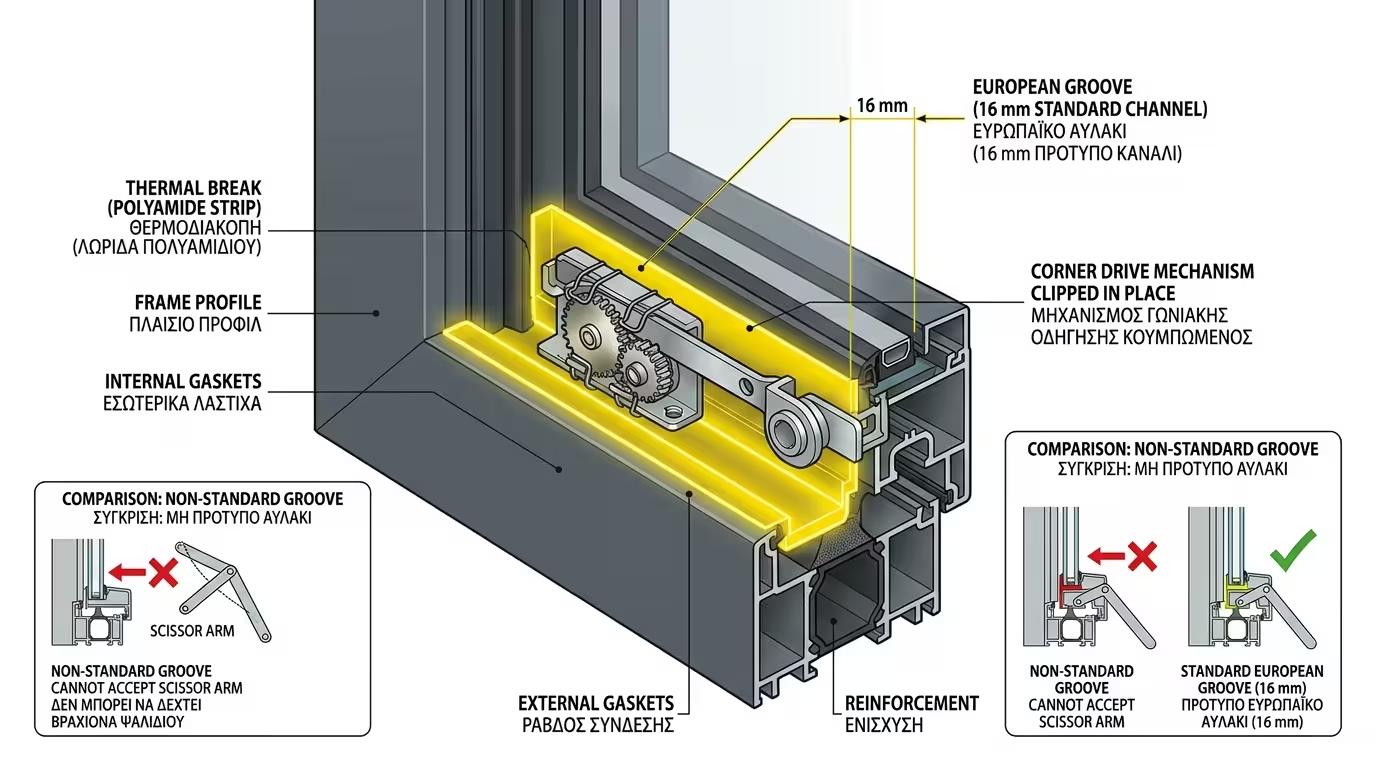
For the new tilt mechanism to "click" into your old aluminium, the profile must have a specific, standardised groove called the "Camera" in industry jargon. Around 90% of Greek aluminium windows made after 1990 use the Camera Europea standard, for which thousands of compatible hardware kits are available on the market.
The Problem: If your aluminium is extremely old (1970s-80s) or belongs to discontinued series with a non-standard groove, you won't find a tilt mechanism that fits. In that case, the only solution is a full window replacement. Before ordering anything, take a sample of your old hinge to a specialist to confirm compatibility with your profile series.
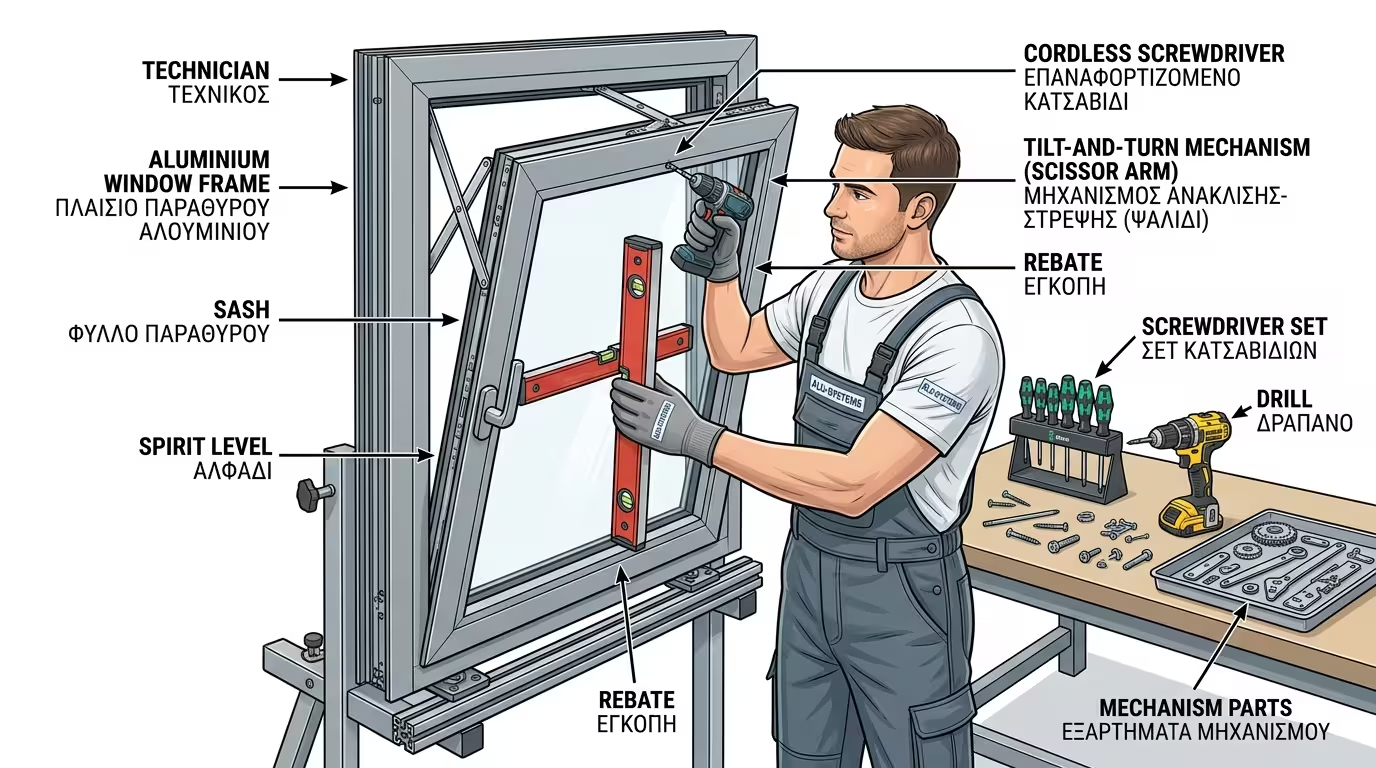
While roller replacement is a pure DIY task, converting to tilt & turn is clearly a job for advanced users or, ideally, a professional aluminium fitter. It requires removing the sash, stripping old hinges, cutting new metal drive rods to the exact millimetre, fitting the scissors, and levelling the sash from scratch.
Warning: If you get the measurements or the scissors wrong, the window can fall under gravity the first time you try to tilt it - risking injury and broken glass. Precision in measurement and hands-on experience make the difference between success and a costly failure.
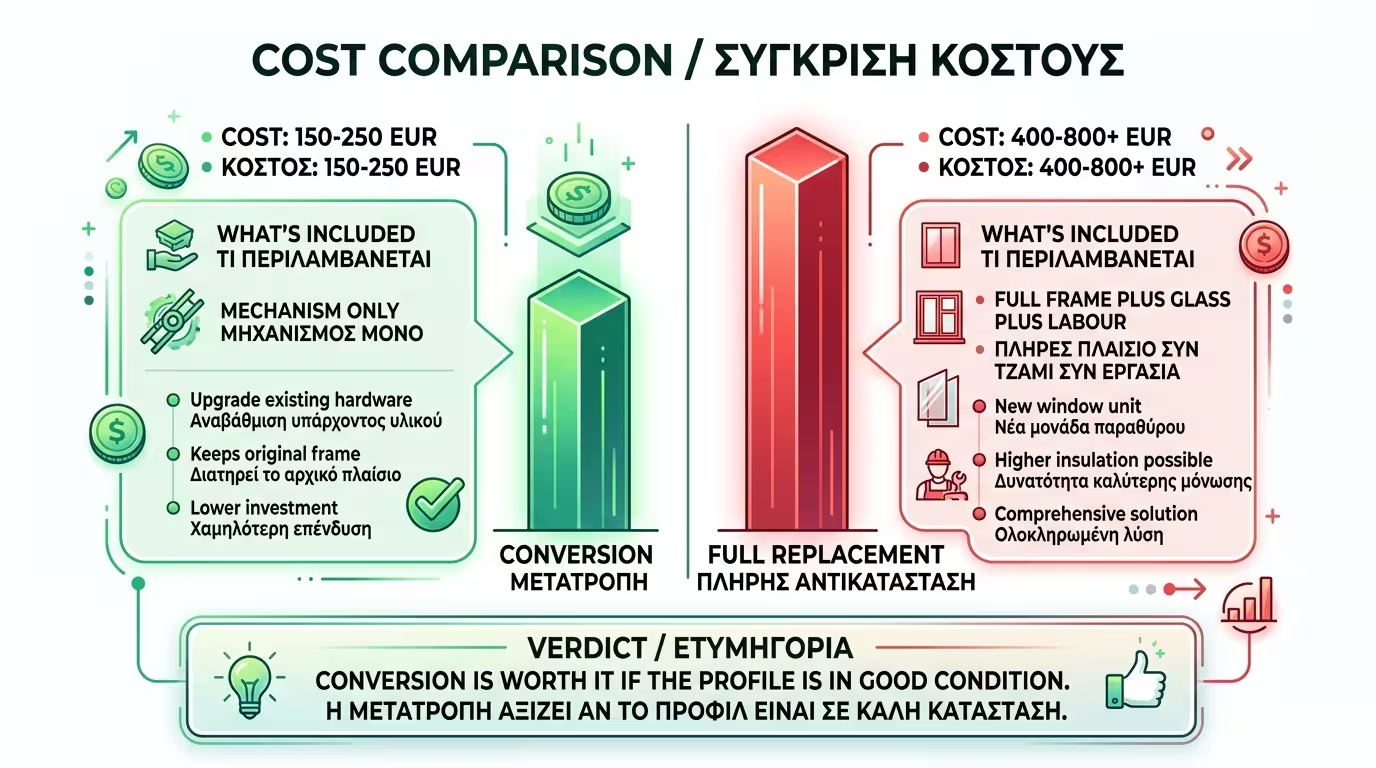
The materials (a complete tilt hardware kit) cost around €30-50 depending on brand (GU, Giesse, Lavál). With labour, expect €80-120 per sash - a small sum compared to the €300-500 of a brand-new window unit.
If your window already has double glazing and seals well, yes, it's a fantastic upgrade that transforms the way you ventilate your home, providing both safety and convenience. But if it has single glazing and leaks air everywhere, save your money for a full replacement with modern thermally broken frames when the budget allows.
💡 Tip: Before booking an appointment, check whether your aluminium uses Camera Europea. Take a sample of the old hinge to the fitter - if they recognise the series, the conversion is feasible and worth every euro!
Return to category.
Go to categoryReturn to the central guide.
Go to guide