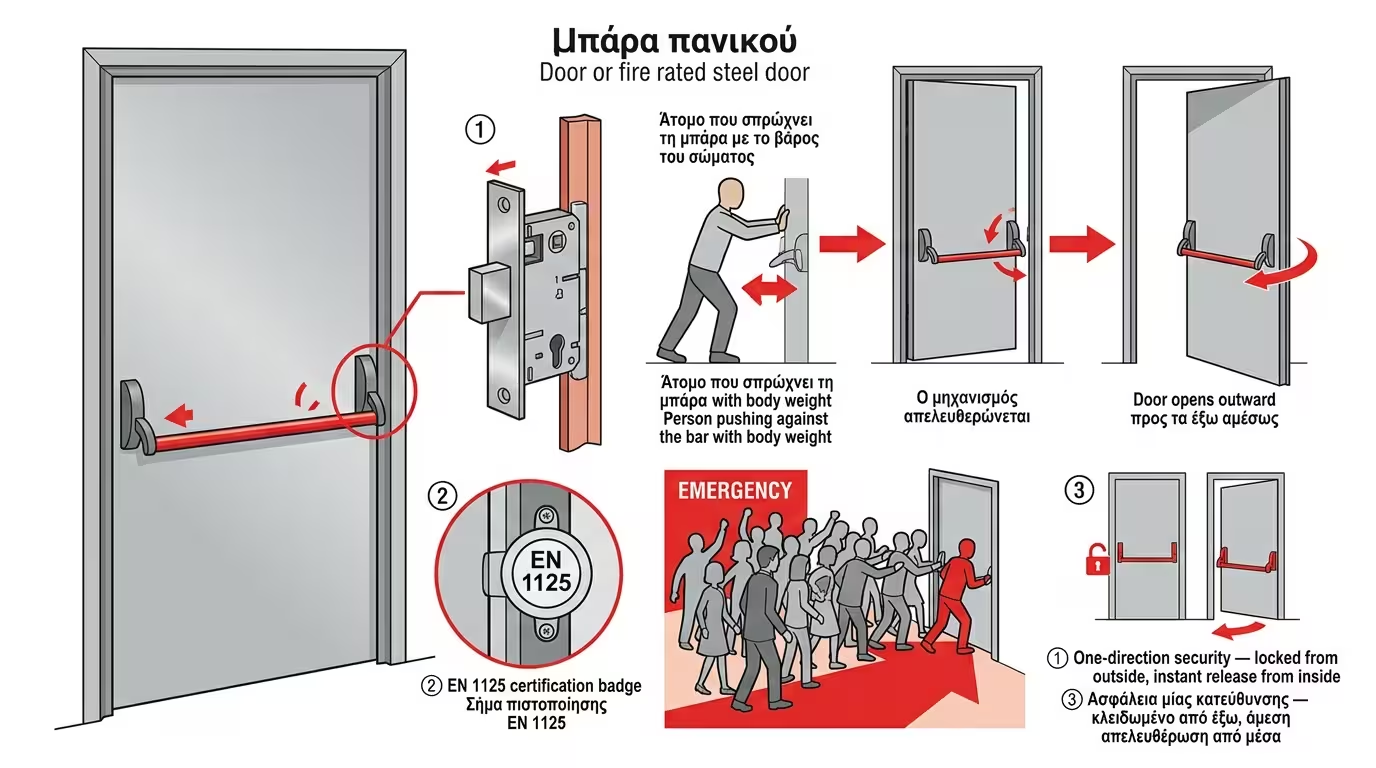
🔓 Pushing the Door
When you push the door open, your force compresses an internal spring. Simultaneously, oil inside the mechanism is forced through narrow channels (valves).
How many times have you seen a heavy, elegant aluminium door in an apartment block or shop close slowly, smoothly and silently behind you, as if pushed by an invisible hand? That is not magic. It is the Door Closer - a mechanical marvel that uses hydraulic technology and powerful springs.
In this same article we will also examine the door closer's "relative": the Panic Bar, which in reality is not just useful - it is required by law in many spaces.
The door closer is mounted at the top of the door (or inside the floor for concealed models). It consists of two main parts: a powerful spring and a hydraulic damping system.
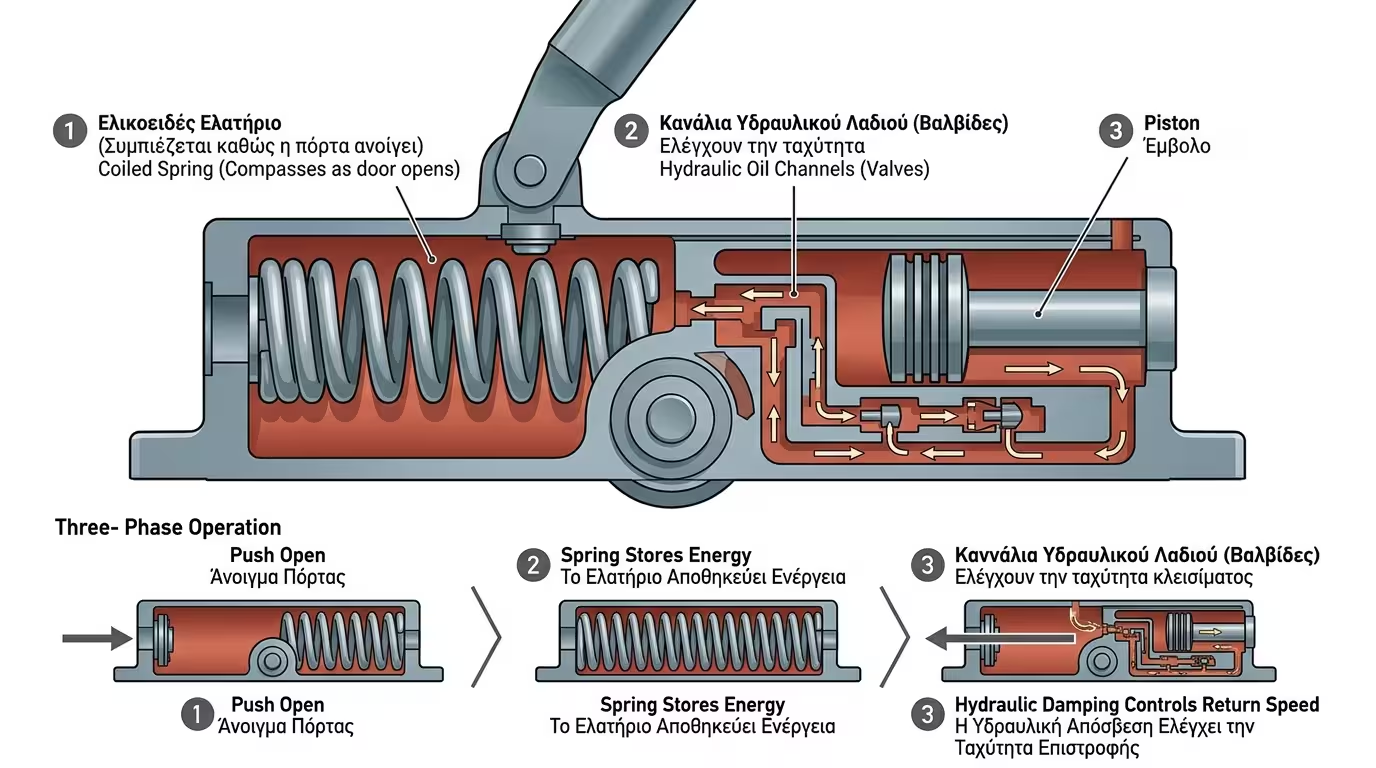
When you push the door open, your force compresses an internal spring. Simultaneously, oil inside the mechanism is forced through narrow channels (valves).
Once you release the door, the spring begins to "unwind" and pushes the door back to the closed position. Here is the genius of the design: the oil inside the hydraulic system controls the closing speed, preventing the door from slamming violently.
Just before the door closes completely, a separate latch-action mechanism gives a small final push so the lock tongue engages the keep properly - the familiar "click" that means the door has latched.
A modern, quality door closer is not just a "spring". It has a range of individually adjustable features.
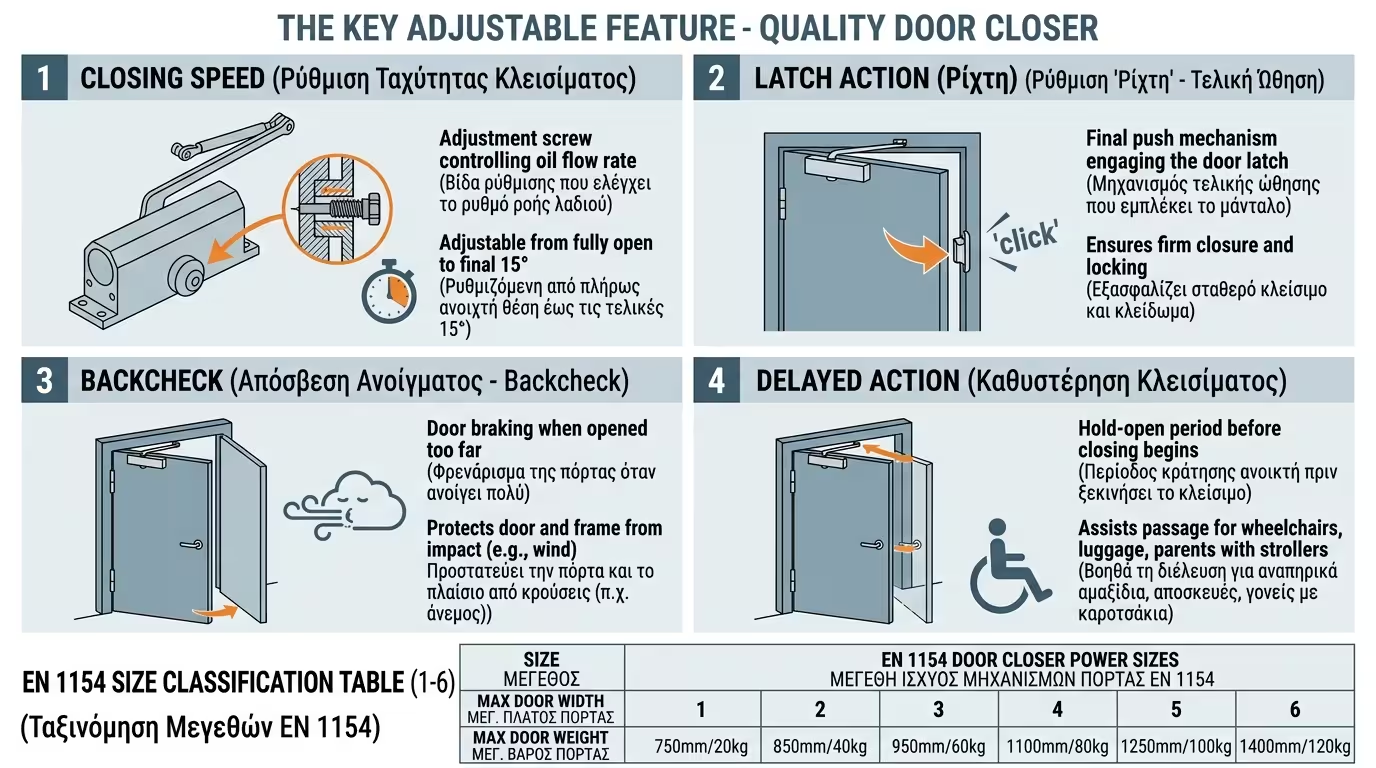
A small screw on the body lets the technician adjust how slowly or quickly the door closes. Want slow closing in a hospital? Fast in a shop? It's adjustable!
If someone pushes the door violently (e.g. a strong gust of wind), the backcheck function brakes the opening angle sharply, preventing damage to walls or hinges.
The door can stay open for a few seconds before starting to close - ideal for wheelchair users or the elderly.
Door closers are classified under EN 1154 in sizes from 1 (light door) to 6 (heavy, fire-rated door). The correct size depends on the sash weight and width.
Imagine a fire in an office building. 50 people run simultaneously toward the emergency exit. The panic is enormous. Nobody has time (or composure) to turn a handle or search for a key.
The panic bar is a long, horizontal metal rod (usually spanning the full door width). It's enough to fall against it or press it with any part of your body (hand, shoulder, torso) and the door opens instantly.
Panic bar installation is not optional in public assembly spaces (EN 1125 standard): multi-storey apartment blocks, schools, hotels, hospitals, shops, cinemas.
On fire-rated doors, the panic bar must be combined with a certified door closer, so the door closes automatically after passage and prevents smoke spread.
The panic bar operates from the inside only. The door remains locked from outside, protecting the occupants.
In practice, the majority of commercial buildings and apartment blocks need the combination of these two mechanisms: the door closer ensures the door always closes properly, and the panic bar ensures it opens instantly in an emergency.
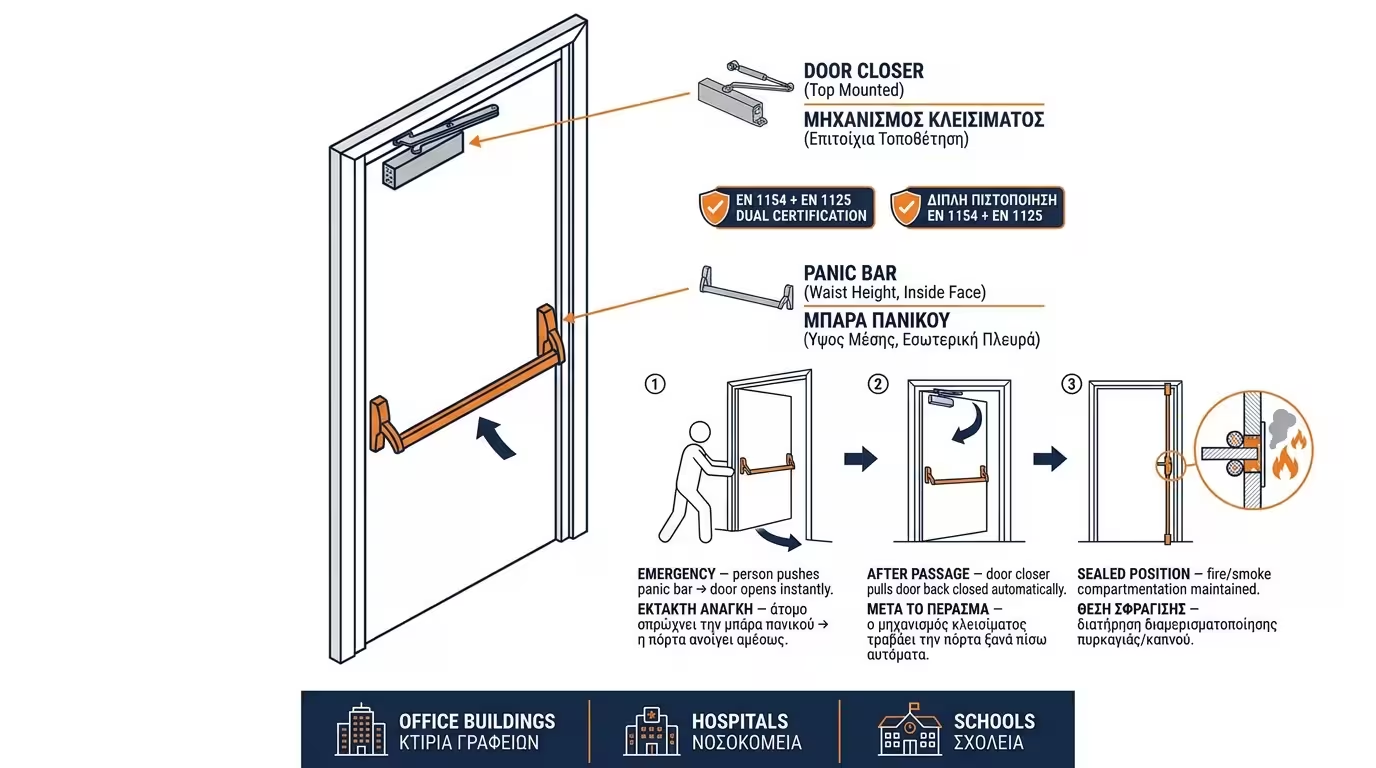
At apartment block and office entrances, the door closer keeps the door shut for security and energy efficiency, while the panic bar guarantees unobstructed evacuation.
In healthcare and education facilities, the combination is mandatory. Delayed action helps wheelchair users, while the panic bar provides instant access to emergency exits.
💡 Tip: If you are installing an entrance door in an apartment block or commercial space, always ask the engineer whether a panic bar (EN 1125) and certified door closer (EN 1154) are required. They are not a "luxury" - they are a legal obligation and a guarantee of life safety.
Return to category.
Go to categoryReturn to the central guide.
Go to guide