🔑 Keyed Handle
Lock the handle in "closed," "tilt" or "open" position. Without the key, the child cannot turn the handle, even if they climb up. Cost: €15–30 per handle.
Every year, dozens of children in Greece are seriously injured in window accidents. A toddler can climb onto a chair, turn the handle and open a window fully in less than 5 seconds.
Today's technology offers three reliable solutions that completely prevent this danger - without sacrificing ventilation and without affecting the clean appearance of your windows. Let's look at each one in detail, along with its pros and cons.
The simplest and most affordable solution. You replace the standard handle with a special handle that requires a key or button press (push-to-turn) to rotate.
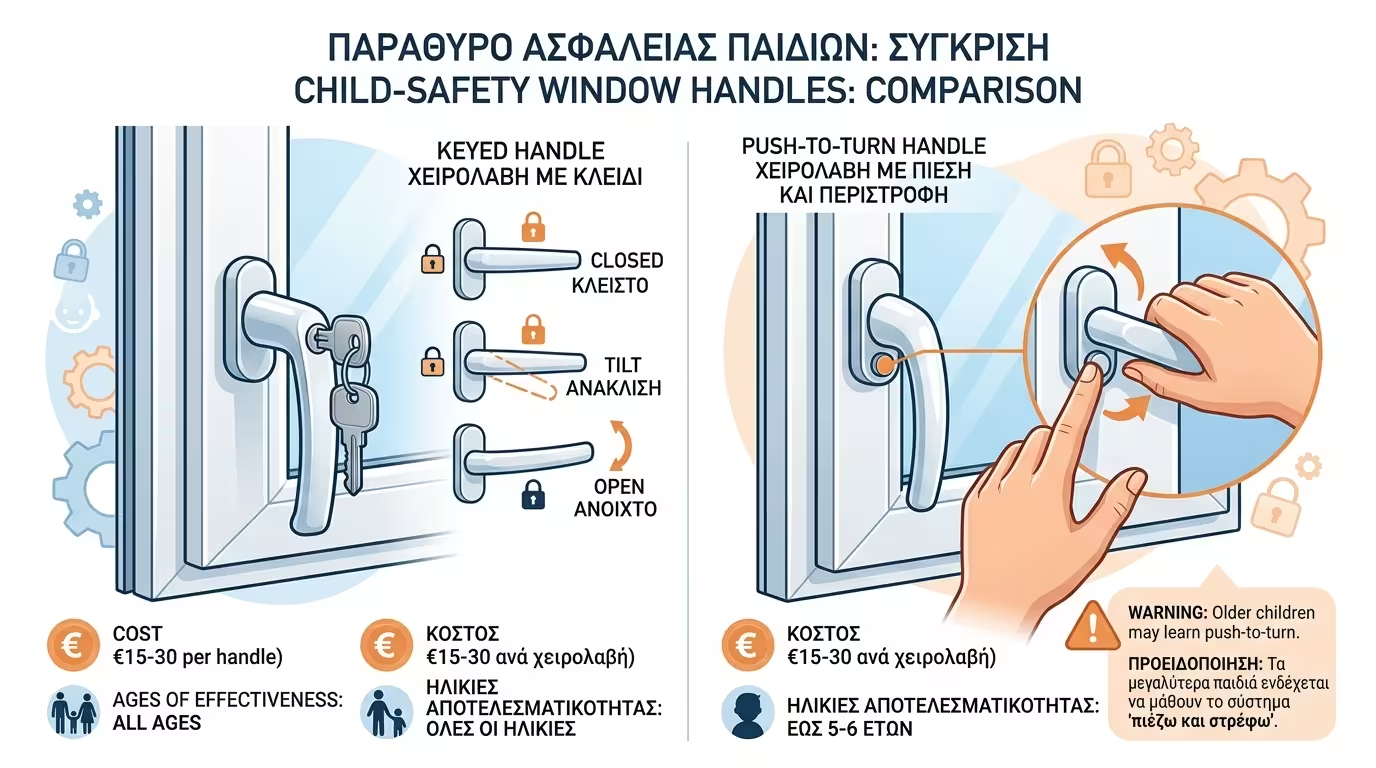
Lock the handle in "closed," "tilt" or "open" position. Without the key, the child cannot turn the handle, even if they climb up. Cost: €15–30 per handle.
Press a small button at the base and turn simultaneously. A child lacks the strength or motor coordination to do both at once. More practical than a key in daily life.
After age 5–6, many children learn the push-to-turn action. If the child develops strength and dexterity early, the keyed handle remains safer. Combining it with Tilt-First is the ideal solution.
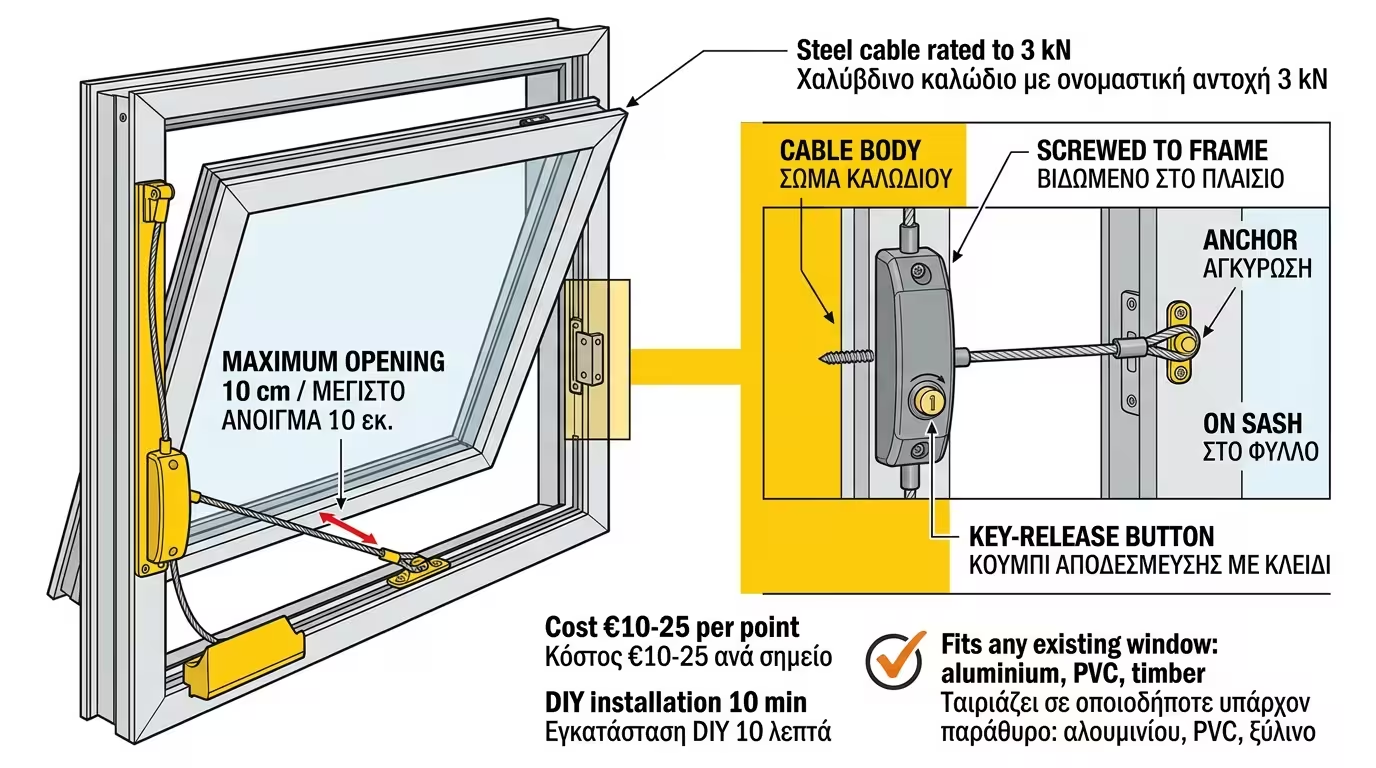
A mechanism (usually a steel cable or metal arm) that allows the window to open only 10 cm - enough for ventilation but too narrow for a child to pass through.
A steel cable between frame and sash stops the opening at 10 cm. Release only with a key or hidden button (on modern models). An adult unlocks it in two seconds for full opening.
Fits any existing window (aluminium, PVC, timber) - no handle replacement, no mechanism change. Cost: €10–25 per point, DIY installation in 10 minutes.
If you forget to lock it or if the mechanism is uncertified, it may not withstand the force of a push. Always choose models certified to EN 14351 or with a load test rating.
Tilt-First is a special mechanism built into the window hardware. Instead of opening wide on the first turn, the window first tilts - opening only 10–12 cm at the top.
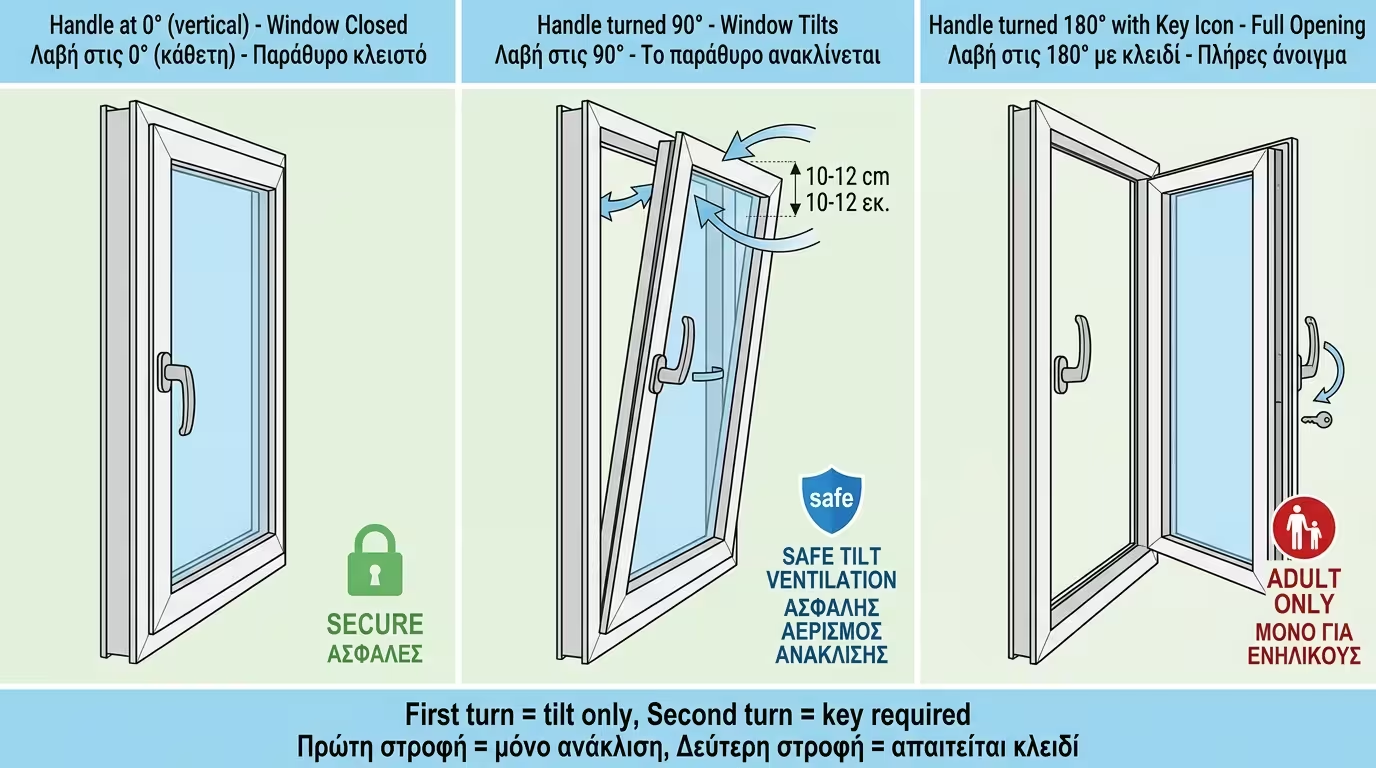
First handle turn = tilt. Second turn = full opening . If the handle locks after the first turn (with key or Secustik), the child can never open fully - only tilt.
In the tilt position air circulates freely but a child's head cannot fit through. Perfect for children's bedrooms - leave the window tilted overnight with zero worry.
No extra equipment, cables or locks needed. The mechanism is built into the hardware - reliable, silent, wear-free. The perfect companion: a Secustik or keyed handle.
Imagine a summer afternoon. Your 3-year-old wakes from a nap, spots the cat on the pavement, climbs onto the bed below the window and turns the handle.
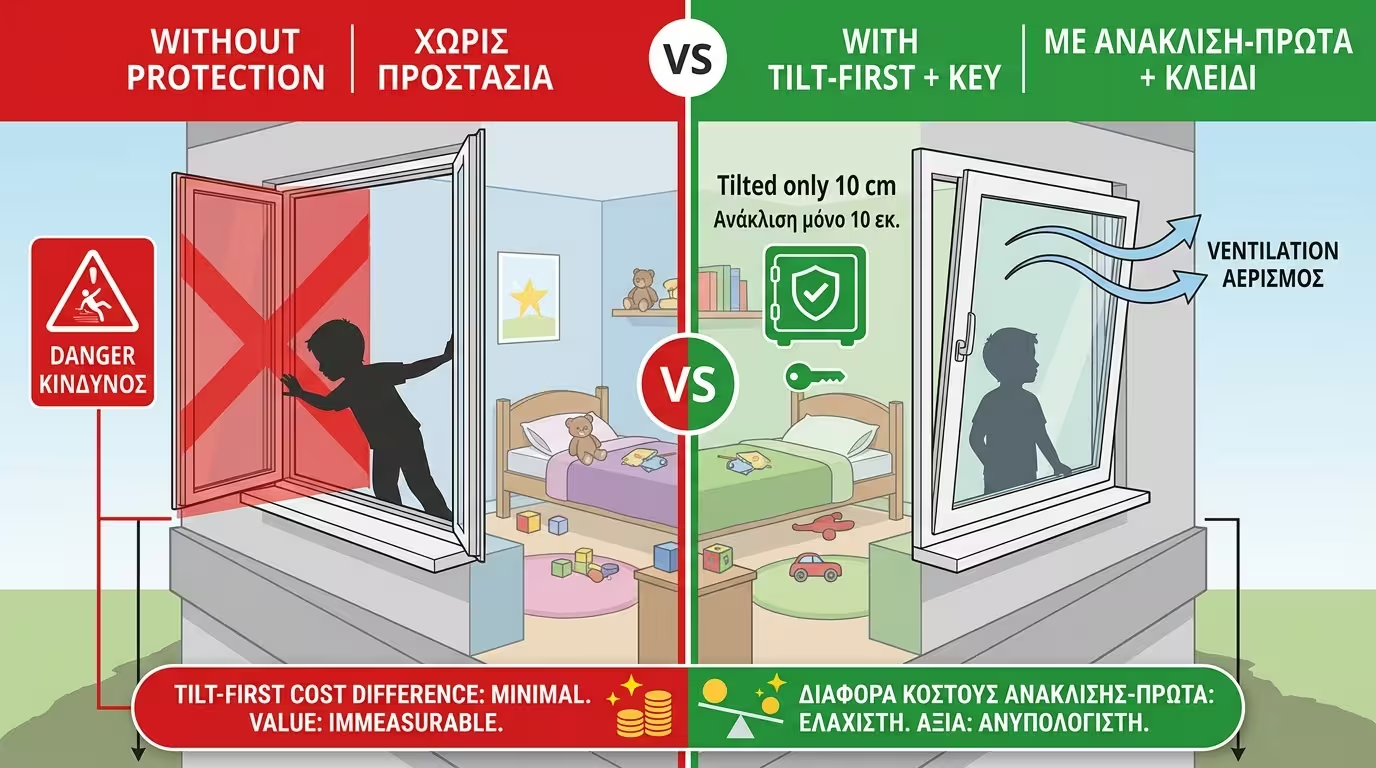
One turn, the window opens wide. The child leans out to see the cat… A few seconds are enough for a devastating, irreversible tragedy.
One turn, the window tilts 10 cm at the top. The child sees the cat through the gap but cannot climb out. The parent needs a key for full opening.
💡 Tip: If you are replacing windows in a home with children under 8, request Tilt-First as standard in every children's bedroom. The cost difference is minimal - the value is immeasurable.
Return to category.
Go to categoryReturn to the central guide.
Go to guide