
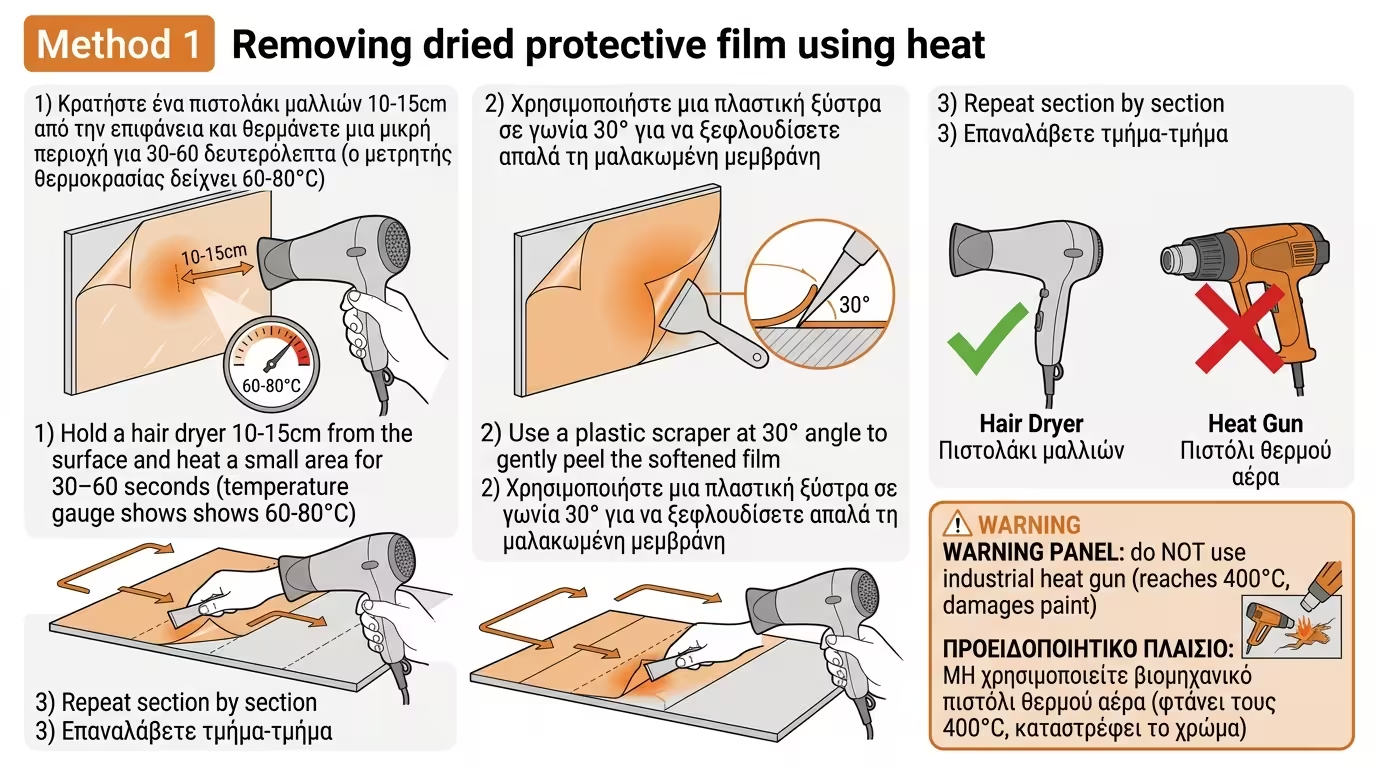
🔥 Step 1: Warm Up
Hold the hair dryer 10–15 cm away and heat a small area for 30–60 seconds. The adhesive will visibly begin to soften and become tacky again.
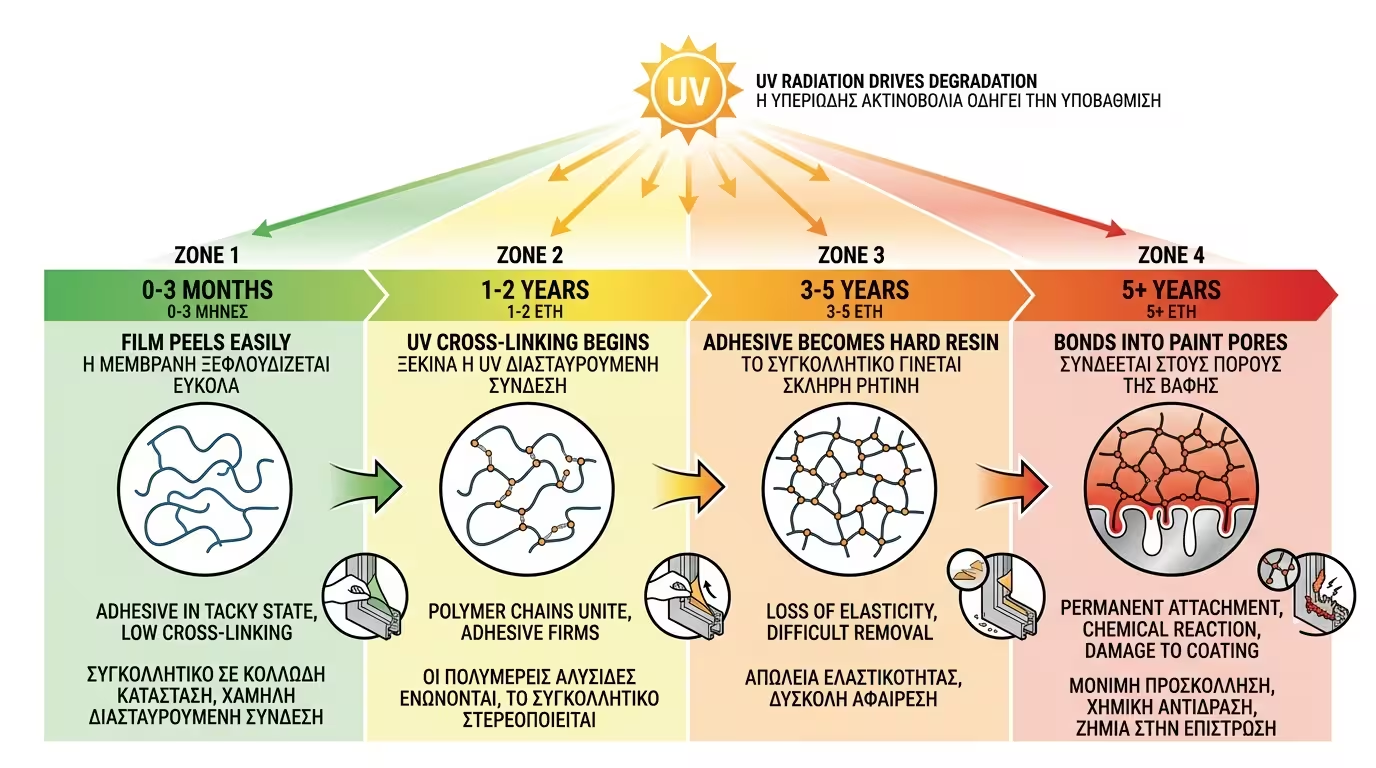
The classic scenario: the protective stickers from the manufacturer or decorative film have been left on the windows for years, often because no one remembered to remove them after installation. The intense Greek sun "bakes" the adhesive polymers, transforming them from flexible material into a hard, sticky resin that won't budge even with vigorous scraping. The problem gets progressively worse on south-facing windows that receive intense UV exposure all year round.
Don't scrape with metal tools! The risk of scratching the powder-coated or PVC finish is very high and the damage is irreversible. In this guide we'll show you three safe removal methods that won't damage the surface of your window frames in any way.
The adhesive on protective tapes is typically acrylic or elastomeric. In the first few months after installation it peels off easily by hand. After 1–2 years of sun exposure, the UV radiation triggers a chemical process called cross-linking (polymerisation): the molecular bonds of the adhesive become much stronger, turning it into a rock-hard, brittle resin that simply won't peel any more.
The longer it stays on, the harder the removal becomes. After more than 5 years, the adhesive can bond permanently into the pores of the paint - in those extreme cases, removal requires a combination of methods, even more patience, and the right professional-grade products.
Heat softens the cross-linked bonds and makes the resin flexible again, allowing safe and easy scraping. This is the safest and cheapest method, ideal for most homeowners. Use a standard hair dryer - NOT an industrial heat gun, which reaches 400 °C and can "bake" the paint, causing permanent discolouration that cannot be repaired.
Hold the hair dryer 10–15 cm away and heat a small area for 30–60 seconds. The adhesive will visibly begin to soften and become tacky again.
Use a plastic scraper or an old credit card (equally effective). Scrape gently at a 30° angle, always without excessive pressure. A metal scraper will scratch the paint irreversibly - avoid at all costs!
Work section by section: heat, scrape, heat, scrape - repeat as many times as needed. Patience pays off - don't push hard, let the warmth do the heavy lifting for you. For large surfaces, expect roughly 30 minutes per window sash.
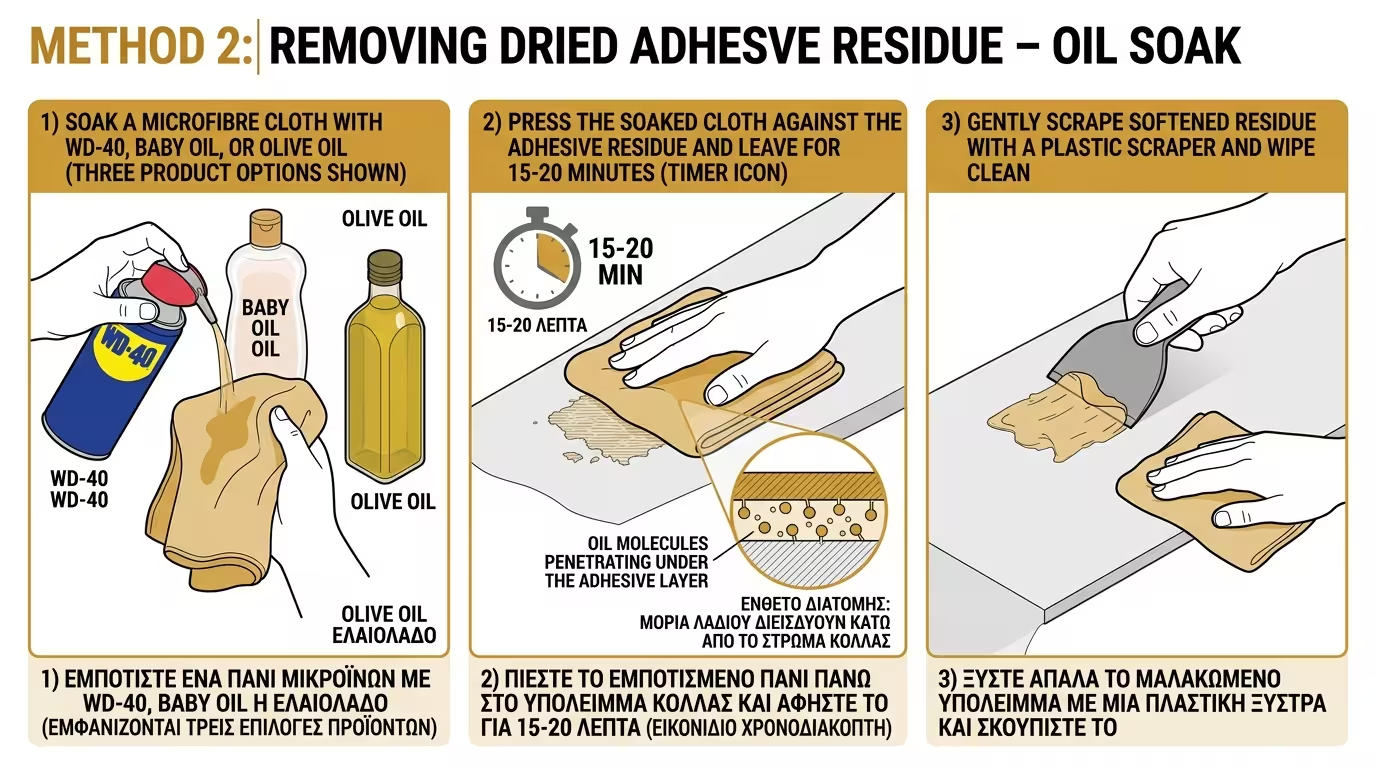
If you prefer to avoid heat, or the resin is very old and brittle, oily solvents penetrate underneath the resin and gradually weaken the bond between the adhesive and the surface. Soak a microfibre cloth in WD-40, baby oil or even olive oil - yes, it really works! - and leave it on the stain for 15–20 minutes to let the oil fully penetrate. Then, scrape gently with a plastic scraper and wipe away all residue.
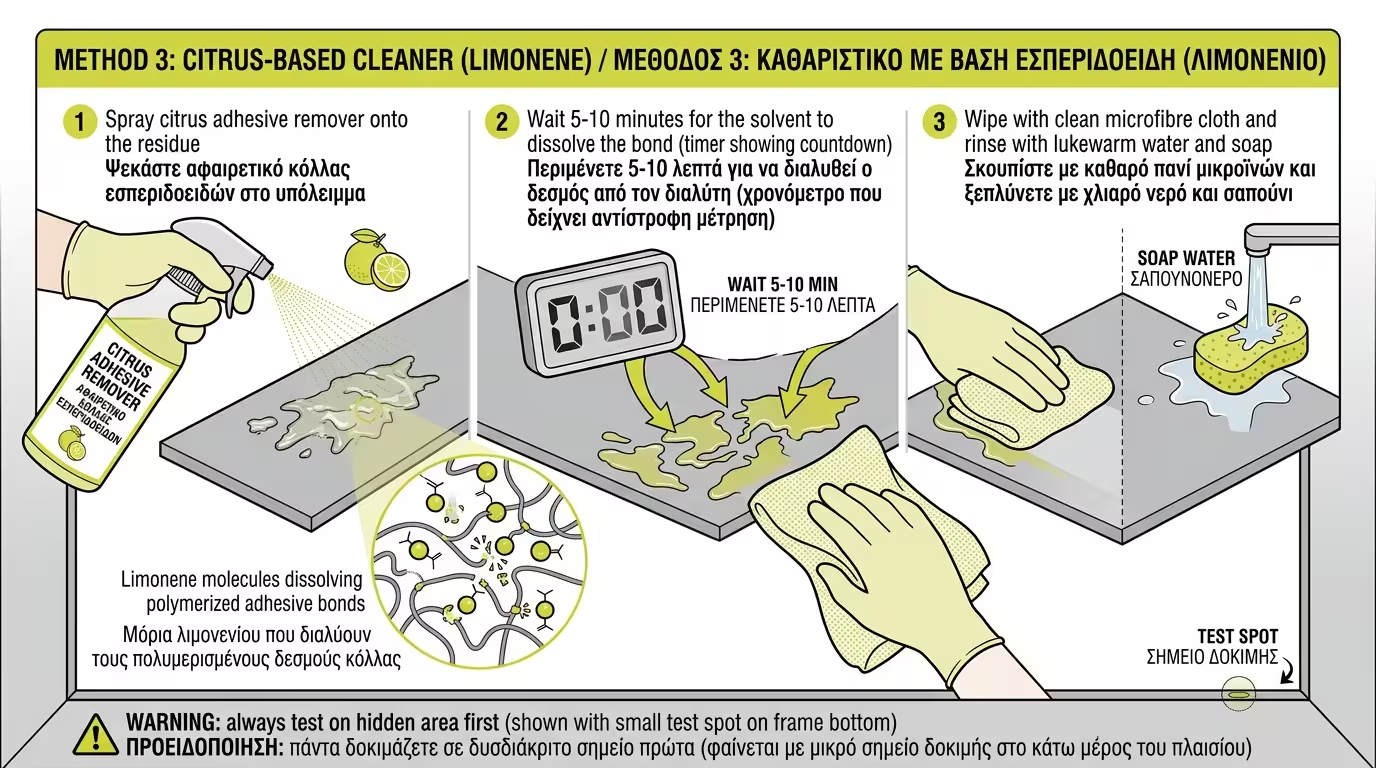
For the most stubborn cases, a citrus-based adhesive remover (containing limonene - a natural citrus extract) is your last resort before calling a professional service. Spray or apply a small amount onto the residue, leave for 5–10 minutes, then wipe with a clean microfibre cloth. Rinse afterwards with lukewarm water > dish soap > dry thoroughly.
Warning: Always test first on a hidden area (such as the bottom of the frame)! Some citrus cleaners can affect matt finishes or cold PVC surfaces if left on for too long, causing slight discolouration.
💡 Tip: Never leave protective stickers on for more than 3 months after installation! Remove them as soon as building work is finished - after that, the removal becomes a real nightmare that costs time and effort. Prevention is always easier and cheaper than the cure.
Return to category.
Go to categoryReturn to the central guide.
Go to guide