Blocked Window Drains: Why Water Pools in the Sliding Track

Autumn. The first heavy storm of the season has just hit. You glance at the large sliding balcony door and see the bottom track filling up with water, like a miniature swimming pool! The level is rising dangerously, threatening to overflow onto your expensive parquet floor.

Before you call the installer and blame them for a faulty window, take a deep breath. In 99% of cases, this is not a manufacturing defect but simply blocked drainage holes. A classic maintenance issue you can fix yourself in under 5 minutes with absolutely no special tools.

How the Drainage System Works: A Necessary "Pool"

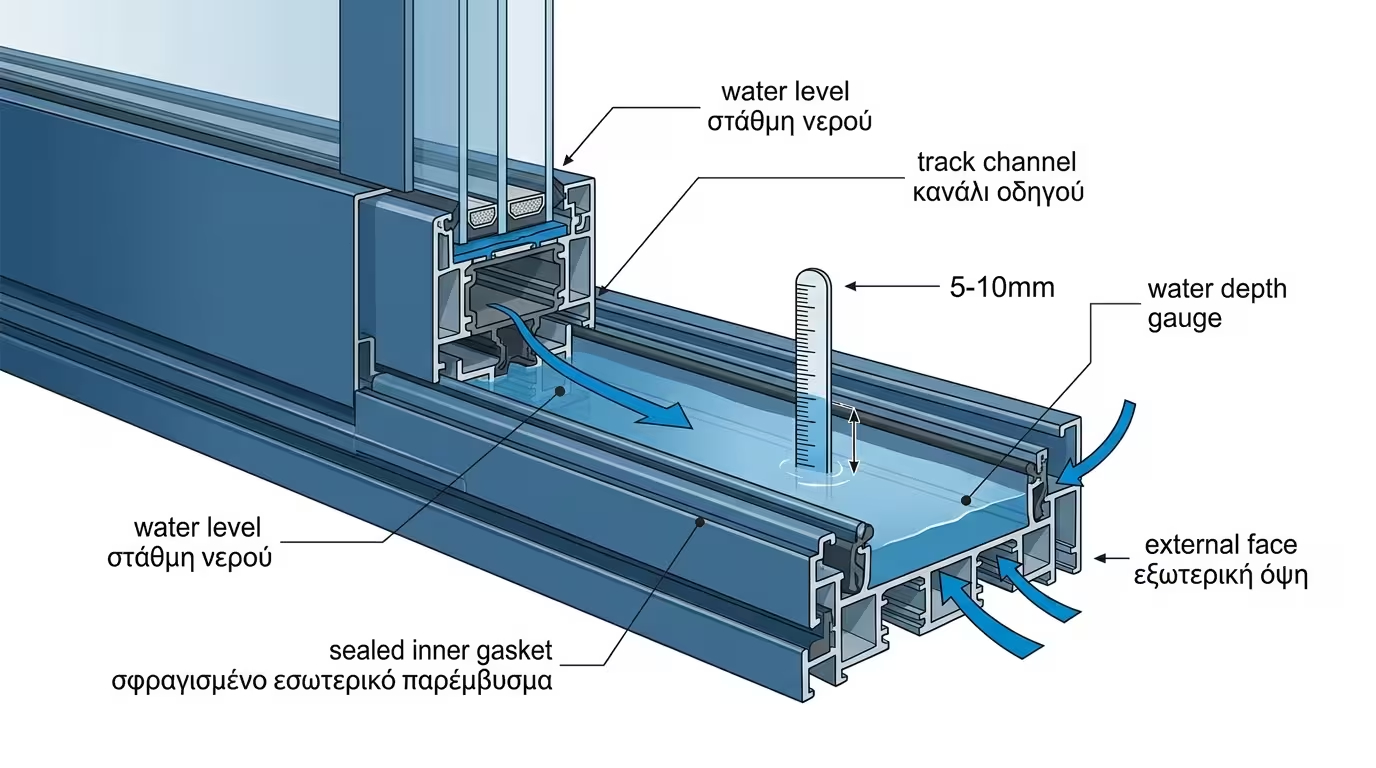
Sliding windows (especially older stacking-type designs) are not submarines. Their design anticipates that a small amount of rainwater hitting the glass will run down into the bottom track (rail). To prevent it entering the house, the track acts like a "sink."

Bottom track of a sliding window flooded with rainwater

💧 Drainage Holes (Weep Holes)

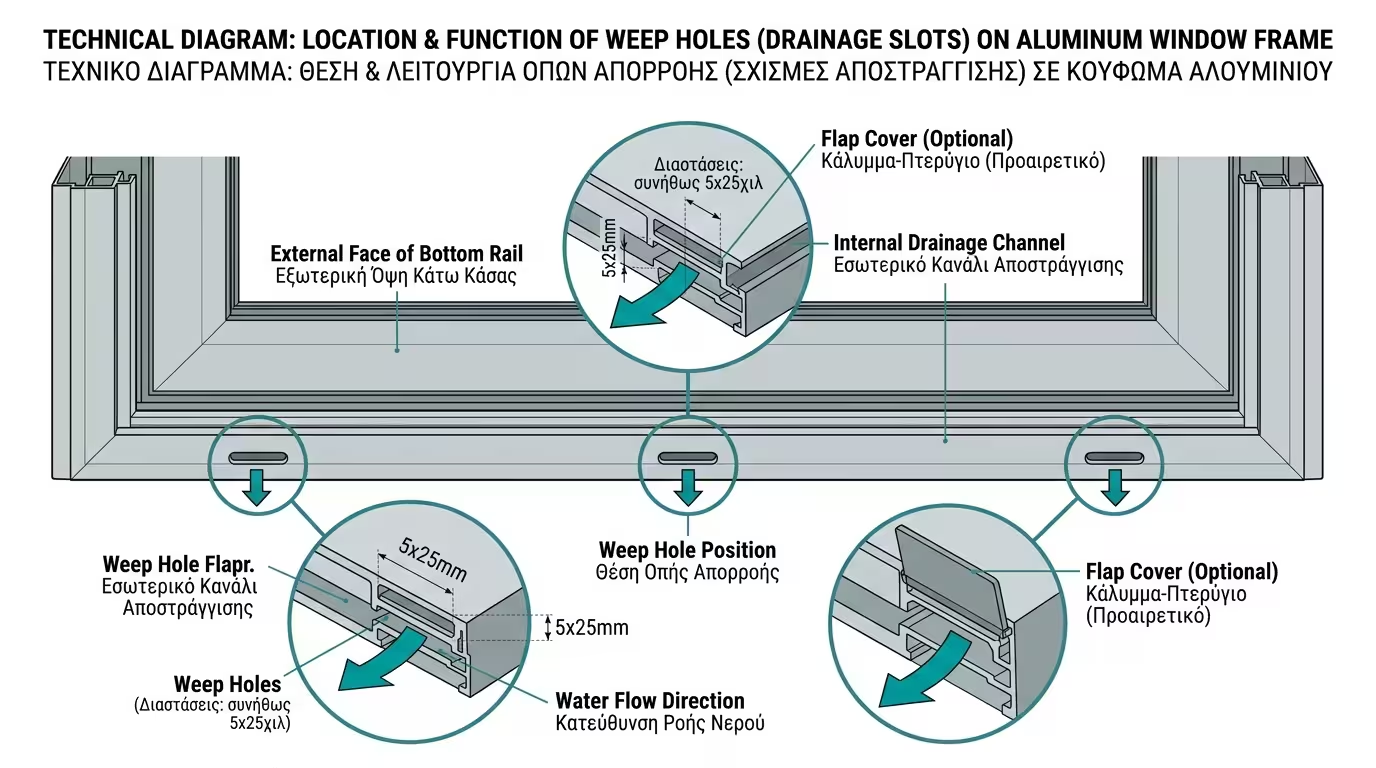
At the lowest point of the track (usually on the outer side facing the balcony), the manufacturer has cut small, elongated drainage slots. Water falls into the track, finds the slots and flows safely outside by gravity, onto the balcony marble.
🍂 Why They Get Blocked

During summer, while the windows are open, the track collects dust, pollen, pet hair and dried leaves. When the first autumn rain arrives, the water mixes with all this dirt, creating a thick mud that plugs the holes completely.

⚠️ The Result

During the next storm, water enters the track but finds no exit. The level rises dangerously and overflows into the house - a stressful sight, but fortunately one that is easily fixed.

Locate the Drains (From Outside)

Plastic drain covers at the base of an aluminium frame

Step out onto the balcony and look at the base of the aluminium frame from outside. You will see small plastic "caps" (drain covers). Remove them carefully by hand. If there are no caps, you'll see the elongated drainage slots cut directly into the aluminium profile.

DIY Unblocking: The 5-Minute Fix

The fix requires no special tools. This is absolute first aid before the water enters the house. In 5 simple steps you solve the problem yourself.

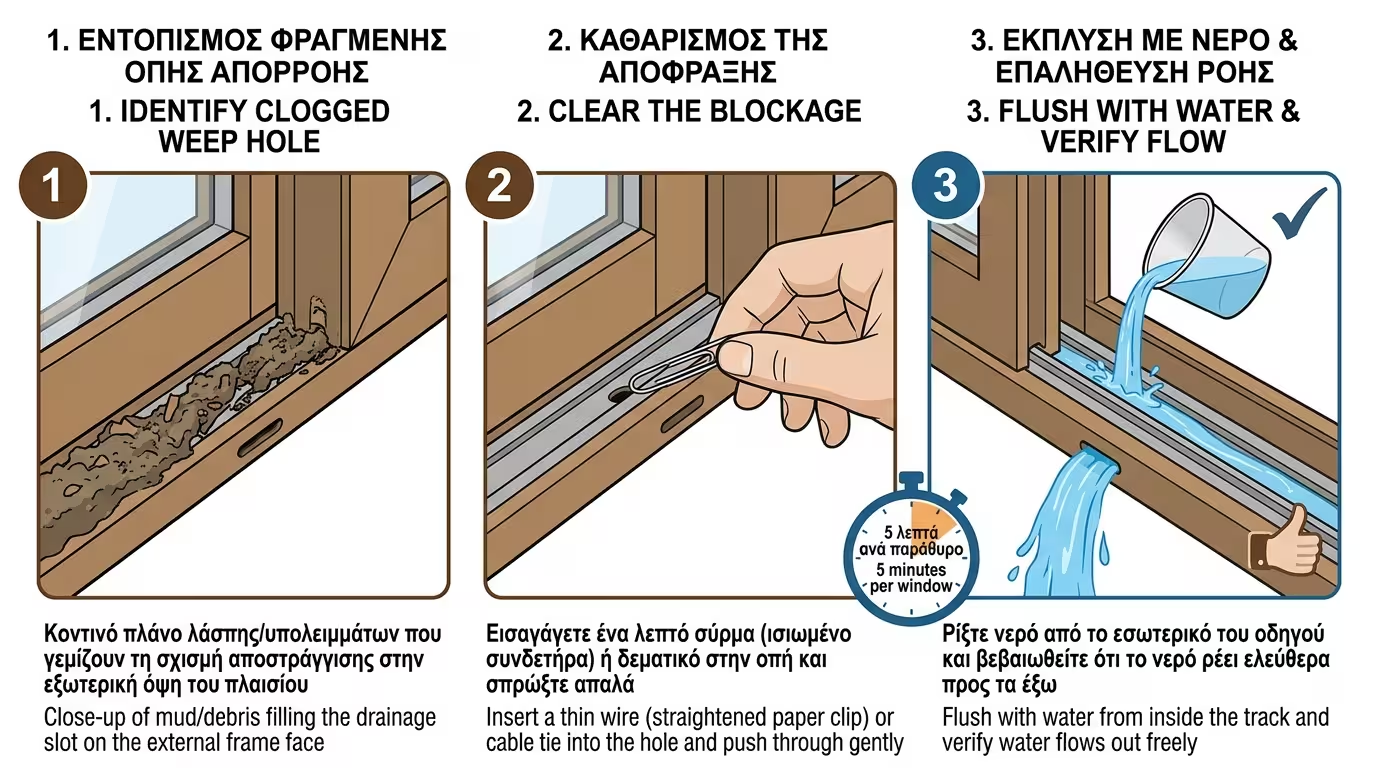
Clearing a drain hole with a straightened paper clip

1️⃣ Drain the Track

If the "pool" is already full, soak up the water with a sponge or old towels. If it's dry, vacuum out all debris with the crevice nozzle.

2️⃣ The Wire Trick

Take a straightened paper clip, a kebab skewer or a cable tie. Push gently into the hole from outside inwards to break up the mud "plug."

3️⃣ Repeat

Clear every hole (there may be 2–4 per sash). Don't leave even one blocked, or the system won't drain properly.

Water Test & Re-fitting the Caps

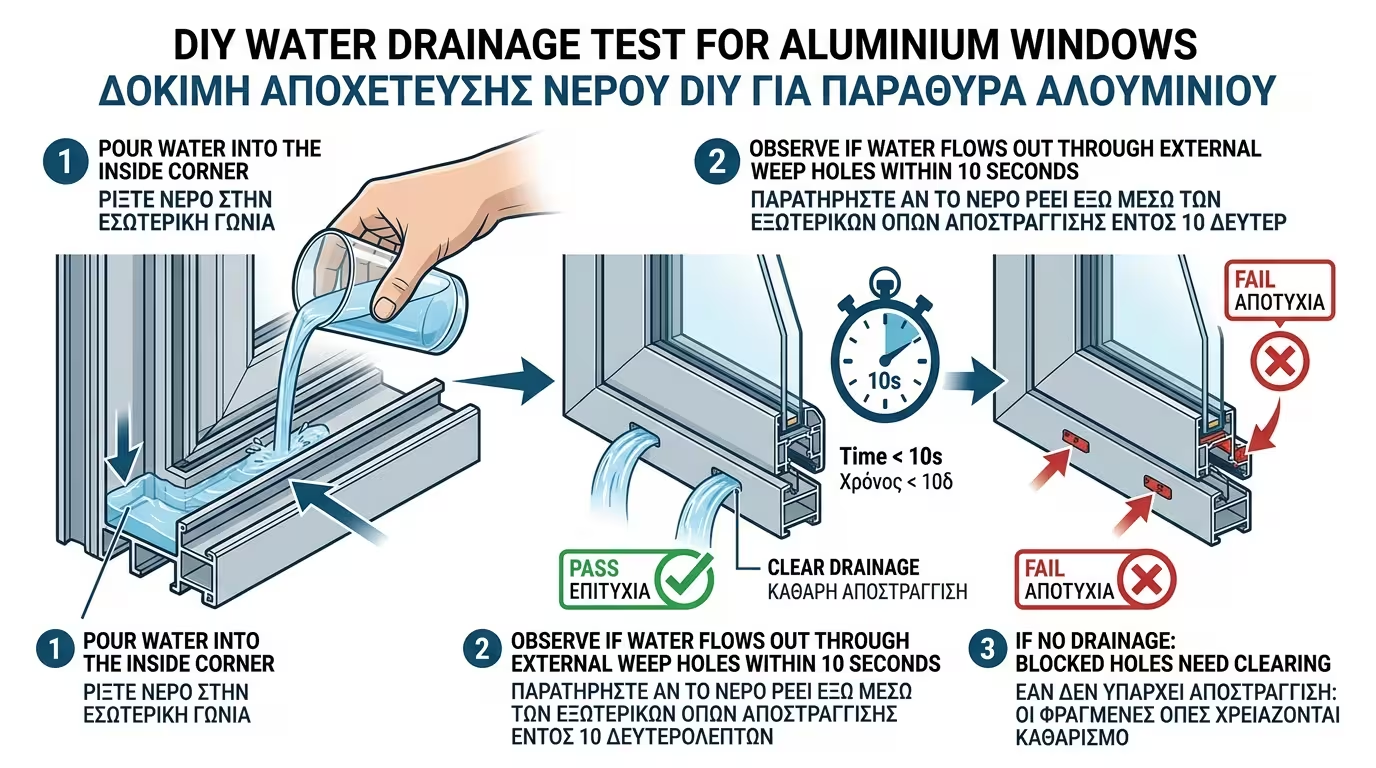
After clearing the holes, take a glass of clean water and pour it slowly into the track from inside. If you did a good job, you will see the water flow out freely and effortlessly onto the balcony!

Pouring a glass of water into the track to test drainage

✅ Refit the Caps

The plastic covers are not decorative! They act as one-way valves: they let water out, but stop strong wind gusts from pushing rainwater back into the living room. Without them, a strong westerly wind during a storm could easily force water inside.

📅 Prevention

Add track cleaning and drain inspection to your household routine every October - a 5-minute job that prevents a winter flood.

💡 Tip: Pooling water in the tracks is stressful but almost always caused by poor maintenance - not a faulty window. A 5-minute clean-up every October will keep you bone-dry all winter!

Related Articles

Preview