☀️ South-West Exposure
Windows facing south-west receive the maximum UV dose throughout the year. That's where chalking appears first and most intensely - often ≈5 years earlier than on the north side.
You run your finger across the balcony frame and it leaves a white, chalky powder on your skin. That isn't dirt - it's a natural phenomenon called the chalking effect, which appears after years of exposure to the intense Greek sun. The powder-coated finish gradually "releases" microscopic pigment particles as UV radiation breaks down the resin binder that holds the paint together.
The good news? If caught early, the shine can be restored with polishing - no repainting needed. The bad news? If left untreated, the finish erodes until bare metal is exposed, and only a full professional repaint from a specialised workshop can save the day. Let's see what you can do yourself at home.
Powder coating is baked at 200 °C, creating a hard ceramic membrane. Over time, UV radiation breaks the molecular bonds of the resin binder. The freed pigment particles sit loosely on the surface - that's the "chalk" you see. It typically appears on light-coloured and white windows after the first 5–10 years, depending on orientation and climate.
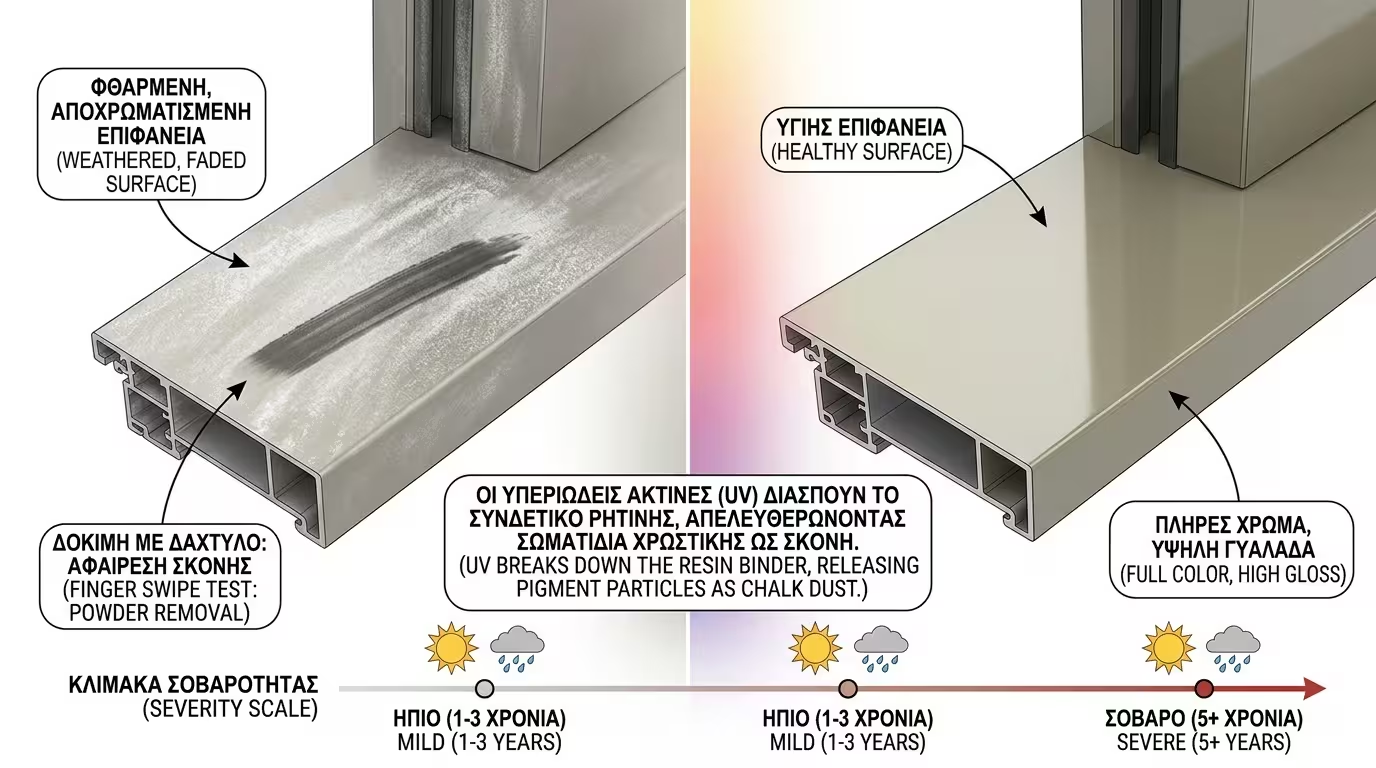
Windows facing south-west receive the maximum UV dose throughout the year. That's where chalking appears first and most intensely - often ≈5 years earlier than on the north side.
If the powder wipes off easily, the paint underneath is still sound. If you see scratches or bare grey metal, the damage is too advanced for polishing - time to repaint.
The best prevention strategy is annual polishing combined with carnauba wax. The earlier you catch the degradation, the cheaper and easier the restoration.
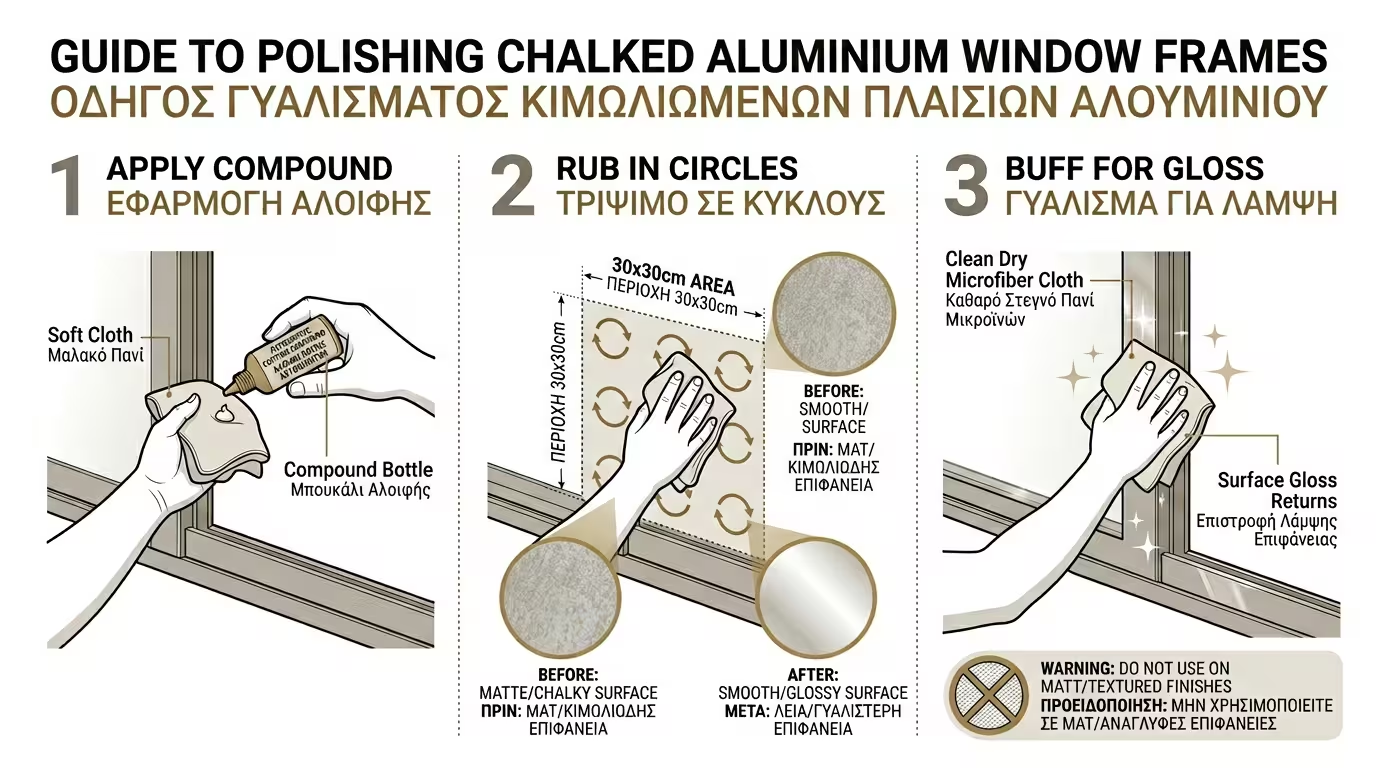
If the chalking powder wipes off but the paint underneath looks dull and washed-out, you can restore the shine without repainting. All you need is a non-abrasive car polish (or a mild cutting compound), two soft microfibre cloths and about 30 minutes per window.
First, wash the profile thoroughly with lukewarm water + dish soap. All chalking residue must be removed completely - otherwise you'll grind it into the finish and scratch it badly.
Apply a small amount of car polish to a soft cloth and rub in circular motions, section by section. The compound removes the dead layer of lacquer, revealing fresh paint underneath.
Wipe off the residue with a second clean microfibre cloth. You'll see the difference immediately - the polished area shines like new next to the still-dull surface.
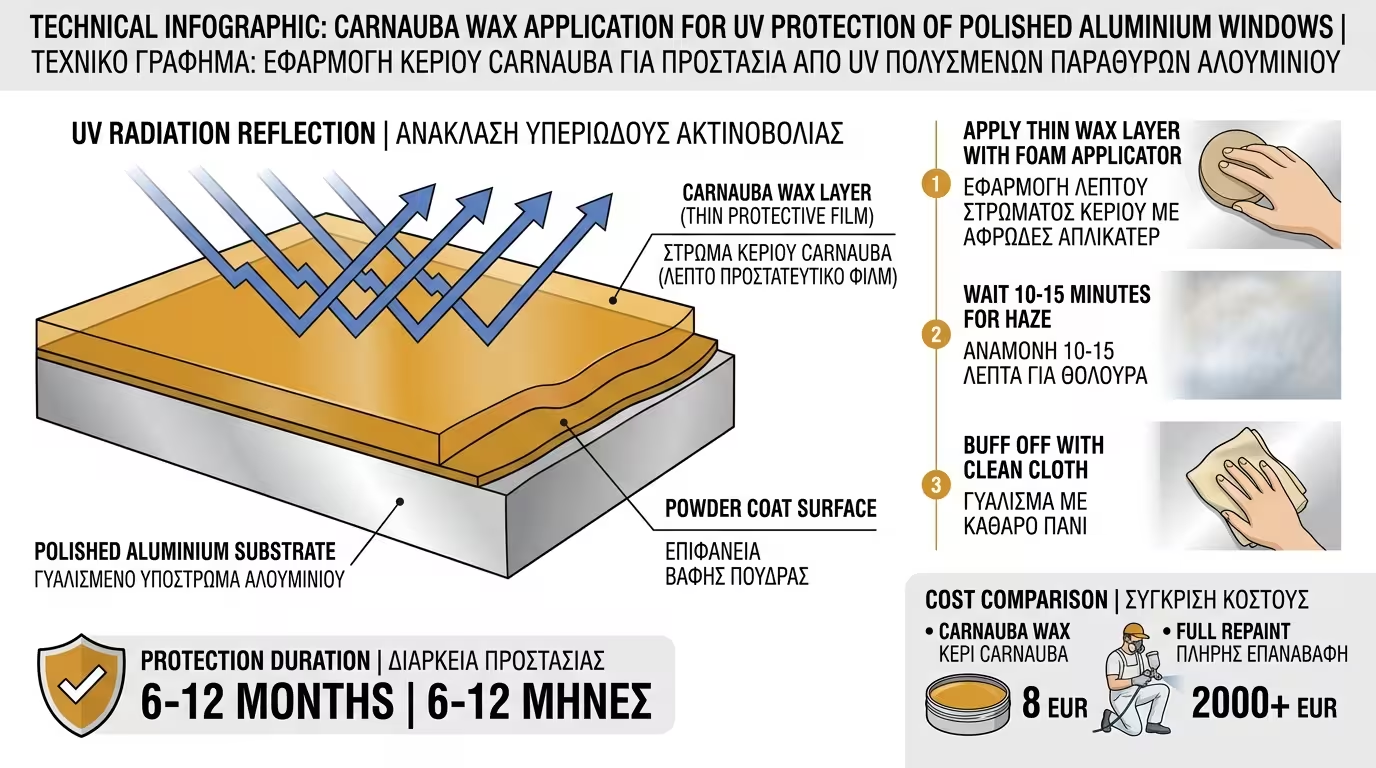
Finish by applying a layer of car wax (carnauba wax) to seal the freshly revealed paint surface and prevent further UV degradation.
Wax is not a cosmetic extra - it's a functional UV filter. It creates an invisible membrane over the paint that reflects a portion of the UV radiation, dramatically slowing down photo-degradation and preventing premature ageing of the surface. Ideally applied 1–2 times per year, after cleaning or polishing - use carnauba wax for the hardest, most durable protective film available.
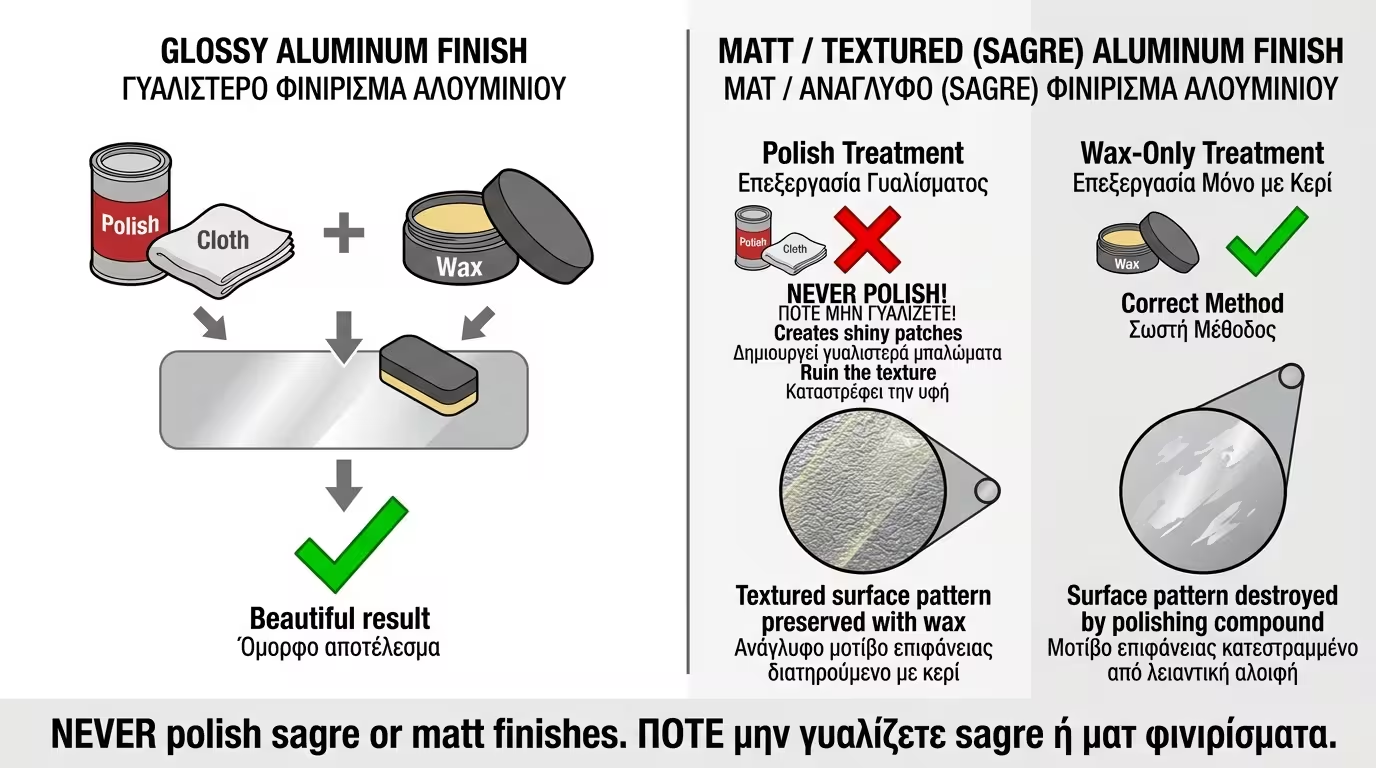
If your windows have a textured (sagrè) or matt finish, NEVER polish them! The compound will "shine up" localised patches, creating ugly glossy spots on the deliberately matt surface - damage that simply cannot be reversed without a full professional repaint.
For textured/matt colours, apply wax only after cleaning. Wax does not remove material; it simply seals. If the degradation is severe, the only solution is a full professional repaint. Contact us for a recommendation!
💡 Tip: A €10 car polish and an €8 carnauba wax can save you thousands of euros in window repainting costs. Make annual polishing a household routine - especially on the south-west facing side of your home!
Return to category.
Go to categoryReturn to the central guide.
Go to guide