ISO Certifications for Window Fabricators: Are They Worth the Extra Cost?

You are searching for a fabricator and on their website you see: "ISO 9001 & ISO 14001 Certified". Nice. But what does that actually mean for you, the customer who is about to spend €5,000 – €12,000?

Let us clarify what each certification does, why it is not a given, and when it is worth paying more for a certified professional.

1. ISO 9001: Quality Management - A Production Line Without Surprises

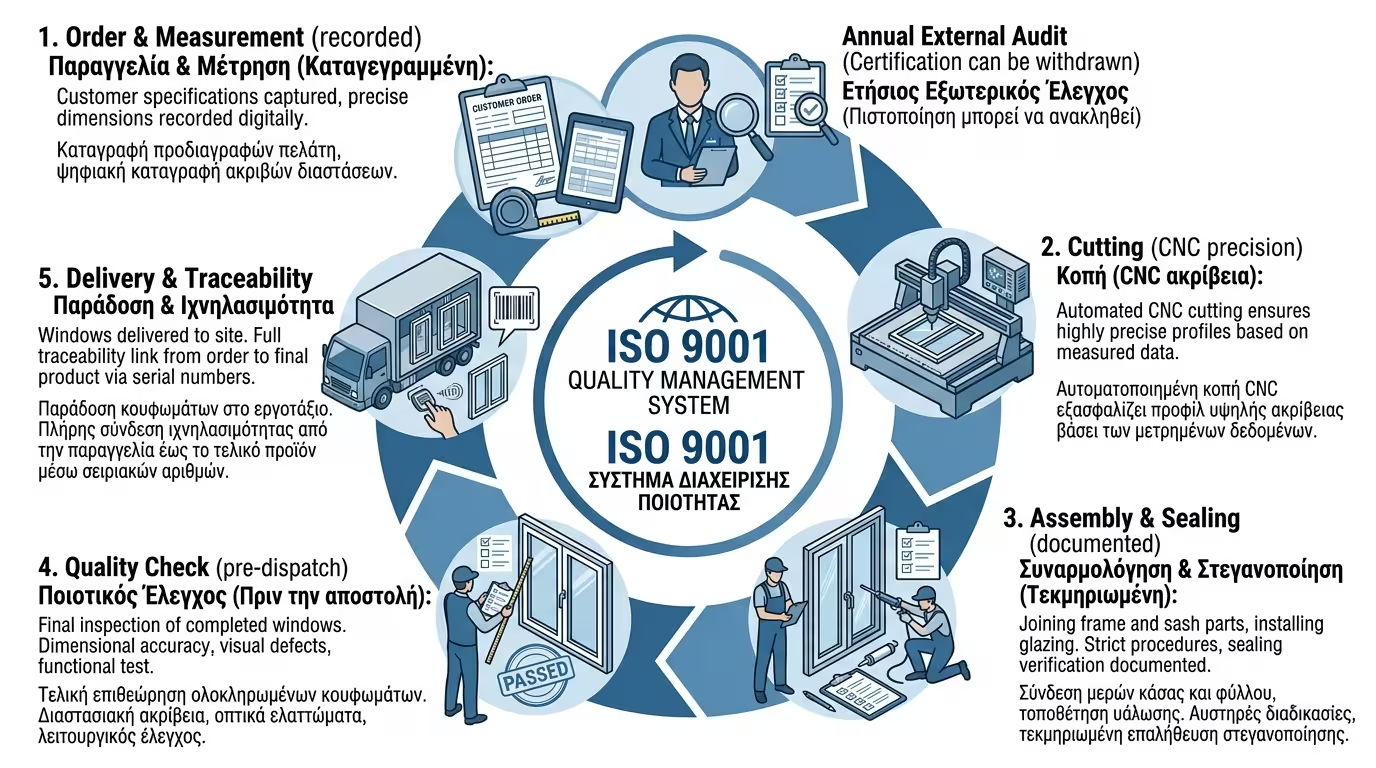
ISO 9001 does not say the window is "good". It says the workshop follows a standardised process - every time, for every order. That means consistency: if the first balcony door came out well, the tenth will come out equally well.

ISO 9001 - quality management system, standardised window production

📋 What Is Checked

Everything, from order-taking (did the technician measure correctly? Was it recorded?) to cutting, assembly, sealing and the final quality check before the window leaves the workshop. Every step is documented. If something goes wrong, the cause is traced immediately because a full audit trail (traceability) exists. This documentation is also invaluable in a dispute after installation.
🔍 The Annual Audit

One of the most critical points: ISO 9001 is not a certificate you obtain once and forget. Every year, an independent auditor (from certified bodies like TÜV, EUROCERT, Lloyd's etc.) visits the workshop, checks records, observes production and can withdraw the certification if irregularities are found. This does not apply to a non-certified fabricator - there you rely solely on reputation and word of honour.

📊 What the Customer Gains

Fewer chances of manufacturing errors (wrong dimensions, poor sealing, forgotten gasket), faster delivery (because the workshop does not "scramble" but follows a structured schedule), and better after-sales response if a repair or part replacement is needed.

2. ISO 14001: Environmental Management - Beyond Greenwashing

Many companies talk about "green" products without any proof. ISO 14001 is not marketing: it is an audited, certified system proving the workshop actively measures, controls and reduces its environmental footprint.

ISO 14001 - environmental management, aluminium recycling

♻️ What It Means in Practice

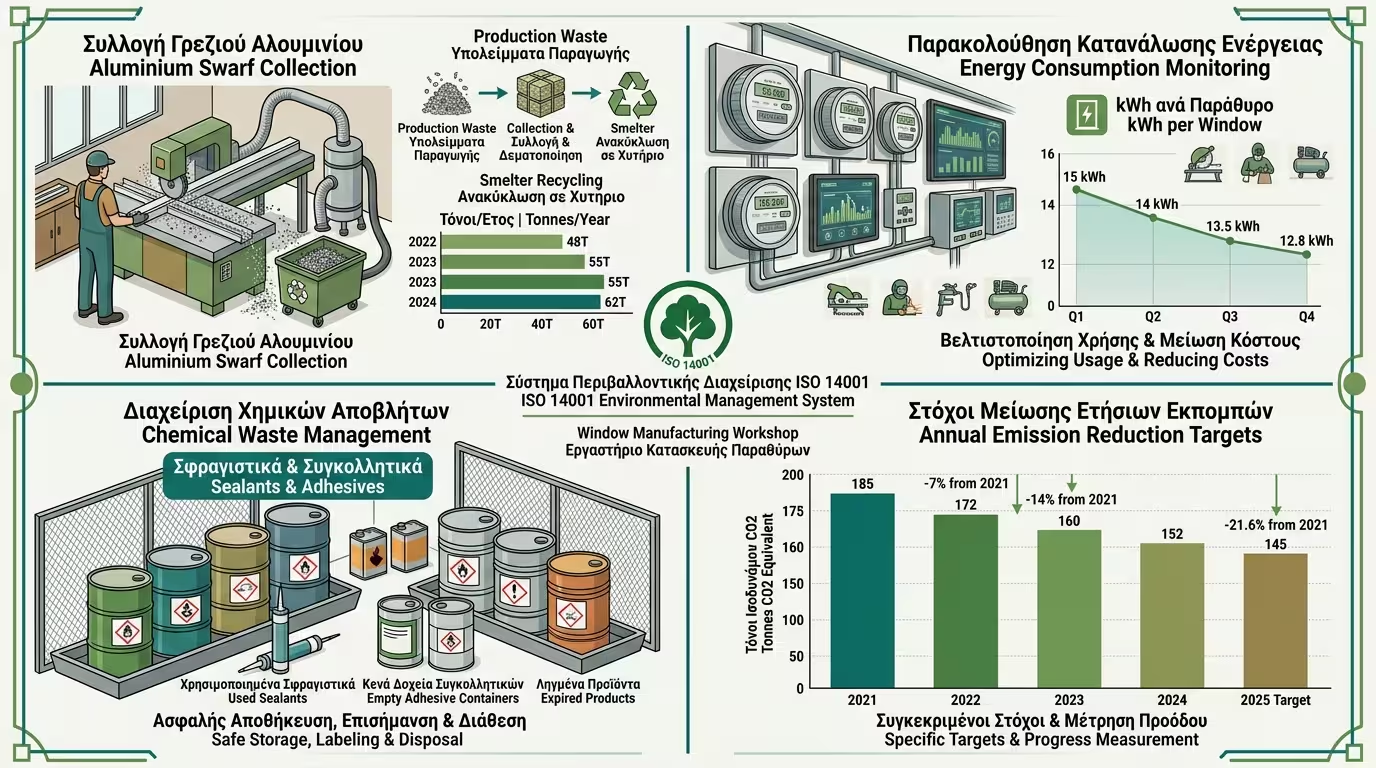
The workshop recycles aluminium swarf (which would otherwise end up as construction waste), tracks energy consumption (electricity, gas if applicable), properly manages chemical waste (sealants, adhesive liquids) and sets annual emission-reduction targets. It must maintain measurable data (tonnes of recycled material, kWh per window) and present it to the auditor.

🌱 Why You Should Care

In Greece, aluminium windows account for a huge share of the market (>80%). If every workshop dumped its swarf in landfill, secondary pollution would be significant. Also, if you are aiming for LEED or BREEAM certification for your building, you need provenance documentation from certified suppliers - and ISO 14001 covers you completely.

3. Is the Extra Cost Worth It? An Absolutely Honest Answer

Is ISO worth it - cost vs benefit, large vs small jobs

Let us be completely honest: a certified fabricator typically charges 5% – 15% more than a non-certified neighbour. Is that justified?

✅ When It Is 100% Worth It

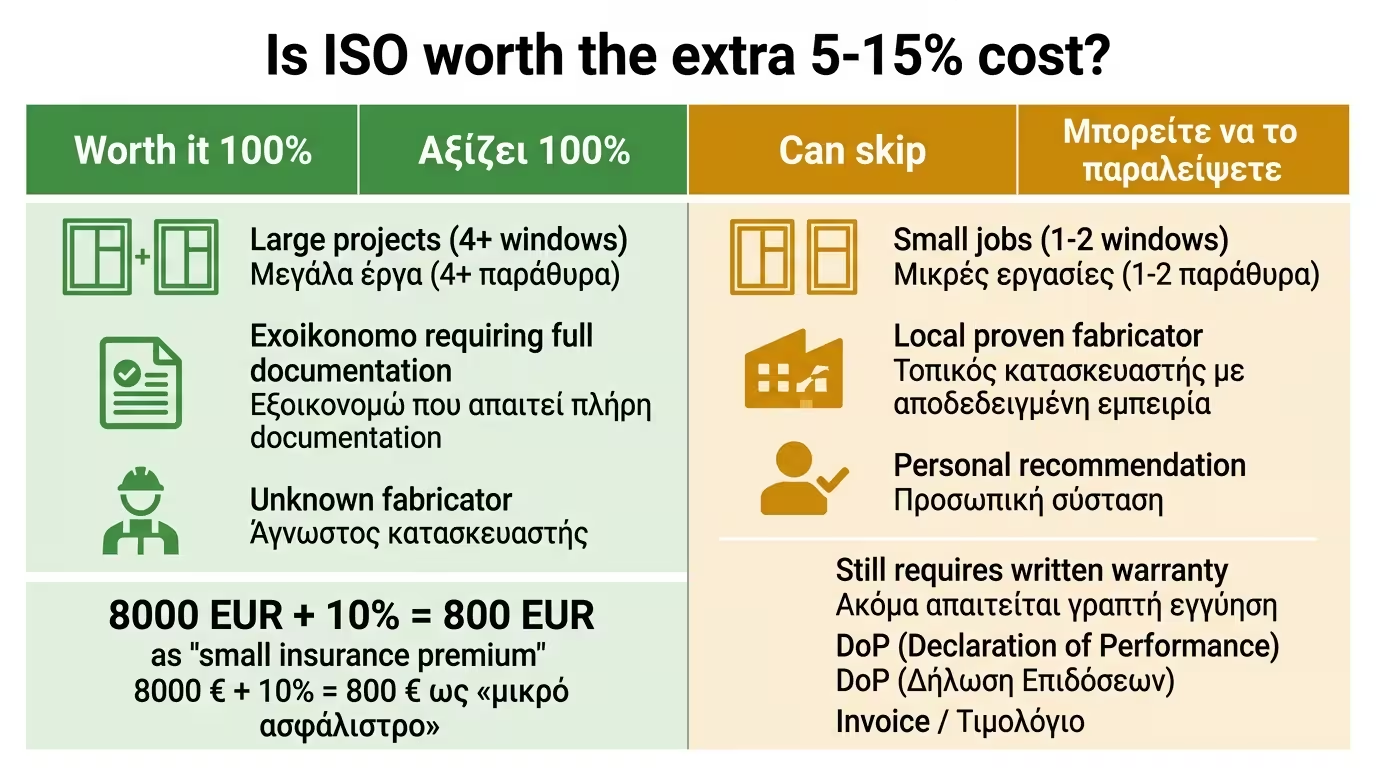
On large projects (over 4–5 windows, or in buildings/hotels) where a single mistake multiplies. On projects through "Exoikonomo" where full documentation (DoP, CE, certificates) is required. In cases where you do not know the fabricator - the certification partially replaces the trust relationship. If you pay €8,000 for windows, a +10% (€800) for proven quality consistency is a small insurance premium.

⚠️ When You Can "Skip It"

On small jobs (1–2 windows at a holiday home), if the fabricator is local, proven and personally recommended. Certification is then not essential - but always ask for a written warranty , DoP and invoice.

4. Summary: The Quality Seal in 30 Seconds

ISO 9001 guarantees production consistency: every window is made the same way and checked before dispatch. ISO 14001 guarantees environmental responsibility: recycling, proper waste management, footprint measurement.

ISO summary - quality seal, annual audit, consistency

🔑 Key Takeaways

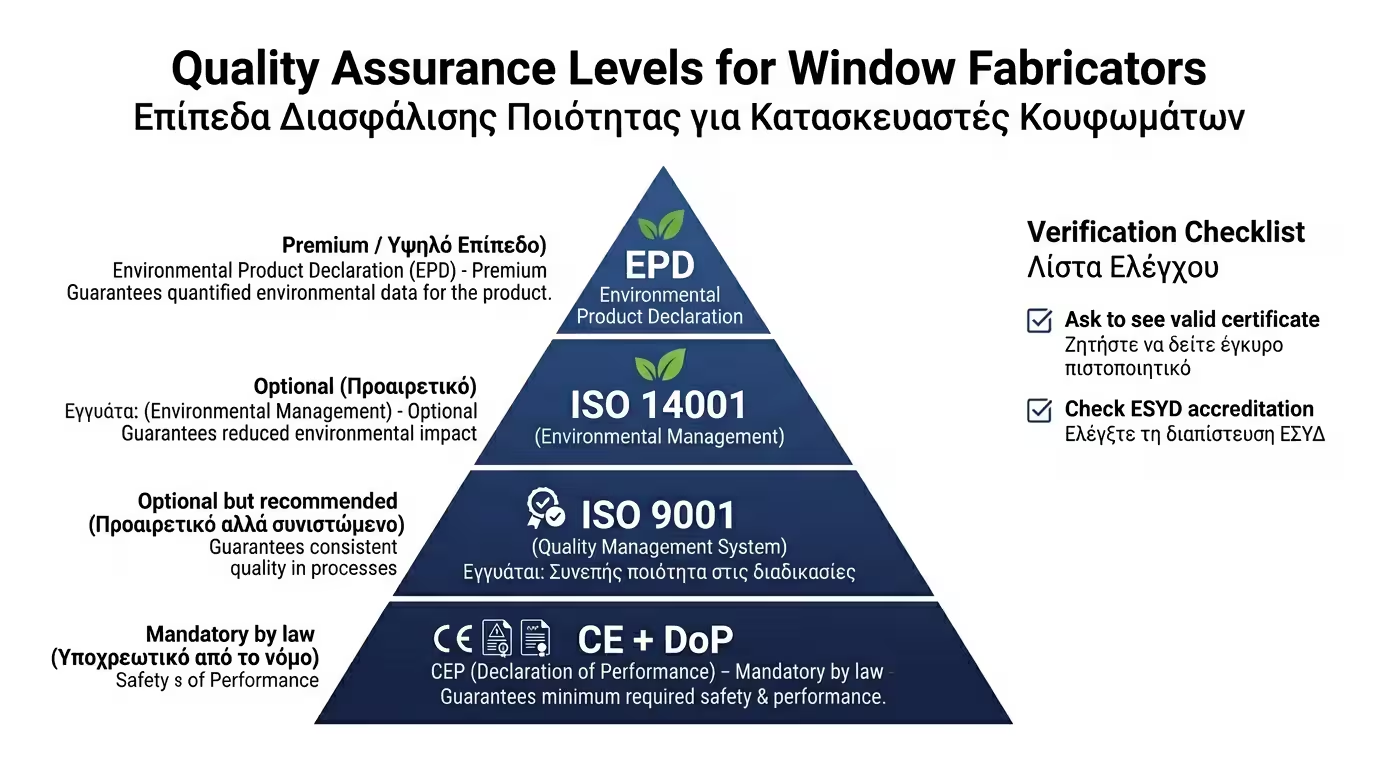
First, certification does not guarantee that a specific window is "the best" - it guarantees that the process that produced it is audited. Second, it is checked every year by an external body - not a certificate you frame and forget. Third, on large and critical projects, it is perhaps the cheapest insurance for your money. Always ask the fabricator: "Can I see your valid ISO certificate?" and check that the certifying body is accredited by ESYD (Hellenic Accreditation System).

Related Articles

Preview