The Importance of the Showroom: What to Check When Visiting a Fabricator

You got in the car and arrived at the aluminium fabricator's showroom. Your purpose is to see colours, get an idea of the designs and ask for a quote.

Most customers take a quick look around, say "yes, that grey looks nice", sit down and wait for the price. This is a huge mistake! The showroom is not just a colour display - it is the fabricator's "CV". The samples you see on display are the best work the workshop can produce. If those have defects, imagine what your windows will look like under time pressure.

1. Cutting Angles: Where the "Craftsman" Shows

The most critical point in an aluminium window is how the vertical and horizontal profiles meet at the 45-degree mitre joints.

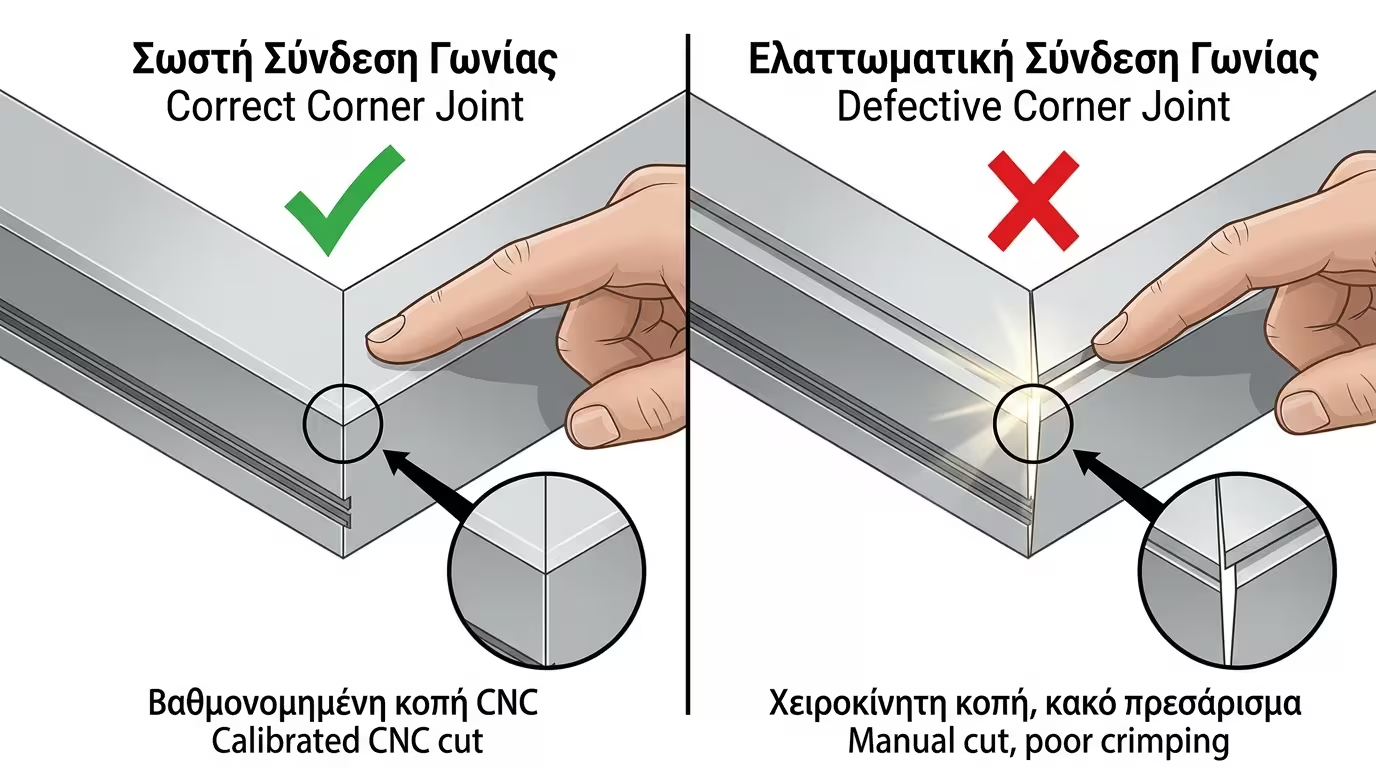
Aluminium cutting angles - assembly quality

✅ What's Right

Run your finger over the joint. The surface must be perfectly smooth - you should not feel a "step" (one profile protruding) or any gap. A perfect corner means the fabricator has modern, calibrated cutting machines and performs proper corner crimping. This precision ensures that no air or water can penetrate through the joints.
❌ What's Wrong

If you can see light through the joint or if the metal scratches you, your future window will let in air and water. Remember: these are the showroom samples - the best the workshop can produce. If these are not perfect, do not expect miracles on your project.

2. The "One Finger Test" (Sliding & Hardware)

Modern energy-efficient windows, due to thick glazing, are extremely heavy. A large balcony door can weigh over 100 kg.

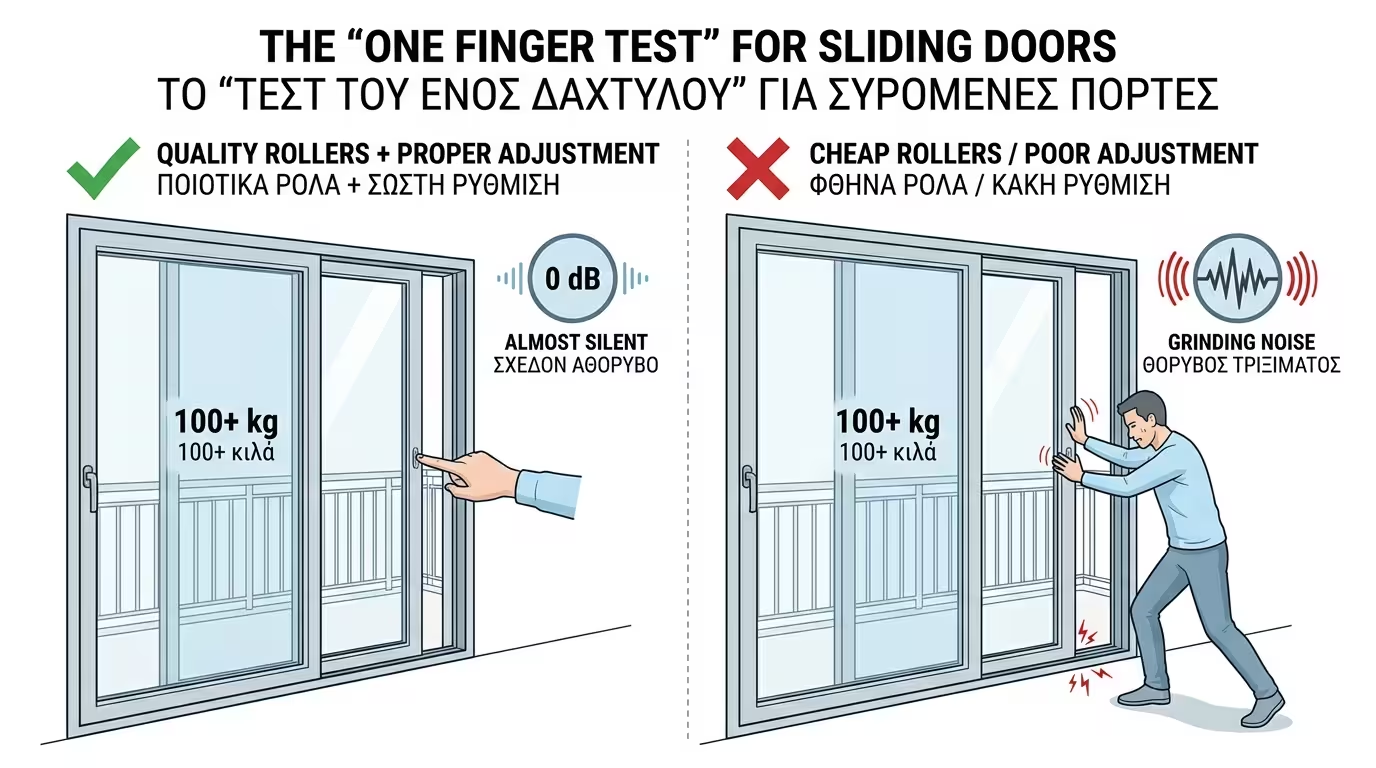
Sliding test - one finger, silent operation

✅ What's Right

Open and close the sliding samples. Turn the handles (espagnolettes) on the tilt-and-turn units. Even the heaviest sliding door must glide silently and open/close literally with one finger. The handle must turn "sweetly", without force and without any metallic scraping noise.

❌ What's Wrong

If the door in the showroom "sticks", is heavy to slide or the handle creaks, it means poor hardware adjustment or cheap rollers. In your home, things will be even worse - daily use causes wear, it does not improve.

3. The Gasket Detail (The Art of Sealing)

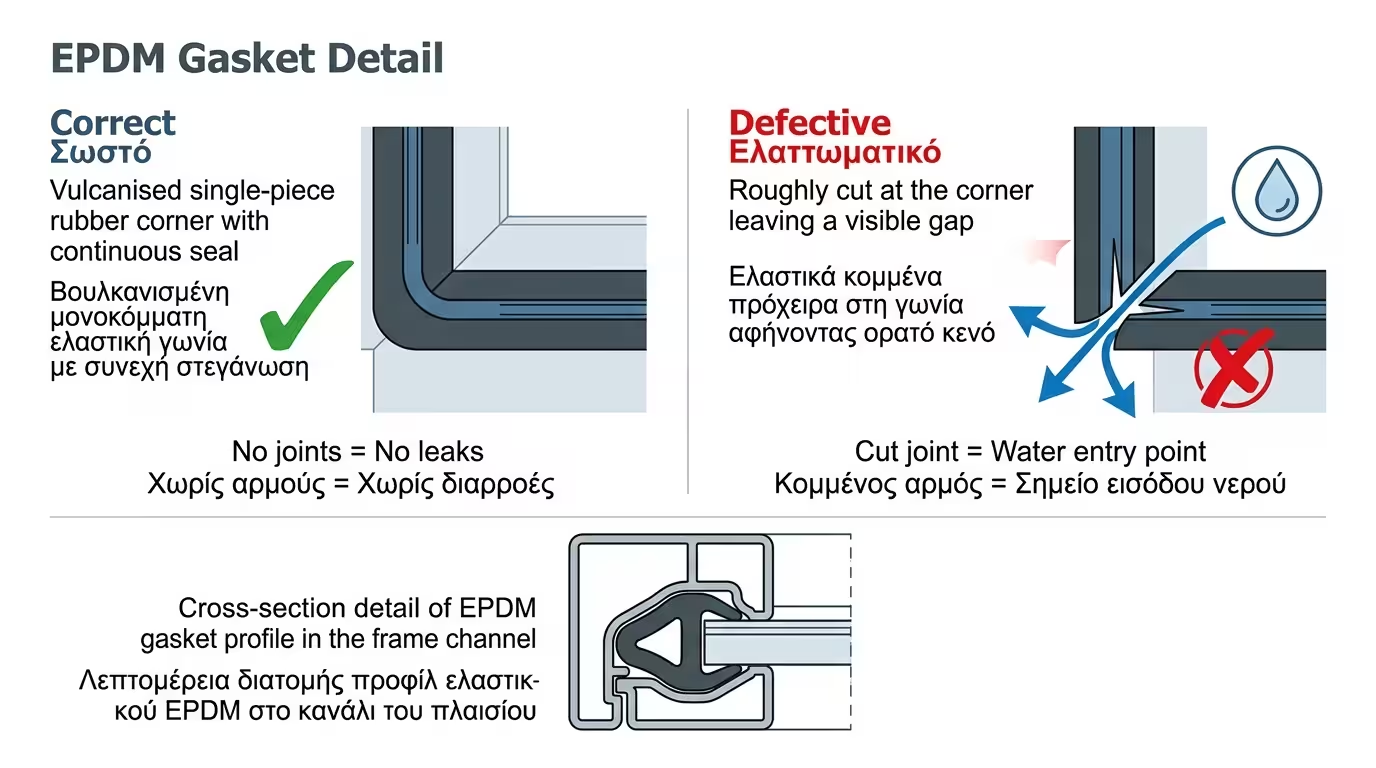
EPDM gaskets - sealing, vulcanised corners

The black EPDM gaskets around the glass and frame are your shield against rain and wind.

✅ What's Right

Look at how the gaskets fit, especially at the corners. A proper professional uses "vulcanised" corners (pre-made, single-piece rubber corners) or bends the gasket continuously without cutting it, so there are no joints that leak water.

❌ What's Wrong

If you see gaskets roughly cut at the corners, leaving gaps or wrinkled, it is a sign of hasty workmanship. Moisture and air will find their way in. This means the fabricator is saving time at the expense of quality.

4. The Professional's Own Behaviour

The showroom showcases not just the aluminium , but also the person you will be working with.

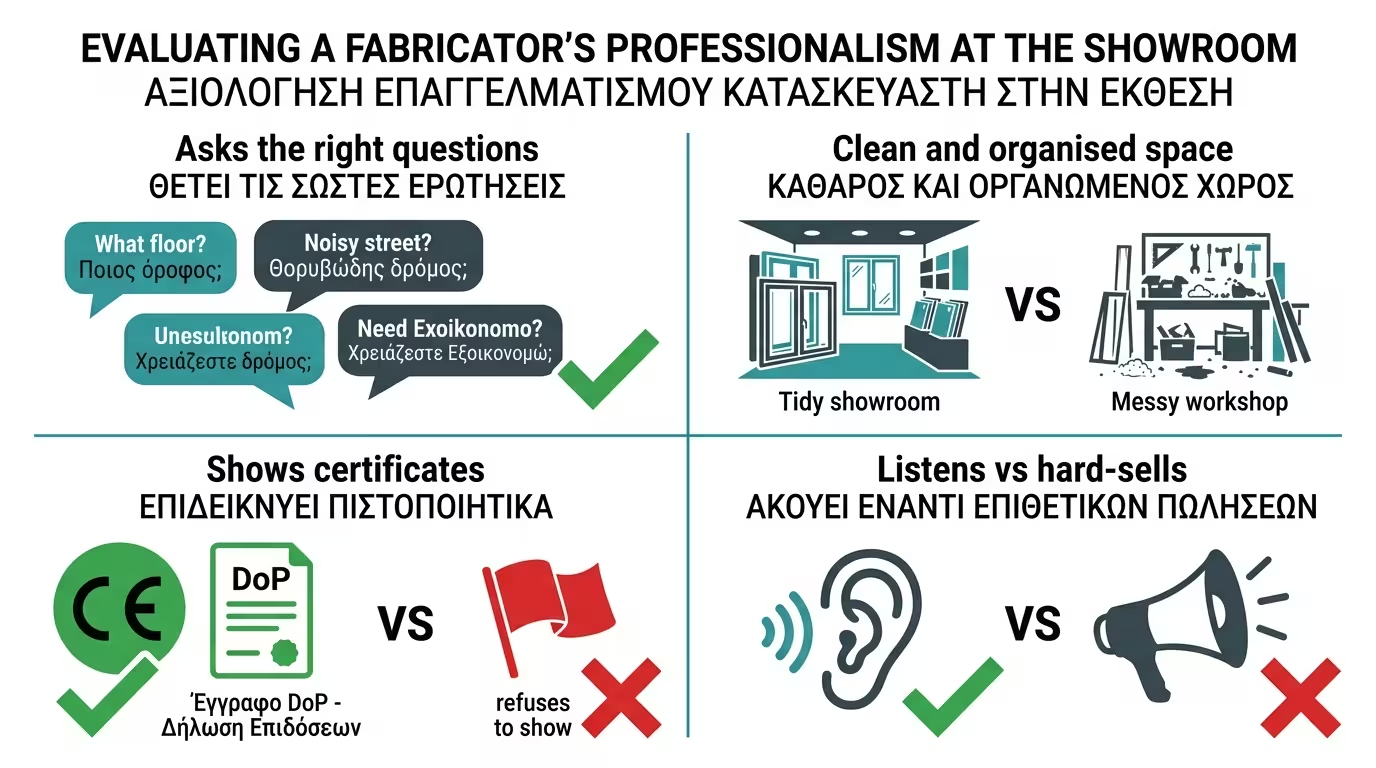
Professional behaviour - questions, cleanliness, CE/DoP

🤝 Questions They Should Ask

Do they ask about your needs? "What floor do you live on?", "Is your street noisy?" These questions show they care about recommending the right glass (e.g. acoustic for noisy streets) rather than just selling "by the metre" the most expensive profile. A serious professional will also ask if you need Exoikonomo documentation, to prepare CE/DoP correctly.

🧹 Cleanliness & Certificates

Is the premises clean and tidy? A professional who does not care for their showroom will rarely respect the cleanliness of your living room during installation. Ask if they can show certificates (CE, DoP) - if they refuse, that is a serious red flag.

Related Articles

Preview