⚖️ Metal Weight
Heavy-duty series contain more aluminium per linear metre and cost proportionally more. A thinner profile would theoretically be cheaper, but would fall short on strength and energy performance.
You are holding the manufacturer's quote for your new balcony door. The bottom line reads "€1,200." You look at your old window and think: "Twelve hundred euros for four pieces of aluminium around the edges?"
The truth is that when you pay for a window, you are buying a complex "machine" made of dozens of different materials and many hours of specialised labour. Let us do an "X-ray" of the cost, like a pie chart that slices the price into pieces.
This is the "skeleton" of the window - the frame and the sash. It is the material your manufacturer purchases from major extrusion plants (e.g. Alumil, Europa, Exalco).
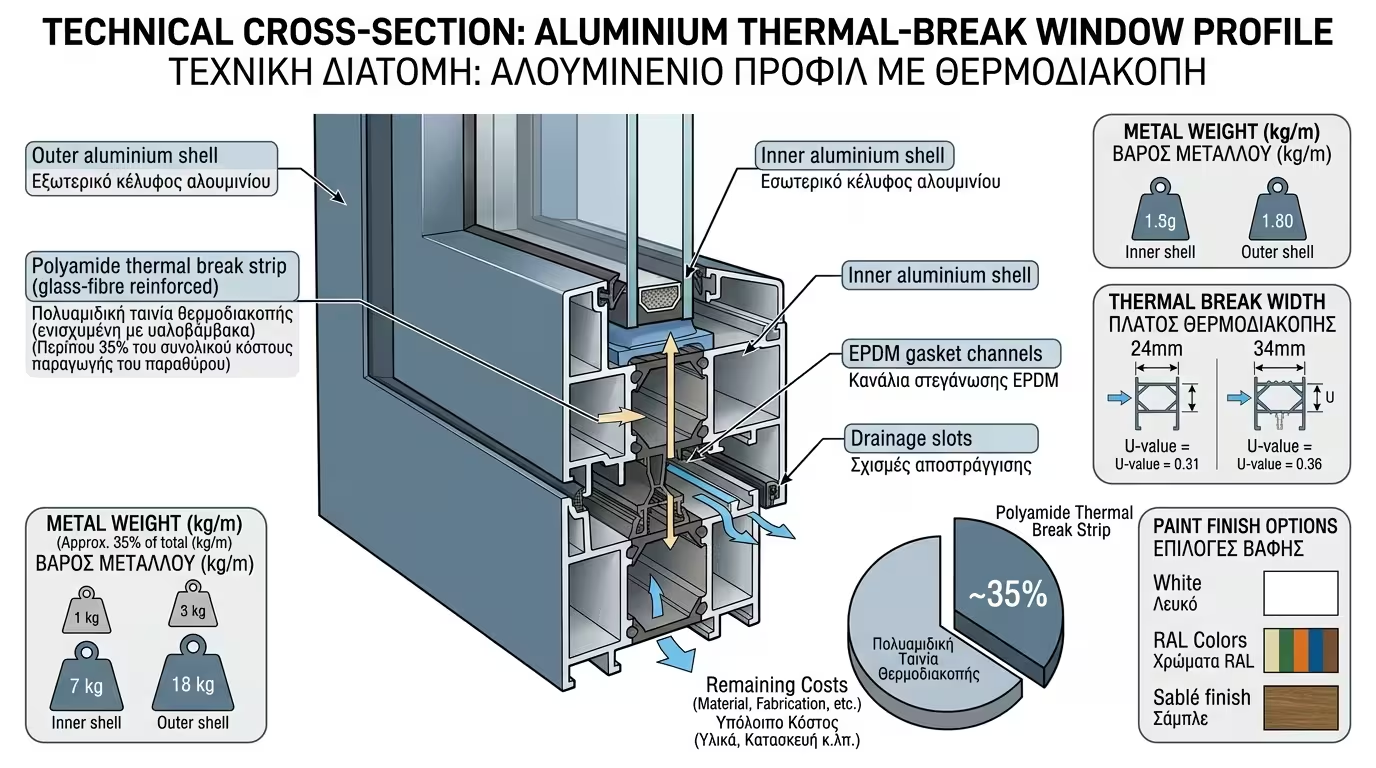
Heavy-duty series contain more aluminium per linear metre and cost proportionally more. A thinner profile would theoretically be cheaper, but would fall short on strength and energy performance.
The special polyamide (glass-fibre-reinforced plastic insulator) inserted between the two aluminium halves prevents cold transfer in winter. Without a thermal break, aluminium "freezes" and sweats. This material raises both performance and price.
Classic white is the most economical. Special colours (Sablé, anthracite, wood-look) significantly increase the cost of this slice. Sublimation (wood-film transfer) pushes prices even higher due to manual factory work.
This is probably the biggest shock for customers. Glass covers 70–80% of the window surface and constitutes a huge share of the cost. You are no longer buying the basic single panes of the 1980s.
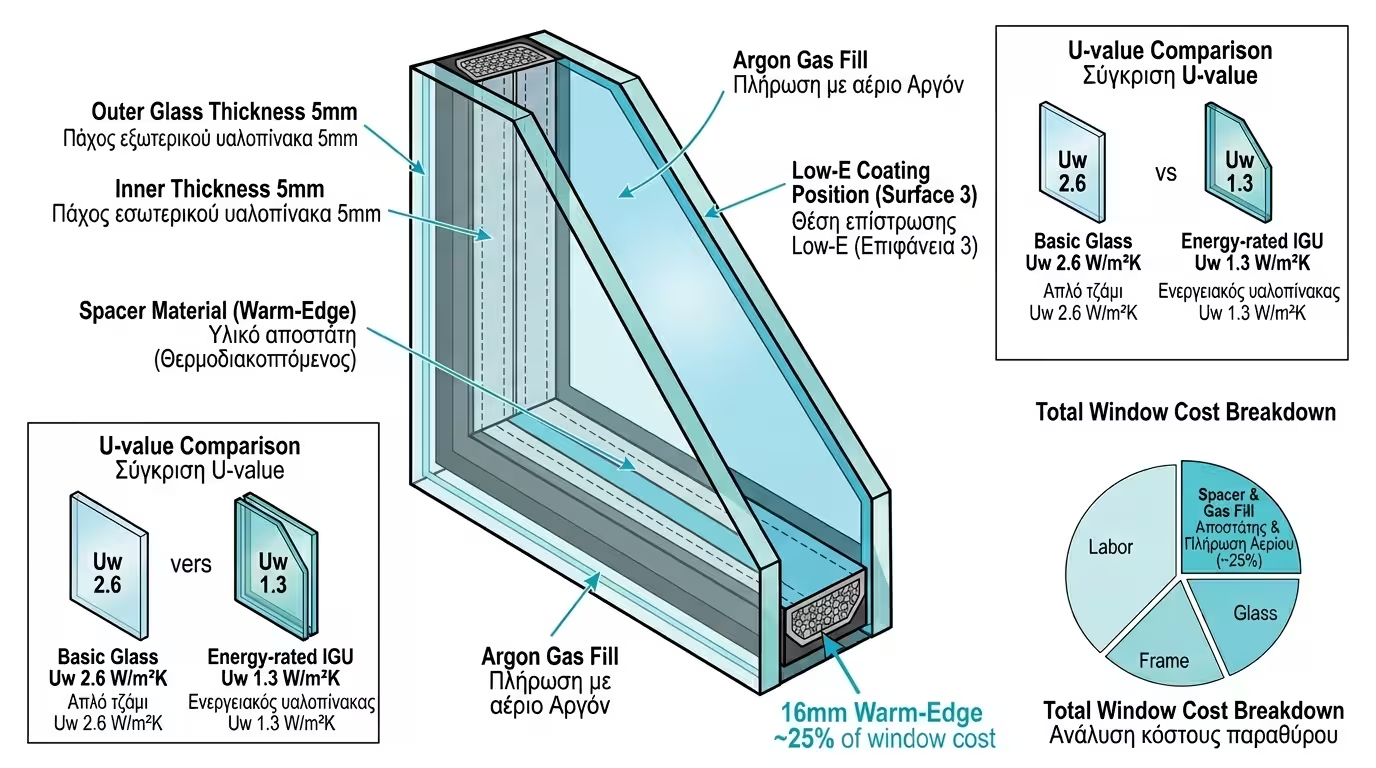
Special metal coatings (nano-scale sputtering) on the inner glass surface reflect radiator heat back into the room in winter. These energy-rated crystals are far more expensive than ordinary glass.
The noble gas filling the gap between the two panes of a double-glazed unit offers significantly better thermal insulation than ordinary air. Argon boosts the insulating capacity by roughly 30% compared to air.
If you want glass that does not shatter (like a windscreen) for protection against burglars or accidents, Laminated/Triplex technology raises costs significantly but is worthwhile for ground floors, children's rooms and stairwells.
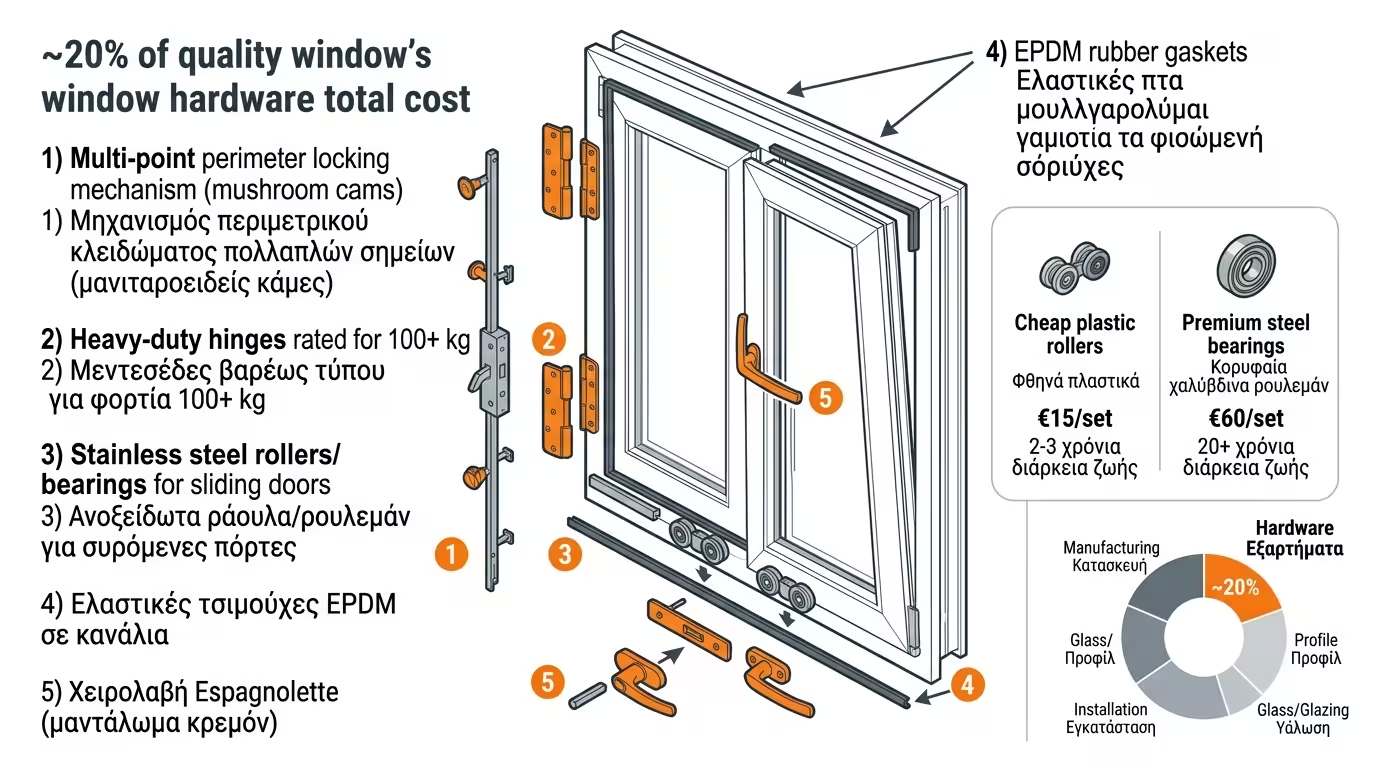
A window does not stand by magic. It needs mechanisms to open, tilt, seal and lock. This is where "invisible" quality hides.
The "mushroom" cams that lock the door at multiple points (mechanisms by GU, Giesse, Winkhaus). They ensure water and air tightness plus break-in resistance. Quality mechanisms cost 3–5× more than cheap alternatives but last for decades.
Bearings that carry 100+ kg loads so the balcony door opens with one finger. Cheap plastic rollers melt in 2–3 years, while heavy-duty steel ones endure decades without servicing.
The sealing materials and handle (espagnolette) deliver the final feel of quality. EPDM gaskets retain flexibility for 15–20 years, while cheap PVC seals harden and crack in 3–5 years, leaving gaps in the seal.
Raw materials do not become a window on their own. The manufacturer buys 6-metre aluminium bars and uncut glass. This cost slice pays for transforming raw materials into a finished, installed product.
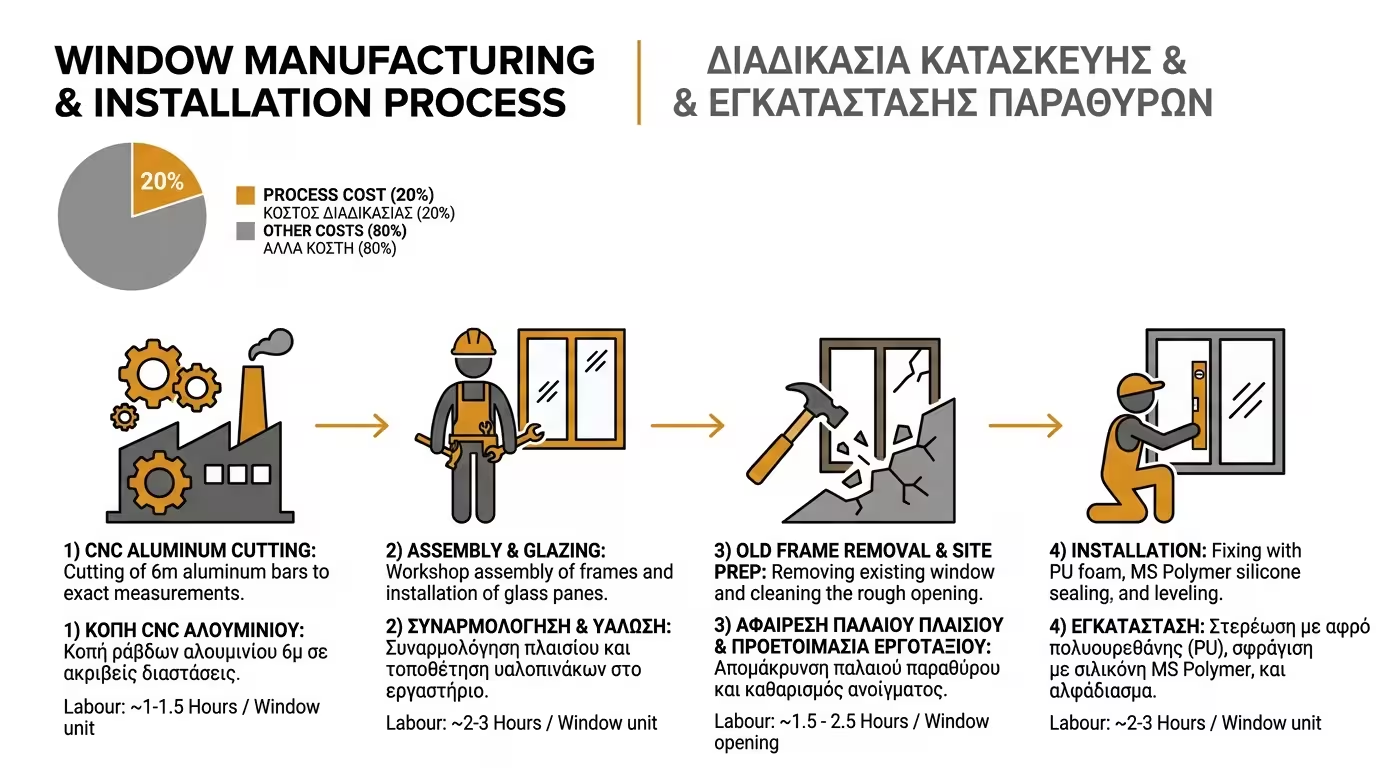
The know-how, CNC cutting machines, design and craftsmanship hours that "tailor" the window to the exact measurements of your home. Every door is made to order - it does not come off the shelf.
Removal of old frames, transport, consumables (PU foam, premium silicones) and the crew's labour. Proper installation means perfectly levelled frames, correct fixing/sealing and zero draughts.
When you understand how cost is distributed, you become a smarter buyer. It is a huge mistake to choose an expensive profile but cheap mechanisms and basic glass. Your money should be distributed evenly for a window that lasts a lifetime.
Return to category.
Go to categoryReturn to the central guide.
Go to guide