How Does Colour Affect Window Price? (RAL, Sablé, Wood-Look)
Many customers say: "I want anthracite windows - they reflect the modern
aesthetic of my home better." And they are absolutely right
aesthetically. What they forget, however, is that painting a window
is not just a coat of paint.
The final price of an aluminium window can change dramatically depending
on the colour you choose. Let us look at the 4 main colour categories and how each affects the final bill.
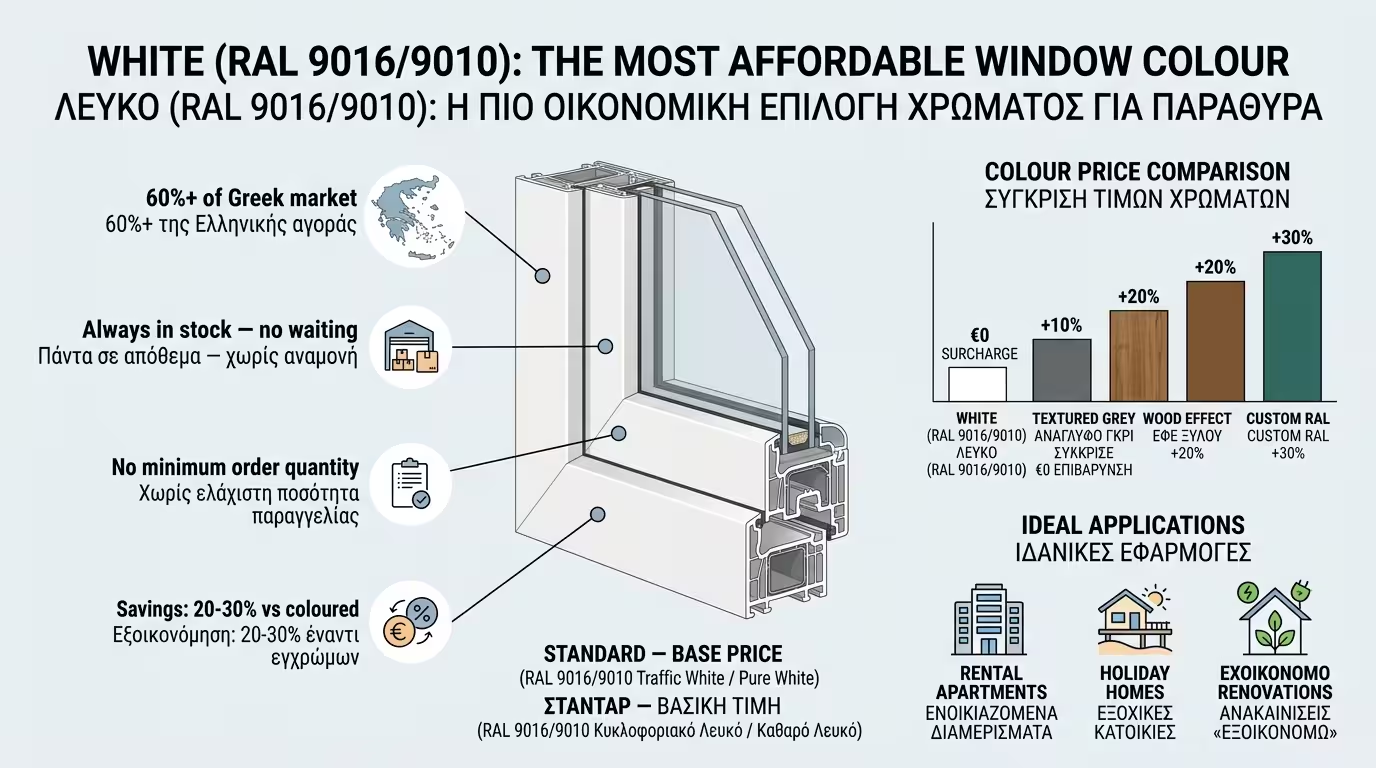
1. White (Standard): The Most Affordable Choice
Classic white (RAL 9016 or RAL 9010) is by far
the most popular choice in Greece. Over 60% of windows sold are white. This
means manufacturers produce profiles in massive quantities, drastically
lowering the cost.
💰 Why It's Cheap
Mass production means white profiles are already in stock at warehouses. The fabricator orders them without waiting time, without
minimum order quantities, and without additional painting costs. This
is why the base price of every window always refers to white.
🏠 When It's Worth It
If your budget is limited or you are replacing windows
across many openings simultaneously, white is the smartest choice. You
save 20% – 30% compared to coloured options, with zero compromise on quality,
insulation or durability. Ideal for rental apartments, holiday homes and
"Exoikonomo" renovations.
If you want something beyond classic white - a dark
anthracite (7016), black, grey or any RAL colour -
the price rises significantly because production runs are in
smaller batches.
🎨 What Is RAL
An international colour coding system (e.g. RAL 7016 Anthracite, RAL
8017 Chocolate Brown). The fabricator must order the profile specially from the factory, paying an additional painting fee, minimum batch charge,
and waiting 2–4 weeks for delivery.
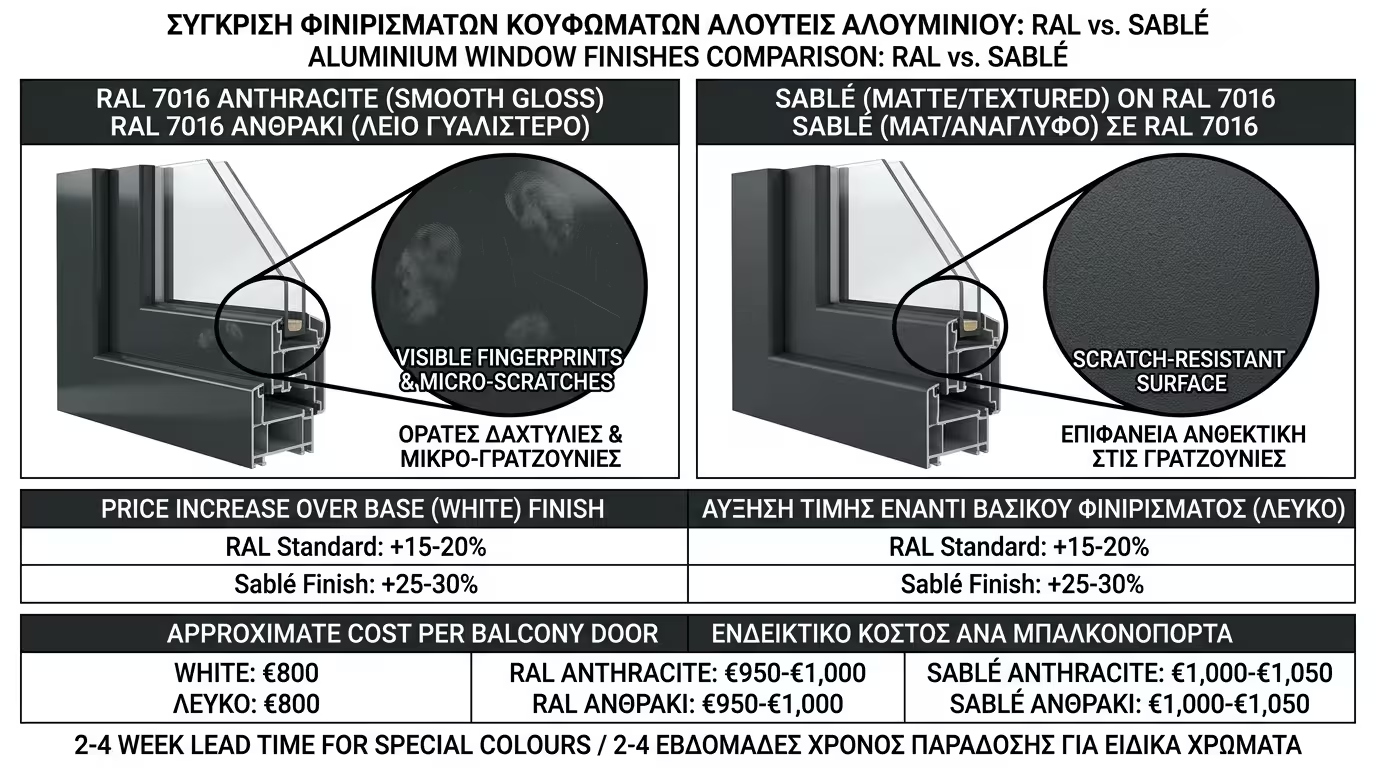
🛡️ What Is Sablé (Matte)
A special paint technique that delivers a matte, textured
finish - extremely resistant to scratches, fingerprints and UV. On very
dark colours (black, anthracite), Sablé is practically essential because a smooth gloss finish shows every scratch. This technique costs
10% – 15% more than standard gloss RAL.
📊 The Cost in Practice
For a typical casement balcony door, the difference between white
and anthracite can reach €150 – €250 per window. If
you are replacing 6–8 windows, that means
€1,000 – €2,000 total difference - a significant factor
in budget planning.
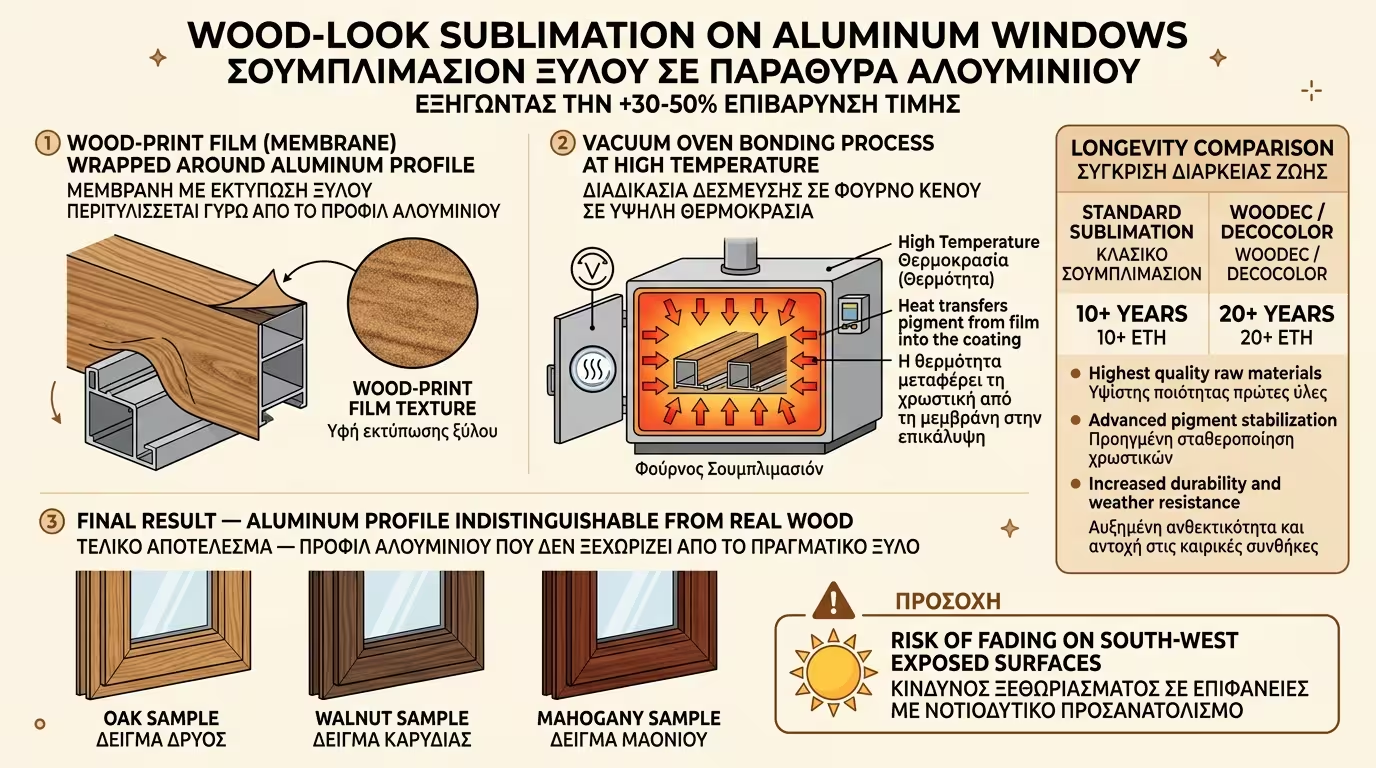
3. Wood-Look (Sublimation): The Luxury Finish (+30% – +50%)
If you love the warmth of wood but do not want the maintenance
(varnishing, warping, rot), the sublimation (film transfer) technique gives you aluminium that looks convincingly like real wood.
🔬 How It's Done
A special wood-print film (membrane) is wrapped around
the aluminium profile and inside a vacuum oven it "bonds" permanently
to the surface. The process is manual, slow and requires specialised staff
- hence the high cost.
💎 When It's Worth It
In new-build detached houses or villas where you want
a wood appearance without the maintenance schedule. In pilot residences
with wooden architectural elements (pergolas, decking). On exterior windows
that the public sees, while interior ones remain white for savings.
⚠️ Points of Caution
The wood film, while many manufacturers guarantee 10+ years, can fade on heavily exposed spots (south-west sun) after many years. For maximum longevity, opt for
Woodec or DecoColor technology which
lasts 20+ years.
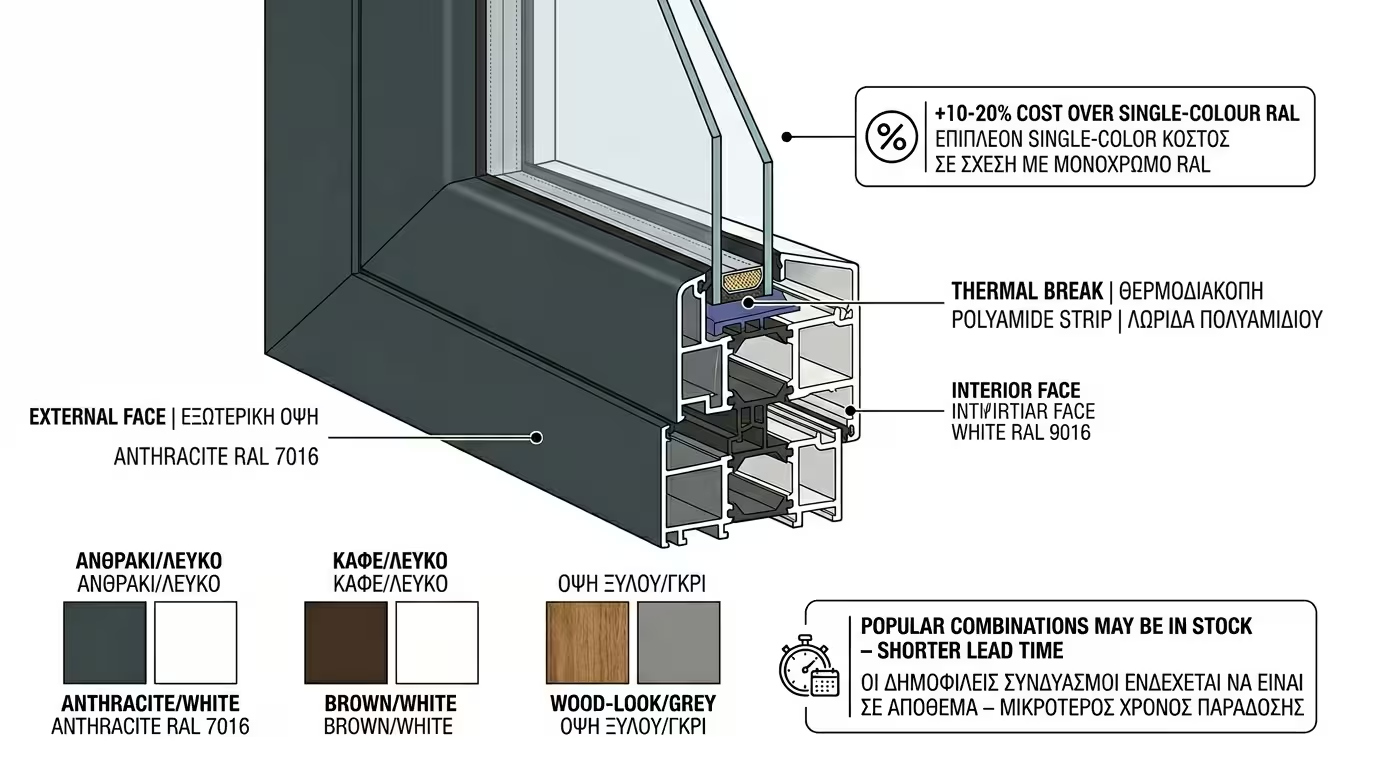
4. Dual-Colour (Bicolour): Two Colours, One Window
Want a wood-look exterior but white interior? Anthracite on the façade
side but light grey inside? Dual-colour
(bicolour) makes it possible - but at a price.
🎨 How It Works
The factory paints or prints the two sides of the profile
separately. This means double painting, double labour, and correspondingly
higher cost. In some snap-on cover series, the exterior side changes colour
more easily, slightly reducing the cost.
📊 How Much Extra?
Dual-colour adds +10% – +20% to the cost compared to
a single-colour RAL. If you land on a "popular" combination (e.g. anthracite/white),
the factory may already have it in stock, shortening the wait. Use dual-colour
strategically: your desired colour on the outside, white or grey on the
inside for maximum harmony with your interior design.