Sun & Wind Sensors on Roller Shutters: Automatic Protection and Energy Savings

Imagine being at work on a scorching July morning. The sun is beating down mercilessly on your living-room patio doors. Suddenly, without you pressing a single button, the shutters lower on their own to the halfway point. In the afternoon a violent squall strikes - and your awnings retract instantly into their cassettes.

This is not science fiction. It is the reality offered by Sun and Wind Sensors (Weather Automation). Small, discreet devices that turn your home into a living organism that protects itself.

1. The Sun Sensor: Your Ultimate Bioclimatic Ally

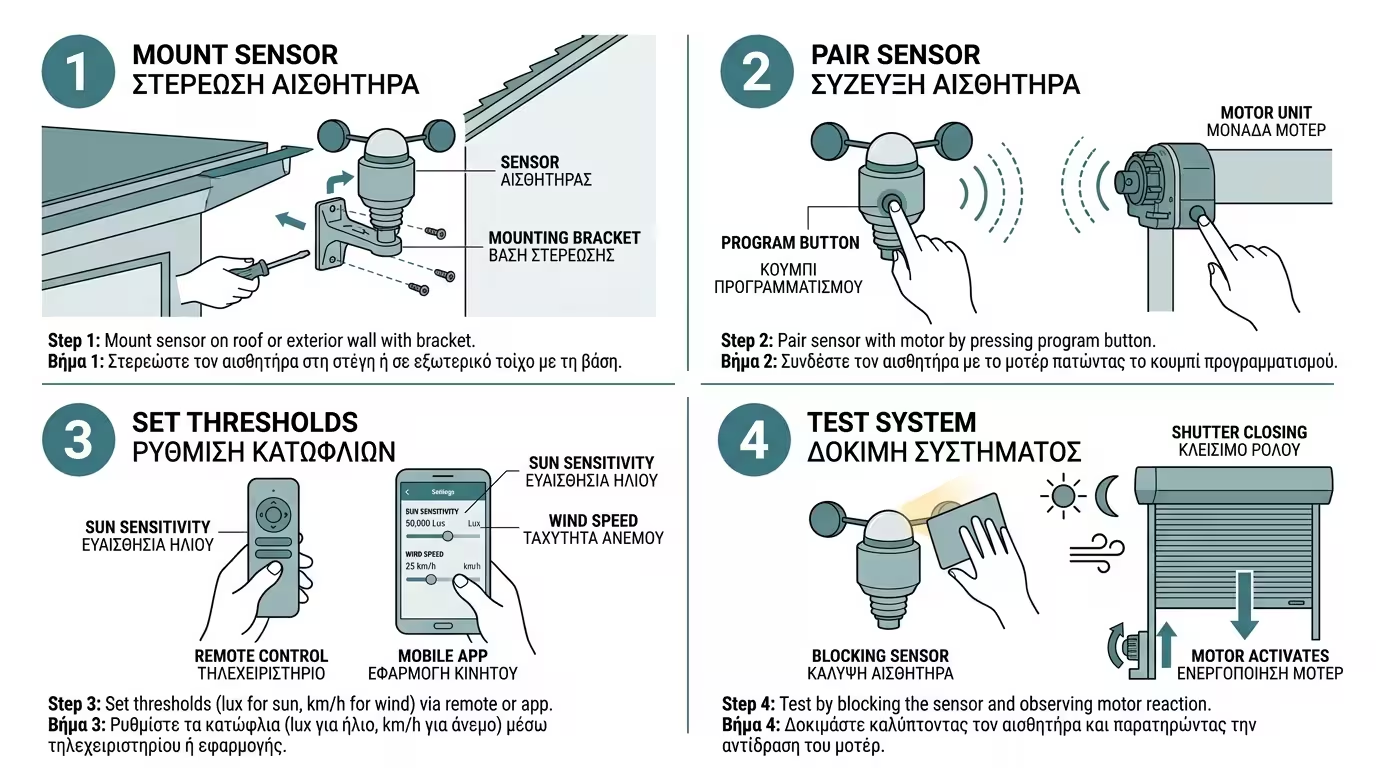
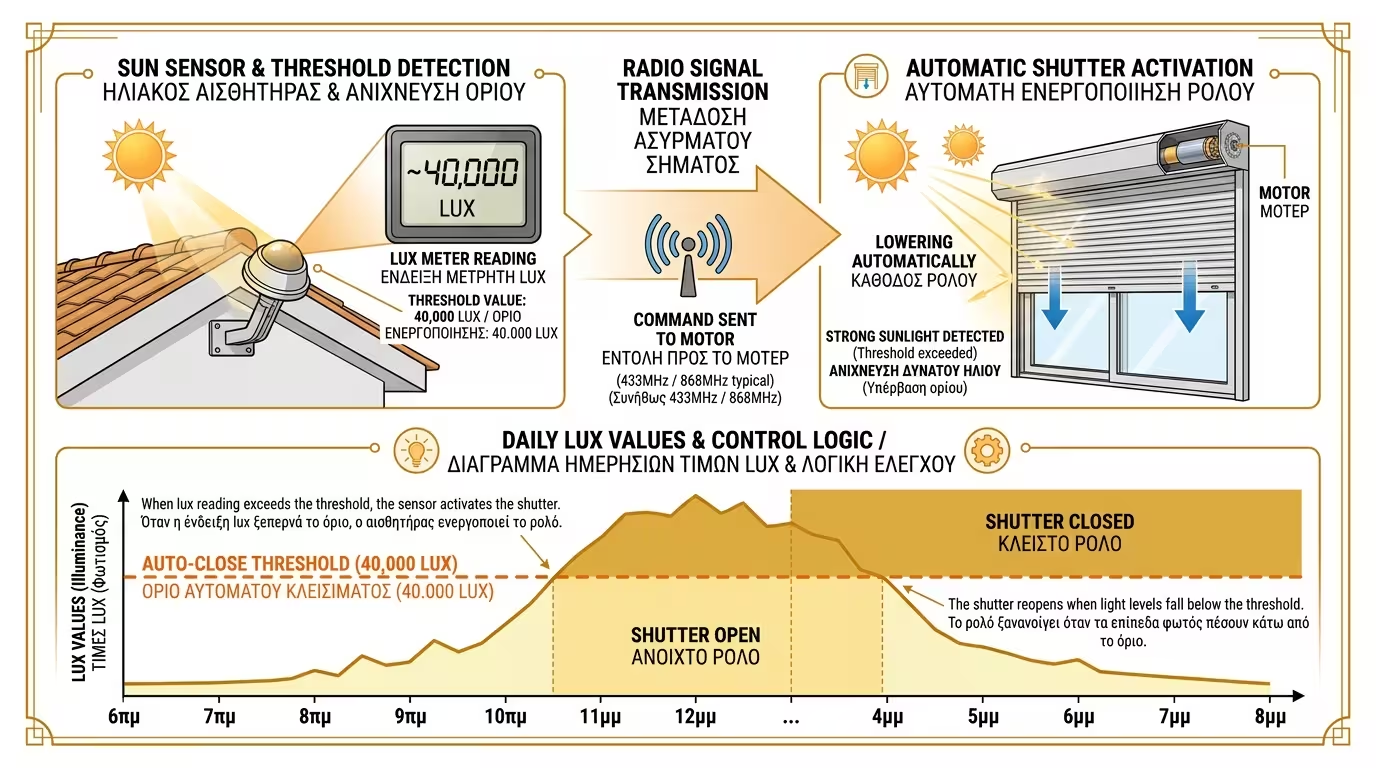
The sun sensor (pyranometer) is a small device mounted on the façade or even stuck directly onto the glass with a suction cup. It continuously measures solar irradiance in Lux and automatically activates the shutters or awnings once a preset threshold is exceeded.

You can programme it: "If brightness exceeds a specific level for more than 5 minutes, lower the shutters to 70%." The home stays shaded and cool, cutting air-conditioning costs by up to 30%.

Sun sensor (pyranometer) mounted on a building façade

❄️ Air-Conditioning Savings

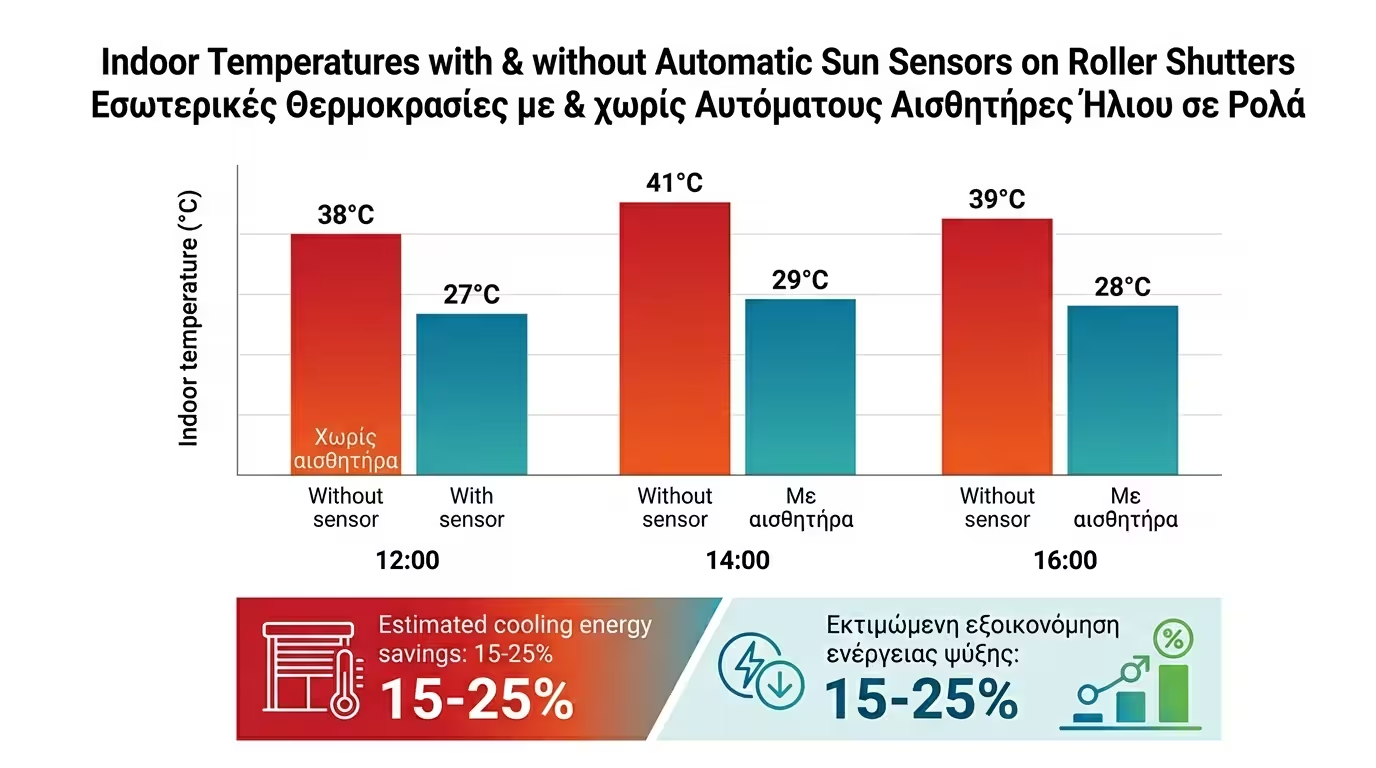
The biggest summer energy problem is the "greenhouse effect": the sun passes through the glass, heats the room and the A/C works overtime. The sensor blocks the sun before things heat up, saving energy without any intervention on your part. You come home to a pleasant temperature.
🛋️ Interior Protection

UV rays fade furniture, rugs, hardwood floors and paintings. The shading automation protects them silently throughout the day, even when you are away. No need to remember to lower the shutters - the sensor does it for you.

⚙️ Settings & Flexibility

Through the app you configure each shutter independently: south façade (low activation threshold), north (higher). You set time windows - e.g. activation only between 10:00–17:00. You even define the "target" closing position - 50%, 70% or 100%.

2. The Wind Sensor: Your Systems' "Guardian Angel"

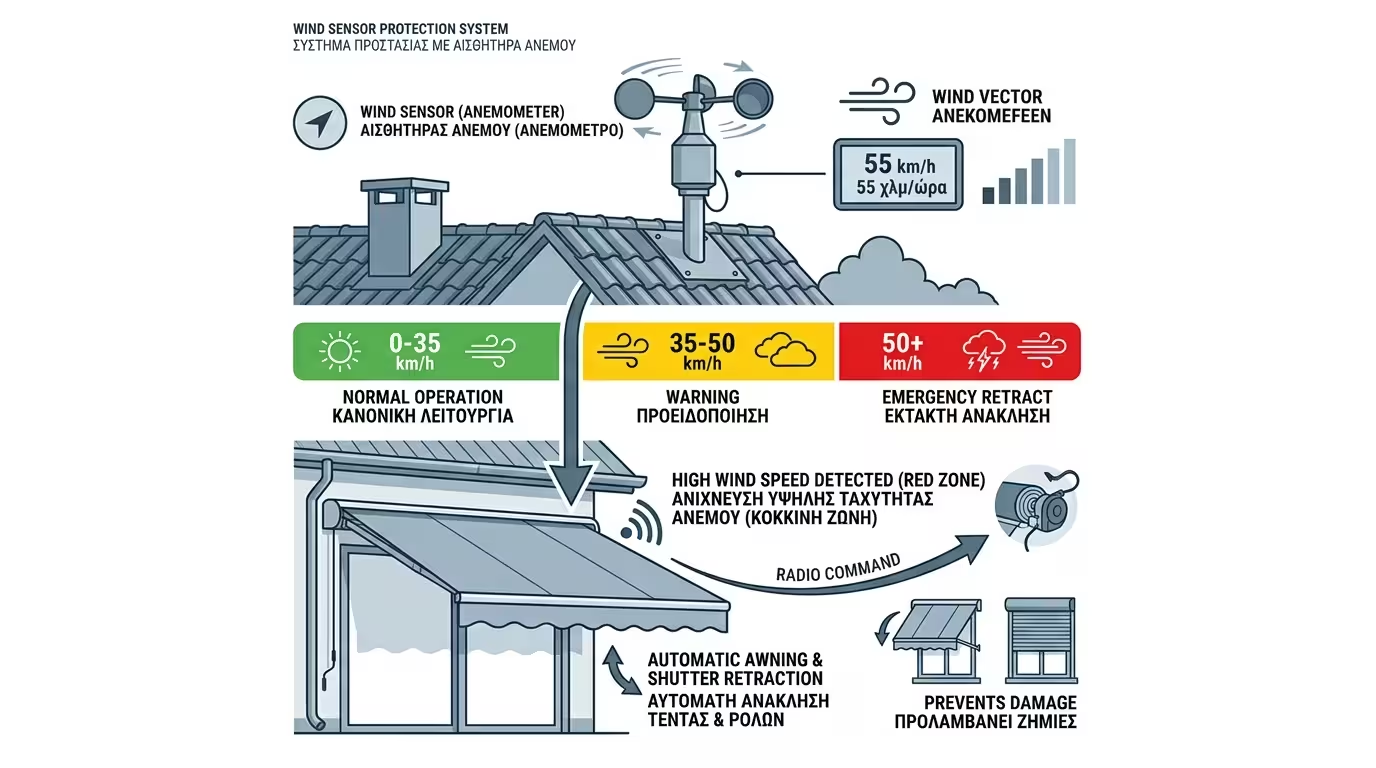
If the sun sensor takes care of comfort, the wind sensor (anemometer) takes care of your systems' survival. It typically consists of a small impeller or an advanced 3D accelerometer hidden inside the awning's counterweight that measures vibration.

Greek weather can be unpredictable. A sudden squall while you are away? The sensor detects that wind speed has exceeded 40 km/h and instantly commands: "Retract the awnings!" Within seconds the fabric rolls safely into its cassette. You avoid thousands of euros in replacement costs.

Wind sensor (anemometer) - automatic awning protection

🌪️ Storm Shutter Shield

In areas prone to extreme weather, the sensor can be configured in reverse for heavy-duty shutters: it lowers them completely, creating a metal shield that protects the glass from flying objects - branches, tiles and garden furniture.

🌧️ Rain Sensor

Many combined sensors also measure rainfall. If it starts to rain, shutters lower to protect open windows while awnings retract. Ideal for island homes where the weather changes suddenly.

🛡️ 24/7 Reliability

The sensors operate autonomously, without an internet connection. Even if your Wi-Fi goes down, protection continues uninterrupted. They use independent radio frequencies to communicate directly with the motors.

3. The Priority Hierarchy: Sun vs Wind

What happens when there is bright sunshine (the shutters want to lower for shade) but violent wind blows at the same time? Don't worry - the automation will not "get confused".

In all combined sensors, wind always takes absolute priority. The protection command immediately overrides the sun command, ensuring that your home's integrity is never compromised for the sake of shading. Safety first, comfort second.

Priority hierarchy diagram - the wind sensor overrides the sun sensor

📊 Multiple Priority Levels

Advanced systems have up to 5 priority levels: (1) Wind - emergency, (2) Rain, (3) Frost, (4) Sun, (5) User schedule. Each new command only overrides lower-ranked ones, never higher ones. Result: always the correct reaction, automatically.

⏱️ Activation Delay (Delay Timer)

The sensor does not react to every passing cloud or gust of wind. There is a built-in delay (e.g. 5 minutes for sun, 10 seconds for wind). This prevents shutters from going up and down non-stop during unstable weather.

4. Is the Investment Worth It?

Adding a sun/wind sensor is a comparatively small expense relative to the cost of electric shutters or a bioclimatic pergola. Yet it is the only addition that pays for itself: it saves money on your electricity bill every day and prevents damage worth thousands of euros from extreme weather events.

A built-in sensor costs roughly €80–150, while a standalone weather station (sun + wind + rain + temperature) ranges from €200–400. Consider that a single awning destroyed by wind costs €600–1,500 to replace.

Energy savings through weather automation on roller shutters
💡 Tip: If you are installing electric shutters or zip screens, always ask for at least a wind sensor. It is not a luxury - it is insurance. This small expense can save you the biggest damage your shading systems will ever face.

Related Articles

Preview