☀️ In Summer
The sun sits very high in the sky. Horizontal Brise Soleil louvres block the steep, scorching rays before they even touch the glass. The interior stays shaded and cool - reducing indoor temperatures by up to 10°C.
Look at any award-winning modern office building, luxury hotel or minimal villa and you'll spot a common architectural feature: vast glass surfaces "embraced" externally by impressive, bold louvres.
This is not just a decorative trend. It is the pinnacle of bioclimatic design and is called Brise Soleil (French for "sun breaker"). In a country as sunny as Greece, huge glass curtain walls without external shading turn buildings into "greenhouses", sending air-conditioning costs through the roof.
The ideal building exploits the sun in winter for heating (passive solar gain) and blocks it in summer to stay cool. How? By exploiting the sun's angle!
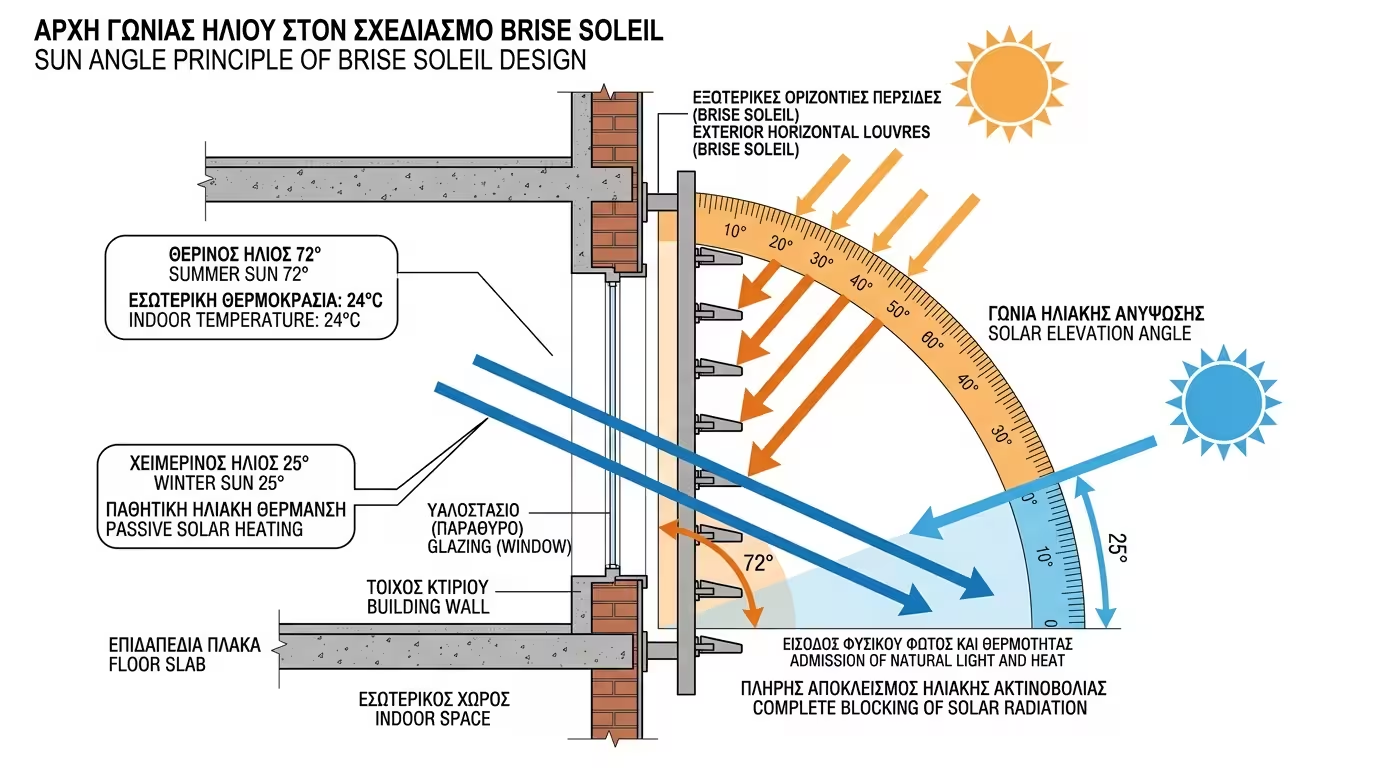
The sun sits very high in the sky. Horizontal Brise Soleil louvres block the steep, scorching rays before they even touch the glass. The interior stays shaded and cool - reducing indoor temperatures by up to 10°C.
The sun sits low on the horizon. Its rays pass unhindered between the louvres, entering deep into the room and heating it naturally. A completely passive, free climate-control system!
Architectural louvres are mainly manufactured from extruded aluminium (for wind-load resistance and zero maintenance) and fall into two categories based on their operation.
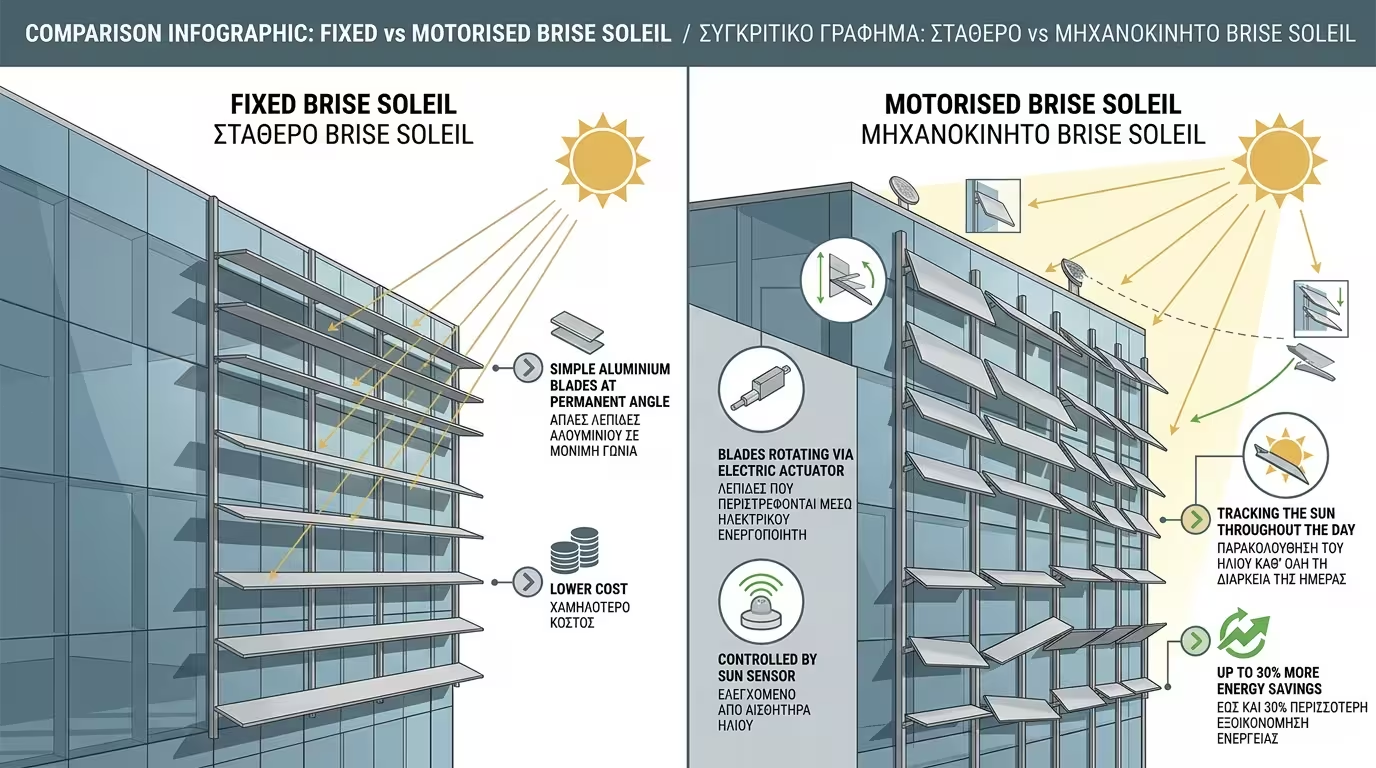
Permanently set at a specific angle (e.g. 30° or 45°) and spacing. They require precise solar shading analysis by the engineer, taking into account latitude and façade orientation. They are installed horizontally as "canopies" above windows (south face) or vertically as "fins" (east/west faces).
The ultimate dynamic façade! Airfoil-shaped louvres rotate via electric motors. They connect to sun sensors and track the sun's path hour by hour - automatically adjusting natural light (dimming) and preventing glare on office screens.
Motorised louvres connect to the building's BMS (Building Management System). The central controller adjusts them based on schedules, weather and occupancy - full automation with no human intervention.
Historically these systems were made from heavy hardwood (Teak or Iroko). Today, 95% of installations use aluminium profiles - and here's why.
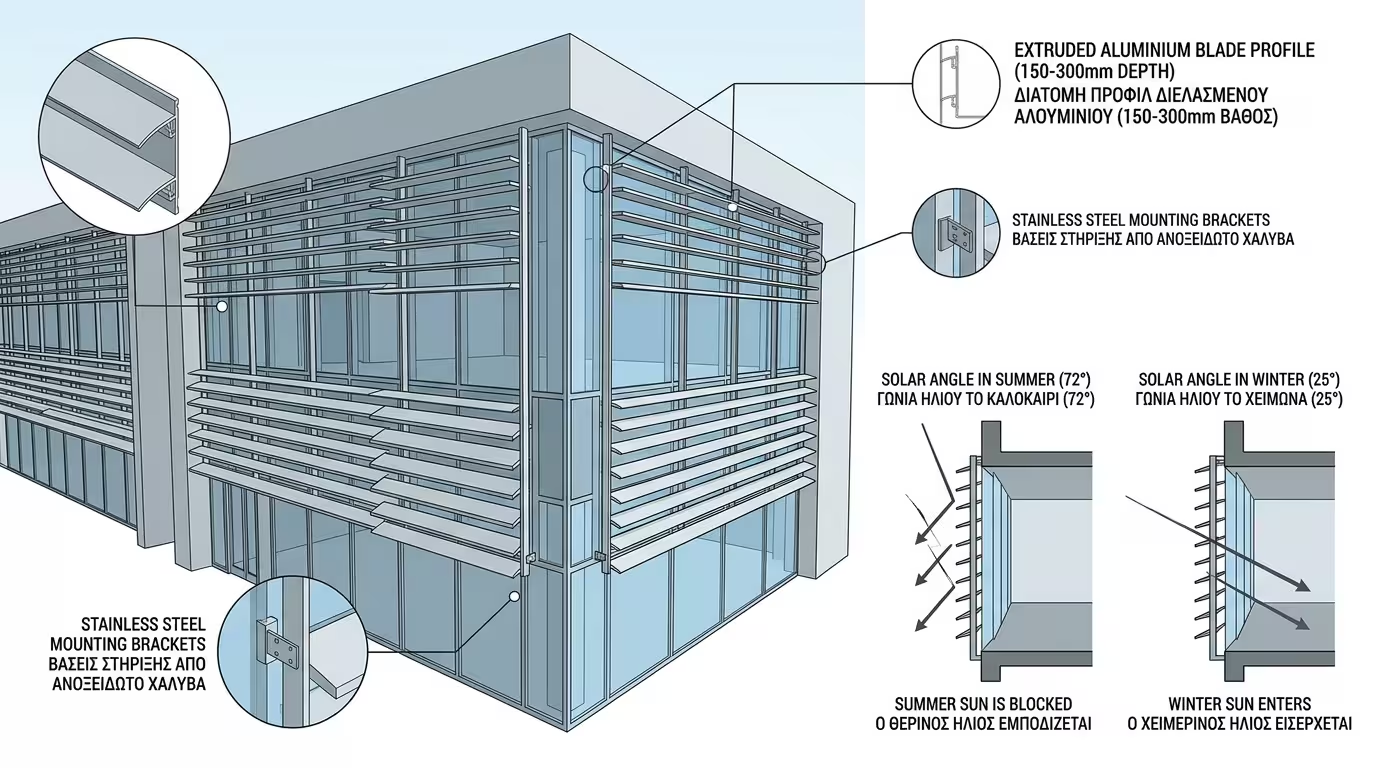
Exterior wood requires constant, expensive maintenance (sanding, varnishing, replacing rotten sections) and is heavy, increasing structural loads on the façade. In a Mediterranean climate with intense UV radiation and salty coastal air, wooden louvres can deteriorate within just a few years without meticulous upkeep.
Through sublimation coating, aluminium louvres achieve such a realistic wood appearance and texture that it is impossible to tell the difference. You get the warmth of wood with the durability and zero maintenance of metal.
For developers, Brise Soleil is not simply an expense but added value for the property.
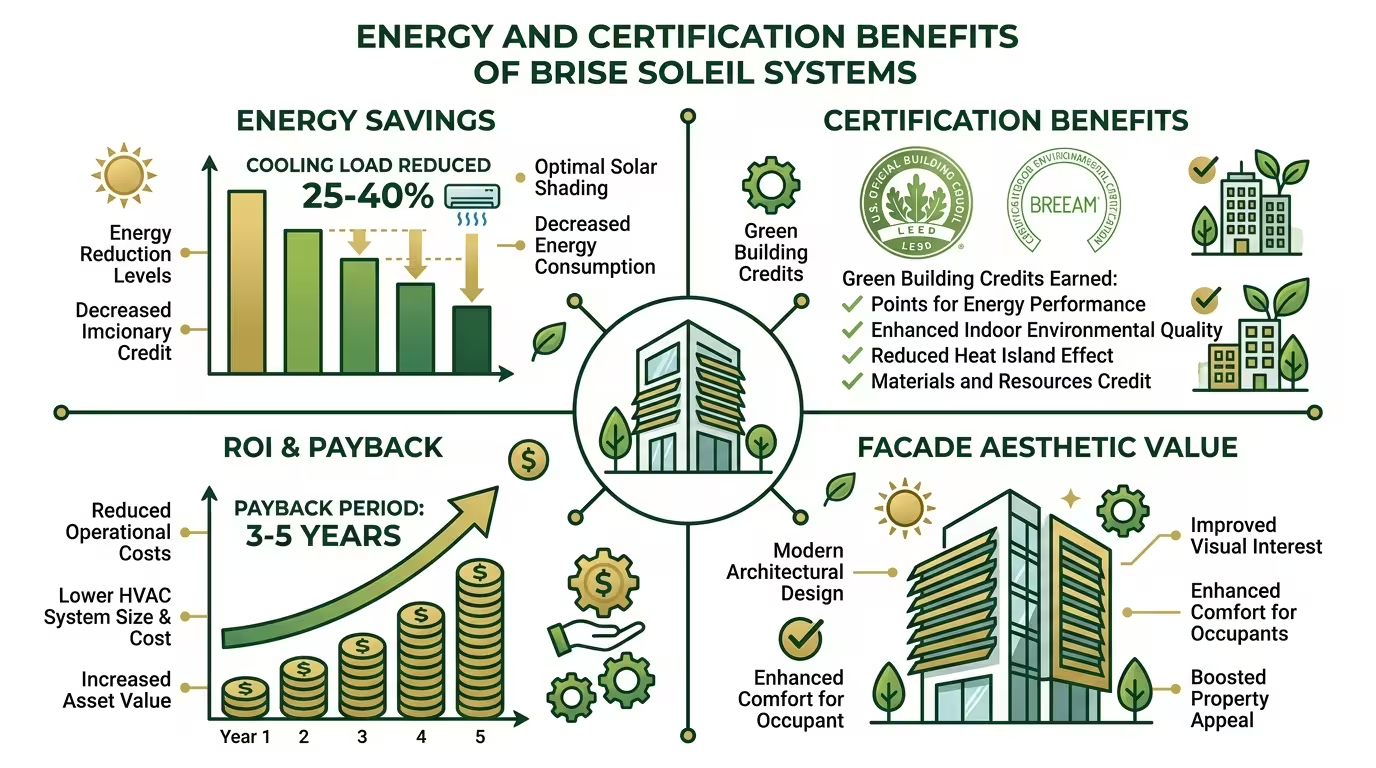
By blocking radiation externally, the indoor temperature drops by up to 10°C, dramatically cutting electricity bills. Studies show energy savings exceeding 30% compared to unshaded glass surfaces.
It is a key prerequisite for green-building energy certification, boosting faster leasing and the commercial value of office space. Tenants increasingly demand sustainable, well-shaded workplaces, making Brise Soleil a competitive advantage for property owners.
It gives the building an ultra-modern, three-dimensional look. It hides imperfections, unifies floors and creates a dynamic interplay of shadows throughout the day.
💡 Summary: The Brise Soleil system transforms a passive, energy-guzzling "glass box" into a living organism that "breathes" and adapts to its environment. It is the ultimate bioclimatic shading solution that marries high aesthetics with engineering performance.
Return to category.
Go to categoryReturn to the central guide.
Go to guide