
Atrium & Glass Roof Shading: Ending the "Greenhouse Effect"

Glass roofs over atriums, winter gardens, verandas, stairwells and even raised floors are a striking architectural asset that floods spaces with natural light and gives them a vibrant feel. However, in Greece's Mediterranean climate they also create an enormous problem: the greenhouse effect.

Solar radiation enters through the glass, converts to heat indoors, but cannot "escape" - resulting in temperatures reaching 50-60°C on summer afternoons. The space becomes literally unbearable and unusable. How do you tackle this effectively? Let's explore three different solutions, ranked by effectiveness.

1. External Shading: The Most Effective Solution

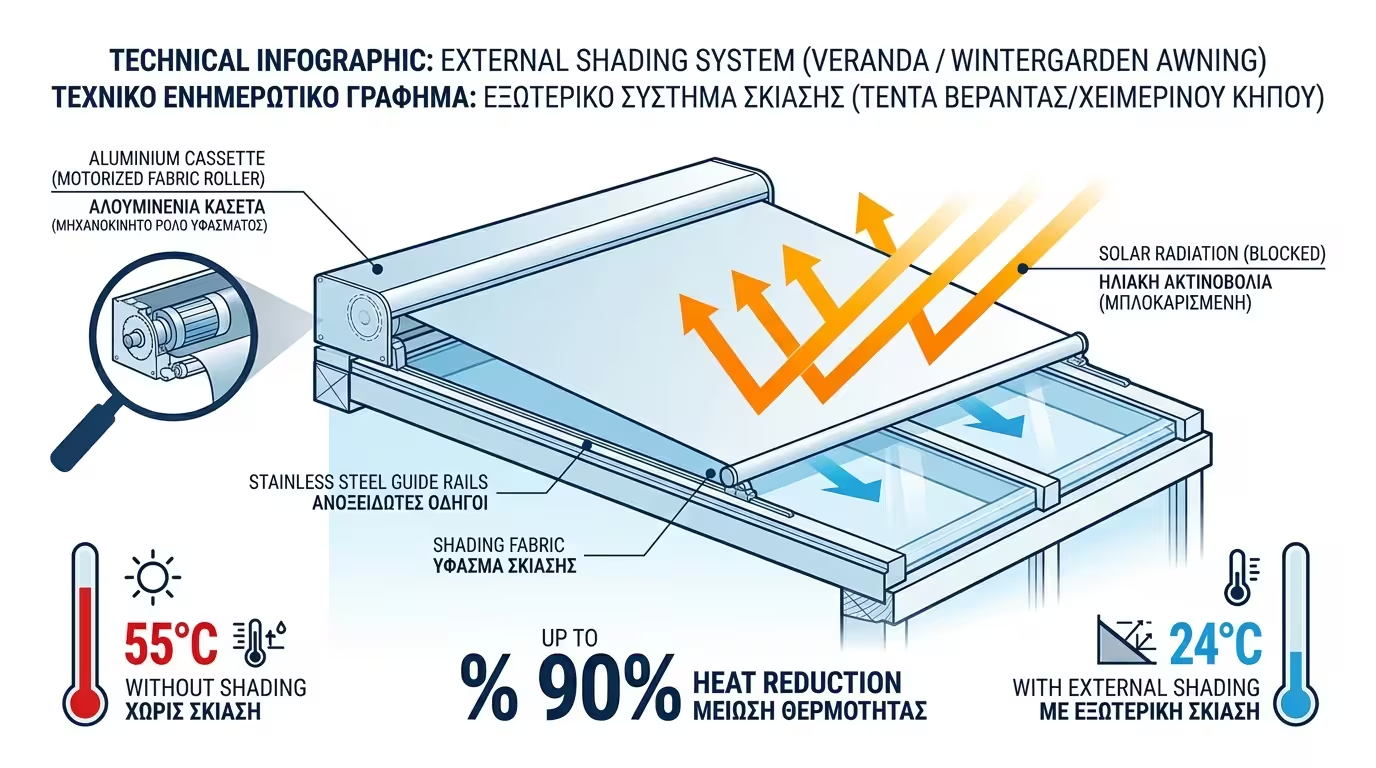
The goal is to block the sun before it touches the glass. This entirely prevents heating - the radiation is reflected or absorbed externally, before it even enters the space. Result: indoor temperature reduction of up to 90%.

External shading Veranda/Zip system on a glass roof - blocks sun before it hits the glass

🏗️ Veranda / Pergola Systems

Veranda-type (or Wintergarden) awnings are mounted externally on the glass roof with special stainless-steel guides. They lower motorised as soon as the sun comes out and retract automatically in winter for maximum natural light. They are waterproof, windproof (up to 100 km/h with a Zip system) and can span very large openings.
☂️ Zip Screens for Sloped Roofs

On glass roofs with a pitch, Zip Screens are installed on top of the glass, faithfully following the slope of the roof. The screen fabric blocks up to 95% UV while still letting enough natural light through without glare - creating a pleasant, cool environment.

2. Reflective Glass Films

If external shading is not feasible (e.g. in apartment buildings, public buildings or heritage-listed structures), a solar protection film is applied directly to the inside or outside of the glass as a permanent solution.

Application of reflective solar film on an atrium glass roof

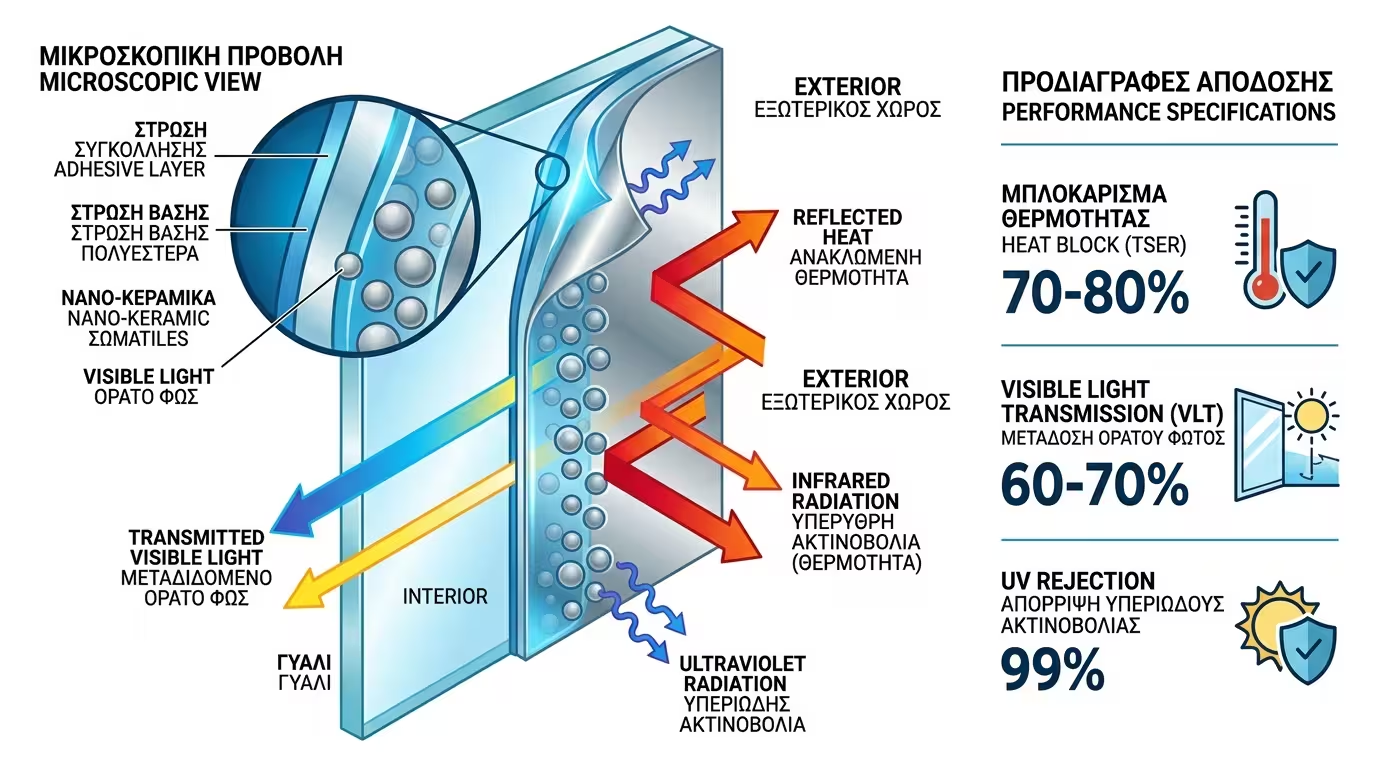
🔬 How It Works

The film reflects a large portion of infrared radiation (heat) while allowing enough visible light through for natural illumination. Modern nano-ceramic films block 70-80% of heat without significantly altering transparency, giving occupants a comfortable interior on even the hottest days of summer.

⚠️ Limitations

It is a permanent solution - it doesn't "open and close" with the sun. In winter you lose part of your passive solar heating. Professional installation is required and it may affect the warranty of energy-rated double-glazing units.

3. Internal Shading (Honeycomb Shades & Rollers)

Honeycomb shades on a glass ceiling - internal shading

If neither external systems nor films are possible, internal shading is the third alternative.

🐝 Honeycomb Shades

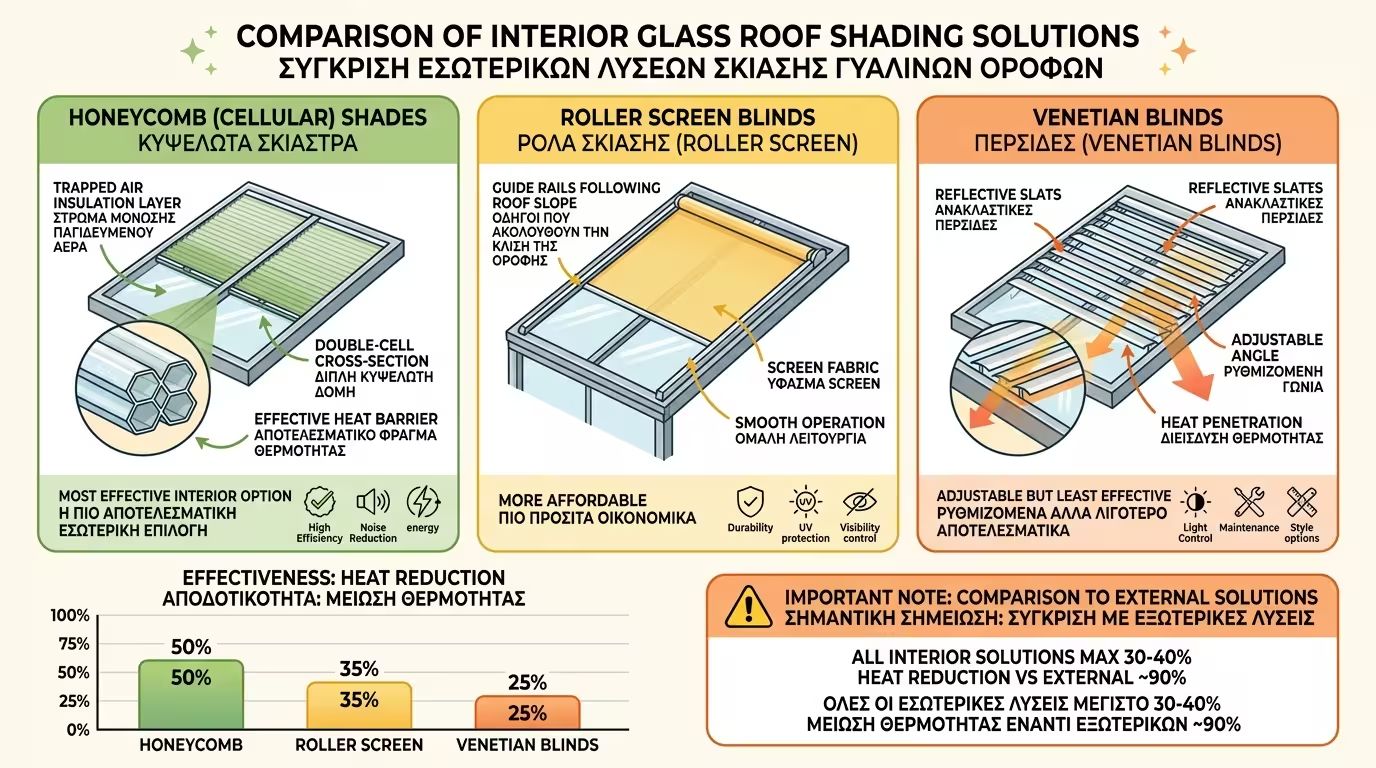
Special blinds with double or triple honeycomb air chambers that trap air between layers, acting as a thermal "shield". They are the most effective internal solution, especially for irregular or angled roof shapes.

🎭 Roller Screens

Screen-fabric rollers in special guides for glass roofs (horizontal or sloped installation). A more economical solution, but less thermally efficient compared to honeycomb shades.

⚠️ Major Limitation

Internal shading reduces glare but does not stop the heat. The sun strikes the glass surface, the radiation has already entered and the heat gets trapped between the glass and the blind. Effectiveness reaches only 30-40%, which is far below what external shading achieves.

💡 Summary: For glass roofs, external shading (Veranda/Zip) is the ideal target - reducing indoor temperatures by up to 90%. Reflective film is a solid alternative, and internal shading should be considered only as a last resort.

Related Articles

Preview