
Fixed & Hinged Insect Screens: Where They Are Installed & Why They Remain Irreplaceable

In the world of modern insect screens - pleated, trackless, zip screens - it might seem outdated to talk about fixed screens or hinged screen doors. Yet, in dozens of practical and hygiene-related applications, these "simple" systems remain the only option.

The fixed screen (no moving parts) and the hinged screen with spring return (push to open, let go to close) cover needs that no other system can: small bathrooms, basements, restaurant kitchens and every space where simplicity, easy maintenance and low cost take absolute priority.

1. Fixed Screen (Frame): The Silent Shield

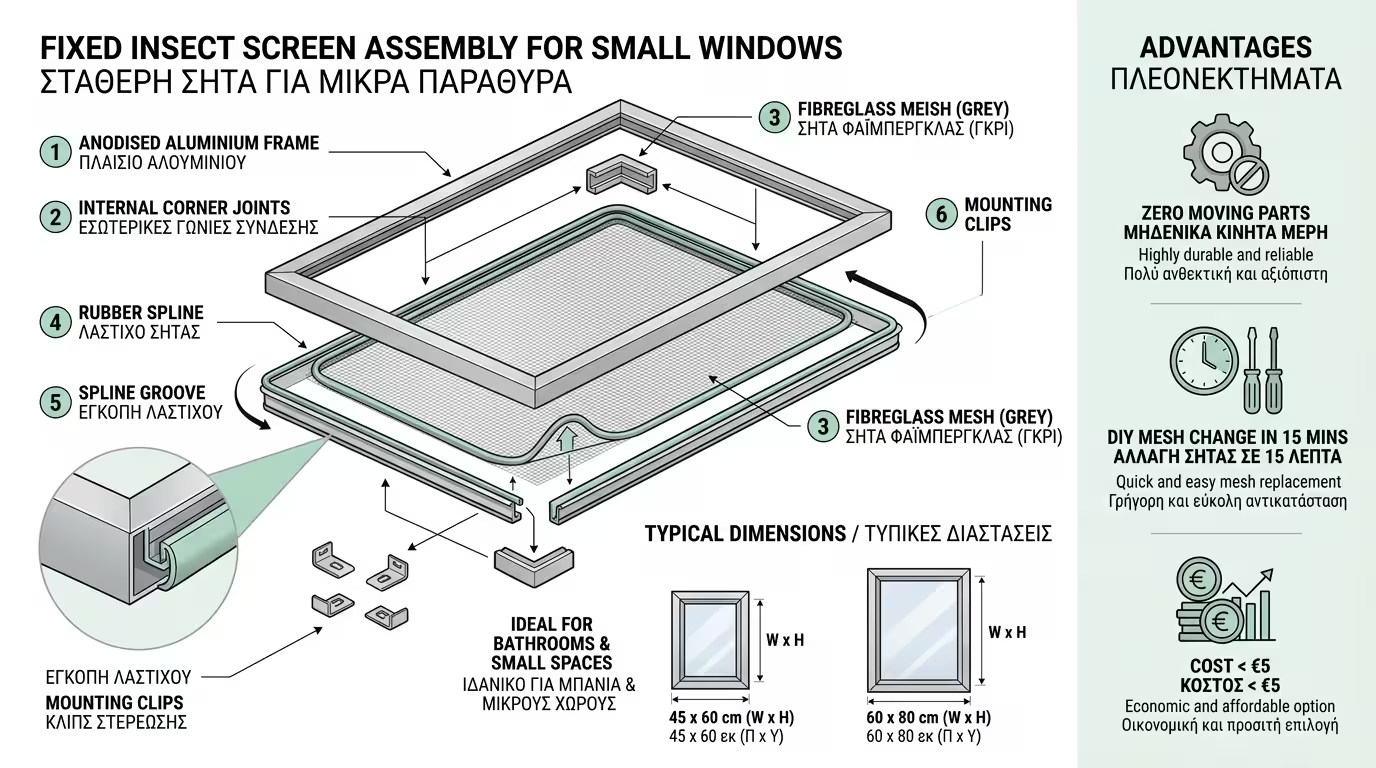
A simple aluminium frame with fibreglass mesh stretched by a perimeter rubber spline. It goes in, closes, and is forgotten. No moving parts, no buttons, no cords.

Fixed aluminium screen on a bathroom window

🛁 Ideal for Bathrooms & WCs

On small bathroom windows (45×60 or 60×80) you need no mechanism at all. The screen stays permanently closed while ventilation occurs through the mesh. It withstands humidity, never corrodes (aluminium + fibreglass) and costs very little.
🏗️ Basements & Storage Rooms

In basement openings (skylights/fanlights) a fixed screen is the most practical solution. No daily opening and closing is needed, so there is no point using a retractable mechanism. Mesh replacement is a 5-minute DIY job.

💡 Zero Breakdowns

There is no spring, no cord, no motor. Nothing breaks. The only wear ever will be on the mesh itself - and that is changed in 15 minutes (DIY) at a cost below €5.

2. Hinged Screen (with Spring Return)

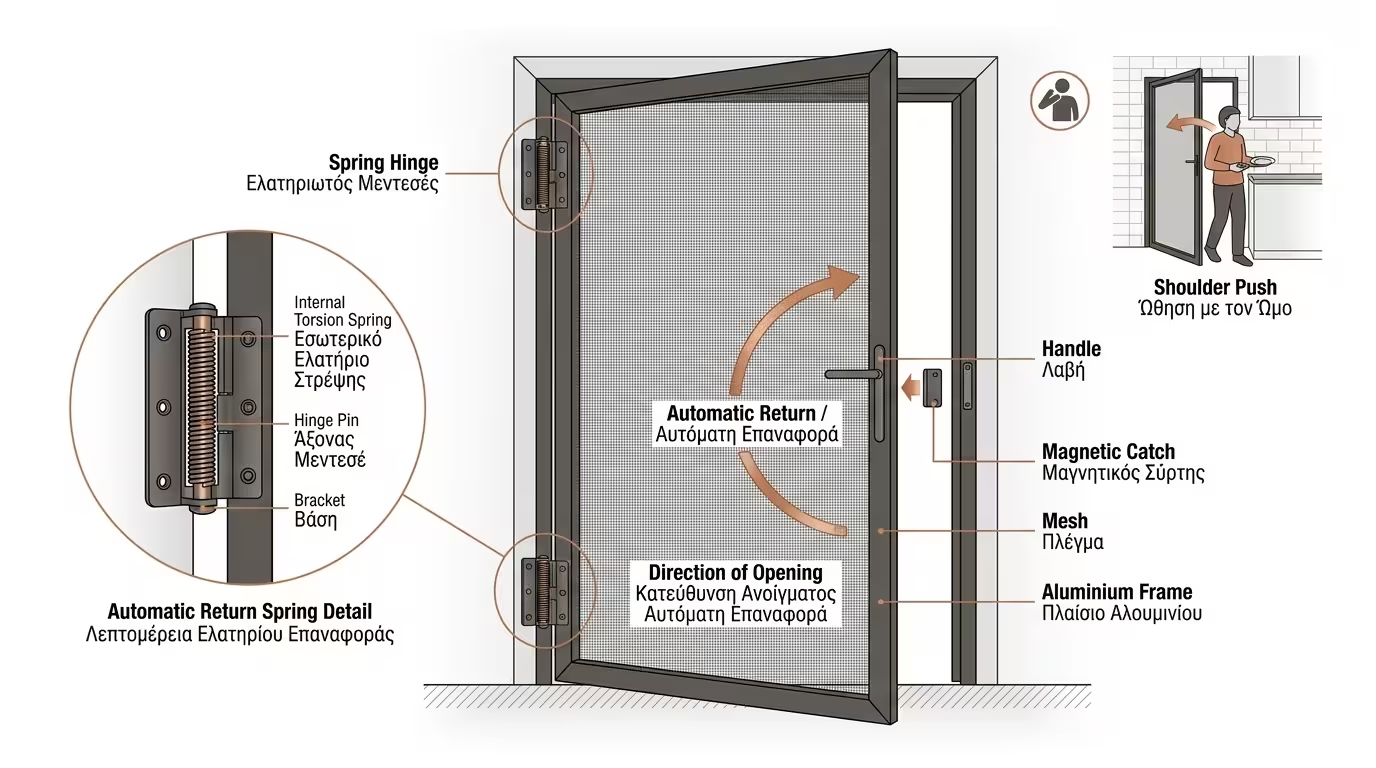
A screen-door that opens by pushing (or with a handle) and closes automatically thanks to a spring-hinge mechanism. Every time you walk through, the screen returns gently to its closed position.

Hinged insect screen with spring hinge on a kitchen door

🍽️ Kitchen: The Ideal Space

In the kitchen your hands are carrying plates, trays and dishes. The hinged screen opens with your shoulder or even your foot. There is no catch to pull, no latch to slide. As soon as you walk through, it closes on its own. No pleated, roller or sliding screen offers this level of practicality.

🏠 Back Doors & Service Entrances

Service doors, garage doors leading to the garden, semi- basement doors. High-traffic areas with low aesthetic requirements. The hinged screen is fast, reliable and very affordable.

💪 Durability & Years of Service

The hinge + spring mechanism is exceptionally simple. It requires no maintenance beyond occasional oiling of the hinges (once a year). With Pet-Screen instead of fibreglass, it withstands even homes with large, energetic dogs.

3. Mandatory Screens: HoReCa & Health Inspections

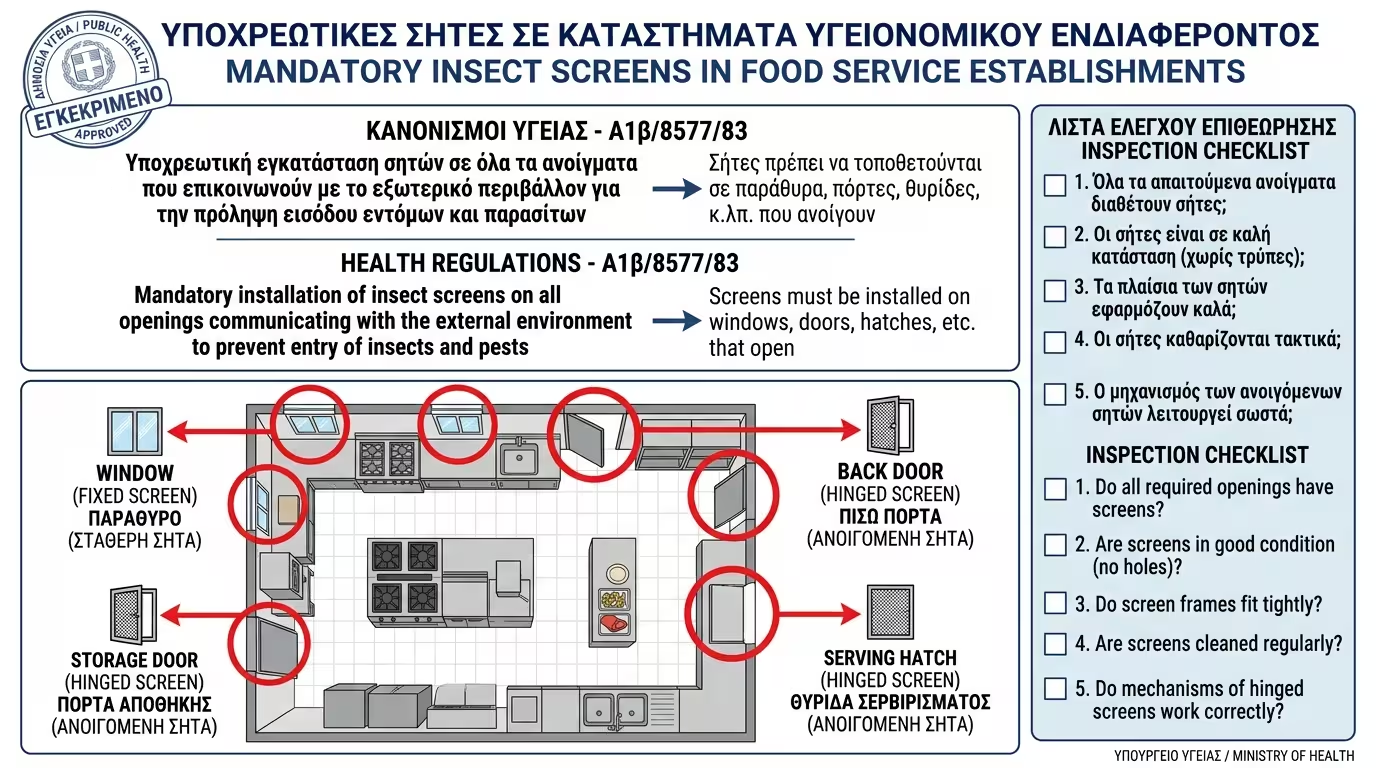
Greek health legislation (Health Decree Α1β/8577/83) explicitly mandates insect protection in every food preparation or serving area. Restaurants, bakeries, butcher shops - all must have screens on every opening.

Kitchen screen door in a restaurant - health regulation compliance

📜 What the Regulation Says

Openings that communicate with the outside must have removable insect meshes for easy cleaning. The fixed screen (removable frame) fully satisfies this requirement: you remove it, wash it, re-install it. Health inspectors check for their presence at every licensing and renewal.

🚪 Restaurant Kitchen Doors

The door between kitchen and dining area (or storage) must have a screen that closes automatically. The hinged screen with spring return is the industrial solution: durable, self-closing and reliable even after thousands of daily open-close cycles.

💡 Summary: Do not dismiss fixed and hinged screens as "old technology". They are reliable, affordable and trouble-free solutions that, in specific spaces, represent the only correct approach to insect protection.

Related Articles

Preview