Fixed vs Movable Louvres in Shutters: The Ultimate Control Over Light and Ventilation

In the previous article we explained why modern aluminium shutters outperform their wooden counterparts. But there is a "superpower" that makes the shutter absolutely stand out from a simple roller shutter, and that is managing light and air without having to open the window.

This superpower lies in the louvres - the horizontal profiles that fill the shutter leaf. The big dilemma: will you choose the classic fixed louvres or upgrade to movable (rotating) louvres?

1. Fixed Louvres: The Classic, Traditional Solution

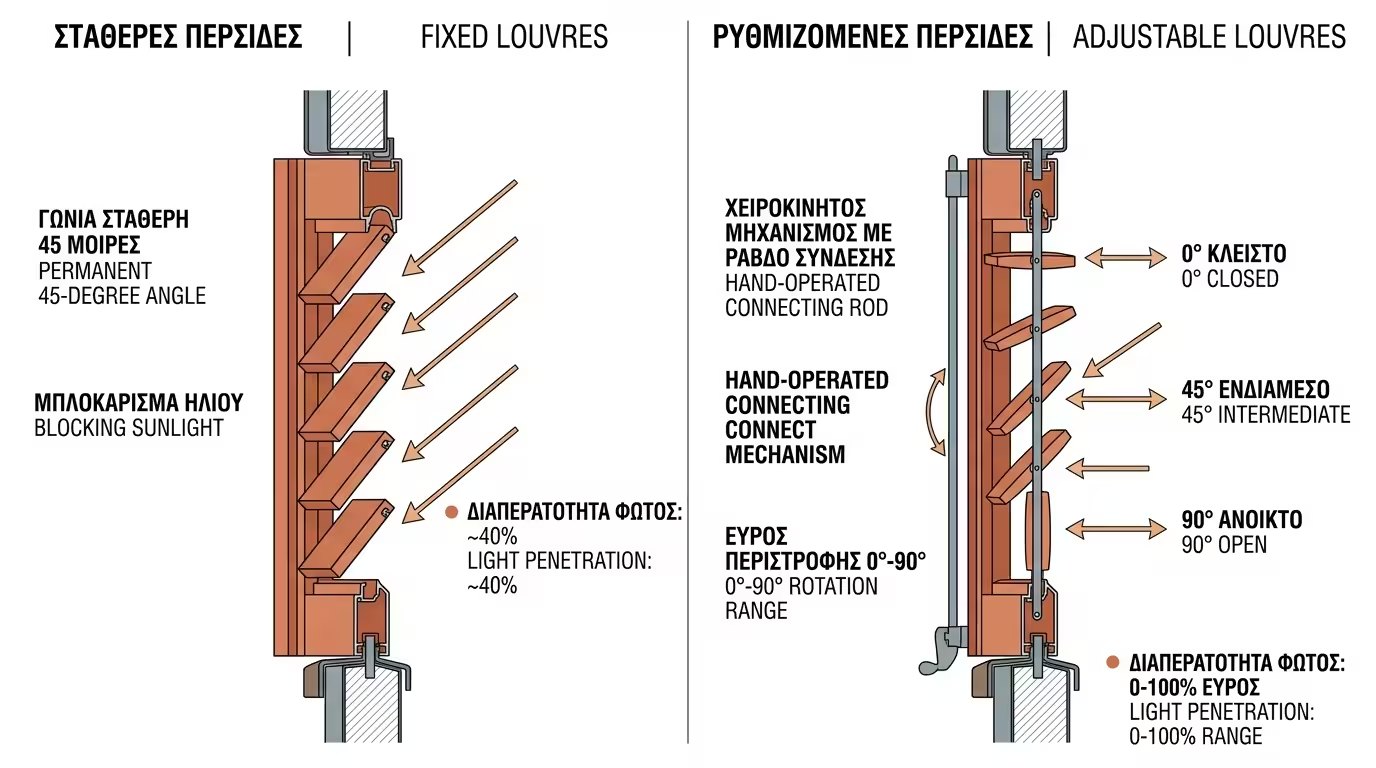
As the name suggests, fixed louvres are "pinned" (clipped) into the shutter frame at a specific, permanent angle (usually tilted downward). This is the classic design found on traditional "French" shutters and island houses.

Aluminium shutters with fixed oval louvres - traditional aesthetic on an island house

🏛️ Perfectly Traditional Aesthetic

If you are restoring a listed building or building a house with a strictly traditional architecture, fixed oval louvres provide the most authentic visual result. They are the choice mandated by local planning regulations in many heritage settlements.
✅ Zero Breakdowns

Because there is no rotation mechanism, lever or gear, there is absolutely nothing that can break, jam or wear out over time. 100% reliability.

💰 Lower Cost

They are the most economical option in shutter construction, as they require no additional mechanisms or connecting rods.

❌ Zero Adjustment

The air and light that enter are fixed - they don't change. If you want more light, your only option is to open the shutter fully, losing privacy and security. Also, the small gap between fixed louvres makes cleaning rather time-consuming.

2. Movable Louvres: Bioclimatic Control

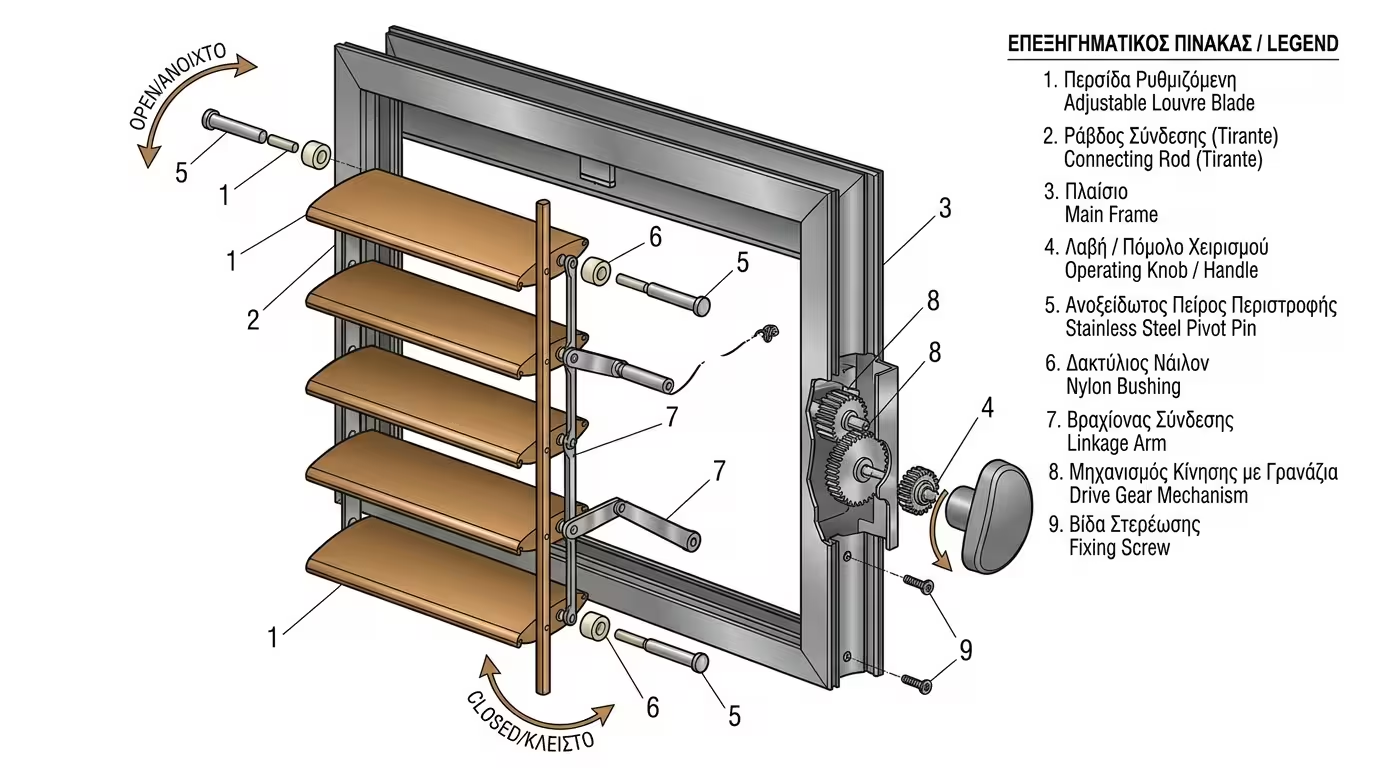
This is the pinnacle of modern comfort. The louvres are connected by a hidden mechanism (connecting rod). Through a discreet lever or rotary switch, you can rotate the louvres from fully closed (0°) to fully open (90° or beyond).

Movable (rotating) aluminium louvres - connecting rod mechanism and adjustment lever

🌬️ A. Natural Cooling (Nature's "Air Conditioning")

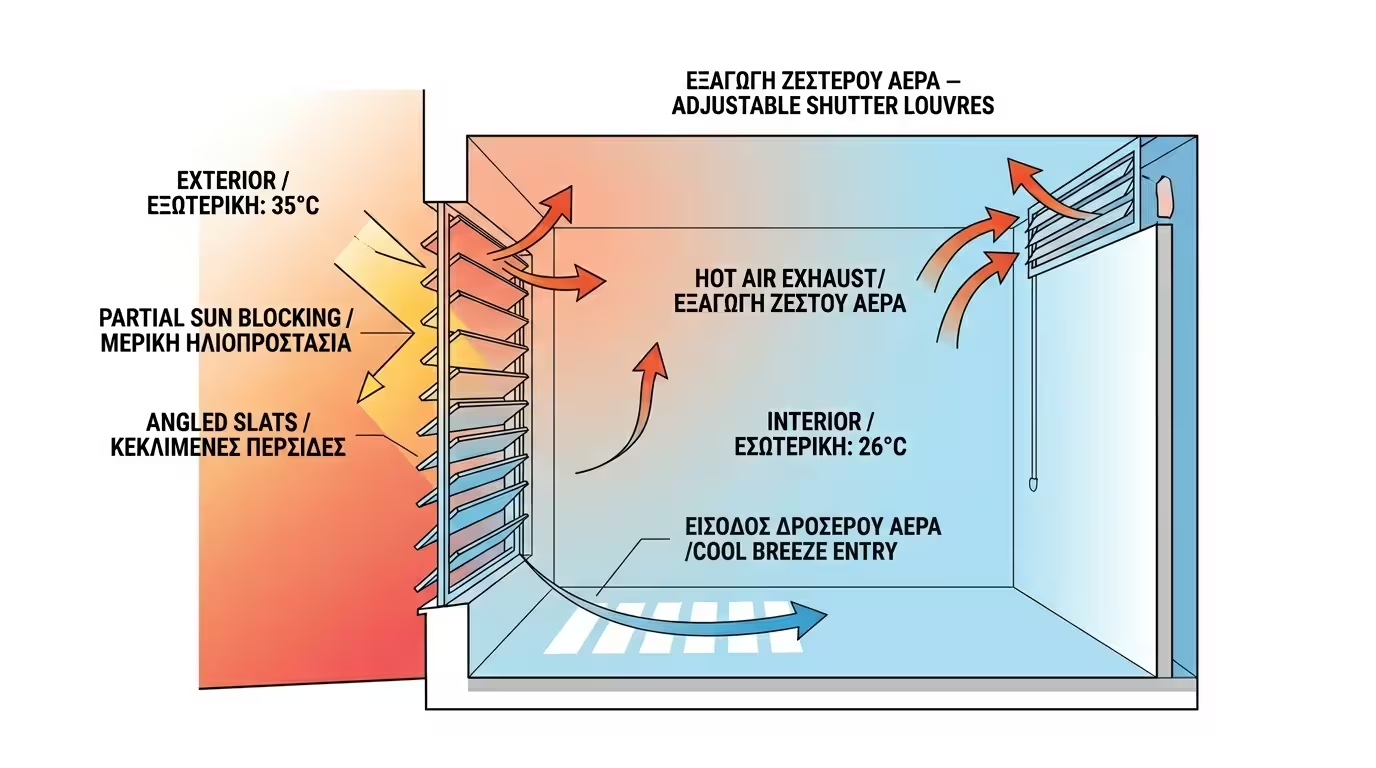
Hot August afternoon? Close the shutter to block the sun, but open the louvres to 45°. Hot air rises and escapes from the upper louvres while fresh, shaded air enters from below. You create an air current without the sun hitting the house!

🔒 B. Total Privacy and Security

Want to sleep with the balcony door open (screen only) for a breeze? Lock the shutter normally. The house is impregnable. Then open the louvres - you can see out and breathe fresh air, but nobody can see inside.

💡 C. Playing with Light

Instead of a roller shutter's total blackout, movable louvres work like sturdy Venetian blinds. Adjust the light to exactly the level you want: watch TV without glare, read a book in soft diffused light, or achieve full darkness.

🧹 D. Effortless Cleaning

Turn the lever so the louvres become completely flat or vertical and wipe them with a damp cloth easily on both sides in seconds. No more "digging" between narrow fixed louvres.

3. How Natural Cooling Works in Depth

Airflow diagram through movable louvres - bioclimatic ventilation

The operating principle relies on natural convection: hot air rises, cool air descends.

☀️ Summer Afternoon

With the louvres at 45°, warm indoor air "escapes" through the upper gaps while fresh, shaded air enters through the lower ones. You reduce the indoor temperature by 3-5°C without air conditioning - purely through natural air circulation.

🌙 Evening Breeze

At night, open the louvres almost fully (80-90°) for maximum airflow. The shutter stays locked (for security), the insect screen keeps mosquitoes out and the night air cools the masonry - which stores that coolness for the next morning.

❄️ Winter Heating

In winter, open the louvres fully on sunny days to take advantage of passive solar heating. At night, close them tightly (0°) for maximum thermal insulation.

4. The "Golden Rule": Rotation Mechanism Quality

If you decide to invest in shutters with movable louvres, there is one golden rule: Never compromise on the quality of the rotation mechanism.

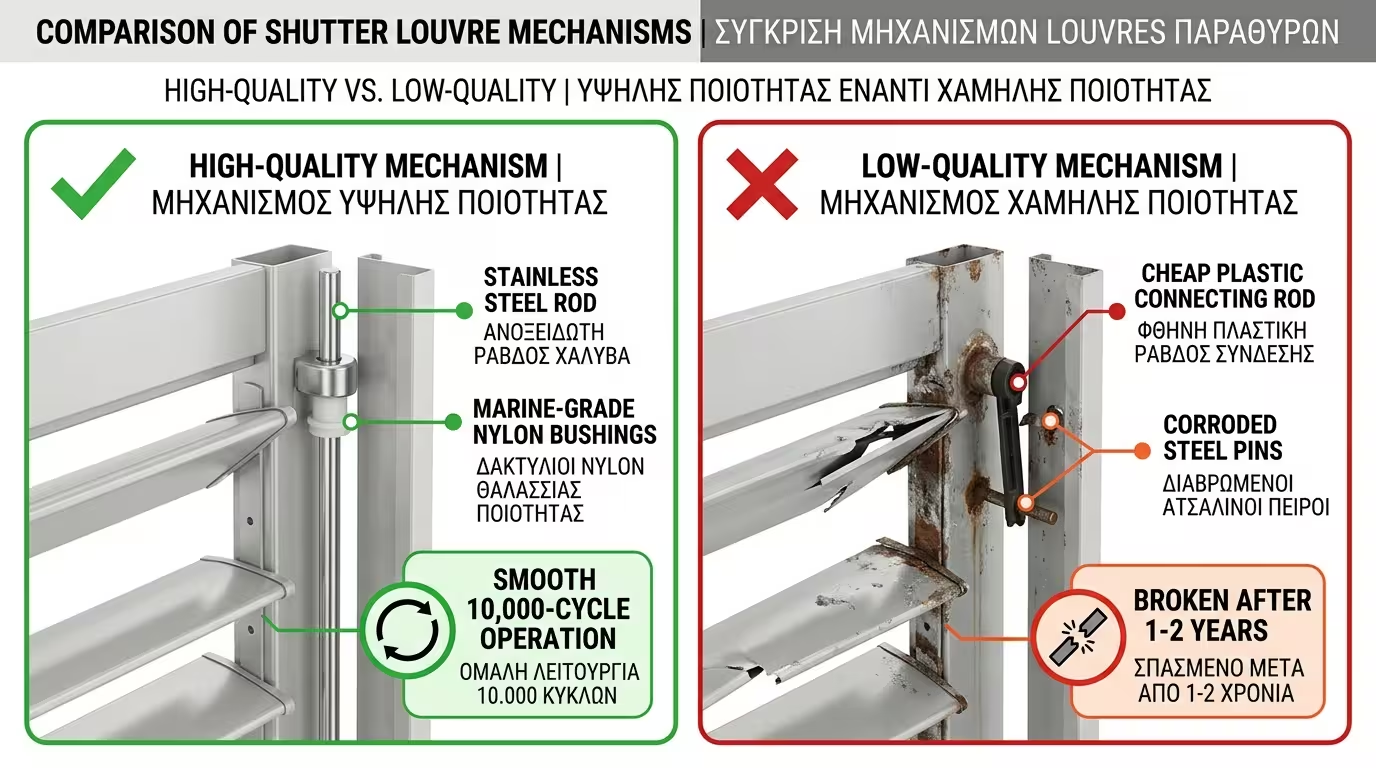
Internal louvre rotation mechanism - aluminium connecting rod and polyamide clips

❌ Cheap Plastic Clips

Very cheap plastic clips polymerise ("burn") in the Greek sun within 3-5 years and snap, leaving the louvres dangling uncontrollably.

✅ Polyamide or Zamak

Choose systems with mechanisms made from specialised heavy-duty polyamide or aluminium alloy (Zamak), which last decades of hard use. They are unaffected by UV radiation or salt spray.

💡 Summary: While fixed louvres offer charm and simplicity, movable louvres transform the shutter into a "smart", bioclimatic tool that dramatically upgrades your quality of life. The slightly higher cost is recouped through lower air-conditioning bills and everyday comfort.

Related Articles

Preview