✅ Where It Goes
Interior sealing around window frames, between the aluminium frame and plaster. Fills finishing joints before painting. After painting it becomes invisible. Ideal for dry rooms.
Walk into any large building-supply store. On the sealant shelf you'll find dozens of types: white, grey, transparent, elastic, rigid, paintable, non-paintable. Which one goes inside? Which one goes outside? Which ones can be painted? Which ones survive rain? The confusion is enormous.
In this article we'll clear up the 3 main sealants used around windows: Acrylic Mastic, Neutral Silicone and MS Polymer. You'll learn which one suits each application.
Acrylic mastic (or acrylic caulk) is the classic "white sealant" every tradesman knows. It comes in a cartridge, is applied with a caulking gun and dries in a few hours. It is 100% paintable, which is why it is used almost exclusively indoors.
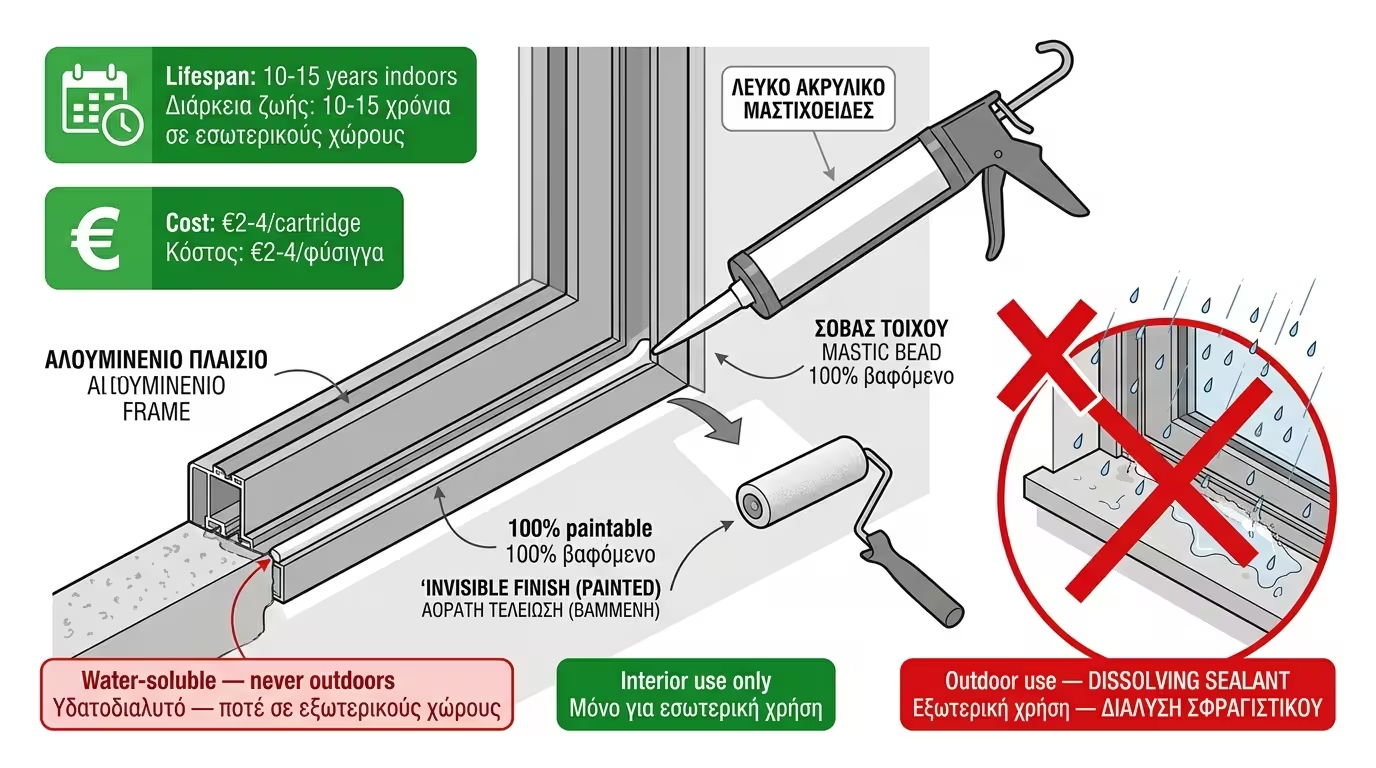
Interior sealing around window frames, between the aluminium frame and plaster. Fills finishing joints before painting. After painting it becomes invisible. Ideal for dry rooms.
Never outdoors! Acrylic mastic is water-soluble. If exposed to rain, it "melts" within months. UV radiation hardens it, it cracks and loses its seal entirely. Also unsuitable for joints with significant movement (>10%), as it's not elastic enough.
€2–4 per cartridge. The most economical option on the market. Indoor life reaches 10–15 years when not exposed to moisture or UV radiation. In bathrooms and kitchens (high humidity), you may need to reapply in 5–7 years. Always clean the surfaces with isopropyl alcohol before applying to ensure maximum adhesion.
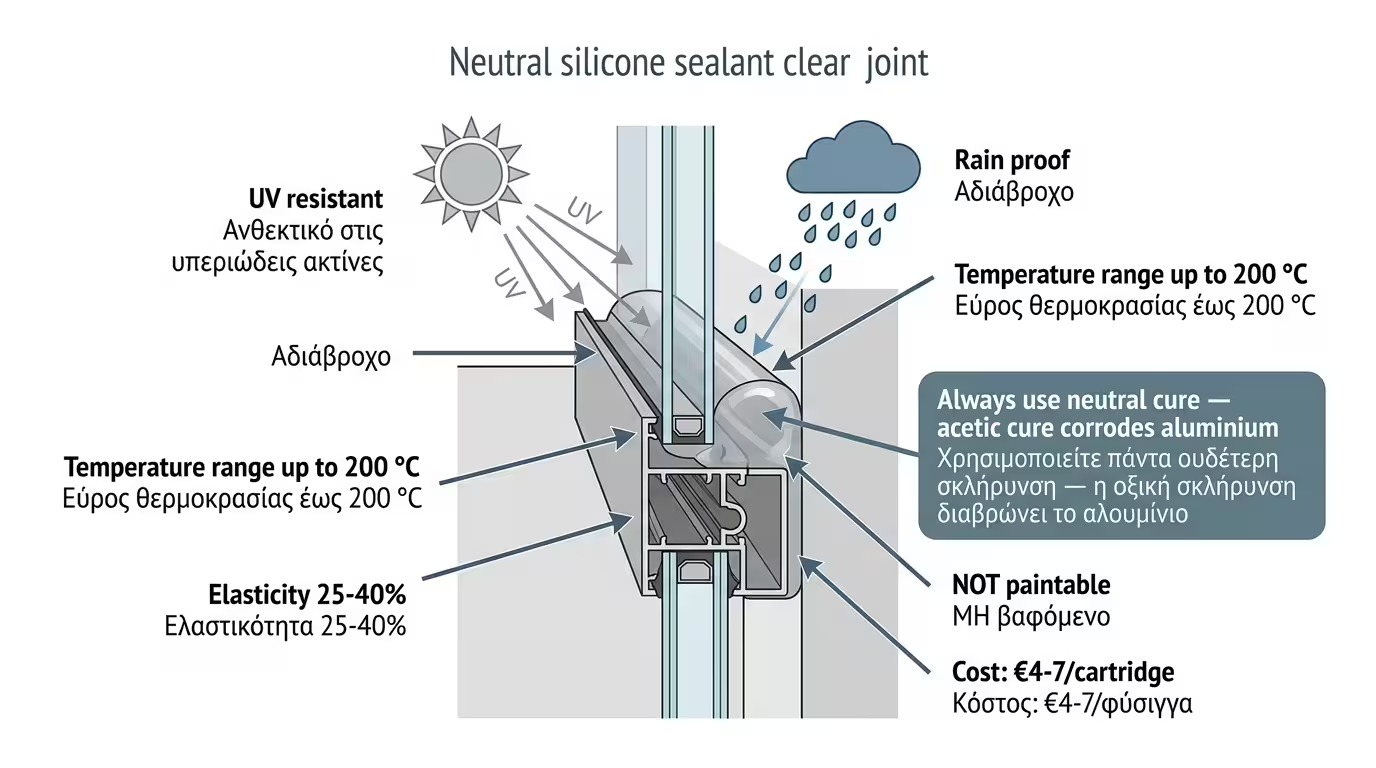
Silicone (specifically neutral-cure) is the classic choice for exterior joints. It resists UV, rain, frost and high temperatures (up to 200 °C). It doesn't dry out or deteriorate.
Exterior joint sealing (when RAL membranes aren't used), sealing around marble sills, sealing between glass and frame. Ideal for points exposed to water, UV and major movement (elasticity 25–40%).
Cannot be painted! If you paint over silicone, the paint will peel within weeks. This is why it's not used indoors in painted areas. Also, silicone doesn't adhere to wet surfaces - application must be on a dry substrate.
Always neutral (neutral cure)! Acetic-cure silicone smells of vinegar and corrodes aluminium, causing white oxidation spots on the profile surface. Neutral silicone is compatible with all metals (aluminium, steel, PVC) without corrosion risk. It costs about €4–7 per cartridge and its elasticity reaches 25%, enough to follow the window's thermal movement without tearing.
This is the cutting edge. Modified Silicone (MS) Polymers combine silicone's strengths (elasticity, UV resistance) with acrylic's (100% paintable). If you could choose only one sealant, this would be it.
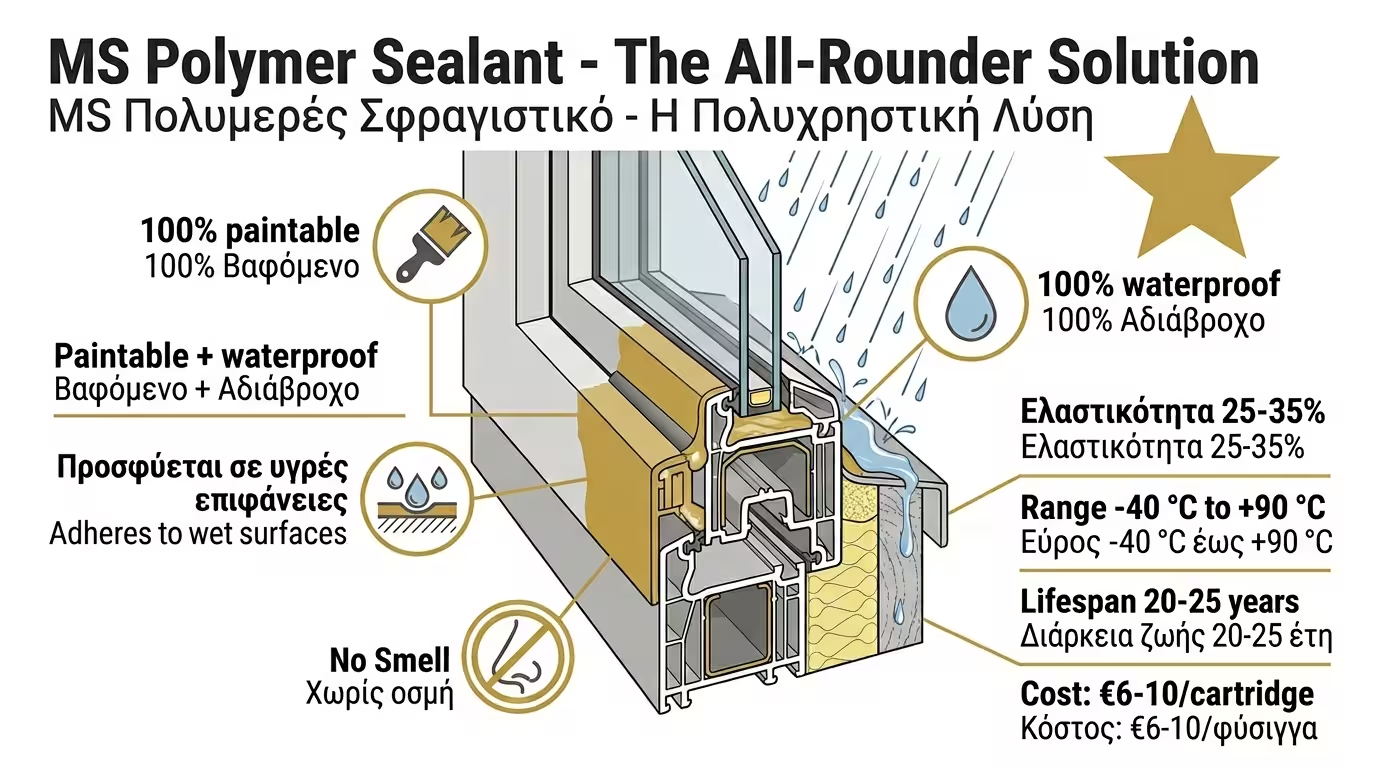
100% paintable (acrylic, silicone-based or enamel paints). 100% waterproof like silicone. Adheres to wet surfaces - ideal for rainy-day application on site, where standard silicone fails due to poor adhesion. Odourless, won't ooze, trims cleanly after curing and leaves no oil stains on plaster - a problem that frequently occurs with silicone.
€6–10 per cartridge - double the price of silicone, but the performance justifies the cost. Elasticity 25–35%, UV-resistant, temperature range -40 °C to +90 °C. Lifespan 20–25 years indoors and outdoors.
This quick-reference table shows you at a glance which sealant suits each window application.
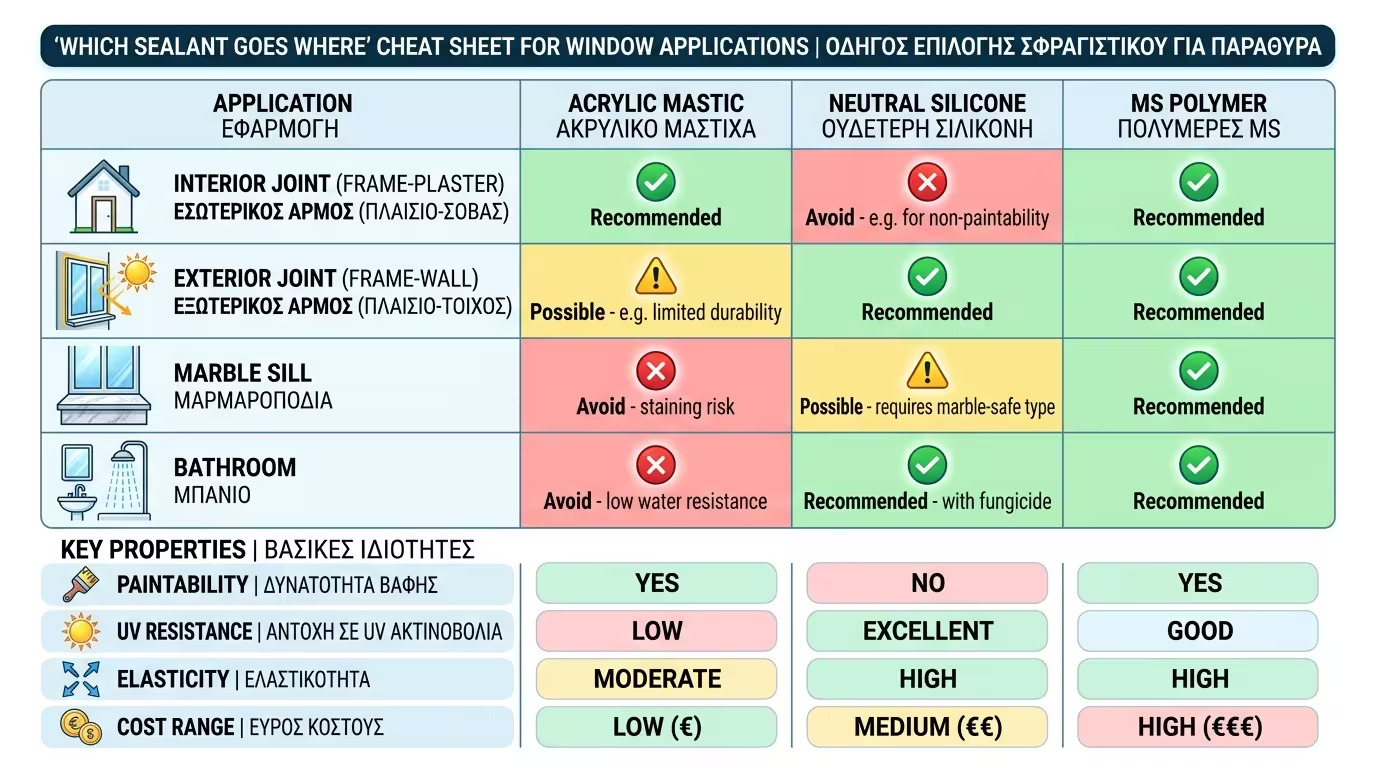
1st Choice: Acrylic Mastic (paintable, cheap).
2nd Choice: MS Polymer (if extra elasticity needed).
Avoid: Silicone (not paintable).
1st Choice: MS Polymer (paintable + UV/water resistant).
2nd Choice: Neutral Silicone (if painting isn't needed).
Avoid: Acrylic Mastic (dissolves in water).
1st Choice: Neutral Silicone (excellent adhesion to marble/stone).
2nd Choice: MS Polymer (if painting is required).
Avoid: Acrylic Mastic (can't handle moisture).
Acrylic = inside (paintable). Neutral silicone = outside (not paintable but survives everything the weather throws at it). MS Polymer = anywhere (paintable + survives everything, but costs more). If you remember nothing else from this article, remember this one sentence: "Acrylic inside, neutral silicone or MS outside." That simple rule will save you from most common sealant mistakes.
Return to category.
Go to categoryReturn to the central guide.
Go to guide