The Continuous Marble Sill: The #1 Construction Mistake in Window Installation in Greece

If there's one "national" construction blunder in Greek building that has cost millions of euros in wasted energy and damaged floors, it's this: Installing the window on a single, continuous piece of marble.

You've invested in a state-of-the-art thermally broken aluminium window with triple energy-rated glazing. Your goal is to let zero cold through. But when the harsh winter comes, you walk barefoot near the balcony door and the floor is "ice cold". What went wrong? The truth is, the window did its job perfectly. The problem was literally… under its feet.

1. The Physics of Destruction: The Cold "Highway"

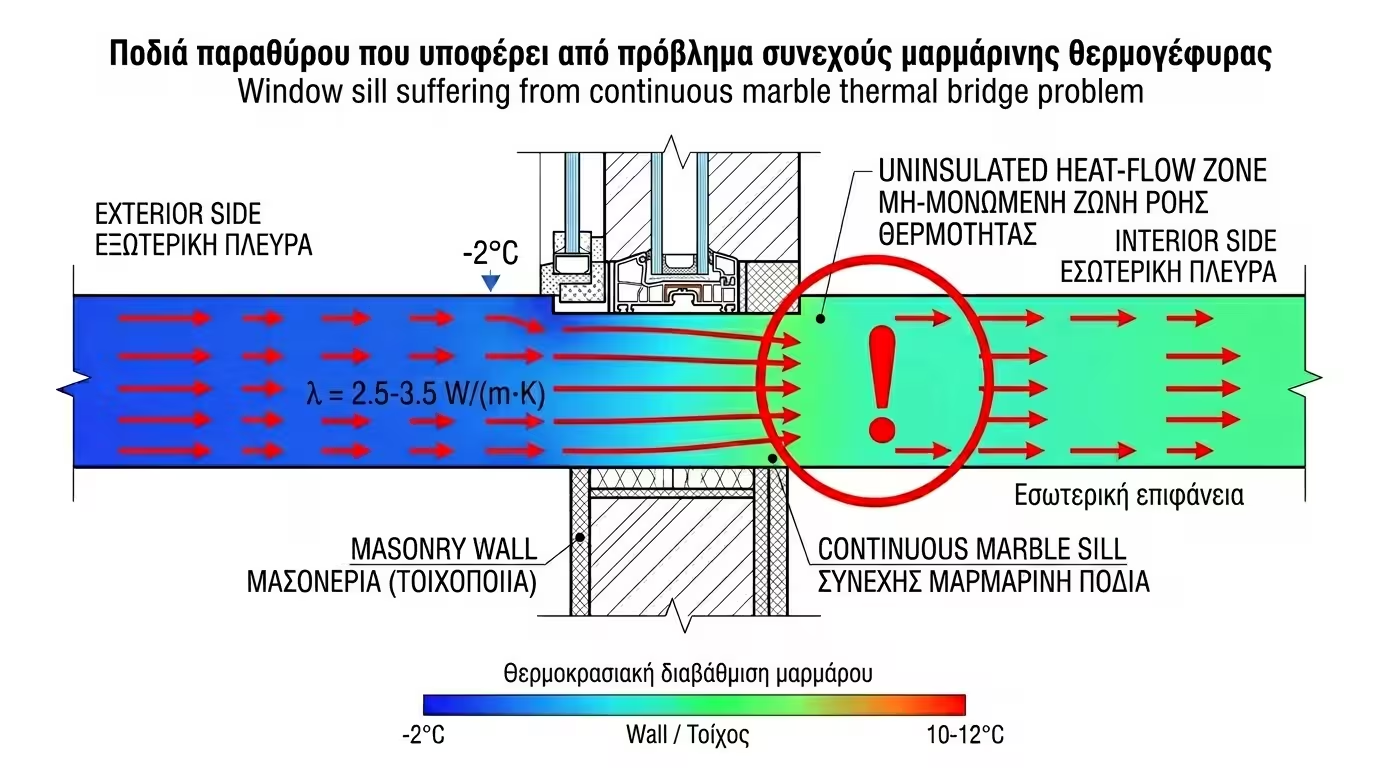
Marble, as a natural stone, is an excellent conductor of heat. Heat (or cold) travels through it with enormous ease. In traditional Greek construction, the marble mason places a large, single piece of marble at the door threshold that runs from the balcony (outside) all the way into the living room. The aluminium installer then bolts the window directly on top of it.

Plan view of a continuous marble sill creating a thermal bridge under the window

❄️ Step 1: Freezing

The outdoor air (e.g. 0 °C) freezes the external portion of the marble on the balcony. The cold "travels" rapidly through the mass of the marble, passes under the window - completely bypassing the expensive thermal break - and reaches the interior portion of the marble inside your warm living room.
💧 Step 2: Condensation

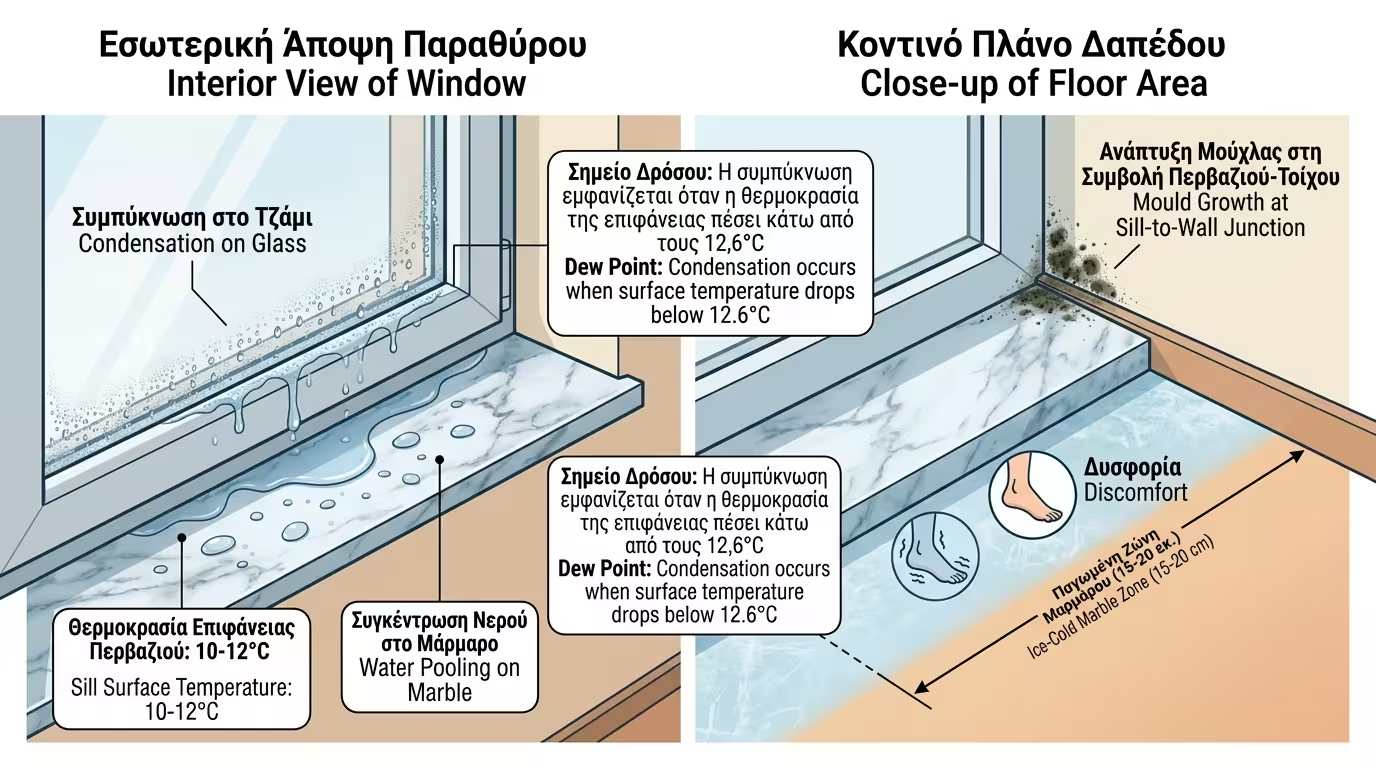
The interior marble becomes ice cold. Indoor moisture settles on it, liquefies (condensation) and pools. Over the months, it rots wooden floors and creates black mould on the wall. It's like locking your security door but leaving a huge tunnel wide open right underneath it!

2. The Risk in Numbers

Ice-cold floor with condensation next to balcony door due to continuous marble sill

Marble's thermal conductivity ranges from 2.5–3.5 W/(m·K). This means a continuous marble sill 3 cm thick and 1.50 m long transfers as much heat as an open window measuring 15 × 15 cm! The linear thermal bridge (Ψ coefficient) of a continuous marble sill can reach 0.50 W/(m·K) - while the modern-construction target is Ψ < 0.04.

📊 Impact on Your Bill

In a typical home with 5 balcony doors and continuous marble, the additional annual heating consumption from this thermal bridge alone can exceed 200 kWh. That translates to €80–120 per year wasted - money literally leaking out from under your feet.

🏥 Impact on Health

The mould that develops in the corners around the balcony door releases spores that cause respiratory allergies, rhinitis and asthma. Small children and the elderly are particularly vulnerable. Eliminating the thermal bridge isn't just an energy issue - it's a health issue.

3. The Solution in New Construction: Getting It Right from the Start

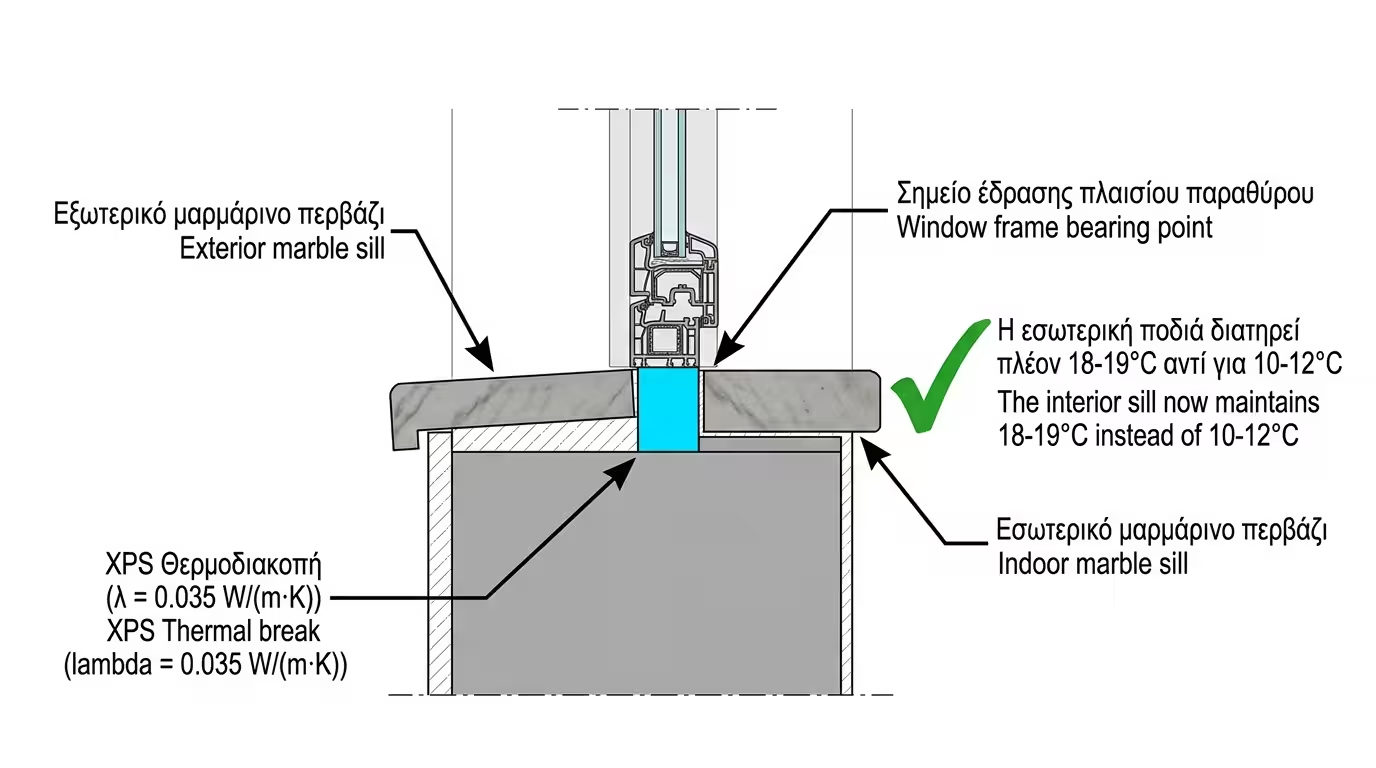
The design here is simple and salvation. Instead of one marble piece, the mason cuts two separate pieces - one for the balcony and one for the interior. Between them, a gap of 2–3 cm is left.

New construction – two separate marble pieces with XPS insulation in the gap

🧱 The Construction Detail

Inside the gap between the two marble pieces, a rigid insulating material is placed - extruded polystyrene (XPS) or ideally Purenit. The aluminium installer positions the window so that the profile's thermal break (polyamide strips) sits exactly on top of the floor insulation. This creates an impenetrable vertical insulation shield from top to bottom!

💰 Extra Cost

This technique costs virtually nothing extra. The mason cuts two pieces instead of one (same material), and only a small piece of XPS is needed (cost < €5). The only difference is proper communication between engineer, mason and aluminium installer - something that, unfortunately, is often missing in practice.

4. The Solution in Renovation: Time for the Angle Grinder

If you're replacing windows in an existing home, the continuous marble is already there. The worst thing you can do is say "never mind, let's leave it."

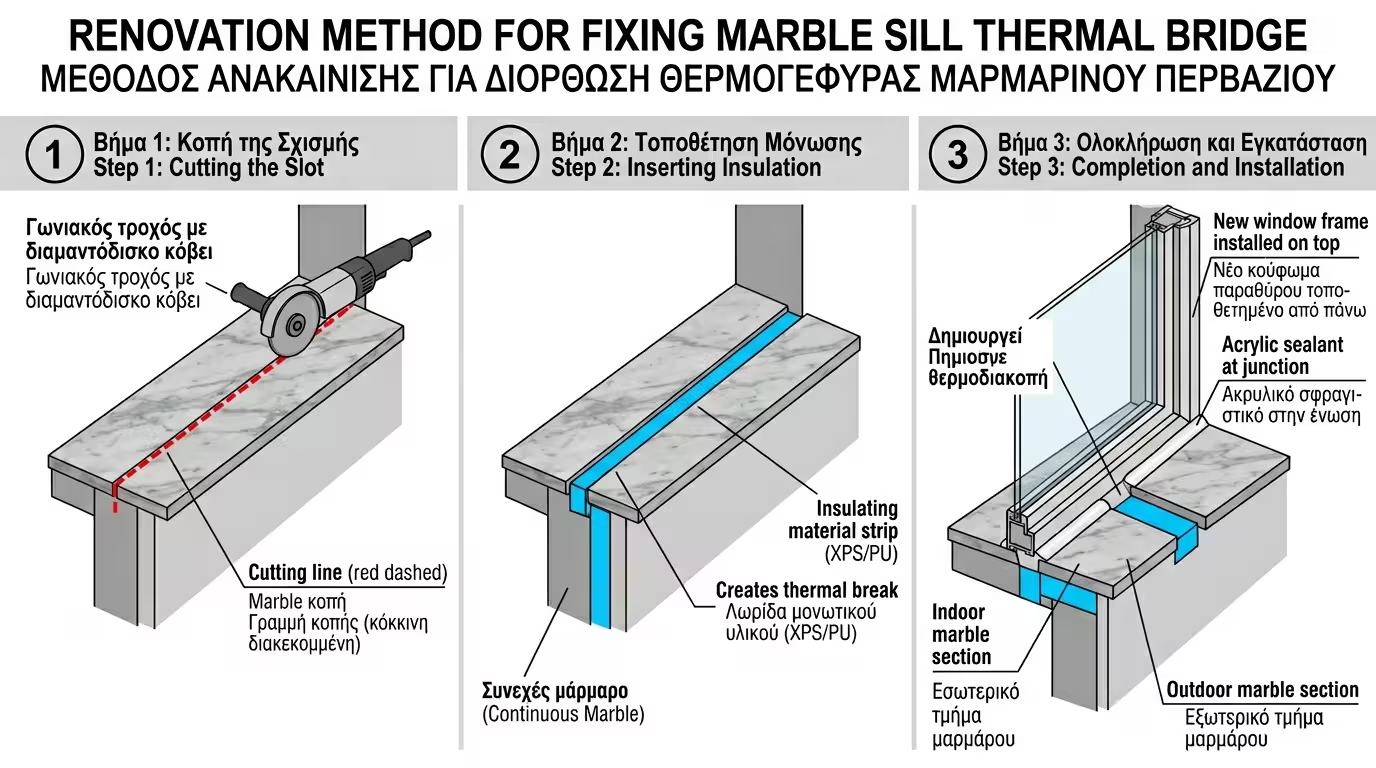
Cutting a continuous marble sill with a diamond disc angle grinder during renovation

🔧 The Step-by-Step Process

The specialist installer, before fitting the new aluminium, takes a diamond-disc angle grinder and cuts the marble lengthwise, from one edge of the opening to the other. It may create some dust for 10 minutes, but it's the most critical step of the renovation. Into the slot, he injects polyurethane foam or inserts insulating material, and on top, the new window sits. The cold "tunnel" is sealed forever!

⚠️ Don't Skip It!

Many installers, due to haste or ignorance, skip this step. If your aluminium installer says "it's not necessary", ask whether they know what the Ψ Coefficient is and what the maximum allowable limit is under KENAK. If they can't answer, find an installer who can.

5. Summary: Cut the Cold "Highway"

🏠 The Rule

Buying a thermally broken window and placing it on a continuous piece of marble is throwing money away. Thermal insulation is a continuous chain, and the floor is usually its weakest link. Demand that your installer breaks the marble sill. Whether in new construction (two separate pieces + XPS) or in renovation (angle-grinder cut + insulation), this is the "small" secret that makes the enormous difference to your thermal comfort - and your electricity bill.

Related Articles

Preview