Airtightness Membranes (EPDM / Fleece): The Golden Rule of "Tighter Inside, More Open Outside"

In previous articles we explained how to seal the window externally (Compriband) and how to fill the middle gap (elastic foam). Now we turn to the interior - home to the most insidious enemy: water vapour.

Every time you shower, boil pasta or simply breathe, the warm air fills with moisture. If the joint around your window isn't absolutely airtight, that moisture will seep in, meet cold air, condense and… mould inside the wall! The solution: specialist Airtightness Membranes.

1. The Golden Rule: "Tighter Inside, More Open Outside"

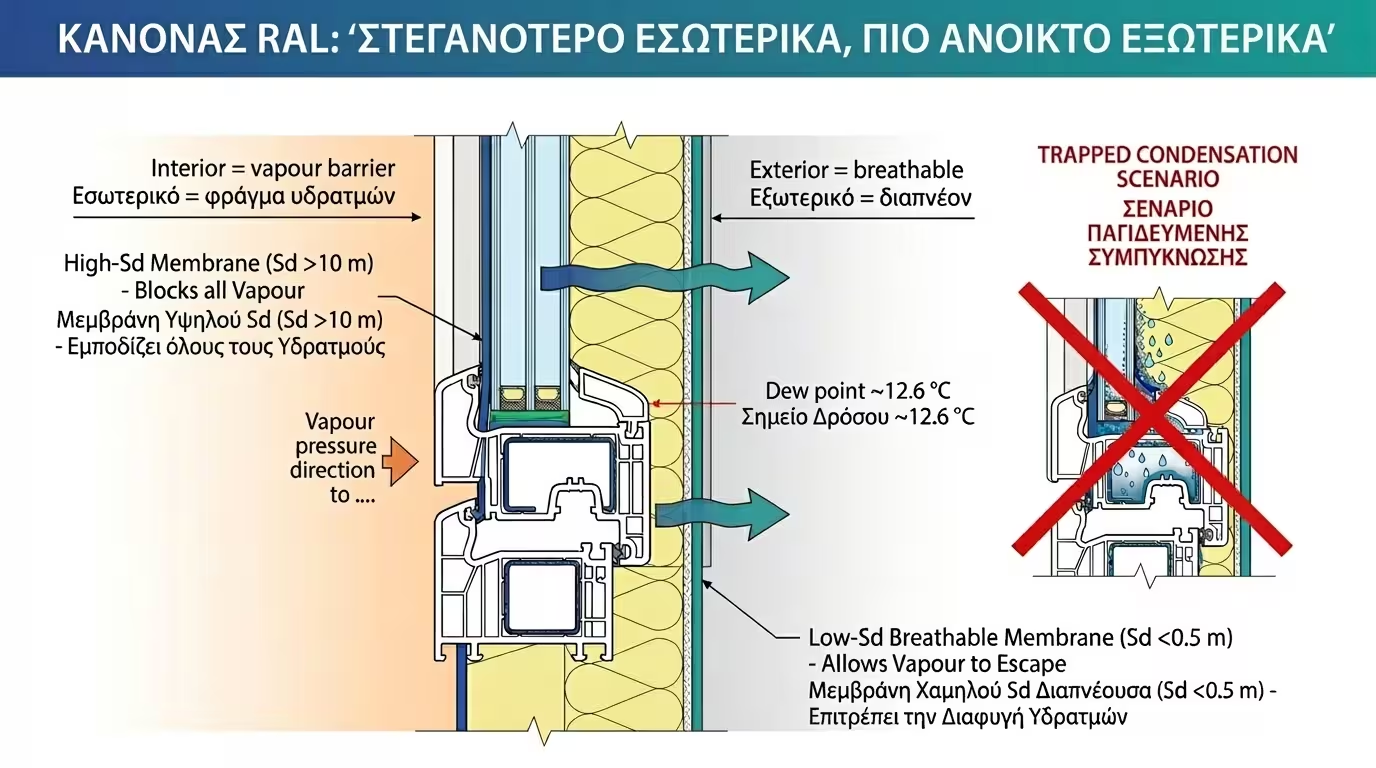
This phrase is the "gospel" of building physics. Inside: the joint must be 100% sealed (Vapour Barrier). Outside: waterproof yet simultaneously vapour-permeable (breathable). If you seal both sides "blindly" (e.g. silicone everywhere), moisture gets trapped in the middle and rots everything.

RAL golden rule - 100% airtight inside, breathable outside at the window joint

💧 Why Does Moisture Enter?

Moisture (water vapour) always moves from the warm side to the cold - from your living room toward the exterior wall. If the joint isn't airtight on the inside, vapour enters the cavity, reaches the "dew point" (approximately 12.6 °C under typical conditions) and turns into water. This condensation breeds mould inside the joint - invisible but extremely harmful.
🔬 What Does "Vapour Barrier" Mean?

A vapour barrier is a material that completely blocks vapour passage. It is measured by the Sd value (equivalent air-layer thickness in metres). The higher the value, the less moisture passes. Interior RAL membranes must have Sd >10 m (almost impermeable), while exterior membranes need < 0.5 m (very open to vapour).

2. EPDM Membranes: The Sealing "Tank"

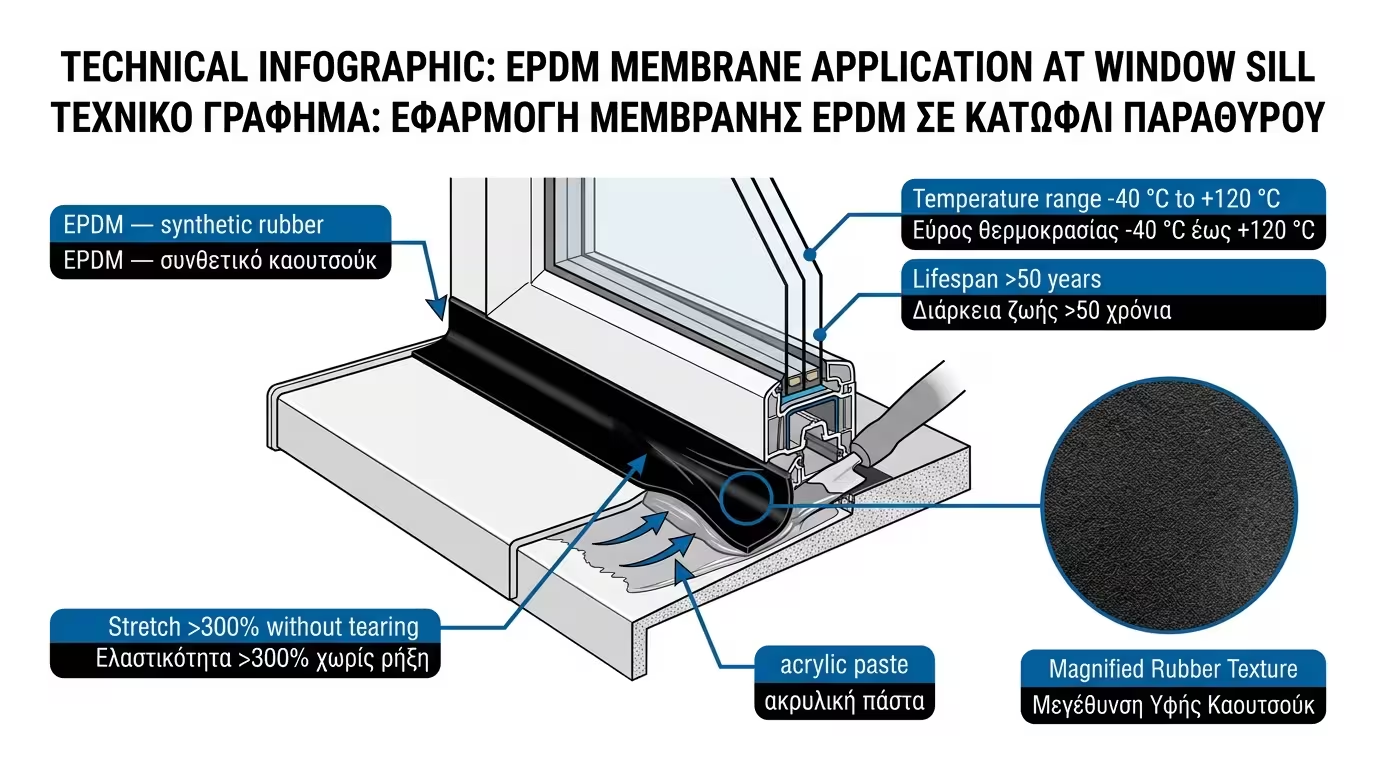
EPDM membrane - black synthetic rubber for waterproofing window sills

EPDM (Ethylene Propylene Diene Monomer) is an industrial synthetic rubber. Black, thick, exceptionally tear-resistant and with enormous elasticity. It can stretch over 300% without tearing - ideal for points with major thermal movement.

🏗️ Where It's Used

Primarily for exterior waterproofing at the bottom of windows (sills) and at points of high mechanical stress. Special EPDM membranes exist for interior use too. Application is via specialist acrylic paste or a self-adhesive layer.

⚖️ Pros & Cons

Pros: Resistant to everything - UV, ozone, extreme temperatures (-40 °C to +120 °C). It doesn't age or rot. Lifespan exceeding 50 years.
Cons: Difficult to plaster over (requires specialist mesh) and less "intelligent" in vapour management. More expensive than Fleece.

3. Fleece Membranes: The "Smart" Choice for Interior Use

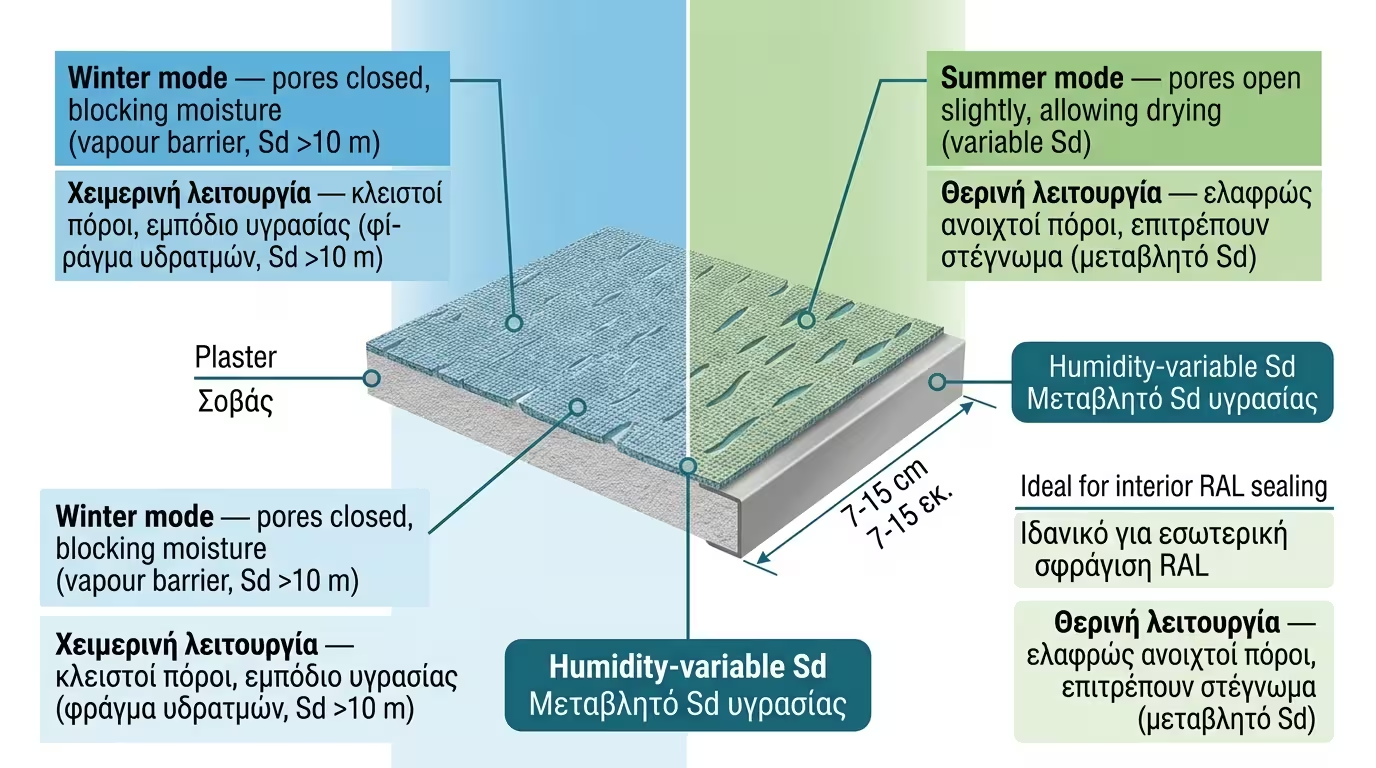
These are the modern stars of interior sealing. They resemble thick fabric (fleece) and feature "smart" pores - variable Sd technology. In winter, the pores close (vapour barrier). In summer, if humidity rises, they open slightly (drying mode).

Fleece membrane - fabric-like airtightness membrane with variable Sd value (smart pores)

🎨 Can Be Plastered & Painted

The fabric surface bonds perfectly with building materials. The plasterer applies render over the membrane, which disappears into the wall, forming an invisible, elastic bridge. This makes them ideal for interior window sealing.

🏠 The Top RAL Choice

Fleece membranes are the first choice in RAL installation for interior airtightness. Width 7–15 cm, they bond to aluminium and plaster, and withstand seismic micro-cracks without losing their seal.

4. Why Acrylic Mastic Alone Isn't Enough

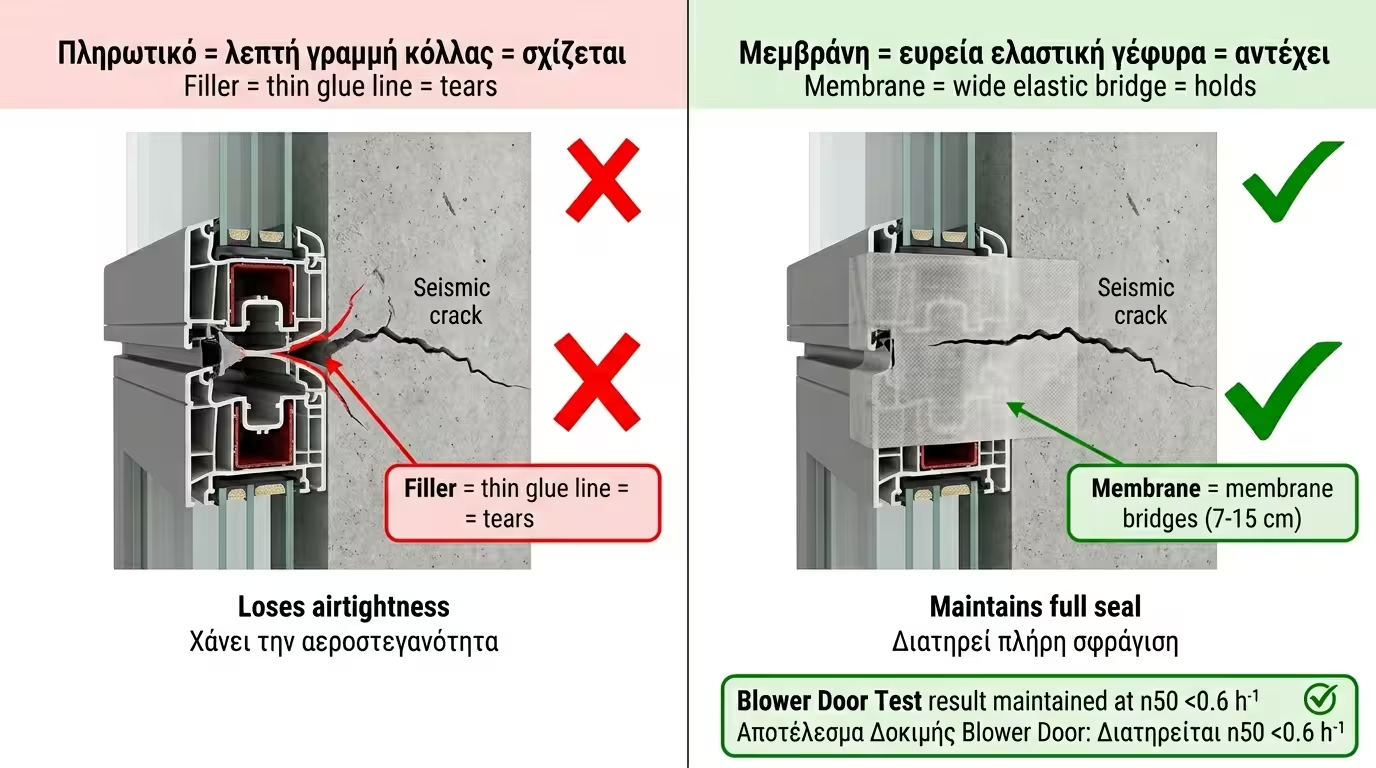
Many tradesmen say: "I'll just put acrylic filler all around and you'll be fine." Fillers and mastics are useful materials, but they do not provide structural airtightness.

Membrane vs mastic comparison - membrane absorbs seismic crack, mastic tears

🫨 Earthquakes & Cracks

With earthquakes and thermal movement, the wall may develop hairline cracks. If you only have filler, the crack opens. If you have a membrane, because it is wide (7–15 cm) and elastic, it absorbs the movement. Airtightness for the Blower Door Test (Passive House) remains 100%.

📏 Adhesion vs Bridge

Filler relies on a thin glue line between aluminium and plaster. A membrane has an entire bonding surface on each side - a structural bridge that no filler can replicate.

5. Summary: The Invisible Guardians

🏠 The Rule

"Sealing" a window is not a simple finishing bead. It is a scientific moisture-management process. EPDM and Fleece membranes are the invisible guardians that keep indoor moisture away from the cold spots of the wall, protecting your health and your property.

Related Articles

Preview