🌡️ Thermal Loss
The thin cover freezes. Warm indoor air touches it, condensation forms and mould appears on the ceiling around the box. The roller box is often responsible for 20% to 30% of the total thermal losses of an entire window opening!
You have installed energy-efficient windows, used elastic foams and double-glazed panes. You close the window in winter, sit on the sofa and… feel an icy draught hitting your head. You raise your hand towards the top of the window and realise the cold (and the street noise) comes straight from the roller shutter box.
In Greek houses built in the 1980s, '90s and 2000s, the roller box is literally a hole in the wall. Replacing only the lower part (glass and aluminium) while leaving the box uninsulated is like wearing an expensive winter jacket without a hat - all the heat escapes from the top!
For the shutter to roll up and down, a mandatory large slot exists at the lower-exterior of the box. Through this slot, freezing outdoor air enters freely into the wall cavity where the shutter coils. What separates this freezing air from your warm living room? A thin cover: 5 mm plywood, simple PVC plastic or a single aluminium sheet.
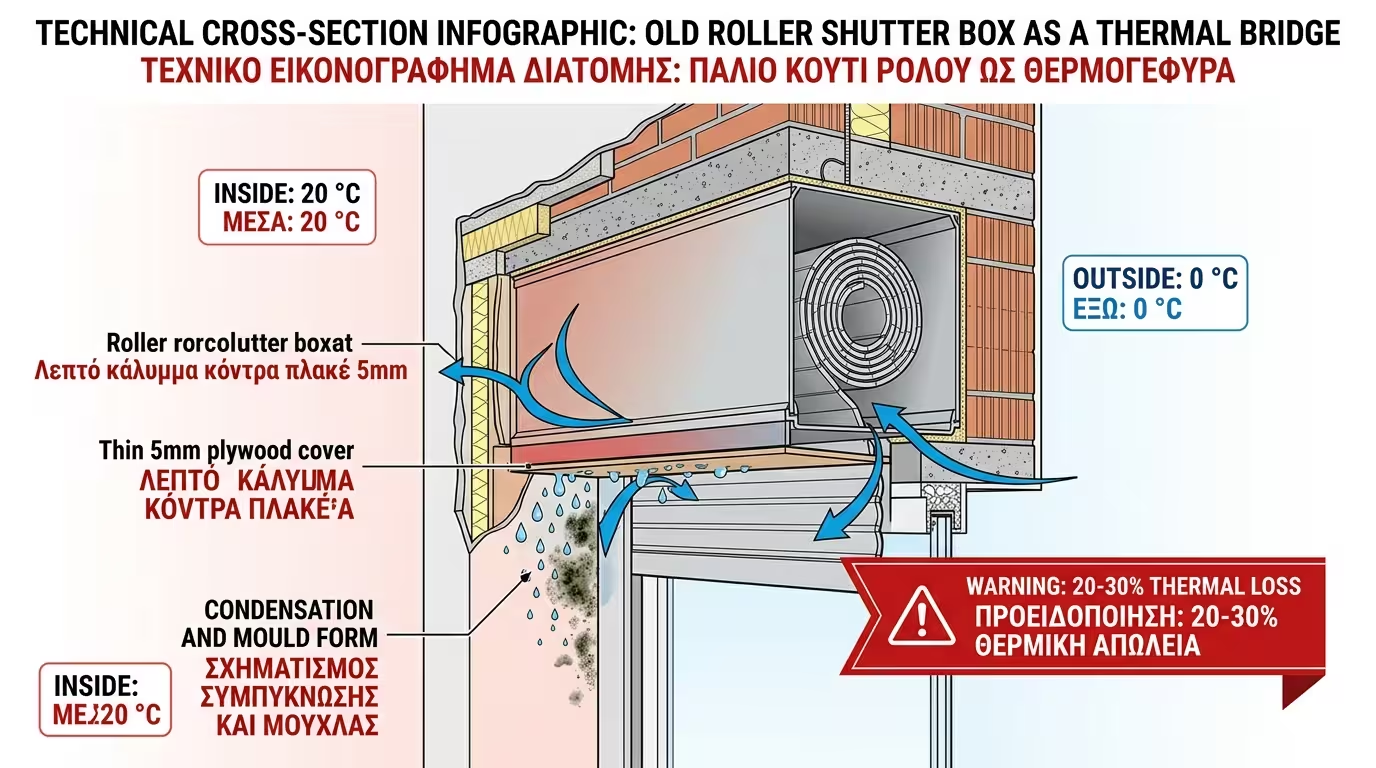
The thin cover freezes. Warm indoor air touches it, condensation forms and mould appears on the ceiling around the box. The roller box is often responsible for 20% to 30% of the total thermal losses of an entire window opening!
The empty box acts like a "loudspeaker" amplifying street noise and channelling it indoors (flanking effect). Even with triple glazing, sound will find its way through this open cavity.
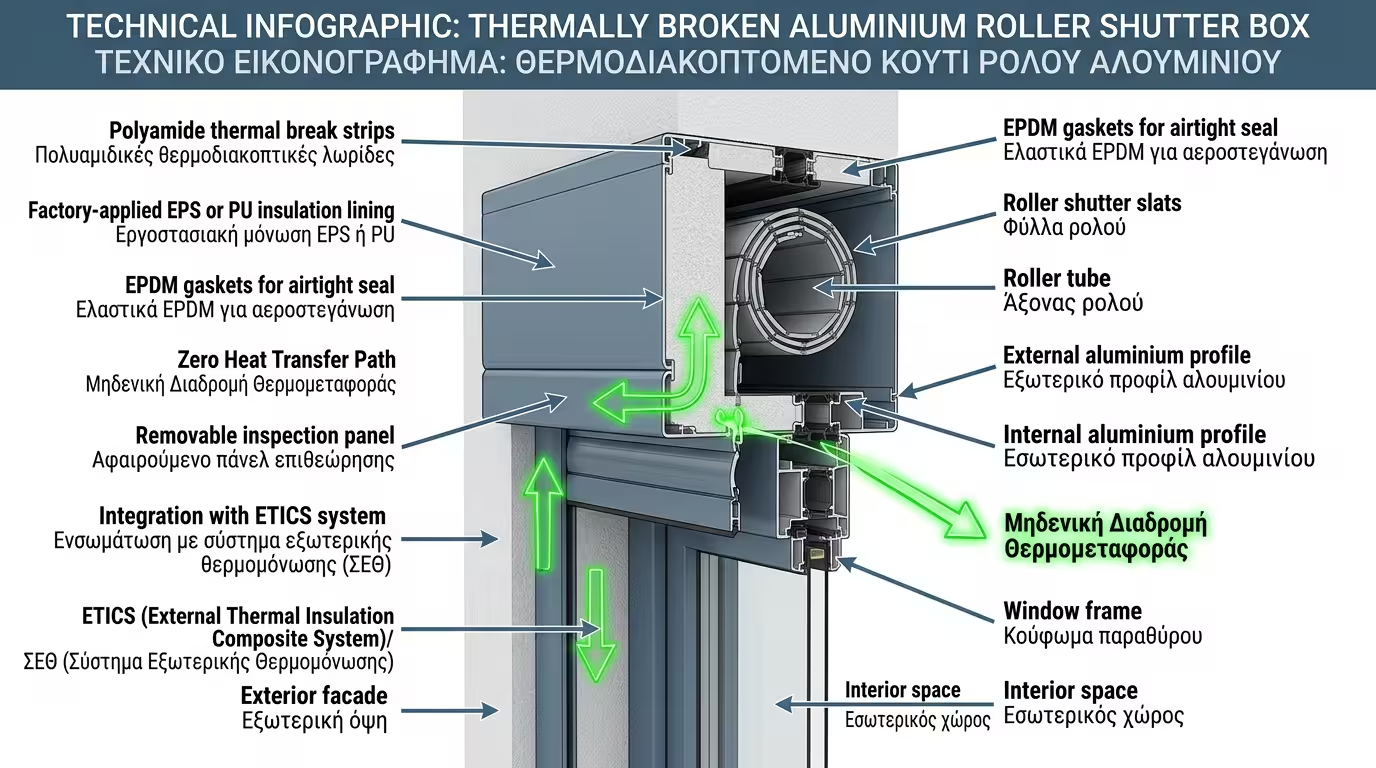
If you are undertaking a full renovation and removing old windows, the best solution is to discard the old box entirely. In its place, a modern surface-mounted thermally broken aluminium roller box is installed.
These new boxes incorporate polyamide thermal breaks that interrupt heat transfer (same principle as windows). The interior is factory-lined with thick EPS or PU insulation and heavy sound-absorbing materials. They seal airtight with dedicated EPDM gaskets.
When replacing windows from scratch, full box replacement is the cleanest solution. The box is installed directly above the new window, integrates with the ETICS system and receives RAL sealing. The cost is higher than the retrofit approach, but the energy performance and aesthetics are worth every euro.
If you must keep the existing shutter cavity (due to cost or architectural constraints), you need to convert it into a thermos flask. This is an ideal task for DIY enthusiasts or specialised installers.
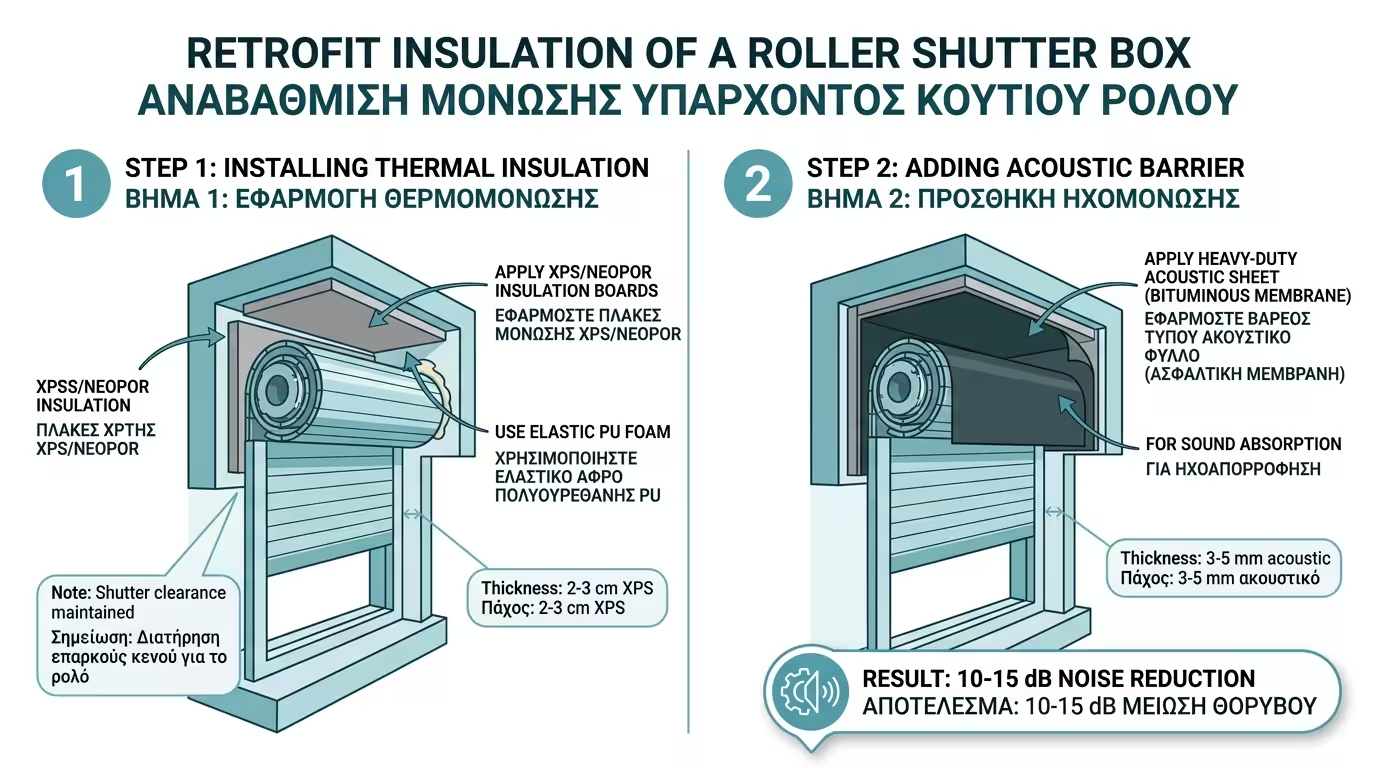
Glue (with elastic PU foam) sheets of extruded polystyrene (XPS) or Neopor to the back wall (facing the room) and the ceiling of the box. Special flexible insulation shells that hug the cavity are also available. Caution: insulation must not obstruct the shutter when it coils up.
Over the thermal insulation, glue heavy-duty acoustic sheets (bituminous membrane or mass-loaded vinyl). These "kill" the echo inside the box, turning the loudspeaker into a silent enclosure. Choose materials at least 3-5 mm thick. The improvement in noise reduction can reach 10-15 dB - enough to transform a noisy bedroom into a peaceful haven.
If your shutter is manual (belt/strap operated), the hole through which the belt exits indoors is a constant source of cold draught.
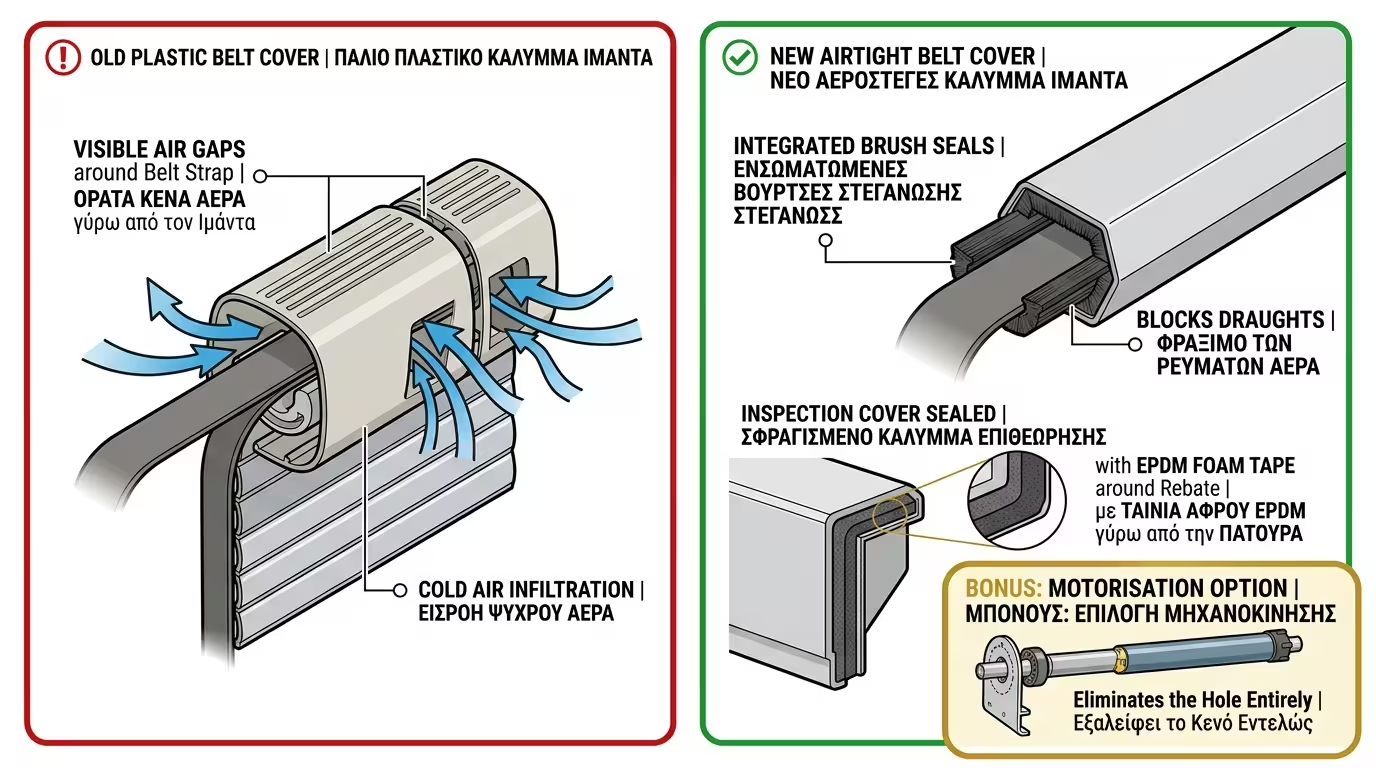
The ideal solution: convert to electric (motorised) to eliminate the hole entirely. If you keep the belt, replace the old plastic cover with a new airtight belt cover with integrated brush seals that block draughts.
The indoor inspection panel must close hermetically. Apply a thin, self-adhesive EPDM foam tape around the rebate - when screwed down, it creates a "suction" seal that blocks airflow.
The roller shutter box is often responsible for 20-30% of thermal losses of an entire opening! When investing in energy upgrades, don’t focus only on the glass. Treat the box with the same rigour as your masonry - replacing or radically insulating it. The difference in temperature and quiet will be immediate. Ask your window installer whether box insulation is included in the quote - it must be an integral part of every energy-focused renovation.
Return to category.
Go to categoryReturn to the central guide.
Go to guide