Water Leaking from the Bottom Corner of Your Balcony Door: How to Find the Cause

It's the classic, unpleasant winter surprise. You wake up after a heavy storm and see a small puddle of water at the bottom corner of your balcony door, right where the aluminium meets the parquet or tile.

Before blindly applying silicone, become a "detective". In 90% of cases, the problem isn't a manufacturing defect but a matter of maintenance or a specific local flaw. Let's look at the 3 most common "culprits" and how you can diagnose the issue yourself.

1. Blocked Weep Holes - The Most Common Cause

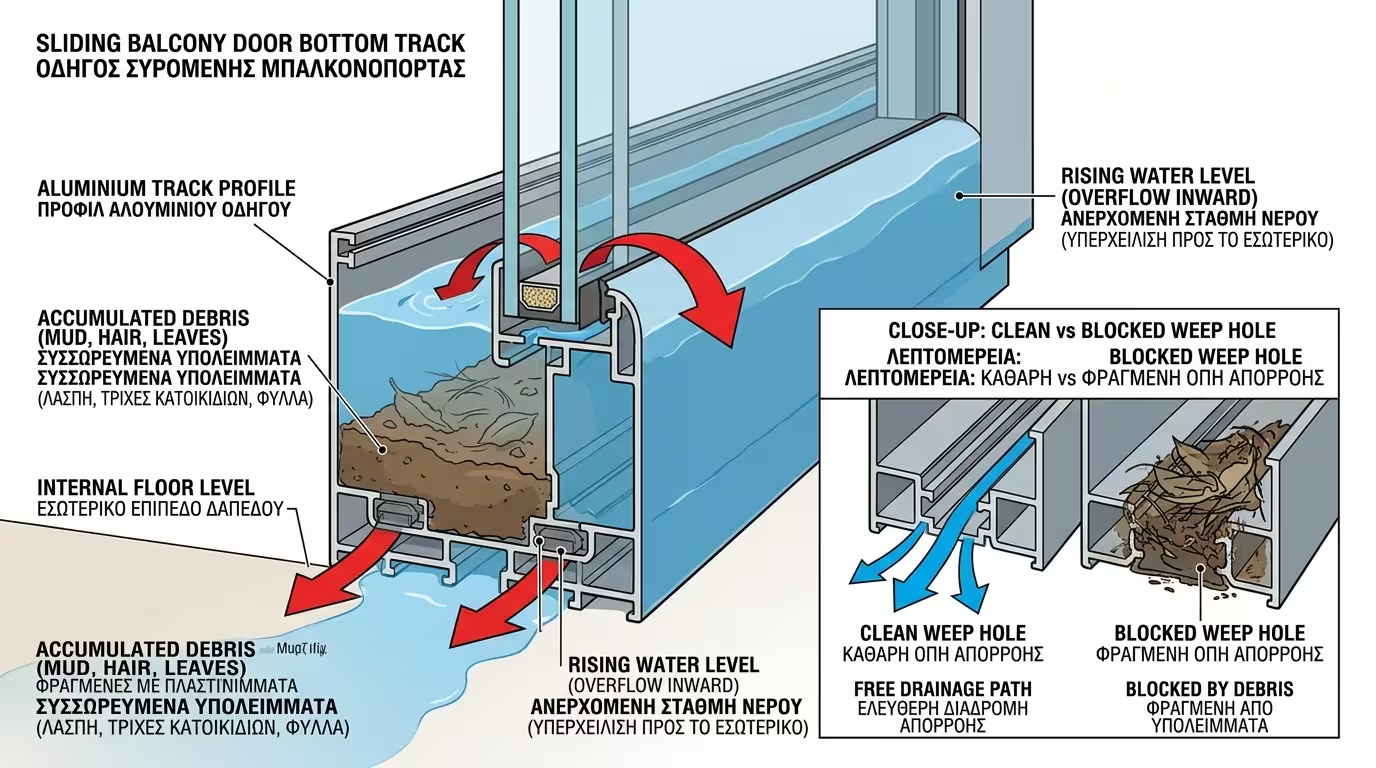
All modern windows (especially sliding, but also casement types) are designed to accept a small amount of water on their tracks. This water is immediately expelled outside through small drainage openings - the weep holes - at the bottom of the external frame, covered by small plastic caps.

Blocked weep holes at bottom of window frame - mud and dust accumulation

🔍 What Happens

During summer and autumn, dust, soil, pet hair and dry leaves accumulate on the tracks. With the first rain, this dirt turns to mud and completely blocks the holes. Water entering the track can no longer escape - the level rises (like a bathtub) until it overflows inward, "jumping" over the internal profile.
✅ The Fix

Grab a vacuum cleaner and thoroughly clean the tracks. Pour a little water in and make sure it flows freely out through the external plastic caps. If they're blocked, carefully unclog them with a piece of wire or a skewer stick. Perform this cleaning at least twice a year - before winter and during it.

2. Cut or Shrunken Gaskets (EPDM)

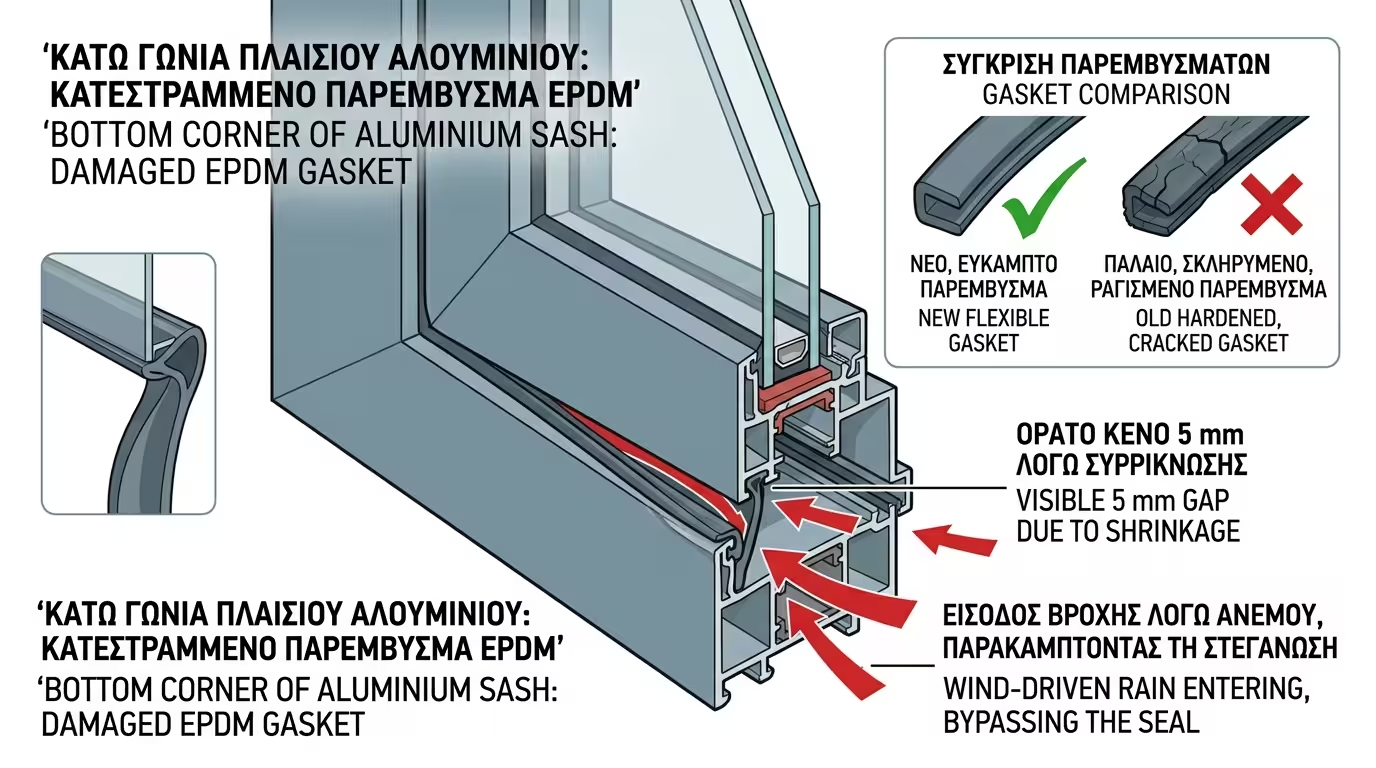
Cut or shrunken EPDM gasket at window sash corner - air gap visible

The perimeter sealing gaskets are your window's shield. To do their job, they must be soft, elastic and - most importantly - continuous (no gaps).

🔍 What Happens

Cheap gaskets (or those "baked" by years of sun exposure) dry out and shrink. The most vulnerable spots are the corners. Often the gasket "pulls back" leaving a half-centimetre gap right at the bottom corners of the sash. Strong wind pushes rain straight into that tiny corner gap, bypassing all other insulation.

✅ The Fix

Open the sash and feel the gaskets, especially at the bottom corners. If you find a gap, if they're rock-hard or cut, call your window installer. Perimeter gasket replacement is a very cheap, quick job (€15-30 per sash) that restores waterproofing to 100%.

3. Reverse Slope on the External Marble - Water Pools

If the weep holes are clean and the gaskets are fine, the problem lies outside - on the balcony sill (marble or tile).

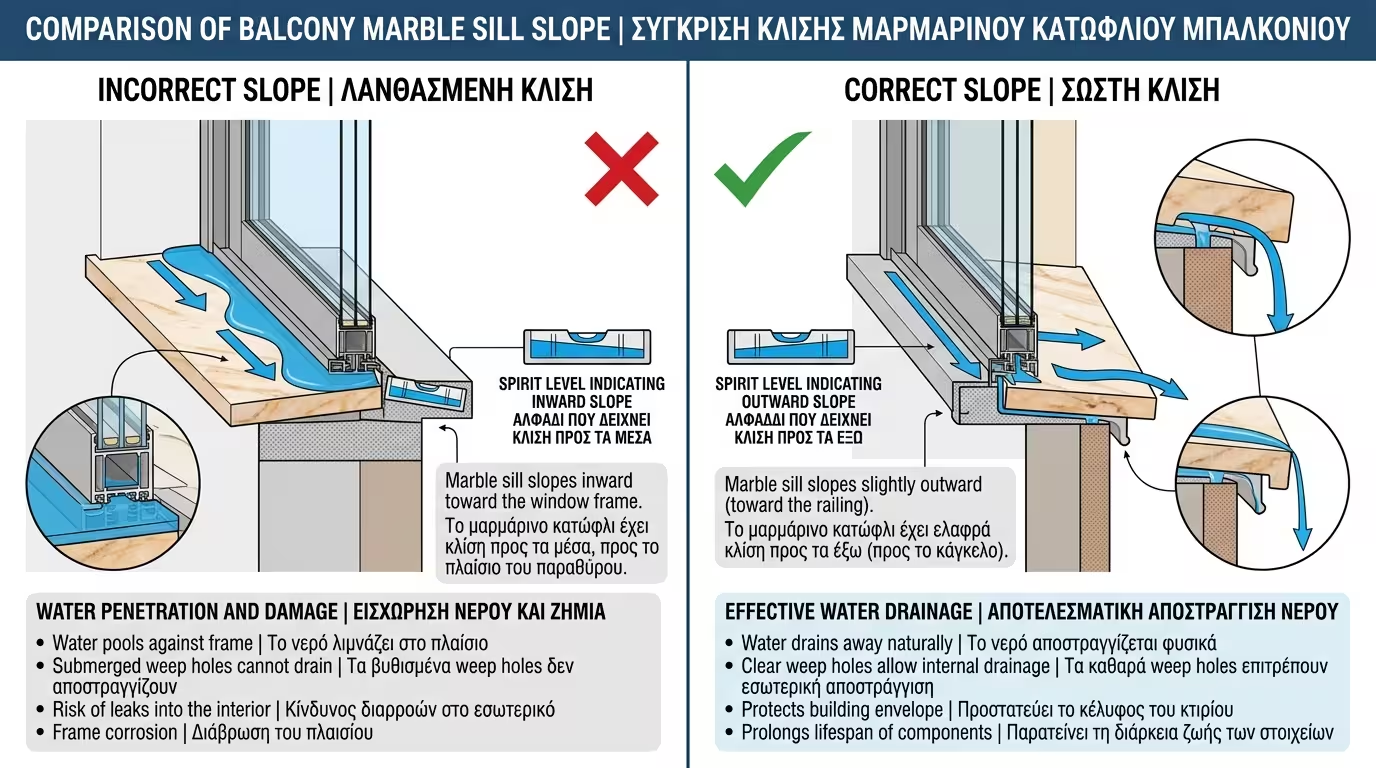
Reverse slope on balcony marble sill - water pools against the window frame

🔍 What Happens

The marble or tile installer got the levelling wrong. Instead of the sill sloping slightly outward (toward the railing) so water drains away, it slopes inward (toward the window). Water from the entire balcony flows and pools right in front of the frame. The frame is "drowned", the weep holes can't drain (the outside water level is higher) and water finds its way inside.

✅ The Fix

Pour a glass of water on the external marble and watch which way it flows. If it runs toward the window, you'll need specialist waterproofing resins at the base of the frame (externally) or, in extreme cases, correcting the marble slope. This is the trickiest scenario but it's still solvable.

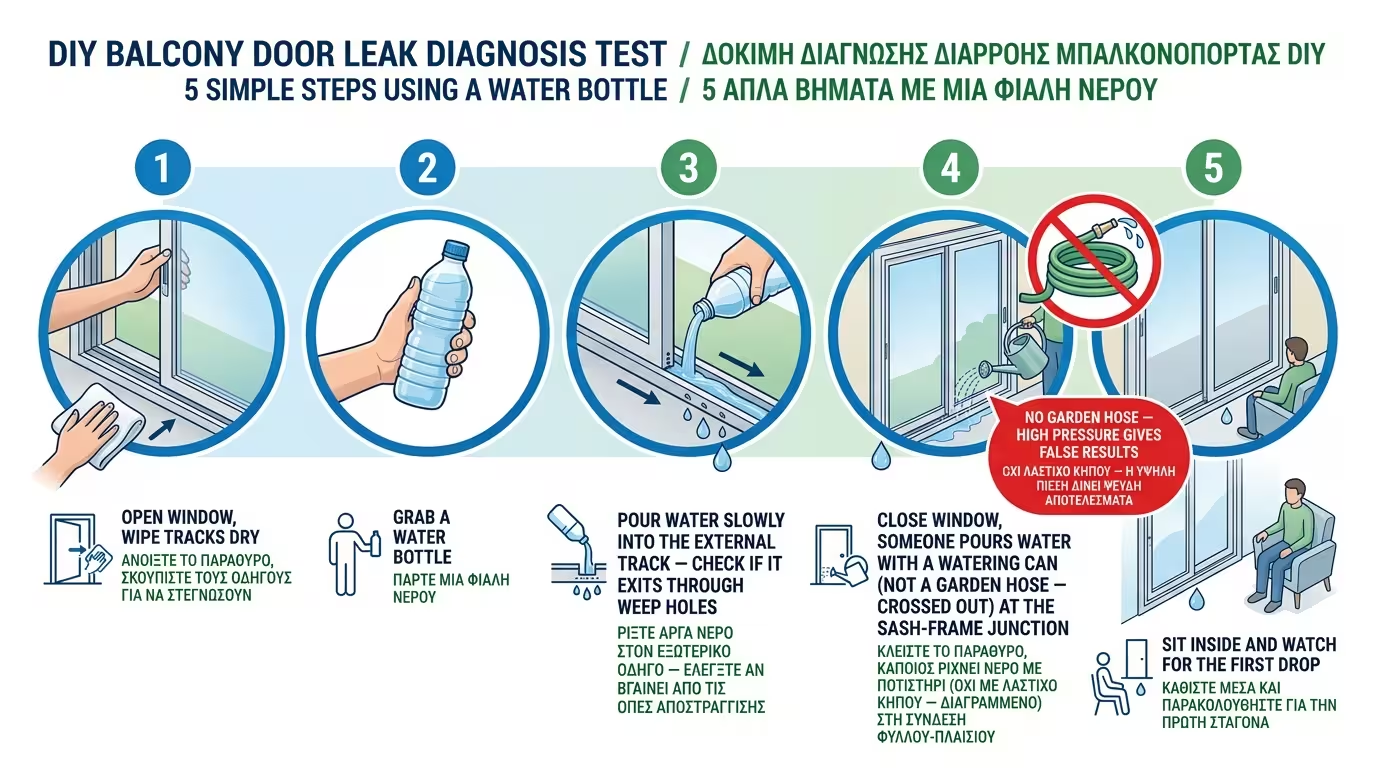
4. The Water-Bottle Test (DIY Diagnosis)

To be 100% sure exactly where your balcony door is leaking, run this simple test on a dry day:

DIY water leak diagnosis test with water bottle - targeted application on window joint

📋 The 5 Steps

1. Open the window, wipe the tracks clean and dry them. 2. Get a water bottle. 3. Pour water slowly into the external track only. If it exits through the outside caps normally, the weep holes are OK. 4. Close the window and ask someone to pour water with a watering can (not a garden hose) low down, at the sash-to-frame junction. 5. Sit inside and watch - as soon as you see a drop appear, you'll know exactly which spot is the culprit!

⚠️ Important

Don't use a garden hose at pressure! The test must use low flow (watering can) to simulate natural rain. High pressure penetrates everywhere and gives false positives - even a perfect window can't withstand forceful spraying.

5. Summary

🏠 The Rule

Water on the floor is a minor nightmare, but the fix is usually simple. Keeping tracks and drainage holes clean, visually inspecting gaskets before winter, and ensuring the marble slopes outward saves you from damaged flooring, mould and frustration. Carry out this check before the first rains arrive!

Related Articles

Preview