Where Should the Window Sit in the Wall? Inner Flush, Middle, or Outer Flush

You have chosen the perfect window, found the right insulation material for the subframe, and the installation crew is ready to start. Suddenly, the architect or installer asks a question you never considered: "At what point in the wall thickness do you want the window placed?"

A typical external wall (including insulation) is 25 to 35 cm thick. Your aluminium frame is about 7-8 cm. That leaves plenty of room to "play." This choice is not merely aesthetic - it is primarily a matter of energy performance.

1. The Invisible Map: Isothermal Curves

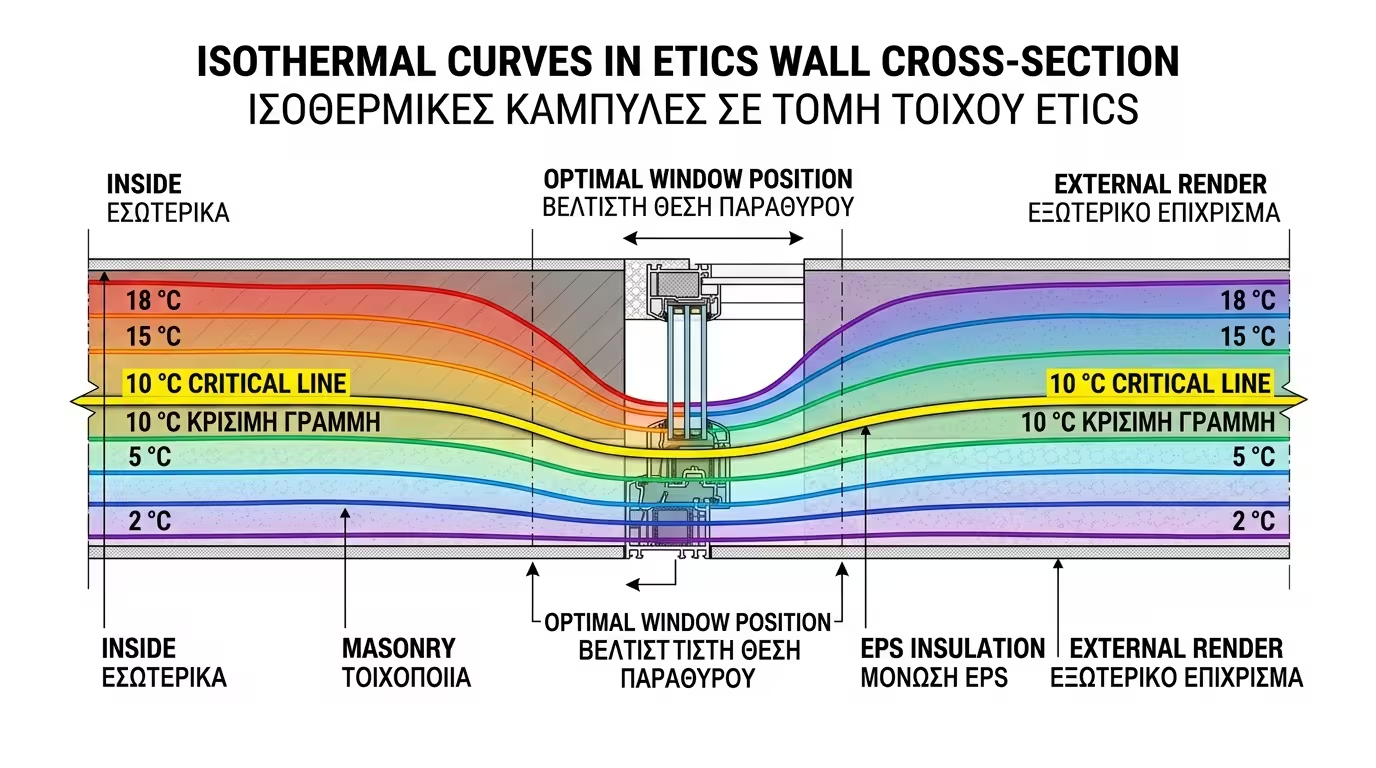
Imagine winter. Outside it is 0°C and inside 20°C. The temperature does not drop abruptly. Within the wall, it decreases gradually (e.g. 18°C, 15°C, 10°C, 5°C). If we connect all points at exactly 10°C, we create an invisible line: the isothermal curve.

Isothermal curves within wall thickness - 10°C line and window position

🎯 The Golden Rule

The window (specifically, the thermal break and the glazing) must be positioned where the 10°C isothermal line is as straight as possible. If the line "breaks" or curves sharply (because the window is incorrectly placed), a thermal bridge forms, the wall freezes locally and condensation (mould) appears.
📐 Where Is the Line?

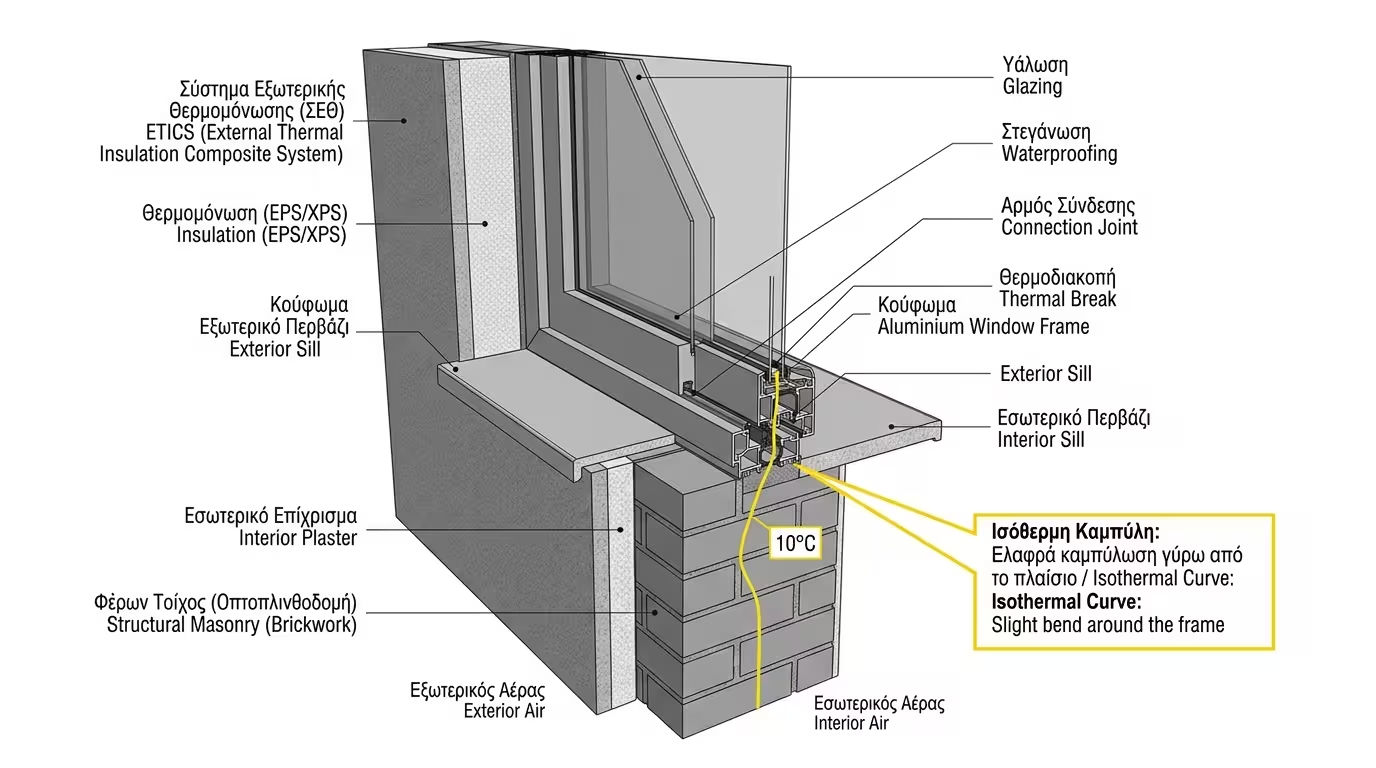
In a wall with external thermal insulation (ETICS), the isothermal line typically sits within the insulation layer. In an uninsulated wall, it sits somewhere in the middle of the brick. The window position must "follow" this line, so the transition from glazing to wall occurs without a thermal "step."

2. Inner Flush Installation (Interior Position)

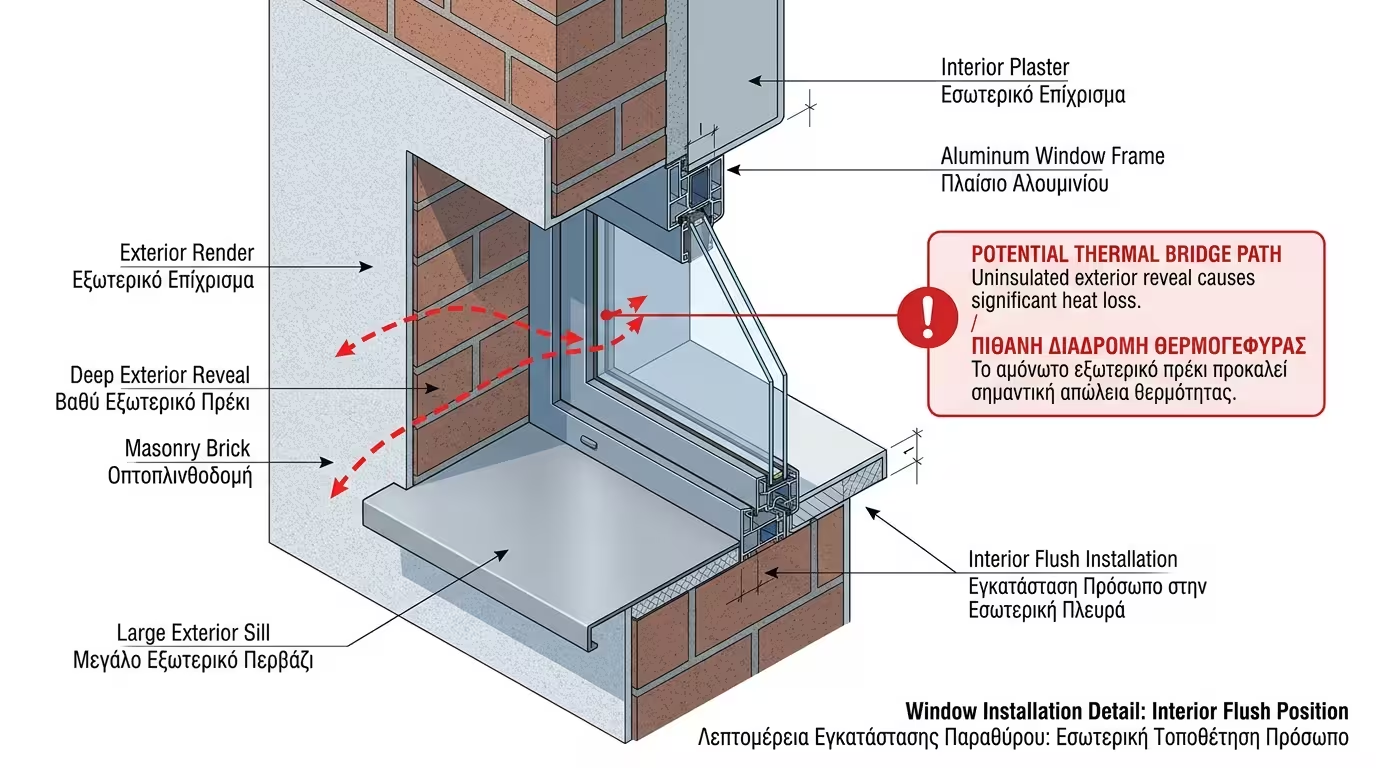
Window installed inner flush - interior position in wall

Here the window sits flush with the interior plaster. This is a very common practice in Greece, especially when installing external roller shutters, as it leaves ample exterior space for the shutter to descend.

✅ Pros

The window sits entirely within the "safe", warm zone of the house. It is excellently protected from weather (rain, wind) and rarely suffers from interior condensation. Suitable for walls without external ETICS insulation.

⚠️ Cons

A massive exterior sill and large exterior reveals are created. If these external bricks are not perfectly insulated (with ETICS returns), cold will "travel" along the side brick, bypass the window and freeze the interior wall beside the window.

3. Middle-of-Wall Installation (Traditional Position)

The traditional, classic approach. The window is centred within the brick. Aesthetically balanced, it creates a practical interior sill and a normal exterior one.

Window installed at the middle of the wall - traditional approach

✅ Pros

Aesthetically balanced. Creates a practical interior sill (for plant pots, books) and a normal exterior one. Protects the window reasonably well from the elements without fully exposing the side brick.

⚠️ Cons

The isothermal curve is still forced to make a slight "bend" to meet the window. Meticulous joint insulation (with elastic foams and Compriband tapes) is required, along with careful thermal insulation of the exterior reveal to prevent losses.

4. Outer Flush Installation (In the Insulation Zone)

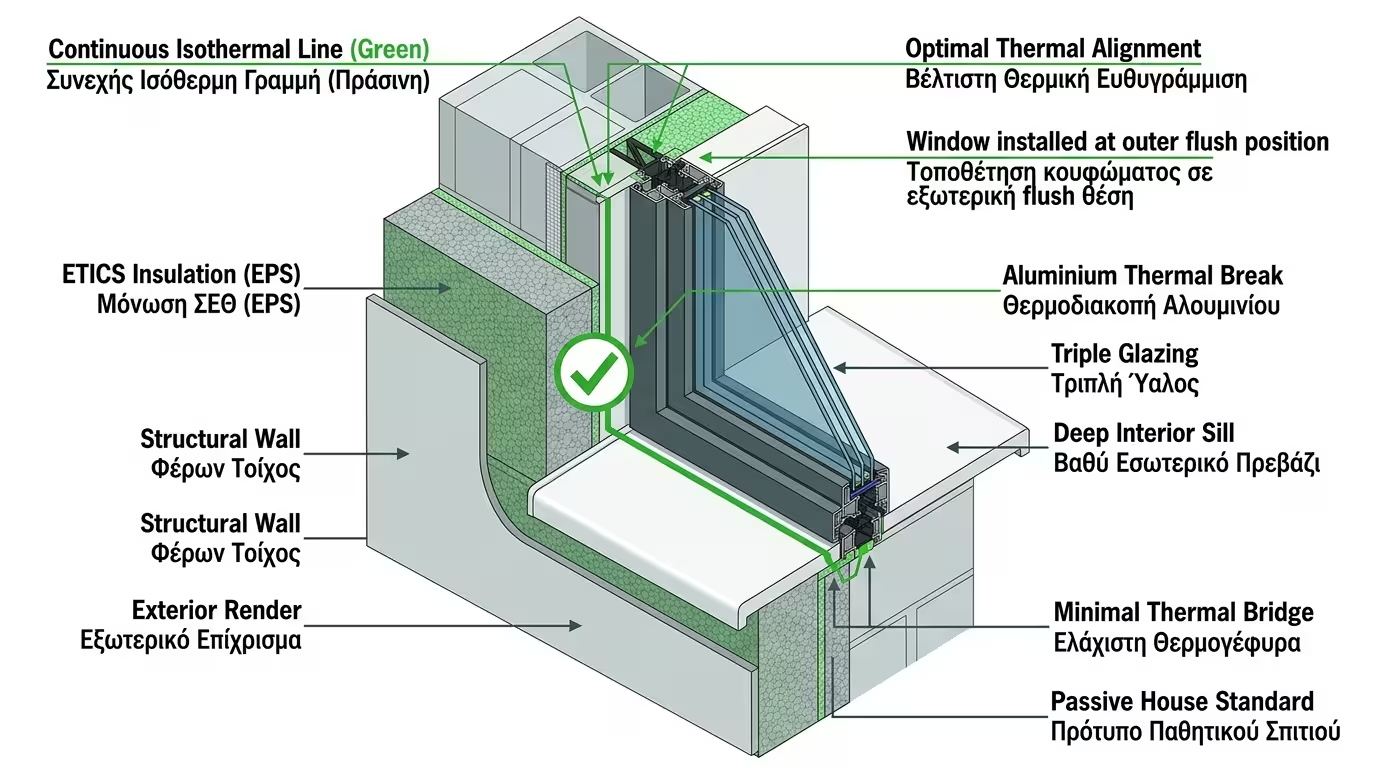
This is the ultimate trend in modern bioclimatic architecture (and in Passive Houses). The window is pushed all the way out, to the plane of the external insulation system.

Window installed outer flush - in the ETICS insulation zone, Passive House standard

✅ Pros

Energetically, this is absolute perfection. The aluminium thermal break aligns fully with the ETICS layer. The invisible isothermal line remains perfectly straight. Thermal bridges are eliminated. Additionally, you gain a huge, usable interior sill!

⚠️ Cons

The window is fully exposed to rain and wind (no protection from the wall's depth). Impeccable RAL sealing around the perimeter is essential, along with careful external shading design to prevent relentless summer sun. In ultra-modern buildings, the window is placed even further out - "in thin air" (out-frame - covered in a separate article).

5. Summary: Which One to Choose?

🏠 The Rule

Without external ETICS insulation, inner flush or middle-of-wall positions are the safest options (with correct joint insulation materials). However, if your house is wrapped externally with ETICS insulation, pushing the window outward (as close to the insulation layer as possible) is the golden rule for top thermal comfort and mould-free corners!

Related Articles

Preview