Balcony Door Sill Waterproofing: How to Stop Water Flooding Your Floor

It is one of the most common (and most annoying) homeowner complaints: "When it rains hard, water gets in under the balcony door!" The problem is almost never the door itself. Modern sliding aluminium doors have factory-fitted gaskets and weep holes that make them waterproof.

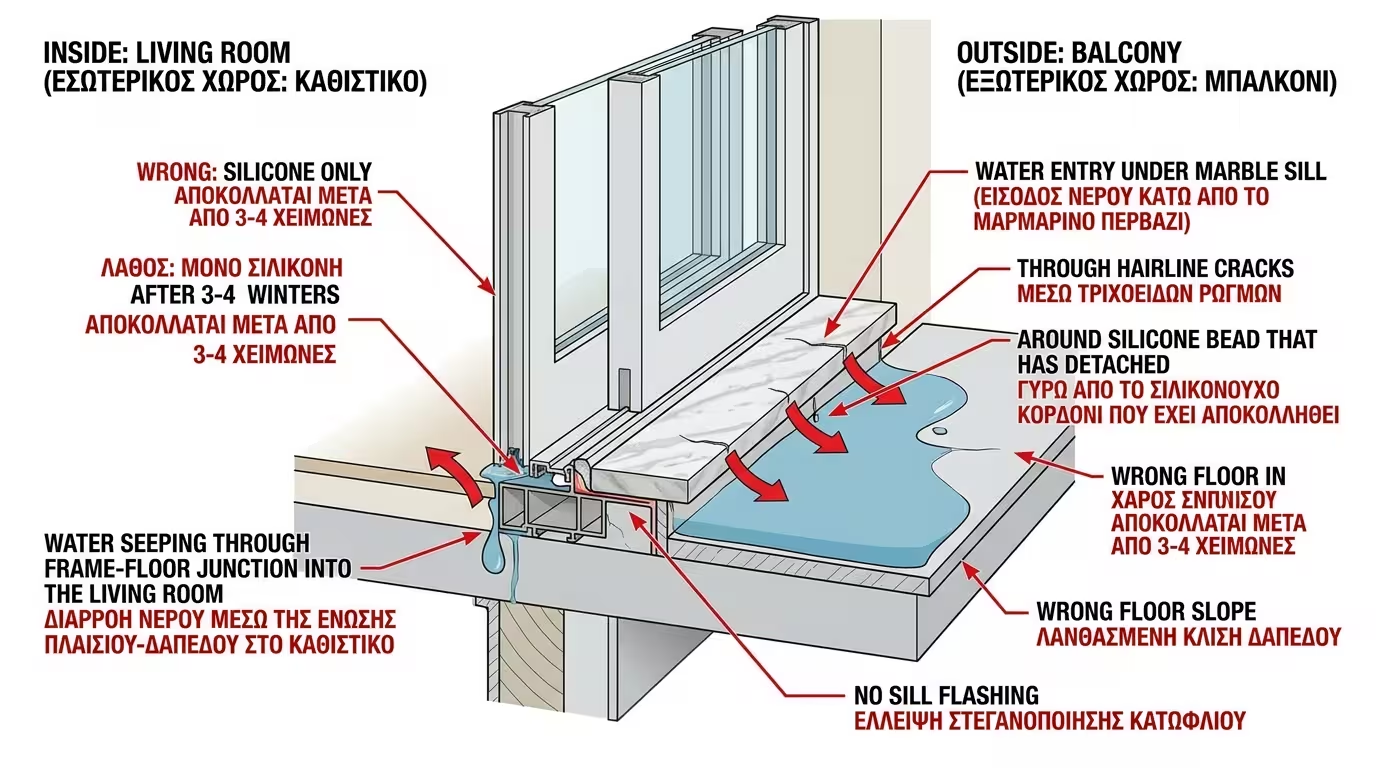
The problem is deeper: the junction between the frame and the floor/wall. If this joint isn't waterproofed correctly, rainwater finds its way under the sill, between the marble ledge and the wall, or through hairline cracks in the floor. Let's look at the correct solution step by step.

1. Why Does Water Get In Under a Balcony Door?

During heavy rain (especially with southerly or westerly wind), water pools on the balcony. If the level exceeds the sill (or if the balcony slope doesn't guide water to the drain), pressure drives water under the marble ledge. The joint between the aluminium frame and the balcony is particularly vulnerable.

Water infiltrating under a balcony door - the problem at the frame–floor junction

⚠️ Classic Mistakes

Silicone only: Many installers run a bead of silicone under the frame, which detaches after 3–4 winters. Wrong floor slope: The balcony should slope 1.5–2% outward (away from the door), but often it's insufficient or reversed. No sill flashing: Without a proper metal or marble sill under the door, water runs straight into the wall.
💡 The Prevention Principle

Correct waterproofing happens BEFORE the balcony door is installed. A watertight "tray" must be created under the sill that collects any water and channels it back to the balcony - even if the primary seal fails. This is the RAL philosophy for the lower zone.

2. The Liquid Membrane: First Line of Defence

Liquid waterproofing membrane on the concrete floor beneath a balcony door sill

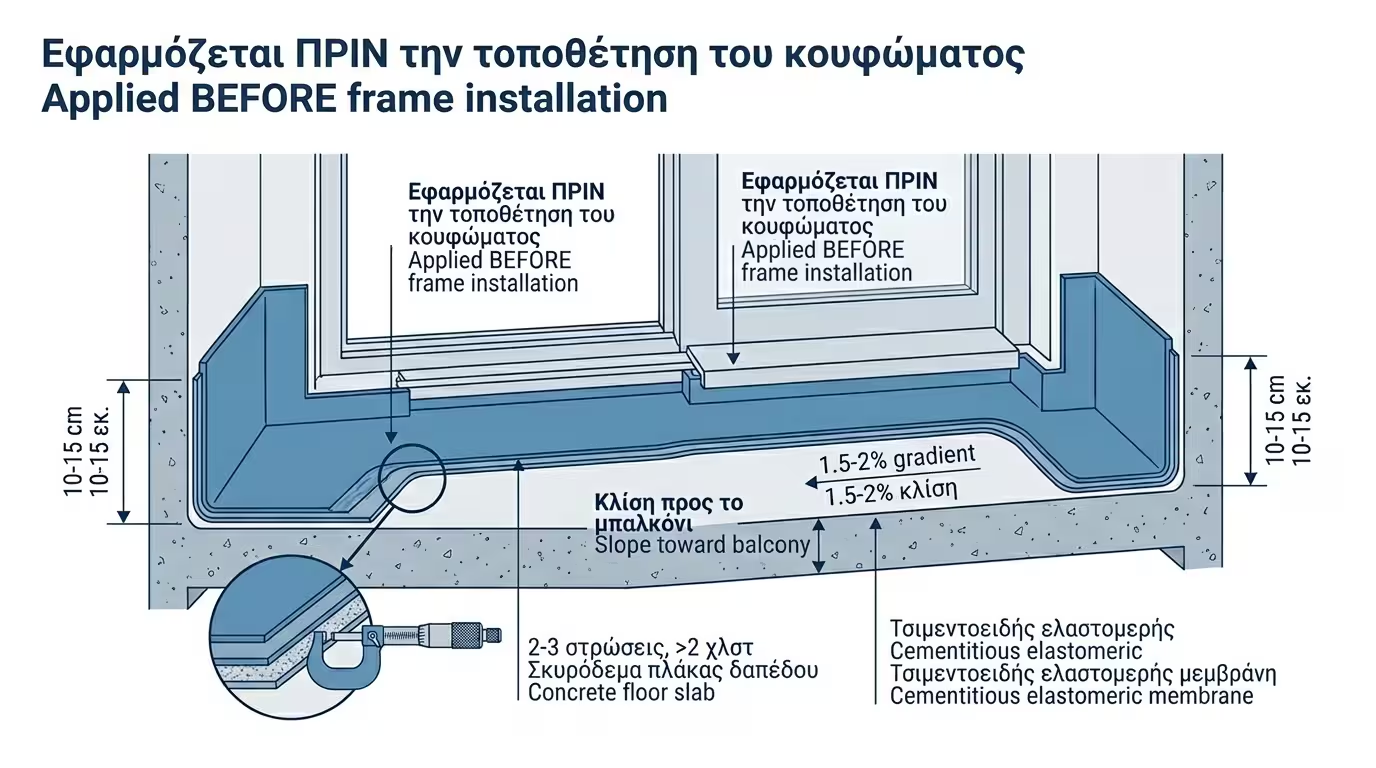
Before the frame is fitted, the installer applies a liquid waterproofing membrane to the concrete floor, rising at least 10–15 cm up the sides of the opening. This membrane creates an impenetrable "pool" beneath the sill.

🎨 Types of Liquid Membranes

Mainly two-component cementitious elastomerics or acrylic polymers are used. Applied in 2–3 coats totalling at least 2 mm thickness. The membrane must be brought up the side walls like a "skirt" so water cannot bypass it.

📐 Slope & Level

The surface beneath the sill must slope outward (toward the balcony) so any infiltrating water "runs" back outside. Never leave a hollow (low point) on the indoor floor - that would collect water instead of draining it.

3. EPDM Sill Flashing: The Second Level (Mechanical Seal)

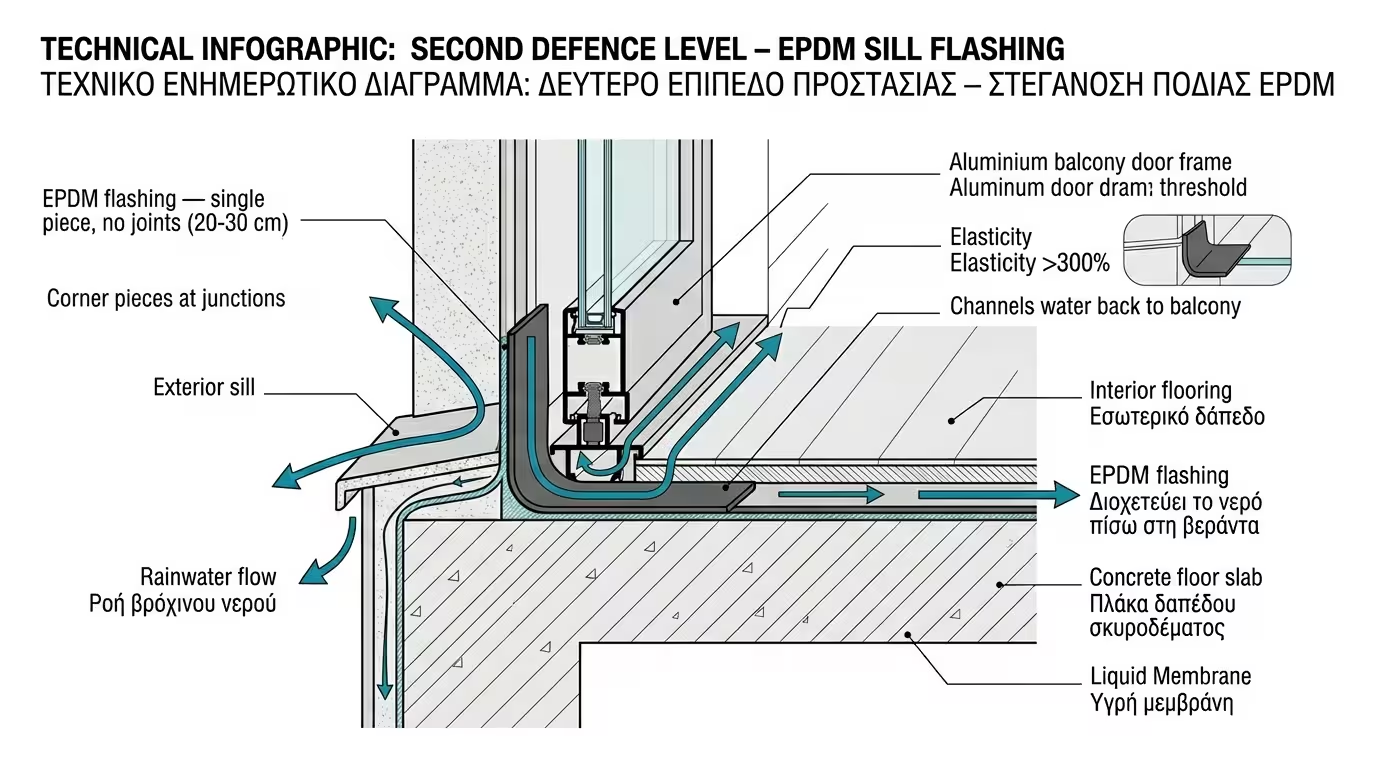
Over the cured liquid membrane, a specialist EPDM sill flashing is fitted. This elastic strip (width 20–30 cm) bonds to the floor, passes beneath the aluminium frame and rises a few centimetres on the outside, channelling water back to the balcony.

EPDM sill flashing sealing the junction between balcony door frame and floor

🔗 How It Works

The EPDM flashing creates an impenetrable "tongue" below the sill. Even if the silicone detaches or the plaster cracks, water stops on the membrane, runs along the slope and exits to the balcony. EPDM elasticity exceeds 300%, withstanding seismic or thermal micro-movement.

⚙️ Installation

Adhesion is by specialist acrylic paste or self-adhesive layer. The flashing must be a single piece across the full sill width - no joins or stitches in the middle. The corner junctions are sealed with moulded EPDM corner pieces.

4. Weep Holes & Drainage

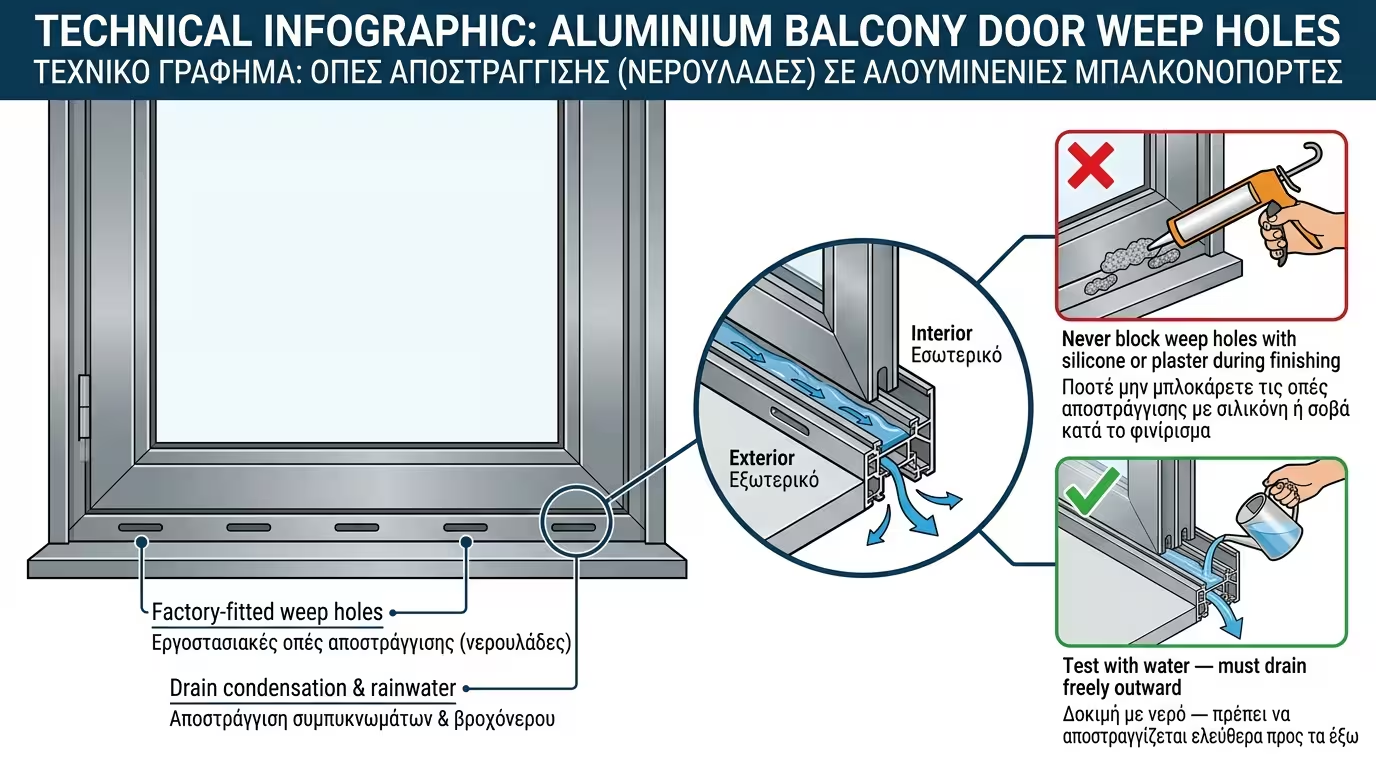
Every modern aluminium balcony door has factory-fitted weep holes - small drainage openings at the bottom. These channel any water that enters between the sash and the frame back outside.

Weep holes - drainage openings at the bottom of an aluminium balcony door

🔍 Don't Block Them!

A very common mistake is the plasterer or sealant applicator blocking the weep holes during finishing. If blocked, drainage water collects inside the frame, overflows internally and floods the living room.

✅ Correct Practice

After installation is complete, visually check that every weep hole is open and clear. Pour a glass of water over the sill - it should run through the drainage holes to the outside without pooling inside.

5. Summary: A Dry Living Room, Peaceful Nights

🏠 The Rule

Balcony door waterproofing doesn't end with a bead of silicone. You need at least two safety levels: liquid membrane below + EPDM flashing above. The floor must always slope outward. And weep holes must stay open at all times. Ask your installer: "What do you put under the door before you install it?" If the answer is "nothing" or "silicone", expect the next heavy rain to show you why.

Related Articles

Preview