
⬇️ The Drop-Down Mechanism
When a hermetic sliding door closes, it doesn't merely stop at the guide. In the final centimetres, a special mechanism presses the leaf simultaneously downward (onto the floor) and inward (against the frame).
In most buildings, a window or door simply needs to keep out the cold, rain and intruders. But there is a category of buildings where a simple window or door is called upon to keep out an invisible yet deadly enemy: microbes, bacteria and dust particles.
We're talking about hospitals, operating theatres, Intensive Care Units (ICUs), pharmaceutical plants and microelectronics laboratories (known as Cleanrooms). In these environments, a door is not merely an architectural element. It is a certified medical/industrial instrument.
Designing and outfitting such spaces represents perhaps the most demanding B2B application in our industry. Let's explore the strict technical specifications that transform a door or window into an absolute, hygienic shield.
In an operating theatre or cleanroom, air cannot flow freely. The space is maintained under positive pressure (clean air pushes outward) or negative pressure (in isolation wards for infectious diseases, to prevent viruses from escaping). To maintain this pressure differential, standard doors are useless.
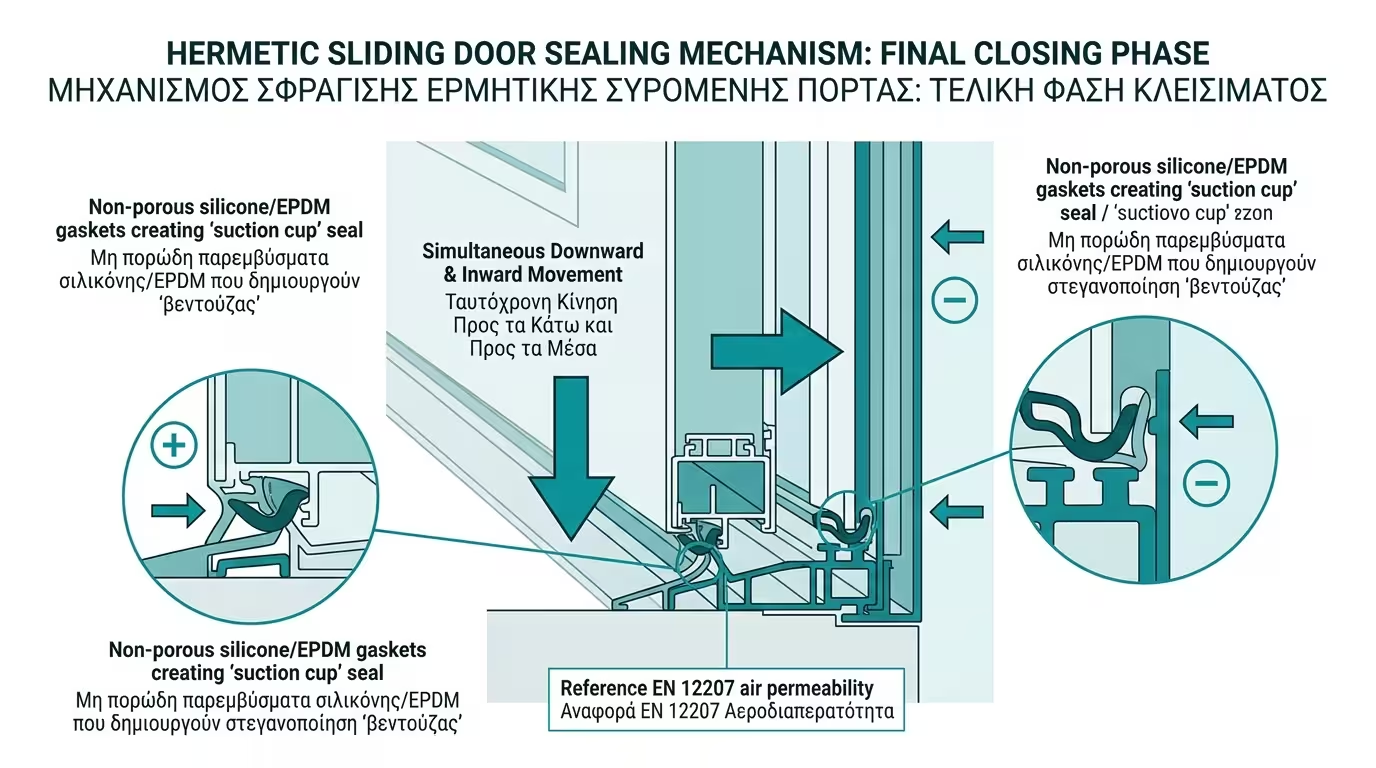
When a hermetic sliding door closes, it doesn't merely stop at the guide. In the final centimetres, a special mechanism presses the leaf simultaneously downward (onto the floor) and inward (against the frame).
Around the perimeter of the leaf are special non-porous silicone or EPDM gaskets. With the mechanism's pressure, the door literally "suction-cups" to the wall and floor, reducing air leakage to virtually zero (certified to air permeability classes per EN 12207).
In hospitals, anything that protrudes is a "magnet" for dust and nosocomial bacteria (such as staphylococcus).
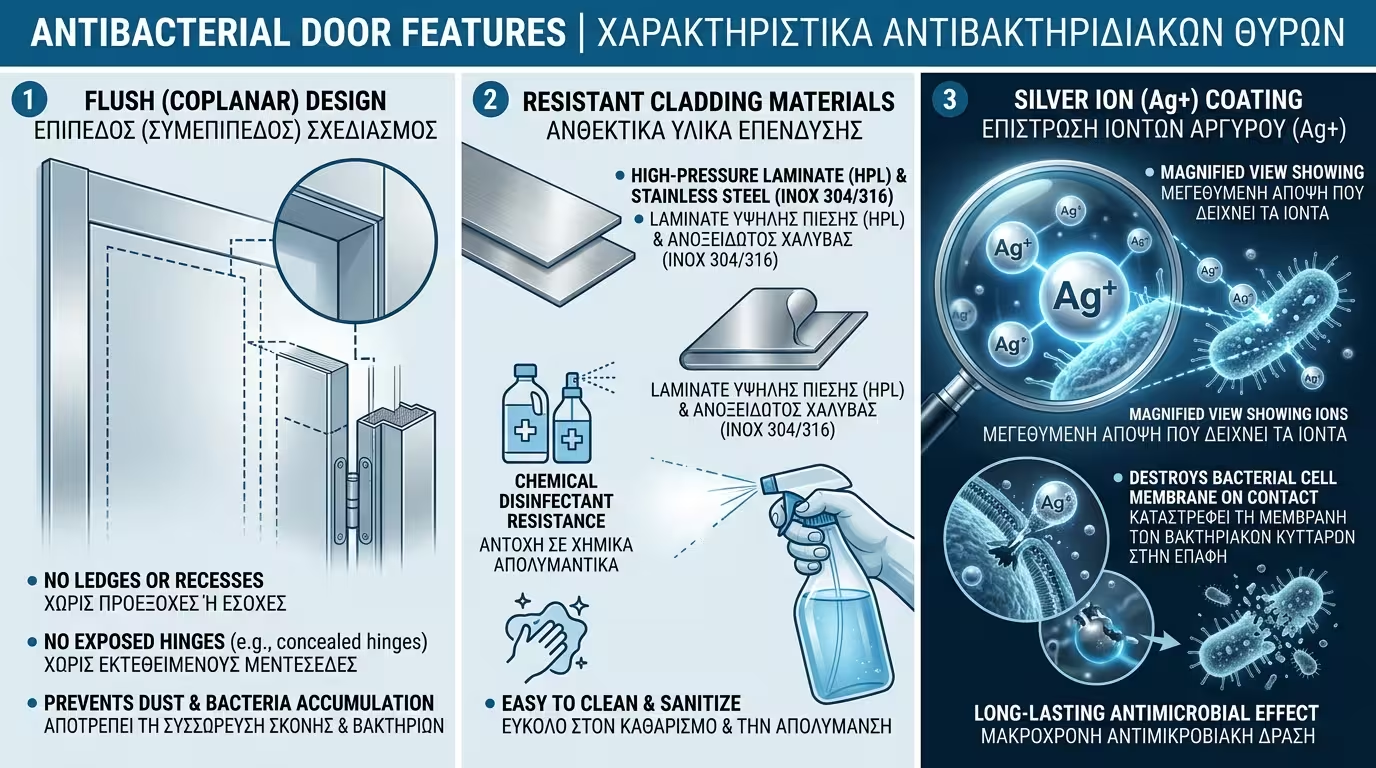
Doors are designed perfectly flat. No ledges, no joints, no exposed hinges. Glass vision panels are set into the leaf at the same thickness (flush glazing), so not a single millimetre of recess exists where dirt could hide.
Forget plain wood or painted aluminium. Doors are clad in HPL (High-Pressure Laminate) or Stainless Steel (Inox 304/316). These materials are non-porous and resist harsh chemical disinfectants (bleach, hydrogen peroxide) without deteriorating.
The most advanced surfaces feature special antibacterial coatings containing silver ions. When a microbe touches the door, the ions destroy its cell membrane, actively killing it within minutes!
When we move to the X-Ray, CT or MRI department, the door must block something far more penetrating than microbes: ionising radiation.
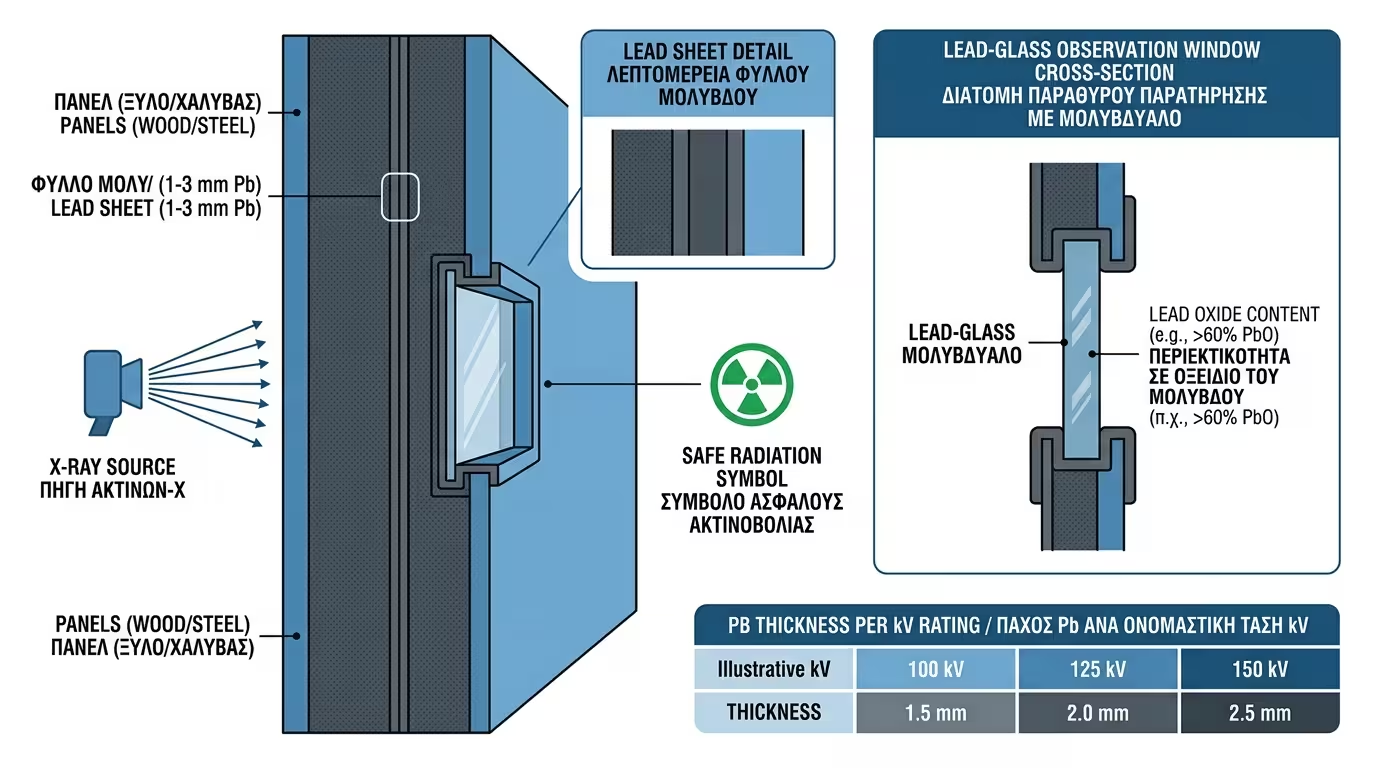
These doors conceal lead sheets within their core. Depending on the machine's output (kV), the radiation physicist specifies the thickness (e.g. 1 mm, 2 mm or 3 mm Pb). The lead sheet is incorporated both into the leaf core and the frame, ensuring no radiation leakage gap exists.
Even the observation window is special. Lead glass contains a high concentration of lead oxide (and often barium), providing the same radiation protection as a solid wall while remaining transparent for the medical team.
The first step in infection control is ensuring nobody touches door handles.
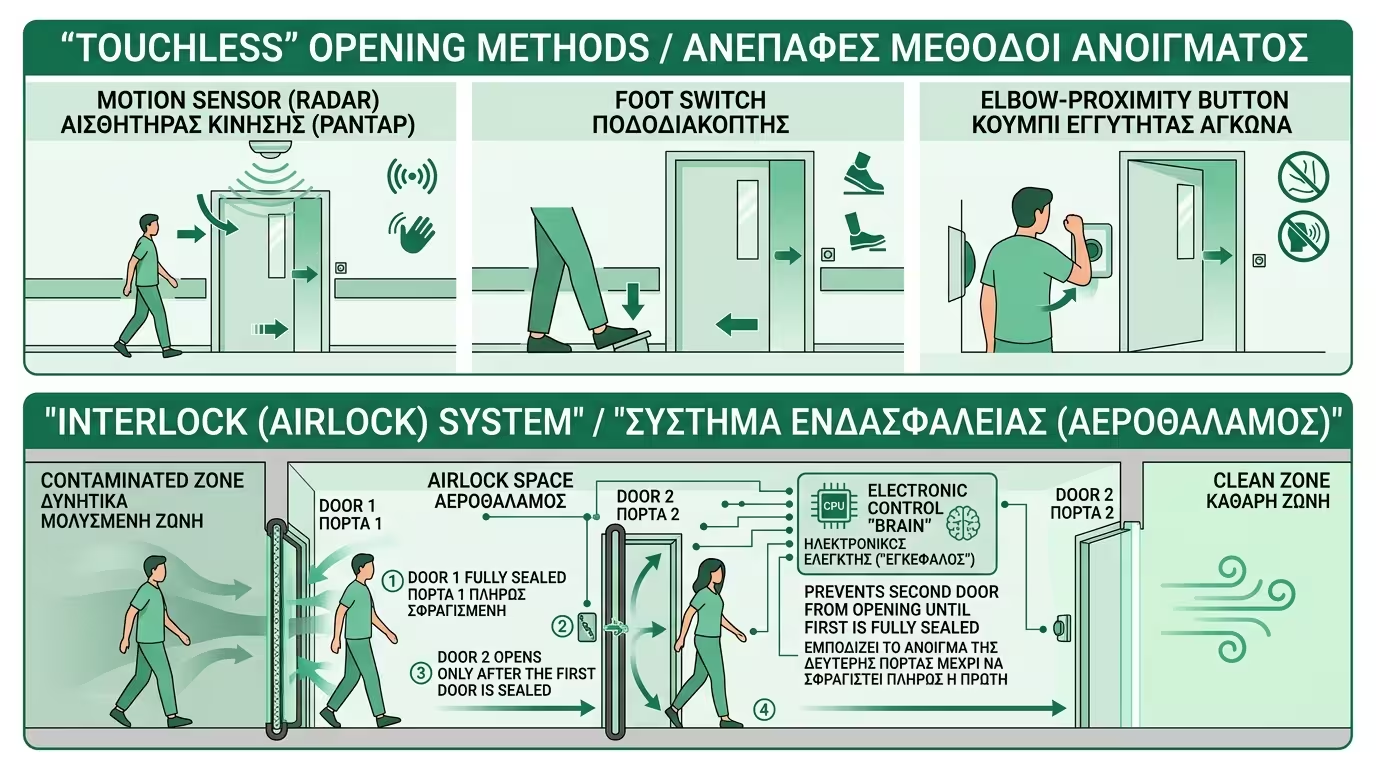
All operating theatre and cleanroom doors are power-operated. They open via motion sensors (radar), foot switches or touchless buttons (the surgeon brings their elbow within 5 cm - no contact needed).
At ICU or lab entrances, doors operate in pairs. The electronic "brain" refuses to open the second door until the first has fully closed and sealed, preventing contaminated air currents from passing into the clean zone.
Healthcare and cleanroom doors represent the pinnacle of fabrication technology. They demand strict certifications (CE, ISO 14644 for cleanrooms), surgical precision in installation (so the drop-down mechanism seals perfectly) and materials that withstand 24/7 use and aggressive disinfection.
Return to category.
Go to categoryReturn to the central guide.
Go to guide