
💧 Acting as a "Pool"
This profile practically functions as a small "pool": it collects rainwater that hits the glass and, through small holes (weep holes), discharges it back outside.
It is every modern architect's ultimate fantasy: the living room floor continuing visually and practically into the terrace, using exactly the same material (e.g. wood or large-format tiles), at exactly the same level. No step, no obstacle whatsoever.
For the homeowner, this means absolute space unification and zero tripping risk. But for the engineer and installer, this requirement (the so-called Zero Threshold or Flush Track) is a genuine nightmare.
The reason is simple: gravity and water. When a storm rages outside and wind hits the glass, water runs downward. If there is no classic, raised aluminium "threshold" acting as a dam, what stops the water from flooding the expensive wooden living room floor? The answer lies in sub-floor drainage engineering.
In conventional sliding windows, the bottom track is placed on top of the finished floor. It creates a bump (threshold) 3 to 6 centimetres high.
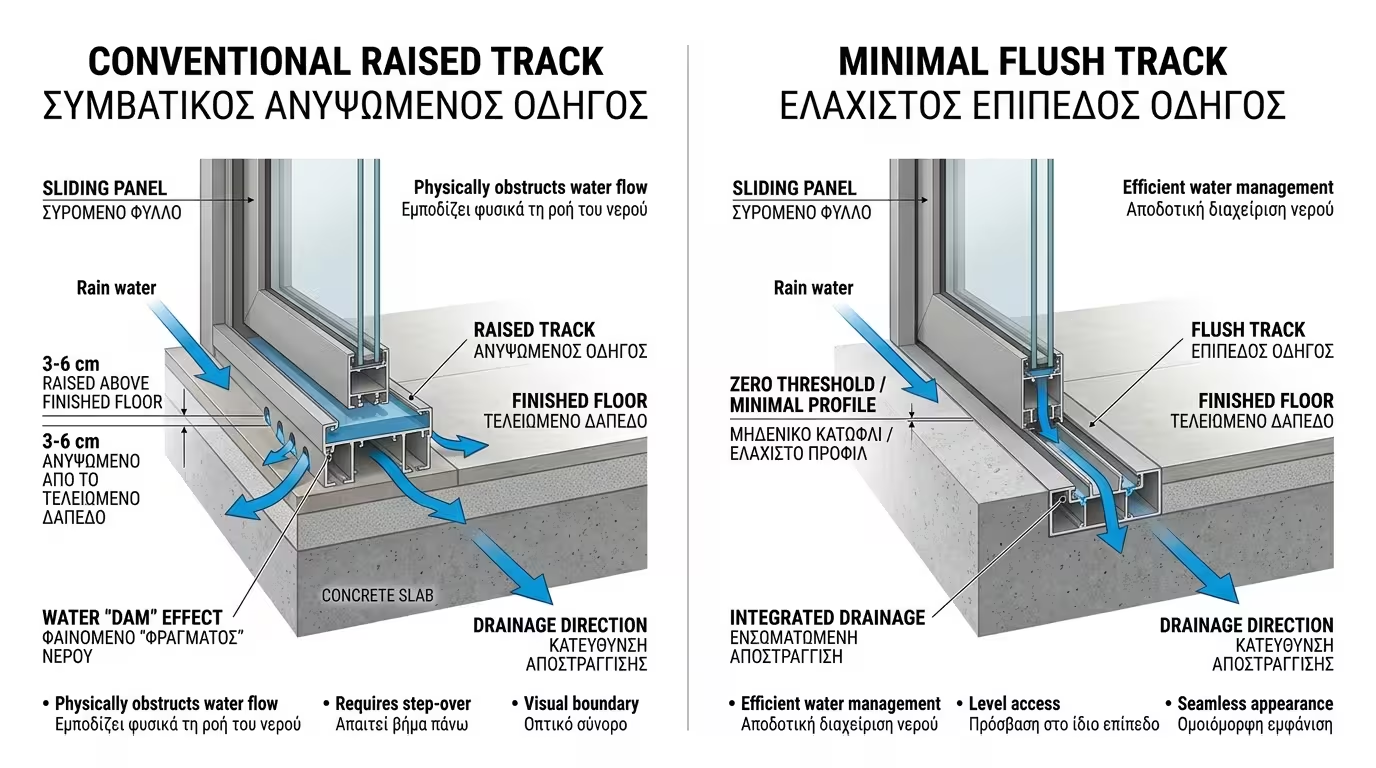
This profile practically functions as a small "pool": it collects rainwater that hits the glass and, through small holes (weep holes), discharges it back outside.
In minimal systems, this bump is eliminated. The track sinks (is embedded) into the concrete slab.
The flush track philosophy is based on concealing the aluminium volume beneath the finished floor surface.
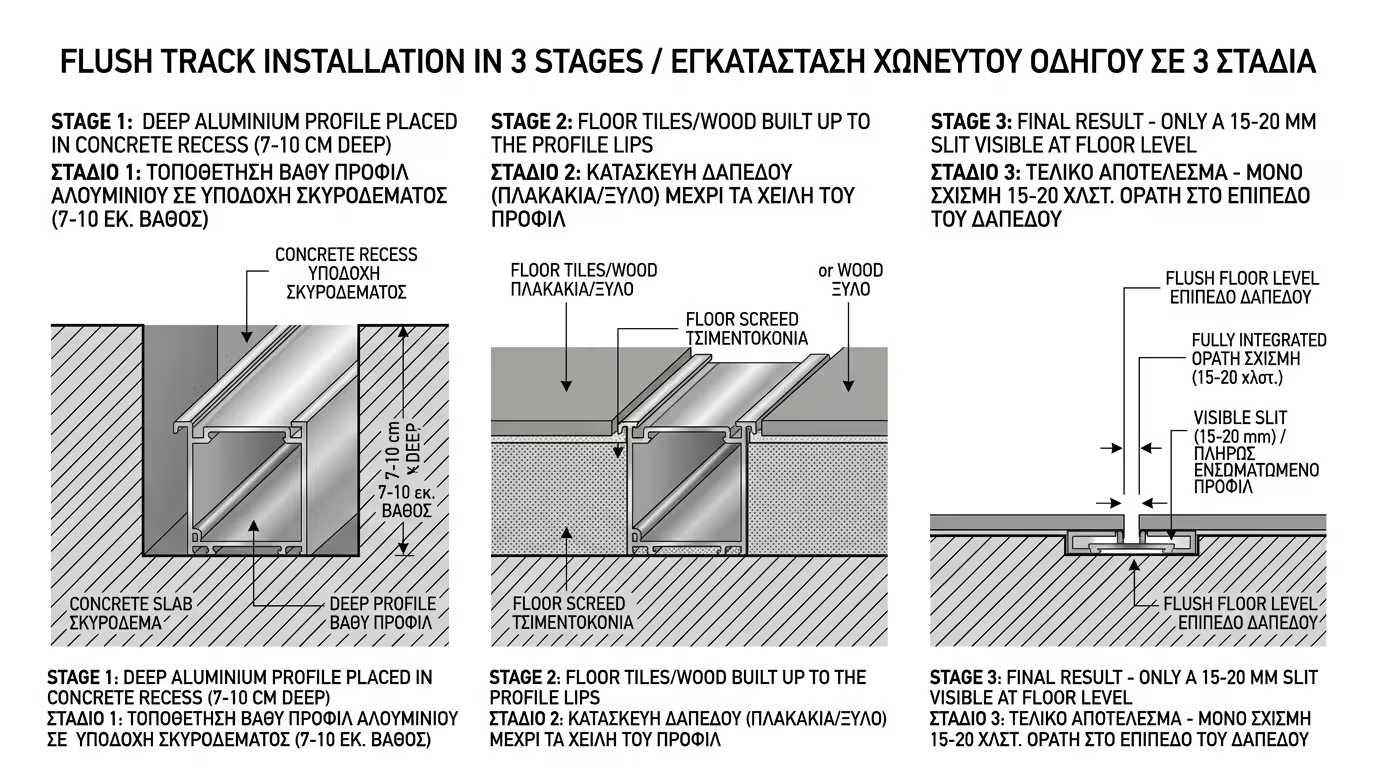
Before the screed (floor fill) is poured, a special, deep aluminium profile (frame) is placed in position.
The tiler or flooring installer then "builds" the floor right up to the lips of this profile.
All that remains visible at the end is a minimal, elegant slit (just 15-20 millimetres wide), inside which the panel or roller of the window glides.
Since there is no physical barrier, how do we stop the water? The concealed profile beneath the floor is not merely a rail. It is a complete water collection channel (concealed gutter).
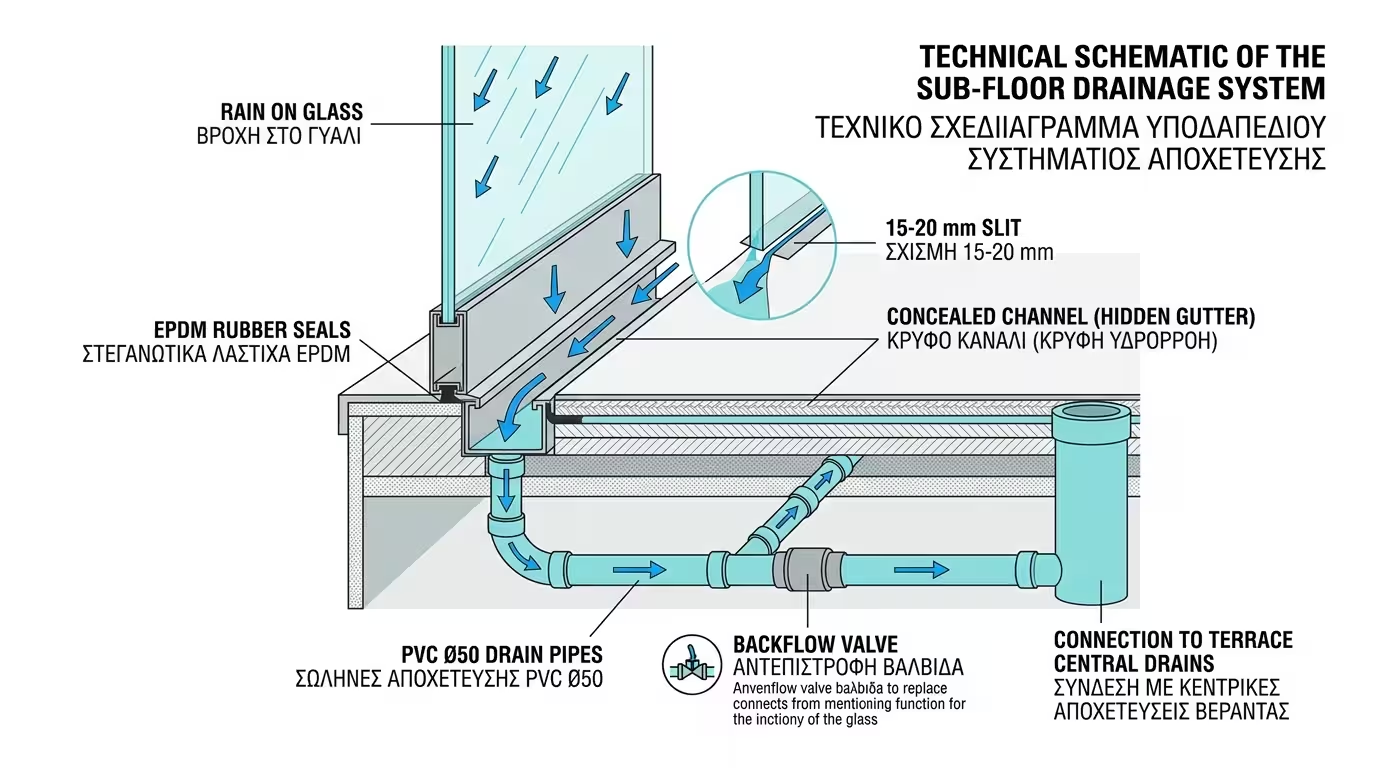
Whatever water slides down the glass or passes through the visible floor slit ends up inside the large chamber of the embedded track.
This is the critical point. This channel does not let water stagnate. At its base it has special nozzles, which the plumber connects to PVC pipes (e.g. Ø50 diameter). The water is drained by gravity to the terrace's central drains or the building's stormwater network.
To prevent strong wind from "pushing" water through the pipes back into the living room, advanced minimal systems incorporate backflow valves and EPDM rubber gaskets that seal the slit.
A flush track system's success depends not only on the aluminium quality but requires perfect coordination of three trades (aluminium installer, tiler, plumber).
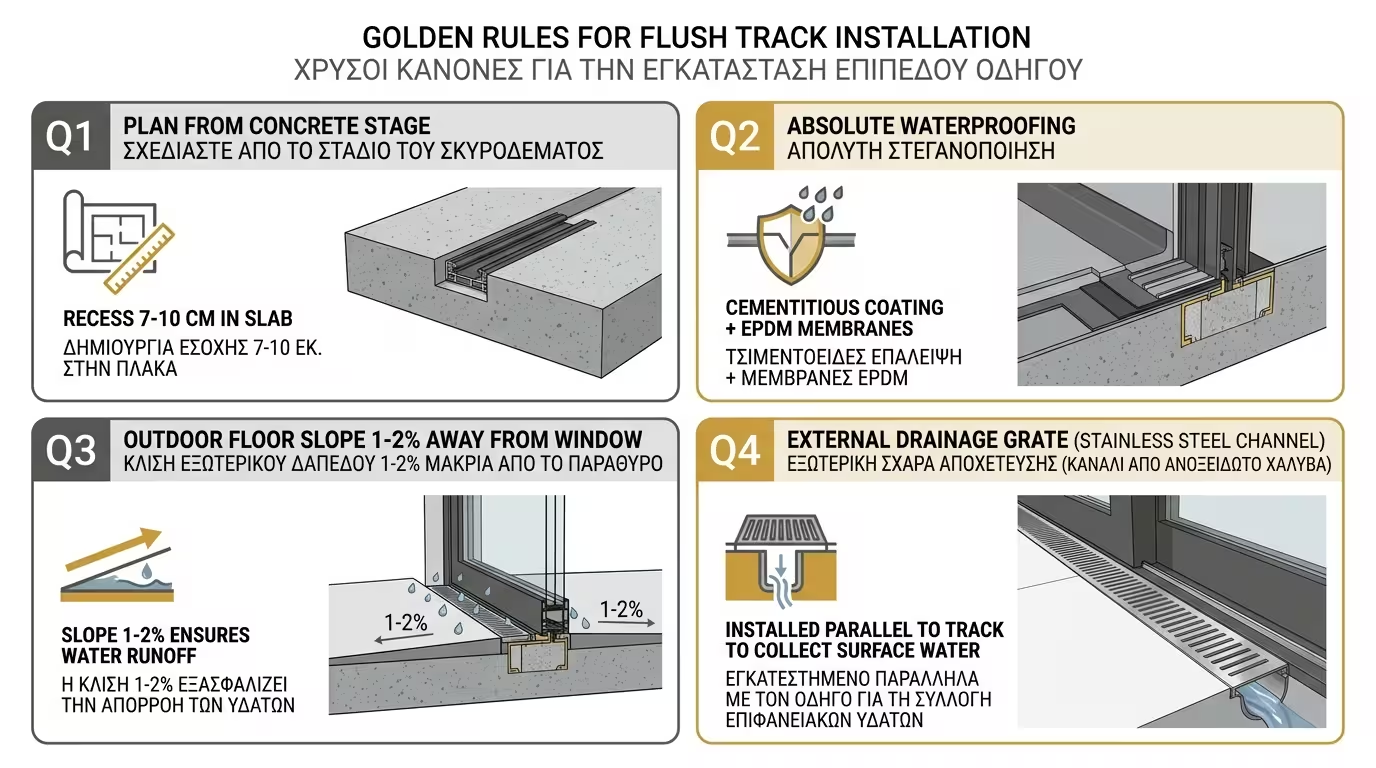
Provision for a flush track must be made before the concrete is poured. A recess in the concrete at least 7-10 centimetres deep is required to accommodate the mechanism and drainage pipes. If you remember at the tiling stage, it is already too late.
The trench where the track will sit must be coated with cementitious waterproofing compounds. Furthermore, the aluminium must be connected to the concrete using EPDM elastic membranes, so that moisture never reaches the slab.
Just because the threshold is "zero" doesn't mean the terrace is perfectly flat. The outdoor tiles must have a 1% to 2% slope away from the window, so the bulk of the water runs towards the garden.
In areas with heavy rainfall, best practice is to install a narrow, stainless steel grate (channel) on the outdoor floor, directly against the aluminium track, to "catch" water before it even touches the window unit.
Installing flush tracks is the epitome of modern engineering in minimal sliding windows. It eliminates visual and physical obstacles, creating spaces that breathe freely. However, it does not forgive construction errors. It demands surgical precision, excellent waterproofing and proper plumbing design to ensure your living room remains a dry and safe haven.
Return to category.
Go to categoryReturn to the central guide.
Go to guide