
1️⃣ Full Frame Embedding
During construction (in the brickwork or concrete), the aluminium frame "sinks" into the masonry, into the floor and into the ceiling.
In modern high-end residential and luxury resort architecture, the doctrine is clear: "Less is More". When a location offers a stunning Aegean Sea view or a lush mountain landscape, the last thing an architect wants is a bulky aluminium frame acting as a "border" that restricts the gaze. The goal is absolute, invisible integration of indoor and outdoor space.
The industry's answer to this demand is called Minimal or Frameless Windows. These are systems (such as Orama Minimal Frames, the Alumil Supreme S650 series, Schüco systems, etc.) that redefine the rules of structural engineering.
But how does the aluminium "disappear"? And how can such a thin profile support glass panes weighing hundreds of kilos? Let's examine the anatomy of these impressive systems.
The secret of minimal systems is not that they have no aluminium at all, but where it is placed. In conventional windows, the frame (the fixed surround) is screwed inside the wall opening and is fully visible.
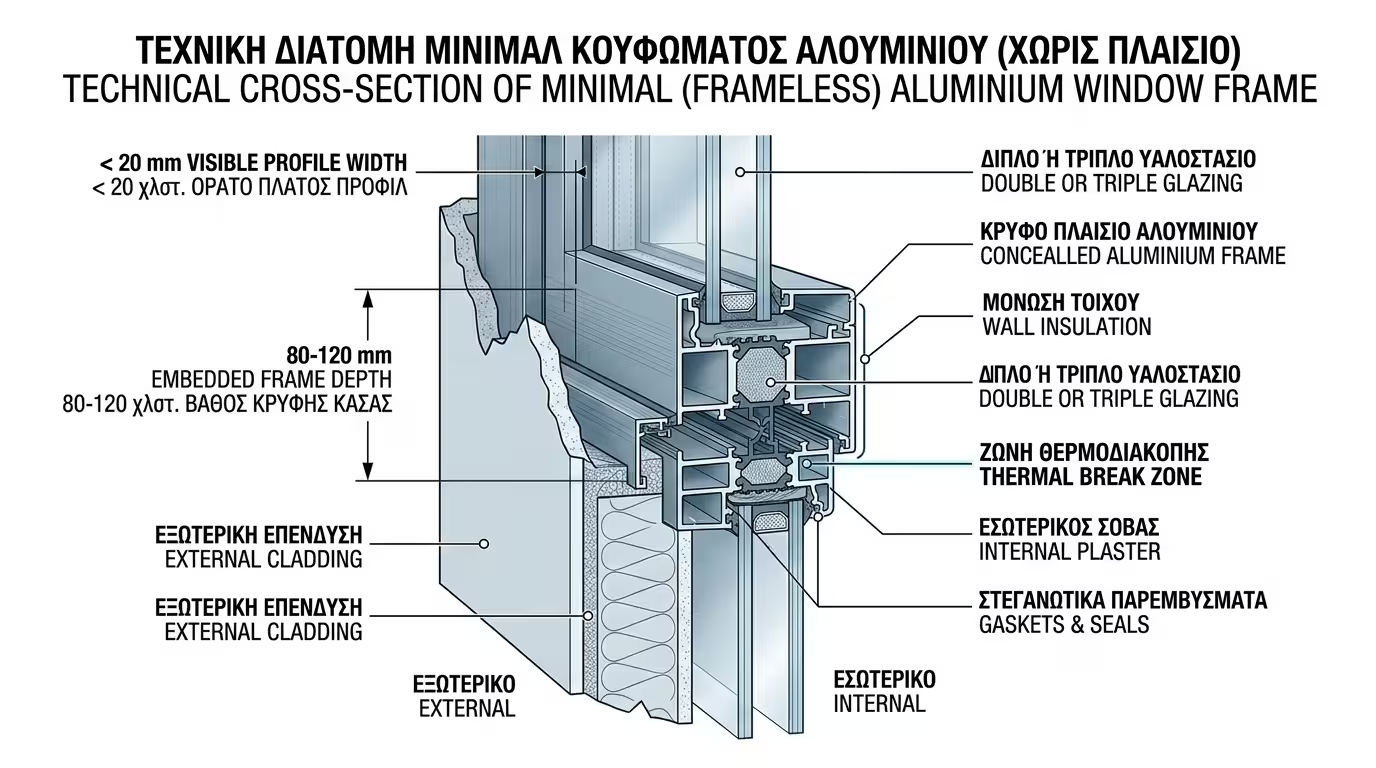
During construction (in the brickwork or concrete), the aluminium frame "sinks" into the masonry, into the floor and into the ceiling.
Then the plaster is applied, plasterboard goes up, and tiles or wooden flooring are installed, fully concealing the aluminium.
When you look at the window, you see the glass "emerging" directly from the walls, floor and ceiling. The perimeter aluminium frame has become literally invisible.
In a two-panel minimal sliding system, the only piece of aluminium visible to the eye is the point where the two panels meet and lock in the middle (the interlock or "mullion").
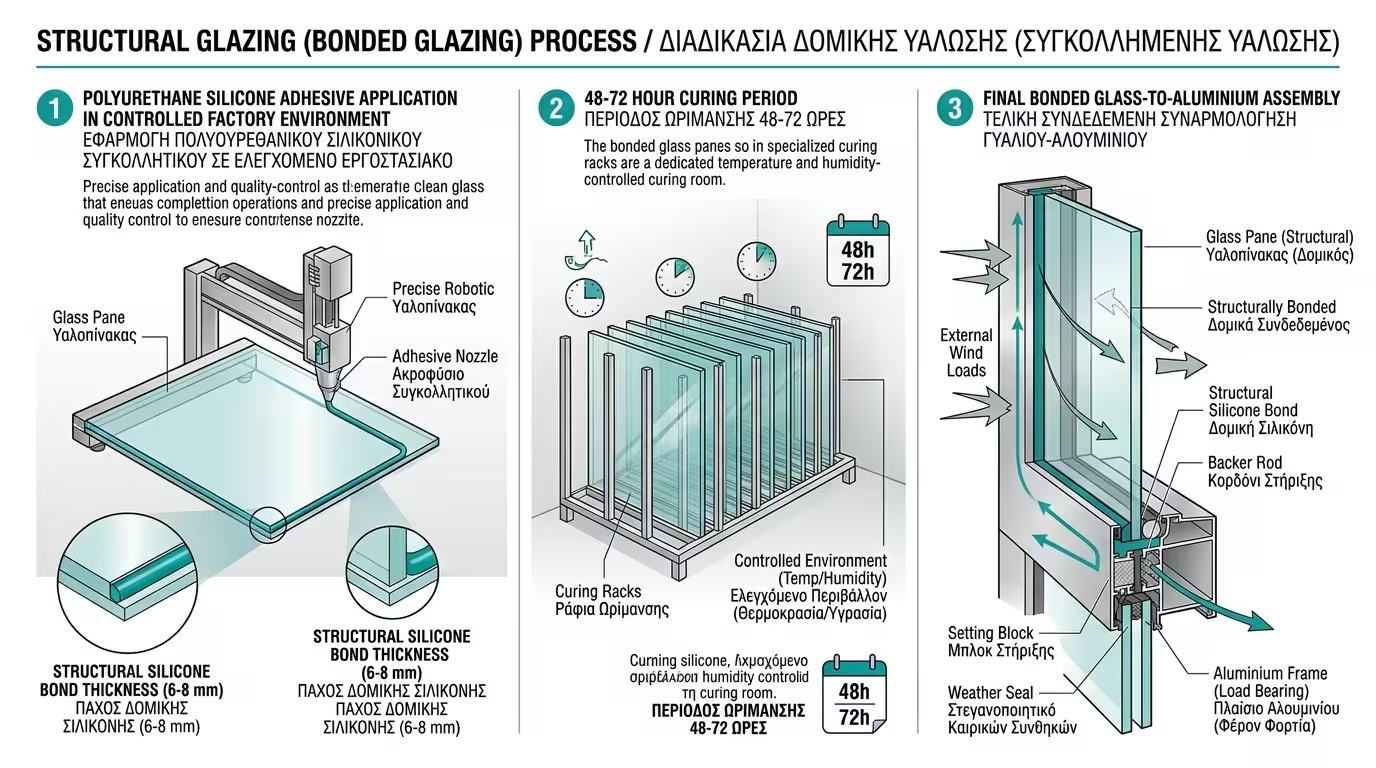
In conventional sliding windows, this vertical profile is 8 to 15 centimetres wide - a bulky vertical line that interrupts the view.
In minimal systems, thanks to aerospace-grade aluminium technology, the visible width is reduced to less than 2 centimetres (typically 18mm to 25mm)! A thin, elegant line that doesn't interrupt visual contact with the outdoor environment.
Here arises the big engineering question: How does a 2cm profile not bend under wind pressure and weight? The answer lies in the philosophy of Structural Glazing.
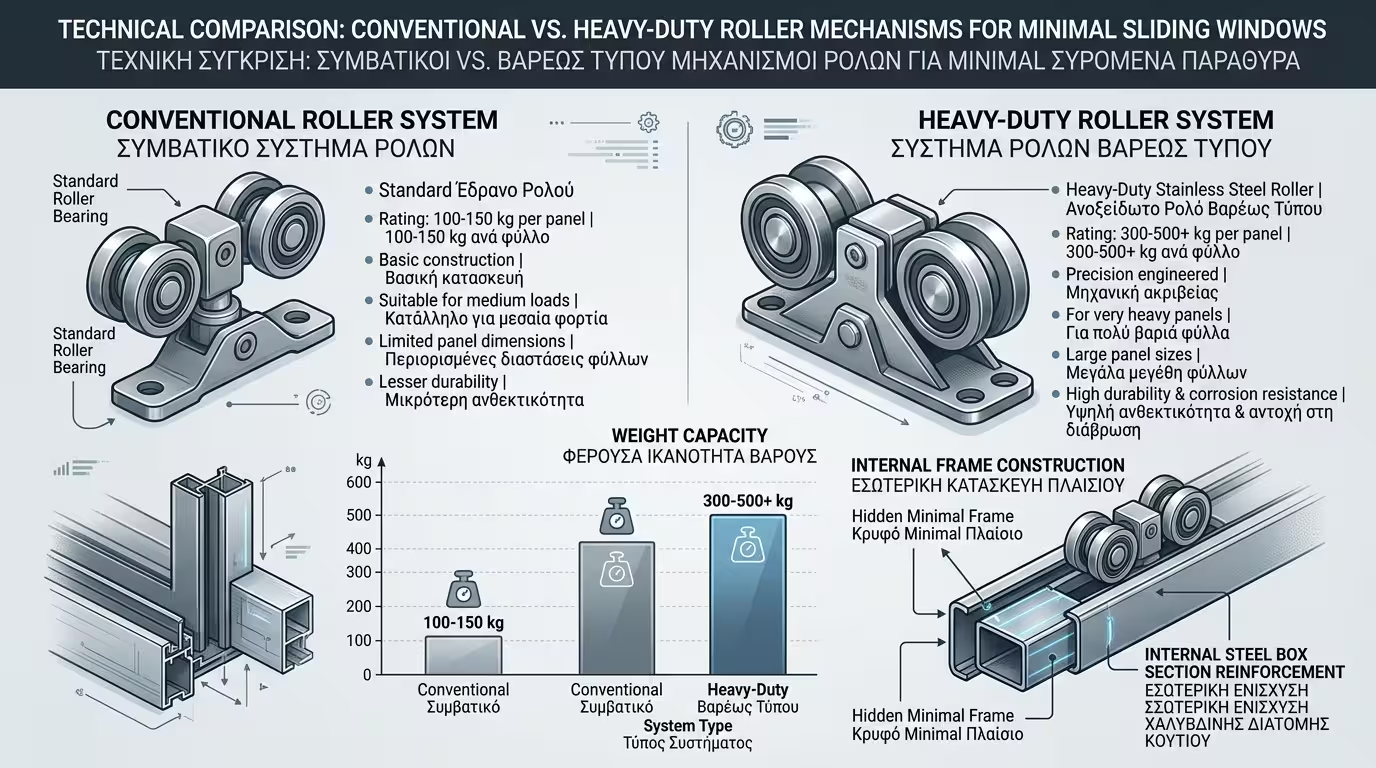
In conventional windows, the aluminium holds the glass. In minimal systems, the logic is reversed: the glass holds the aluminium!
The aluminium profiles are bonded perimetrically onto the glass pane using special structural polyurethane adhesives (structural silicones).
The glass pane itself (which is ultra-resistant, tempered and laminated) now takes on the role of the structural element. It functions as the "backbone" of the construction, transferring wind pressures directly to the rollers and from there to the building.
A minimal sliding panel can measure 3×3 metres. This means the glass pane can weigh from 400 to 1,000 kg.
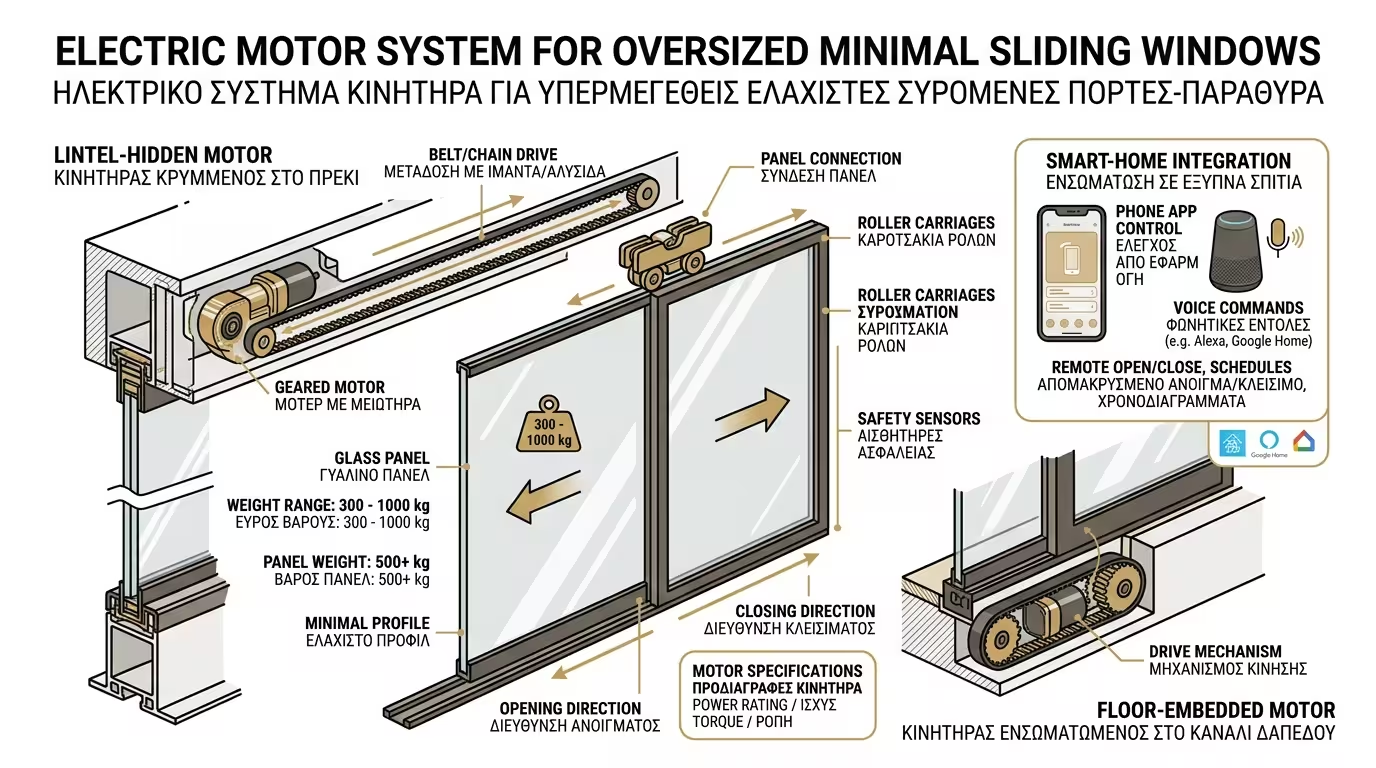
To move this beast smoothly, special heavy-duty rollers (often stainless steel) are installed inside the floor track, rather than on the panel itself.
For extremely heavy panels, adding a concealed electric motor is the most appropriate solution, allowing silent operation at the push of a button or via your smartphone.
Minimal / frameless windows are not simply a range of aluminium profiles. They are a complete architectural intervention. They require flawless design from the very first building drawings, absolute precision in concrete levelling, and installation only by specialised, certified crews.
When the project is complete, the result is a living "frame" of nature - an investment that elevates both the aesthetic and commercial value of the property.
Return to category.
Go to categoryReturn to the central guide.
Go to guide