🛡️ Thicker Sandwich
In dedicated Anti-Burglary Glass, the "sandwich" gets thicker. Thicker panes are used and, crucially, multiple layers of extremely tough PVB membrane (e.g. 1.52mm or more).
You've invested in an expensive armoured front door. You've installed an alarm and cameras. You upgraded your windows and ordered multi-point locking mechanisms. You feel safe. But let's be honest and look at the "elephant in the room": 80% of your window's surface area is glass.
How easy is it, really, for a determined burglar to ignore the lock and simply smash the balcony door glass to get inside?
The harsh reality is that, if you have conventional double glazing (e.g. 4mm – gap – 4mm), the answer is: Frighteningly easy. With a simple car spark plug or a small hammer, plain glass shatters instantly, often making very little noise. If, however, you have chosen Anti-Burglary Glass, the scenario changes dramatically. Let's see how glass resistance is categorised and what the cryptic "P4A" and "P5A" actually mean.
As we saw in the previous article, Triplex (Laminated) glass consists of glass sheets bonded with elastic membranes. In basic Triplex, this membrane is thin (e.g. 0.38mm) - just enough to hold the fragments together if someone stumbles into the pane.
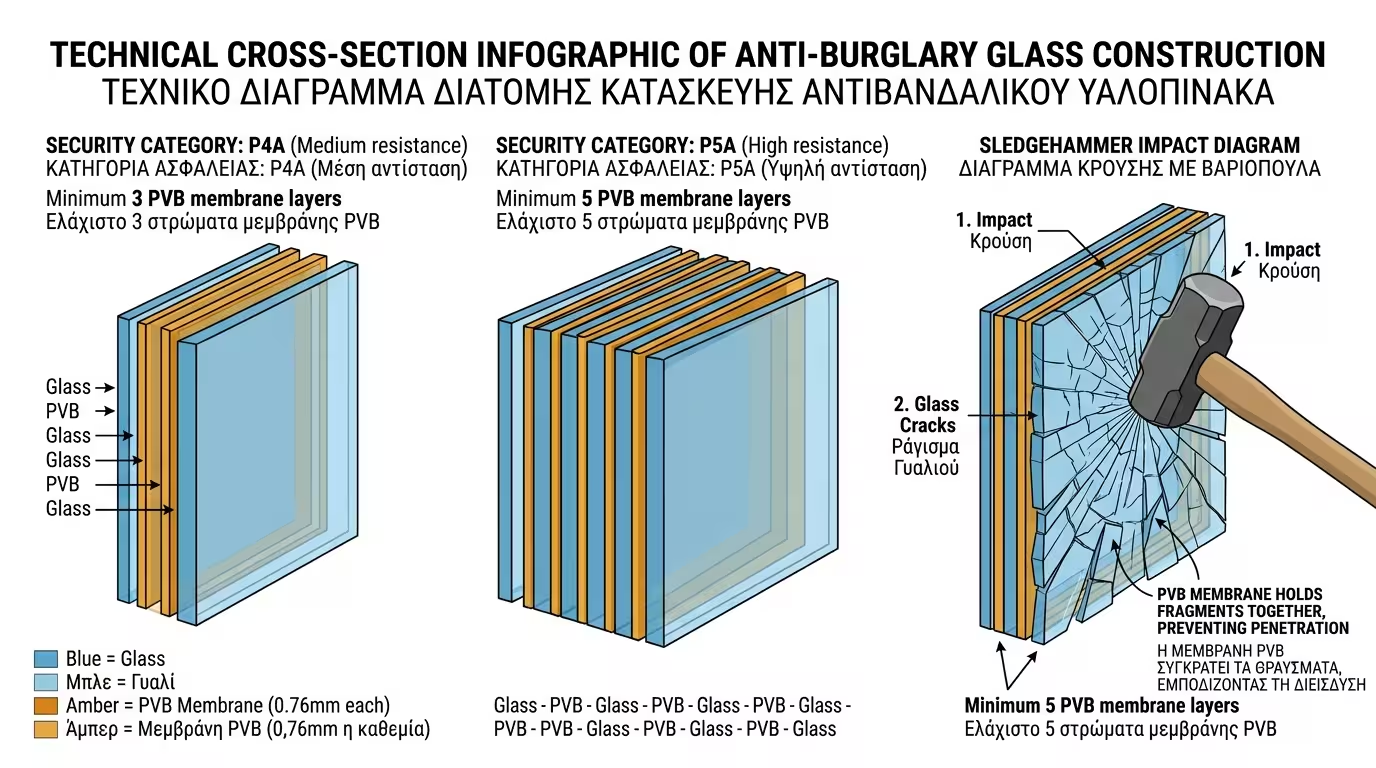
In dedicated Anti-Burglary Glass, the "sandwich" gets thicker. Thicker panes are used and, crucially, multiple layers of extremely tough PVB membrane (e.g. 1.52mm or more).
When the burglar strikes the glass with a sledgehammer, the glass will crack, but the membrane behaves like an elastic trampoline. It absorbs the impact energy and refuses to tear.
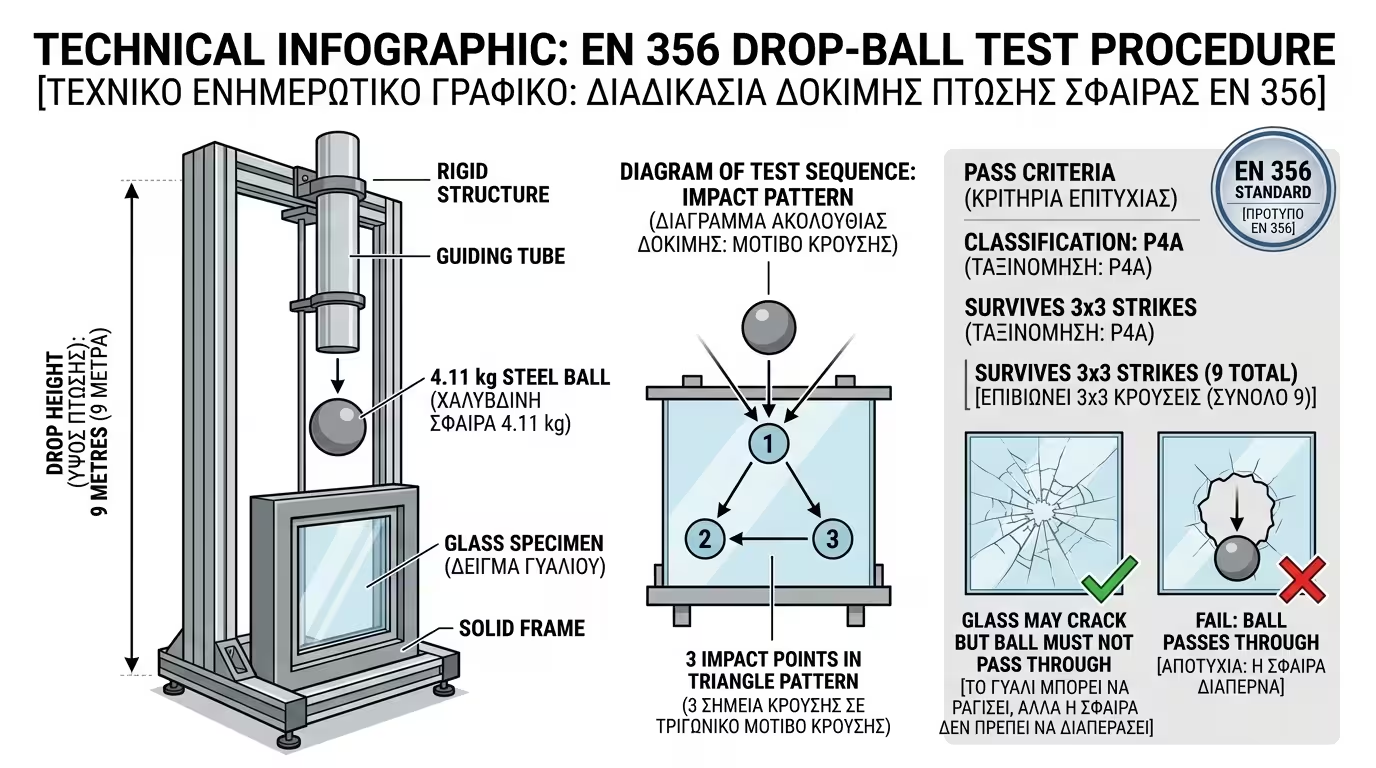
To know what you're buying, the European Union has established the strict EN 356 standard, which classifies glass panes by their resistance to violent attacks.
In the laboratory, a steel ball weighing 4.11 kg is dropped freely onto the glass from various heights (up to 9 metres), again and again. P1A – P3A: Basic protection against stones and vandalism. P4A: The gold standard for residences. Withstands multiple drops. The burglar must strike with immense fury for several minutes, creating deafening noise. P5A: Even higher protection, ideal for isolated houses or holiday homes.
Here things get serious. The test uses not a ball but a mechanical axe that strikes the glass with absolute violence. To pass, the glass must withstand 30 to over 70 axe blows before an opening large enough for a person is created! P6B – P8B: Intended for jewellery shops, banks, museums and panic rooms.
Don't make the mistake of ordering an impenetrable P5A pane and fitting it into a cheap frame with a simple lock.
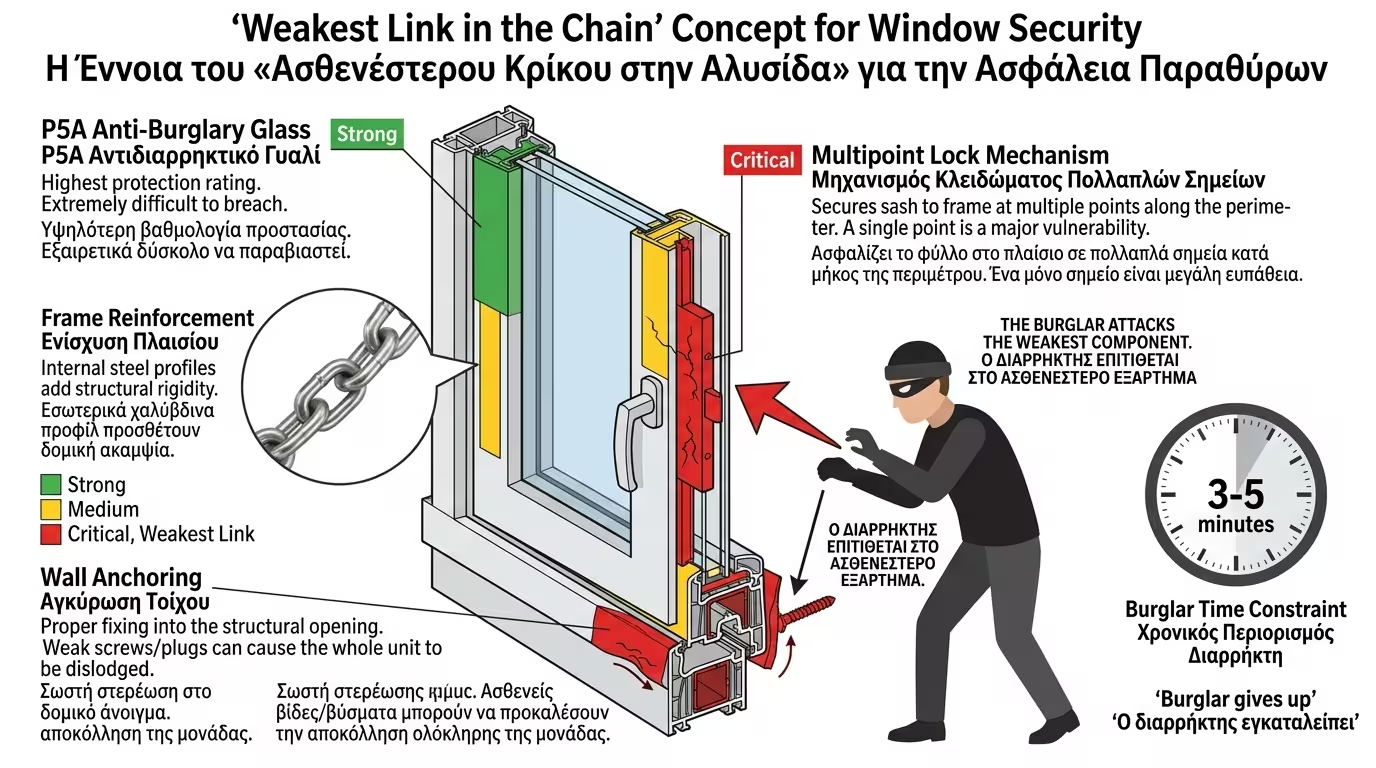
Security is a chain. If the glass won't break, the burglar will lever the aluminium frame and "pop" the door open.
An anti-burglary pane (at least P4A) only makes sense when combined with a certified anti-burglary frame (category RC2 or RC3), which features security mushroom pins, steel strike plates and a lockable handle.
No glass (except ballistic) is completely unbreakable. The purpose of anti-burglary glass is not to remain intact, but to buy time.
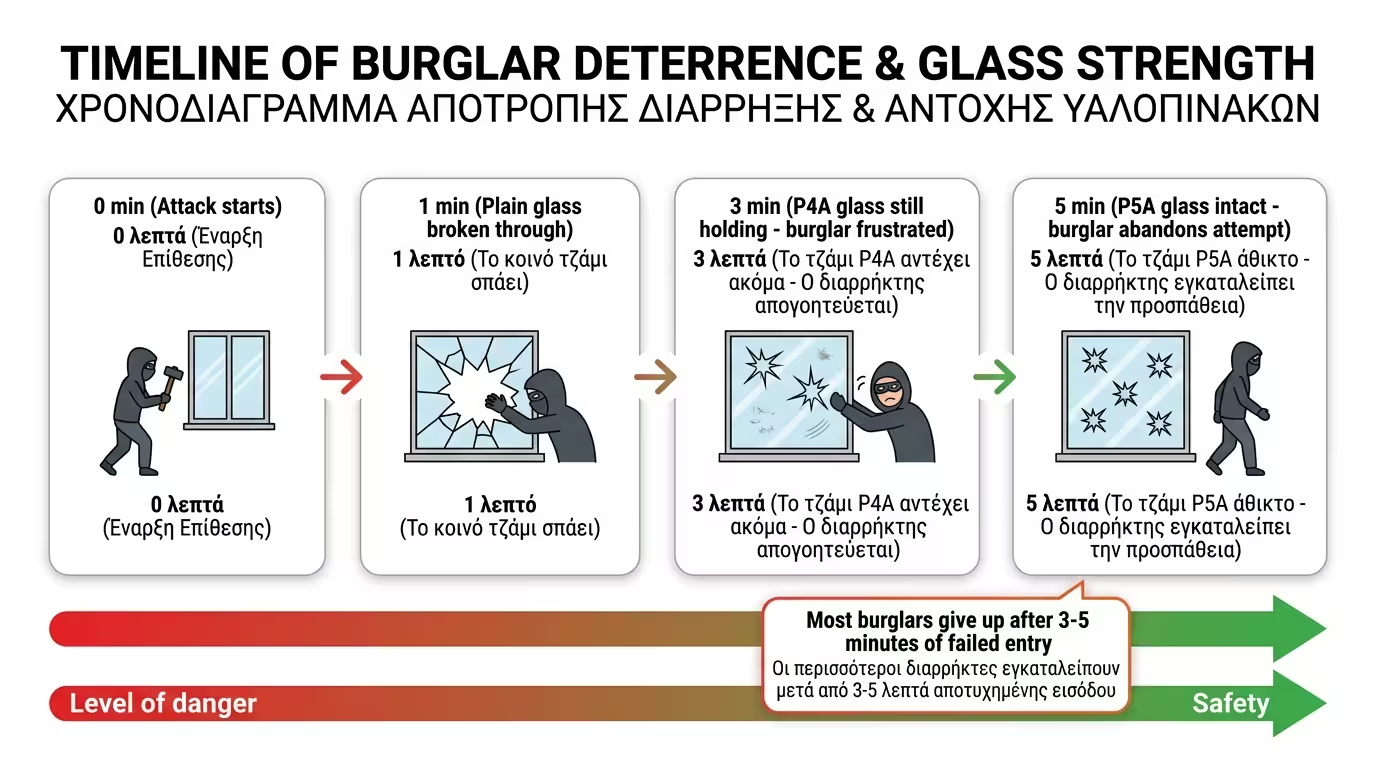
To make the break-in so time-consuming, exhausting and noisy that the intruder gives up and looks for an easier target.
Return to category.
Go to categoryReturn to the central guide.
Go to guide