
Self-Cleaning Glass (Hydrophilic): Do They Really Work or Is It a Myth?

If there's one household chore almost everyone despises, it's cleaning windows. But what happens when you have a stunning glass roof over your atrium, a skylight 4 metres high, or a huge, fixed glazing panel that doesn't open? Who will climb up there with a sponge every time there's a mud-rain or a flock of birds passes by?

To solve this practical nightmare, the glazing industry introduced a technology that sounds like science fiction (or a marketing gimmick): Self-Cleaning Glass.

When a consumer hears "self-cleaning", they imagine glass they'll never have to touch again in their life. But is that the truth, or is it a big myth? Let's be honest and look at the impressive chemistry hidden on its surface.

1. The Science of "Self-Cleaning": A 2-Stage Process

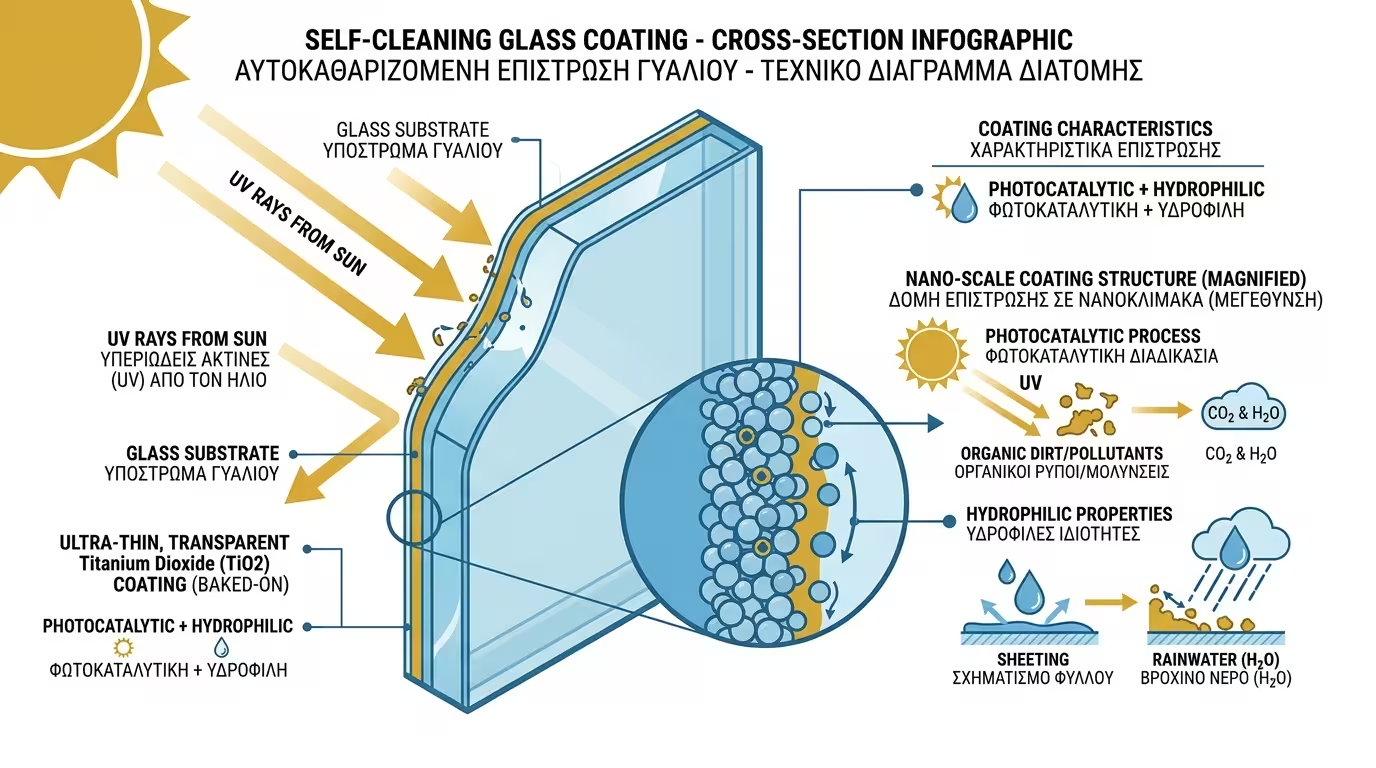
Self-cleaning glass products (such as the famous Pilkington Activ or Bioclean by Saint-Gobain) don't have a built-in wiper! The magic lies in an ultra-thin, permanent, transparent coating of Titanium Dioxide, which is "baked" onto the outer pane during manufacture. This coating works in two phases, harnessing the forces of nature itself (sunlight and rain).

Titanium Dioxide coating on self-cleaning glass

☀️ Stage 1: Photocatalytic Action

When ultraviolet (UV) radiation from the sun hits the coating, it triggers a chemical reaction (photocatalysis). This reaction begins to break down and decompose organic contaminants stuck to the glass, such as bird droppings, tree pollen and resin. In practice, the sun "softens" and dissolves the dirt.
💧 Stage 2: Hydrophilic Action

This is the key difference. Ordinary glass is hydrophobic - when it rains, water forms droplets that leave marks. Self-cleaning glass, however, is Hydrophilic: water doesn't form droplets but spreads uniformly into a continuous sheet of water. This sheet slides downward, carrying the decomposed dirt with it, leaving the glass spotless with no drying marks!

2. The Hard Truth: What Are the Limitations?

So do they work? Yes, they work brilliantly, but they don't perform miracles. To avoid feeling cheated, you need to know the following limitations.

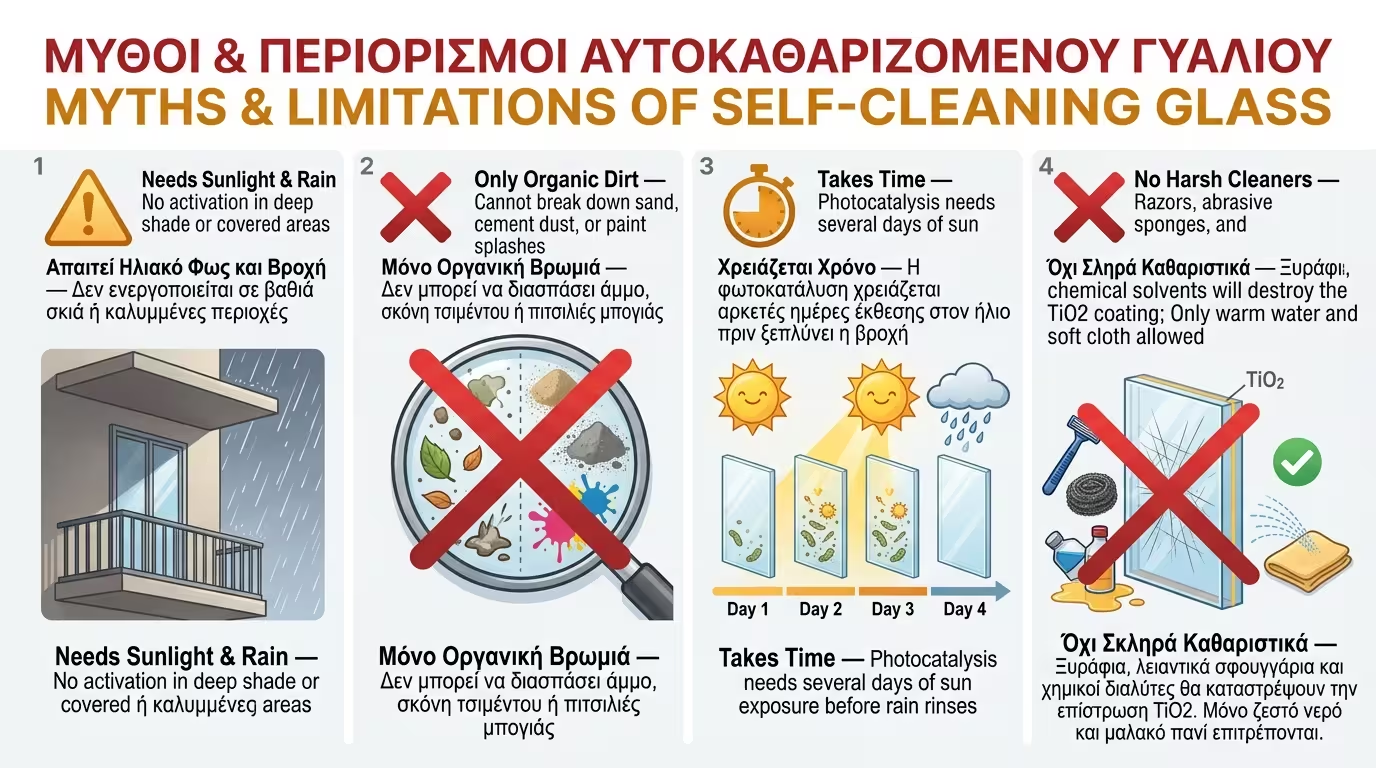
Self-cleaning glass limitations - needs sun, rain and time

🌤️ They Need Sun and Rain

The technology requires nature to operate. If the glass is under a deep, shaded canopy where sunlight never reaches and rain never hits it, the mechanism won't activate. In the Greek summer, when it doesn't rain for months, you may need to hose down the glass yourself to complete stage 2 (the rinse).

🧱 Organic Only, Not Inorganic

The glass breaks down pollen and bird droppings. However, it cannot break down inorganic materials such as sand, cement dust from a neighbouring construction site, or paint spatters.

⏰ They Need Time

If a bird soils the glass, the dirt won't disappear in 5 minutes. Photocatalysis needs several days of sun exposure to fully break down the stain before rain comes to rinse it off.

⚠️ No Harsh Cleaners

If you decide to clean them manually, the use of razor blades, abrasive sponges or chemical solvents is strictly prohibited, as they will destroy the delicate titanium coating. Instead, use some warm water and a soft microfibre cloth - that is more than enough to wipe away any remaining residue without compromising the self-cleaning properties.

3. Is the Investment Worth It?

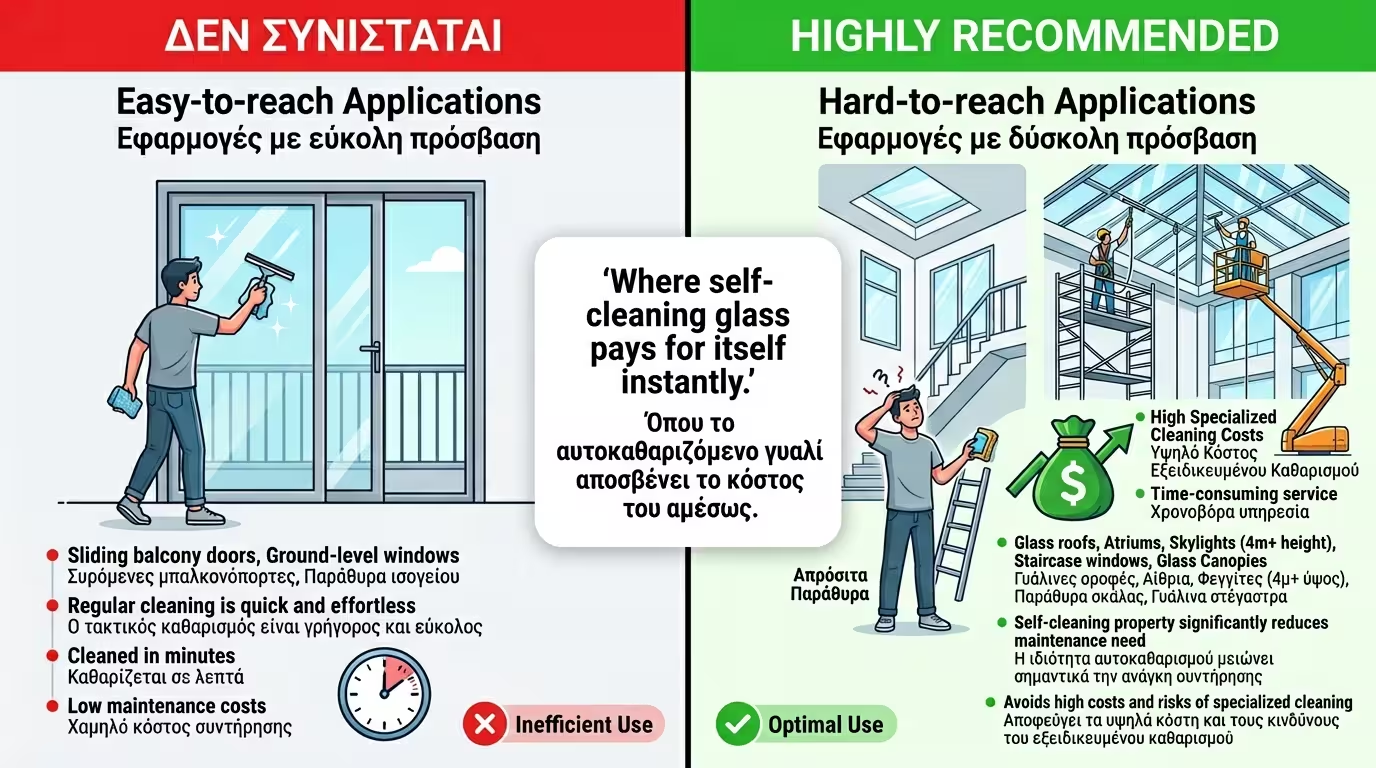
Where self-cleaning glass pays for itself - glass roofs, skylights, high windows

The answer depends on where you install them.

❌ Usually Not Worth It

For the sliding patio doors of your living room, which you can easily clean yourself in a few minutes.

✅ Absolutely ESSENTIAL

For glass roofs, sunrooms, skylights, high-level glazing (e.g. stairwells) and glass canopies. At these locations, cleaning is either dangerous or requires hiring a specialist crew (which is expensive). There, self-cleaning glass pays for itself immediately.

4. Summary

✅ Low Maintenance, Not Zero Maintenance

Self-cleaning glass is not a "myth", nor is it a magic shield that repels everything. It is a brilliant low-maintenance technology that dramatically reduces the need for manual cleaning, keeping hard-to-reach glass surfaces clear and sparkling with the help of nature. For skylights, glass roofs and any glazing you cannot easily reach, the investment pays for itself very quickly.

Related Articles

Glass Panes & Glazing Units: 80% of the Window

Return to category.

Go to category

Preview