Decorative Glass (Frosted, Tinted, Mirror): Solutions for Privacy and
Design
One of the greatest advantages of modern windows is that they flood our
homes with natural light. But what happens when the bathroom window
looks directly onto your neighbour's balcony? Or when your living room
is on the ground floor, right on the pavement, and passers-by can see
what you're watching on TV?
The classic solution is heavy curtains, rollers or shutters. But these
have one enormous disadvantage: in order to give you privacy, they
plunge you into darkness.
If you want to keep prying eyes out while letting precious sunlight in,
the answer lies in the glass surface itself. Let's look at the three
most popular categories of
Decorative Glass and how each one serves different design
and privacy needs.
1. Frosted / Satin Glass
This is the ultimate, all-time classic choice for rooms where privacy
is non-negotiable, day and night.
🔍 How It Works
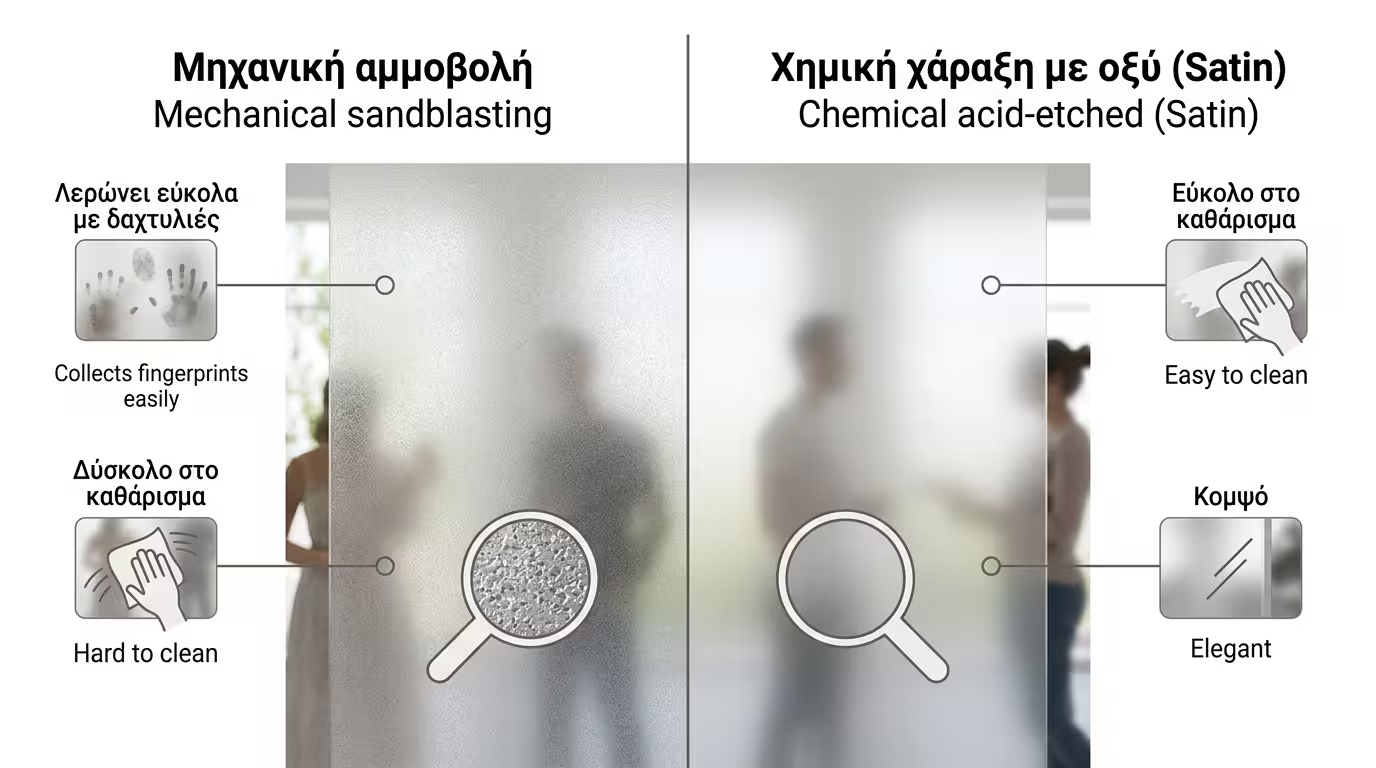
The glass loses its transparency and becomes white, milky (frosted).
It allows natural light to pass through but diffuses (scatters) it
so thoroughly that it's impossible to make out what is behind it. At
most, you might see vague shadows if someone stands right behind the
glass.
🧪 Sandblasting vs Satin
Traditionally, the frosted effect was achieved by "blasting" the
glass with sand under pressure (sandblasting), creating a rough
surface that was easily marked by fingerprints. Today, we prefer
Satin glass, where the frosted texture is achieved
chemically (with acid). The result is velvety to the touch, elegant,
and extremely easy to clean.
📍 Ideal For
Bathroom windows, internal room doors, office partitions, and
ground-floor windows.
❌ The Drawback
Just as nobody can see in, you can't see out either.
2. Tinted Glass
If you love modern, industrial or minimalist aesthetics, tinted
(coloured) glass gives your building's façade an incredibly "sleek"
character.
🎨 How It's Made
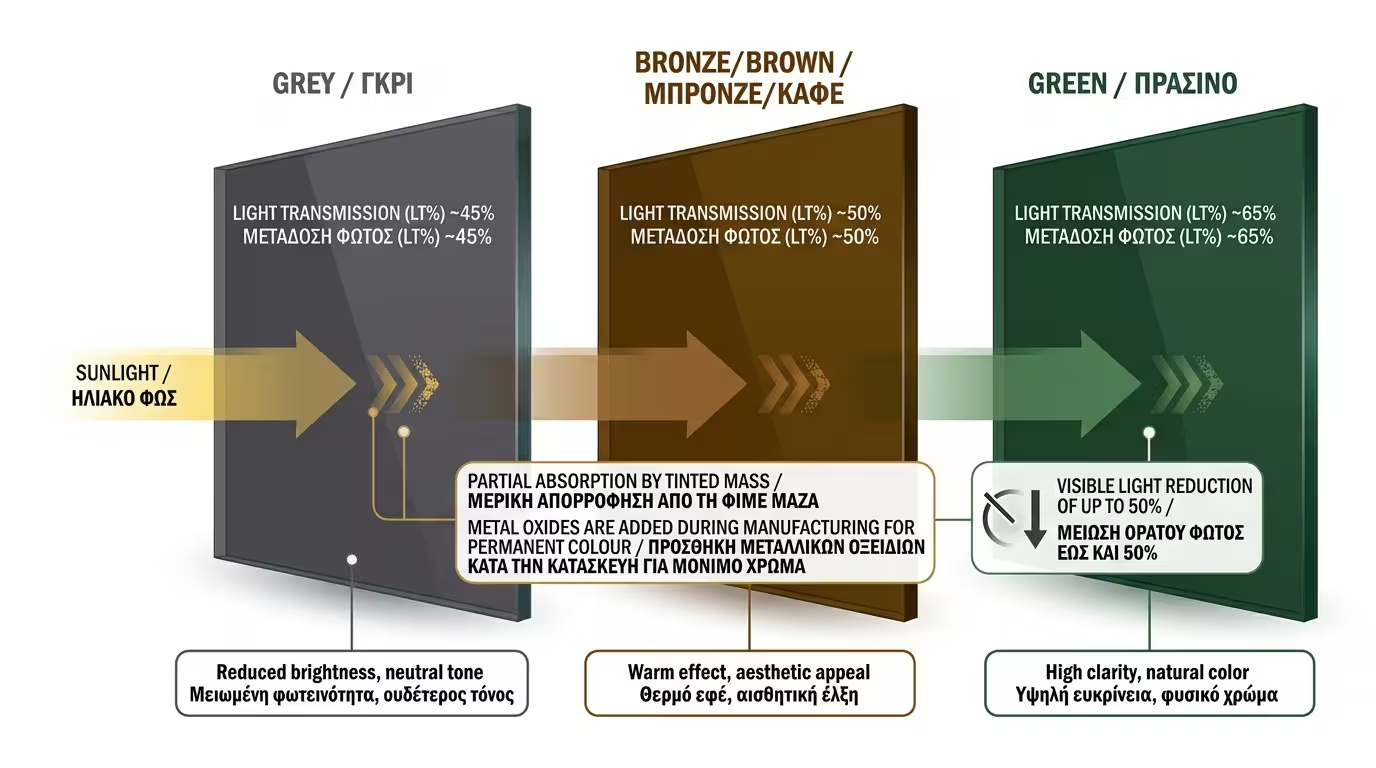
During the manufacturing process, special metal oxides are added to
the glass mass, giving it a permanent tint (typically
grey, bronze/brown or green).
🔒 The Privacy
Tinted glass is not frosted. You can see through it. However,
because it is dark, it dramatically reduces visibility from outside
to inside during the day, creating a discreet, "mysterious" feel. At
the same time, it cuts annoying solar glare, resting your eyes.
📍 Ideal For
Balcony doors in sun-drenched living rooms, stairwells, shop fronts
and modern façades.
❌ The Drawback
It blocks a significant amount of visible light (up to 50%). If your room is already dark or north-facing, tinted glass will
make it feel permanently overcast.
3. Reflective / Spy Glass
Want to sit on your sofa, enjoy an unobstructed view of the street,
but have passers-by see only their own reflection? Reflective glass is
the answer.
🪞 How It Works
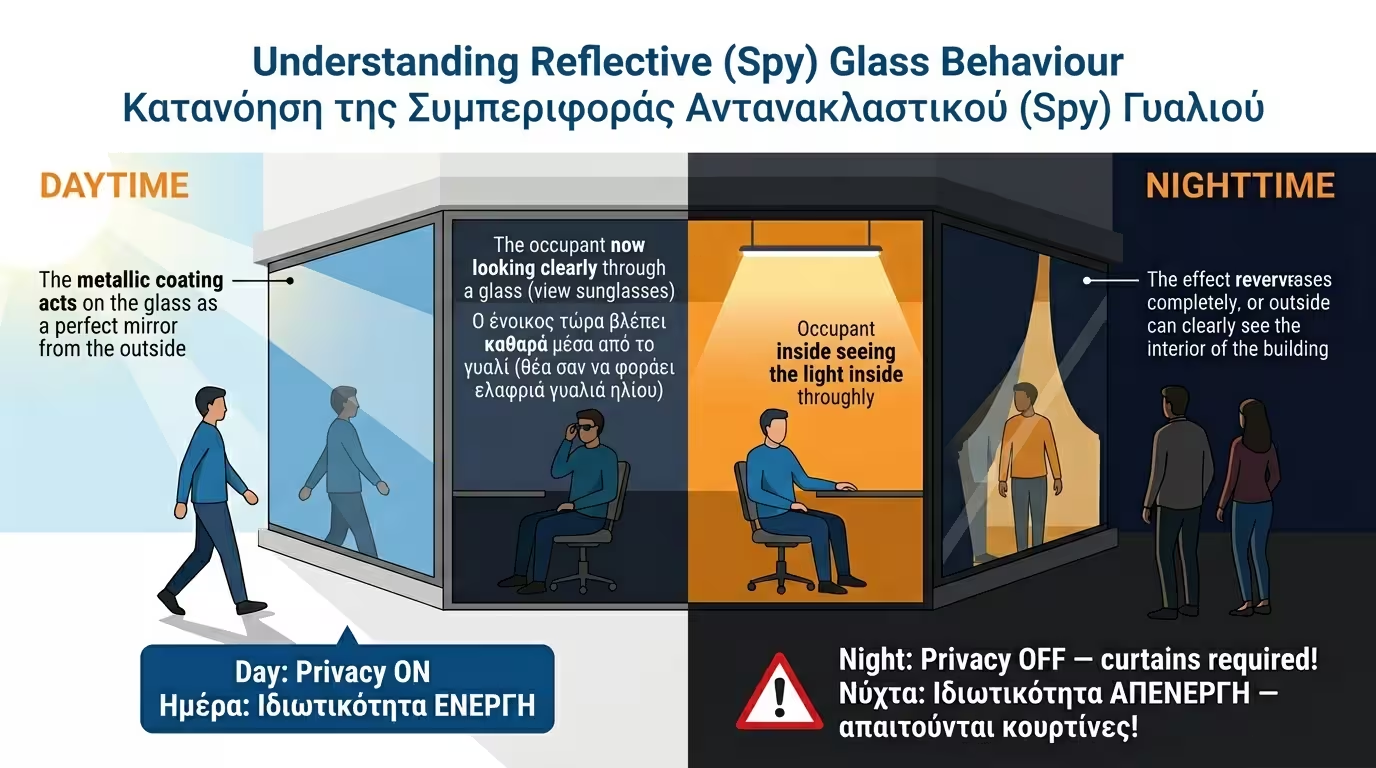
A special metallic coating is applied to the external surface of the
glass. During the day, because sunlight is much stronger outside
than inside, the coating acts as a perfect mirror.
You see out normally (as if wearing light sunglasses),
but from outside absolutely nothing is visible inside.
📍 Ideal For
Corporate offices, penthouses, and living rooms that are very close
to opposite apartment buildings.
⚠️ The Big "Trap" (Caution!)
The mirror's privacy relies on a difference in lighting.
At night, the effect reverses! When it's dark outside
and you turn on your living room lights, the street can see inside perfectly,
while you see your own reflection as in a mirror. Therefore, at night,
curtains or a roller blind remain mandatory.
4. Summary
✅ Balancing Light and Privacy
Choosing the right decorative glazing is all about balance. If you
want permanent, 24-hour privacy protection with abundant light (but
no view), Satin (Frosted) glass is the only option. If
you want to see outside and seek daytime privacy with architectural style,
Tinted and
Reflective (Mirror) glass will elevate your space's aesthetics.
💡 Note
All the above decorative glass types can (and should) be combined
with energy-efficient coatings (Low-E) on their inner face, so you
enjoy privacy AND top-tier thermal insulation at the
same time.