Safety Regulations: Where Is Safety Glass (Securit or Triplex) Mandatory
by Law?
When choosing new windows, we often see the glass simply as a
transparent material that lets light through and (ideally) keeps the
cold out. However, plain glass (float glass) is an extremely dangerous,
fragile material. If someone trips and falls against it, the huge, sharp
fragments act literally like a guillotine, causing amputations or even
fatal accidents.
For this reason, the choice between plain glass and safety glass
(Triplex or Securit)
is not solely a matter of budget or taste. European and
Greek legislation, through strict standards (such as EN 12600), clearly
defines the so-called
"Critical Impact Zones". In these zones, the use of
safety glass is absolutely mandatory.
Whether you are an engineer, a contractor, a school principal, a shop
owner, or simply a parent renovating your home, this is the survival
guide (and legal compliance guide) you need to know.
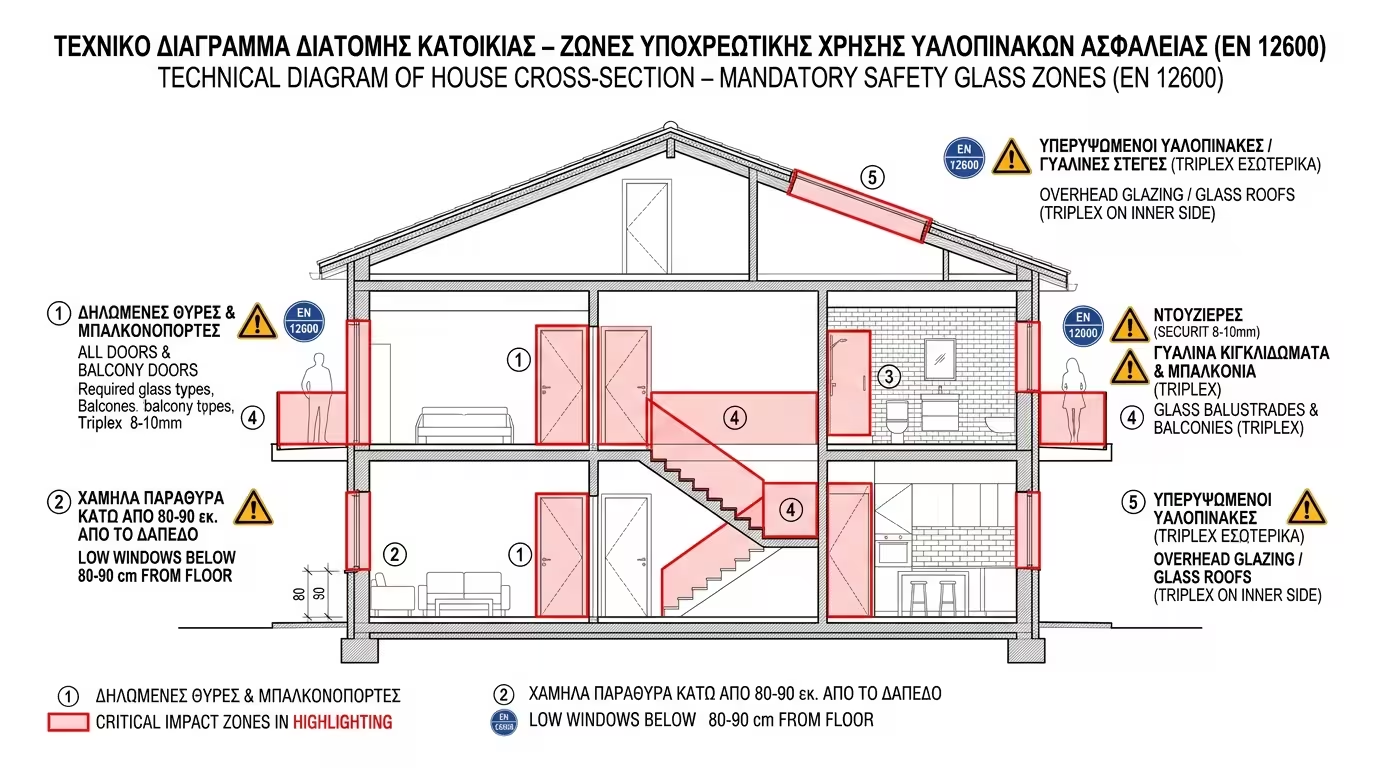
1. What Are "Critical Impact Zones"?
A "critical zone" is any location where there is an increased risk of
a person (especially a child) losing their balance, not seeing the
glass and crashing into it at speed.
🚪 1. Doors and Balcony Doors
Any glazed surface on a door, regardless of height, must be safety
glass. This includes apartment-block main entrances, internal glass
doors and, of course, sliding or hinged balcony doors in the living
room. The illusion that "the space is open" leads to thousands of
collision accidents every year.
📐 2. Low Windows (Below 80-90 cm)
If you have a window that starts very low (e.g. less than
80 centimetres from the floor), it is considered equally
dangerous as a door. Young children in particular, who run and play at
floor level, are at risk of falling against the low pane.
2. Bathrooms, Balustrades and Overhead Glazing
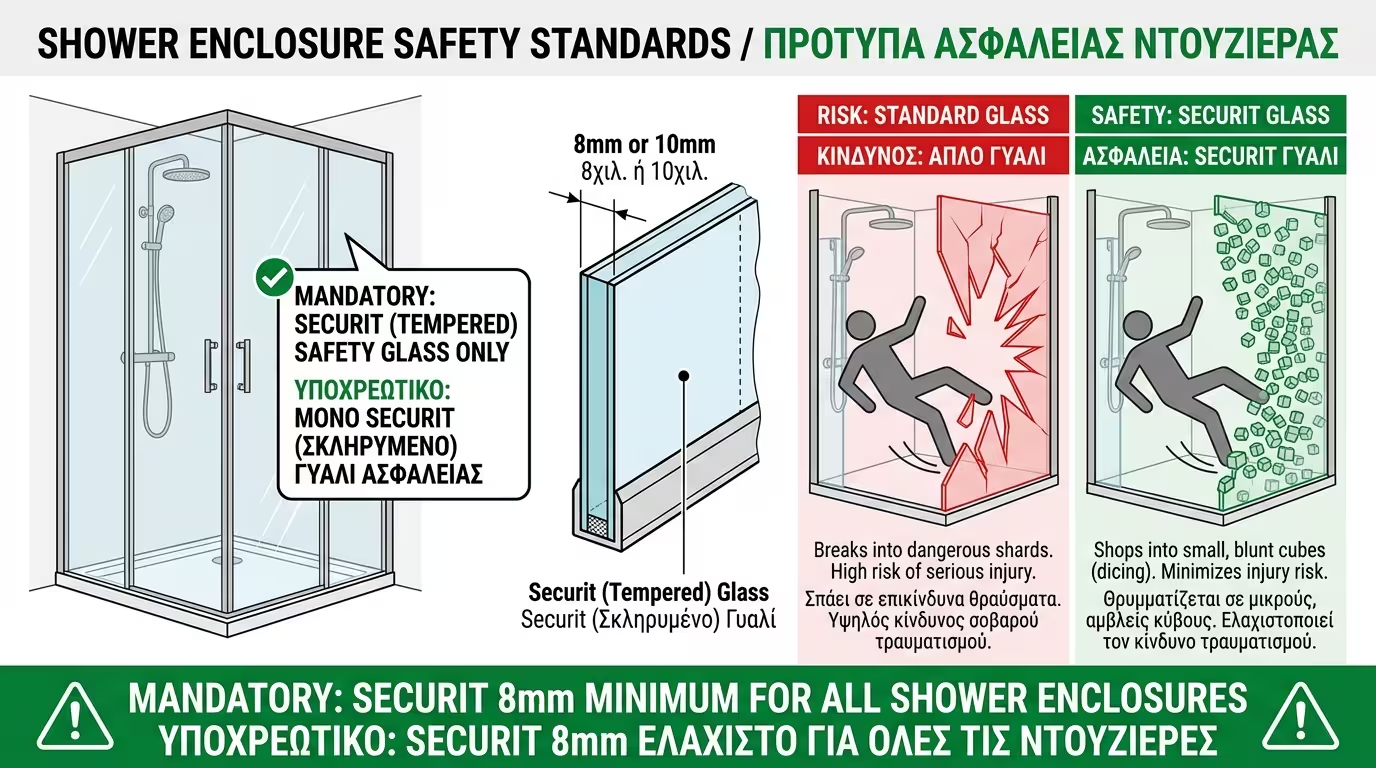
The bathroom is the most slippery room in the house. The law (and
common sense) mandates that every glass shower enclosure must be built
strictly from
thermally toughened glass (Securit), usually
8mm or 10mm thick. If you slip and break the enclosure,
Securit will crumble into "coarse salt", saving you from lethal cuts.
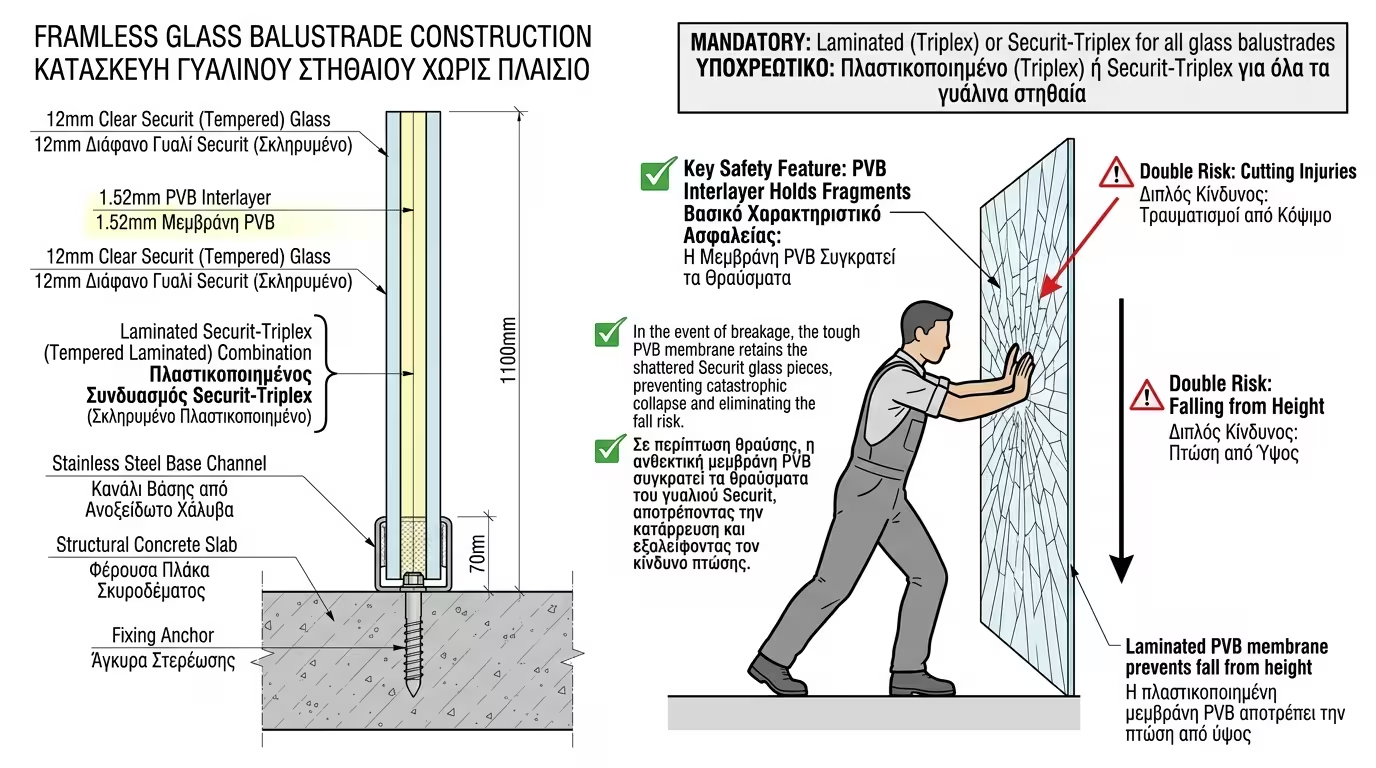
🏗️ 4. Glass Balustrades, Railings and Balconies
Here the risk is double: it's not just about cuts, but primarily
about falling from height. Frameless glass
balustrades must use thick, multi-layer glass (Laminated / Triplex),
ideally the Securit-Triplex combination. If the pane breaks, the
elastic PVB membrane must stay in place, supporting the weight of
the person who fell against it.
☁️ 5. Roofs, Atriums and Canopies (Overhead Glazing)
Anything glazed above your head falls under the strictest
regulations. The inner (lower) side of a glass roof
MUST be Triplex (Laminated). If a heavy object falls
on the roof and breaks the glass, the fragments will stay bonded to the
membrane instead of "raining" glass into your living room.
3. Schools, Tutoring Centres and Public Buildings
In public gathering spaces, and especially where children are present,
the regulations leave no room for exceptions.
🏫 No Exceptions
All glass panes in doors, corridor windows, gymnasiums and
classrooms (at heights accessible to students) must be safety glass.
A broken plain pane in a school playground is a recipe for legal and
moral sanctions.
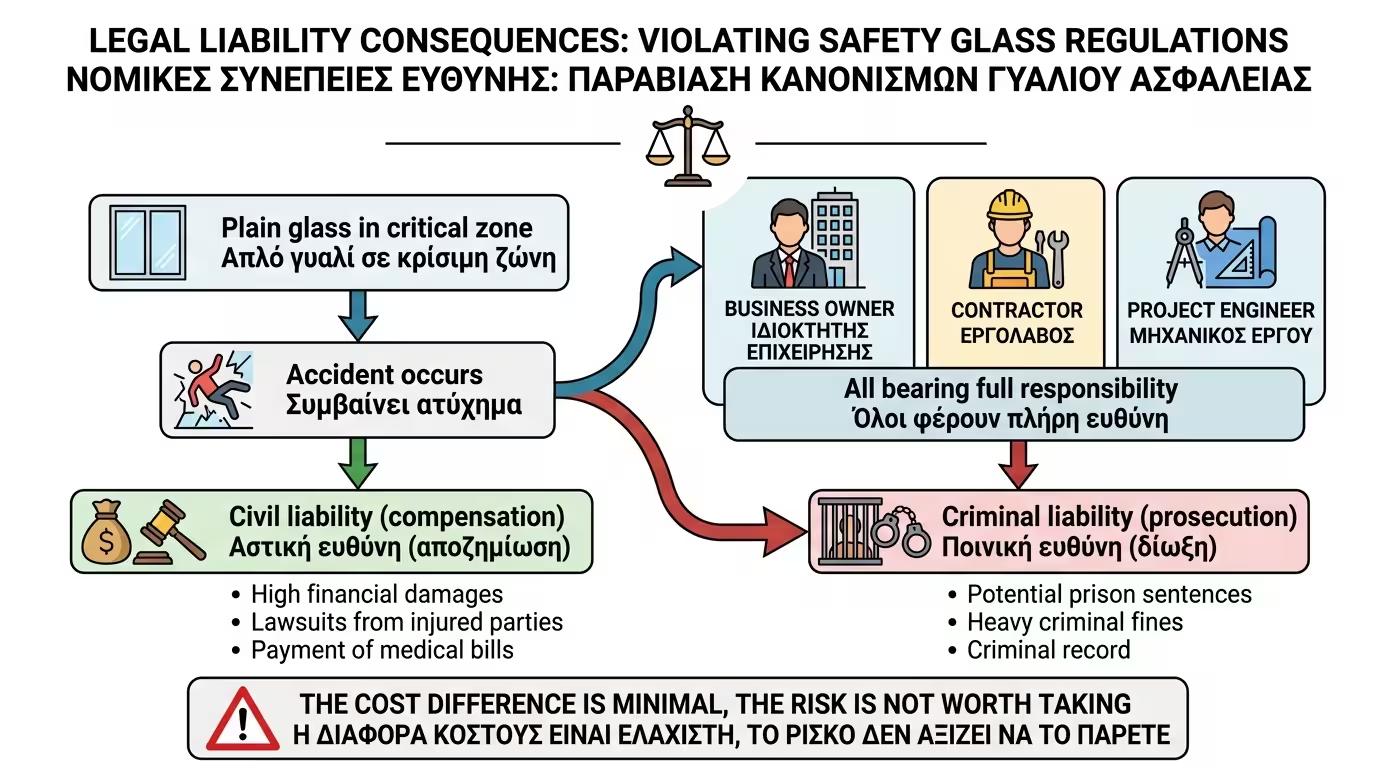
4. Civil and Criminal Liability
What happens if you ignore these regulations to save a few euros on
the aluminium contractor's quote?
⚖️ The Risk
If you are a business owner, contractor or project engineer and an accident occurs because you installed plain glass in a "critical
zone" (e.g. in a shop front or a hotel entrance), you bear full civil
and criminal liability for the injury. It is a risk simply not worth taking.
5. Summary
✅ The Cheapest Life Insurance
Adding Triplex or Securit glass slightly increases the cost of the
window, but it is the cheapest "life insurance" you can buy. In
older homes from the 1980s and 1990s, the huge sliding balcony doors
were made with single, plain 4mm glass - a genuine ticking time
bomb. Replacing them with modern, energy-efficient safety glass is
the first step towards a truly protected home.