🪟 The Invisible Bond
From inside, the aluminium skeleton (mullions & transoms) hides behind the glass. From outside, you see an uninterrupted, smooth glass surface with no visible metal - only thin silicone joints between panels.
Imagine a 40-storey skyscraper with an uninterrupted glass façade, or a luxury villa with enormous glass surfaces that seem to float - no visible aluminium, no beads, no frames. How are these enormous, extremely heavy panes held onto the building?
The answer lies in the unique technique of Structural Glazing (Bonded Glazing Systems): the glass panels are bonded directly onto the internal metal skeleton, without any visible external mechanical fixings, using special structural silicones.
Welcome to the pinnacle of glazing technology. Let us see how it works, step by step.
In conventional windows, the glass "sits" inside a frame (glazing beads) and is held mechanically. In Structural Glazing, the glass unit is bonded onto an aluminium or steel sub-frame using two-component structural silicone.
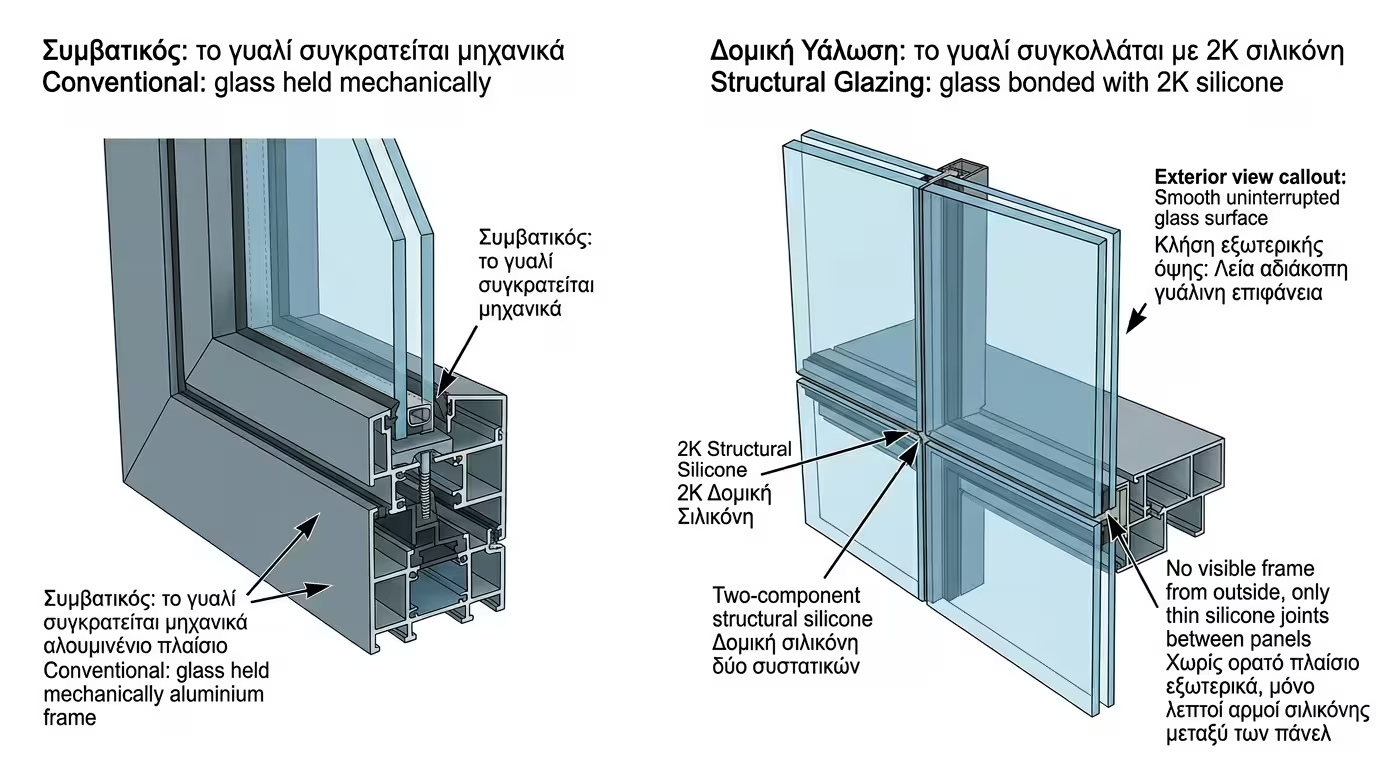
From inside, the aluminium skeleton (mullions & transoms) hides behind the glass. From outside, you see an uninterrupted, smooth glass surface with no visible metal - only thin silicone joints between panels.
The smooth, flat façade with no protruding frames means rainwater runs freely down without collecting in frames or beads. This dramatically reduces dirt build-up and minimises maintenance needs - a huge advantage on tall buildings.
This is not ordinary bathroom silicone. It is a highly certified, factory-grade two-component (2K) silicone that withstands:
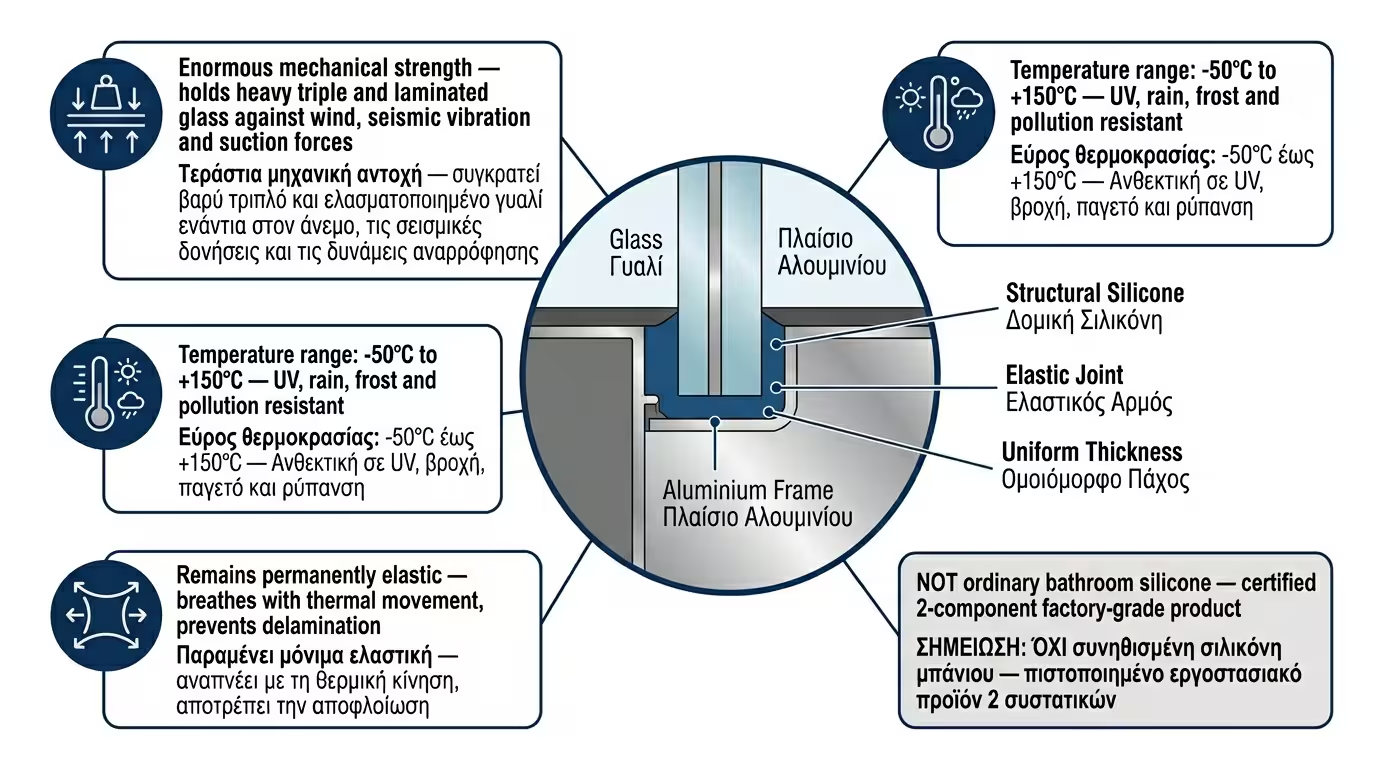
It holds extremely heavy glass units (triple, laminated) in place, resisting wind pressure, seismic vibrations and negative pressure (suction) forces at heights of dozens of metres.
Operates from -50°C to +150°C. Fully resistant to UV, rain, frost and pollution, without degradation.
Structural silicone does not harden. It remains flexible, "breathing" with the thermal movements of the building and the glass, preventing cracks and delamination.
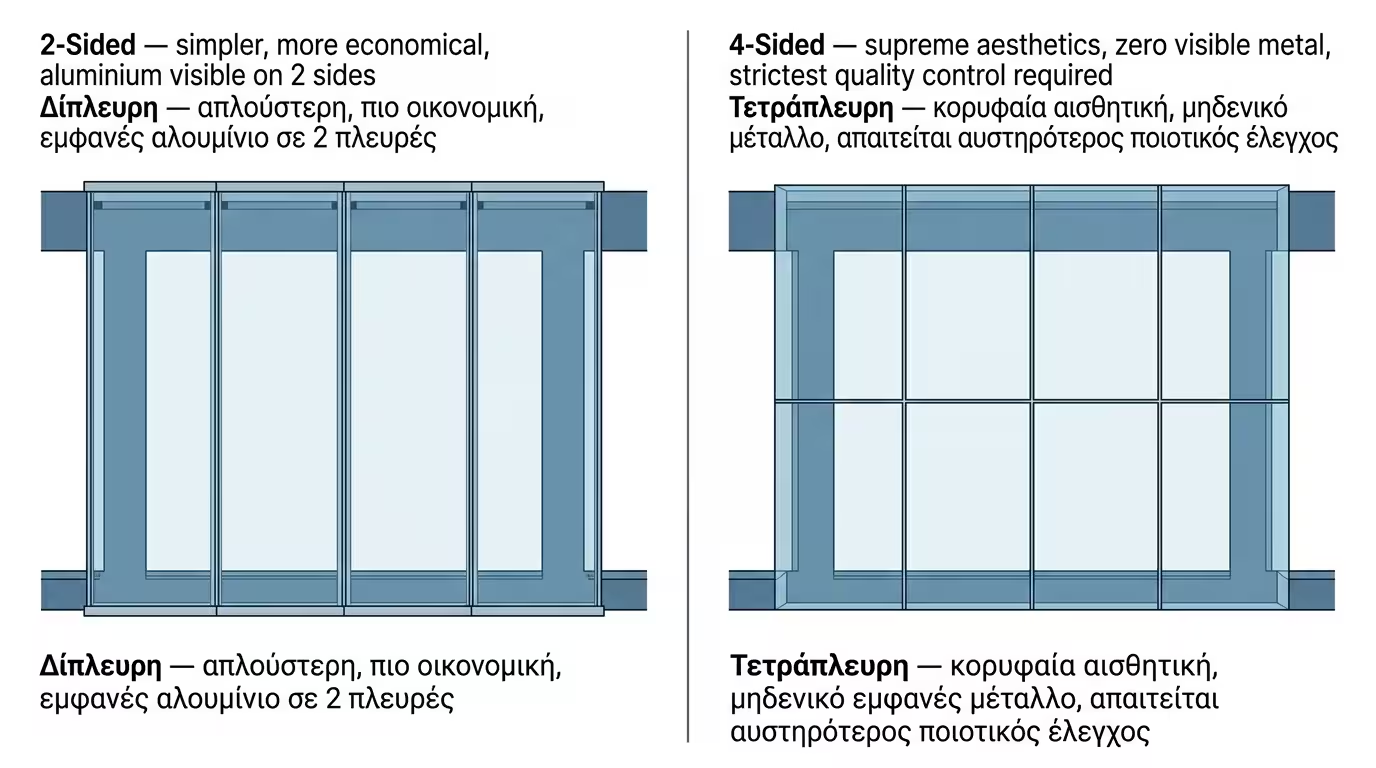
Depending on the degree of "invisible" framing the architect desires, there are two main categories.
The glass is bonded on two vertical (or horizontal) sides. The other two are held mechanically. Aesthetically, thin aluminium appears on only 2 sides instead of 4. Simpler and more economical.
The entire glass unit is structurally bonded on all sides. Result: a perfectly smooth façade, zero visible aluminium. Supreme aesthetics, but requires extremely strict quality control.
The bonding never happens on site. It is carried out entirely in the factory, under strictly controlled temperature and humidity conditions. This is not optional - it is a requirement of ETAG 002 and EN 13022 certifications.
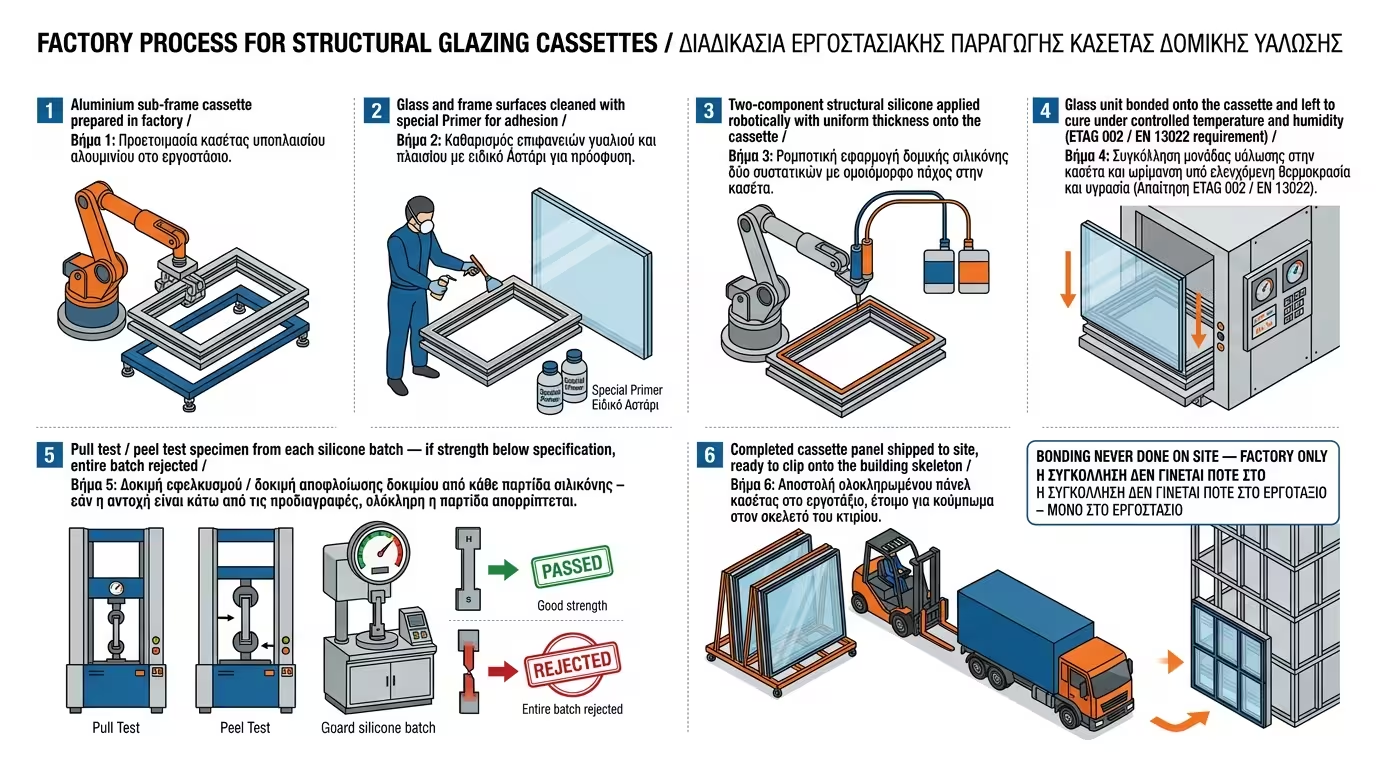
The glass unit is bonded onto an aluminium sub-frame cassette in the factory. Before bonding, the surfaces are cleaned with a special Primer that enhances adhesion. The silicone is applied robotically with a uniform thickness.
Every batch of silicone is tested with pull test specimens. If the strength falls below the specified limits, the entire batch is rejected. After curing, the unit arrives on site as a complete cassette panel, ready to clip onto the skeleton.
Structural Glazing remains the ultimate technique for creating truly stunning glass façades - from skyscrapers and shopping centres to luxury residences with minimal aesthetics.
If you're considering such a solution, it's only worth it if done right: with certified laboratories (ETAG 002), tested aluminium sub-frames and structural silicones from major manufacturers. Never trust structural bonding done on site - it is uncertifiable and dangerous.
Return to category.
Go to categoryReturn to the central guide.
Go to guide