What Are Low-E Energy Glass Panes and How Do They Trap Heat in Winter?

If you've recently requested quotes for replacing your old windows, you've almost certainly heard (and read) the term "Energy Glass" or "Low-E Glass". Every professional promises that with this glass your home will be warmer and your electricity or heating oil bills will drop dramatically.

Yet when you look at an energy glass pane, you see no difference from the old, plain glass in your house. Both are perfectly transparent. How is it possible for a transparent piece of glass to make such a huge difference in thermal insulation? What exactly does "Low-E" mean? Let's strip away the technical jargon and reveal the impressive technology hidden on the glass - completely invisible to the naked eye.

1. What Does "Low-E" Mean? (Low Emissivity): How We Lose Heat

The term Low-E comes from Low Emissivity, meaning low thermal radiation.

Low-E coating on energy glass - invisible silver metallic membrane

🌡️ How We Lose Heat

To understand how it works, we first need to understand how we lose heat from our home in winter. When you turn on your radiator, air conditioner or fireplace, the objects inside the room (walls, furniture, even your body) warm up. These warm bodies emit heat in the form of invisible infrared radiation.
❌ Old (Plain) Glass

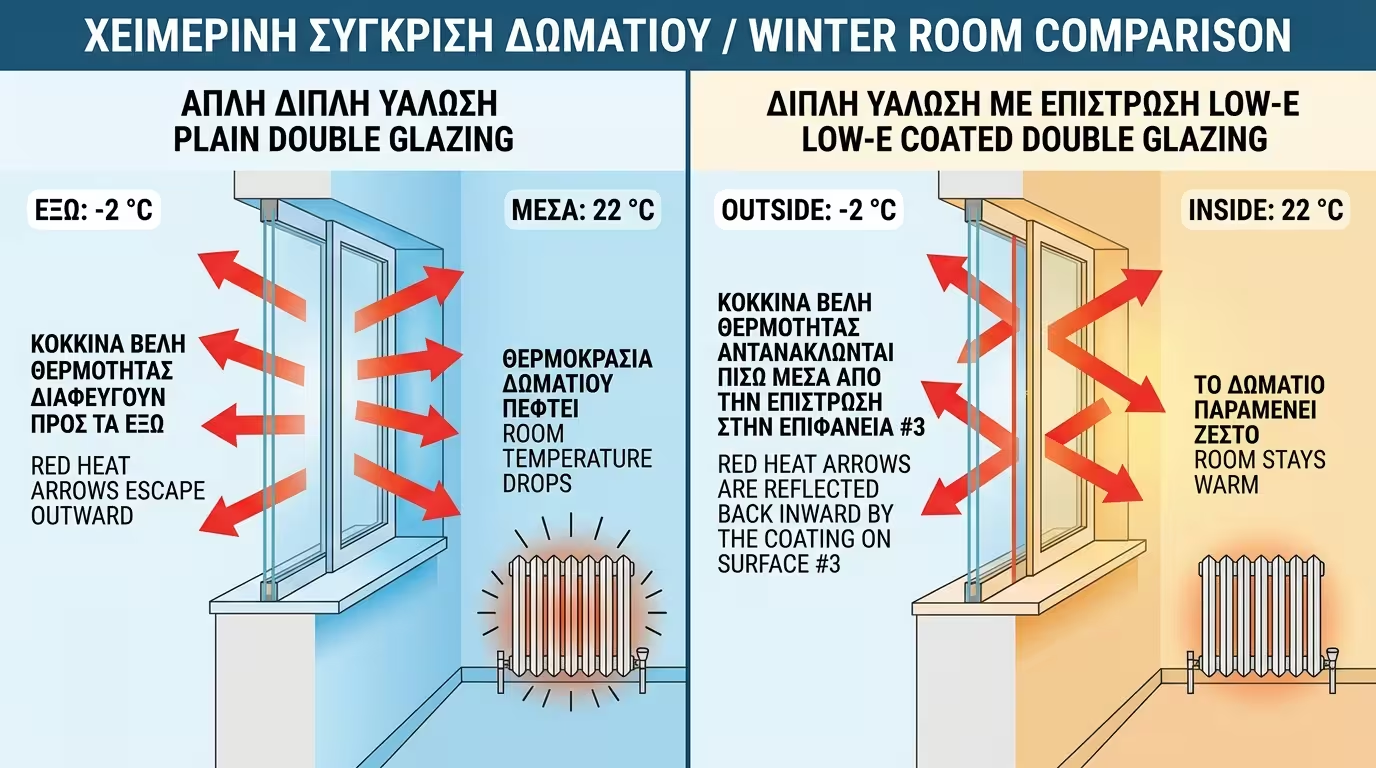
If you have plain (old) glass, this infrared radiation passes through with remarkable ease and "escapes" into the freezing outdoor environment. Your home cools down, and you are forced to burn fuel continuously to replenish the lost heat.

2. The "Invisible Shield": The Coating on Energy Glass

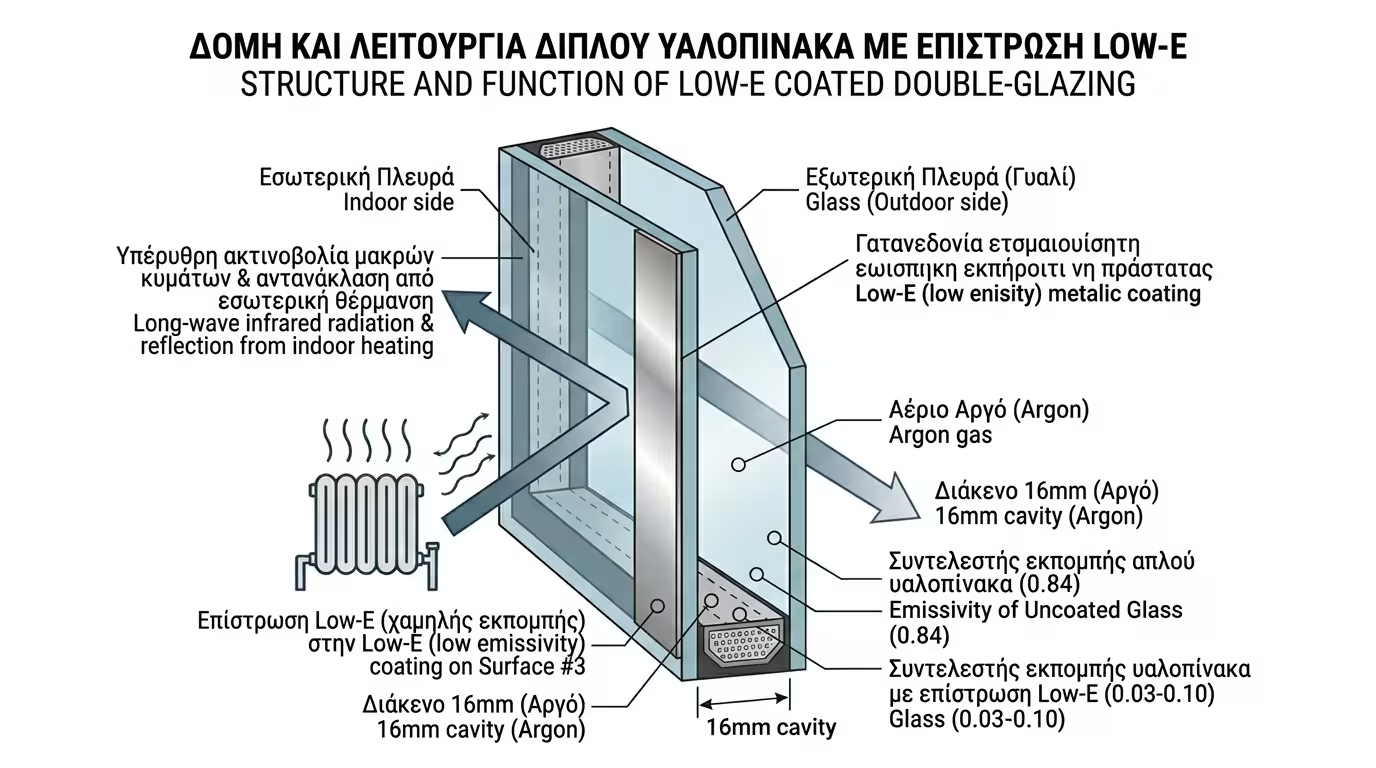
This is exactly where Low-E technology intervenes. During the manufacturing of energy glass at the factory, one of its surfaces is sprayed with a microscopic, invisible coating of noble metals (mainly silver).

Heat reflection by Low-E glass - energy glass reflects infrared radiation

🪞 Thermal Mirror

This coating is so thin (thousands of times thinner than a human hair) that it remains perfectly transparent to visible light (so you can see outside perfectly), but it acts as a thermal mirror against infrared radiation!

3. How It Works in Practice: A Cold January Evening

Energy glass in winter action - Low-E heat trapping mechanism

Imagine a cold January evening. You've turned on the heating in your living room.

1️⃣ Heat Travels

The heat (infrared radiation) travels towards the window, trying to escape outside.

2️⃣ The Coating Reflects

As soon as it "hits" the energy glass, the Low-E metallic coating reflects it (blocks it) and sends it back into the room.

3️⃣ Heat Trapped

The heat is trapped inside the home.

✅ The Result

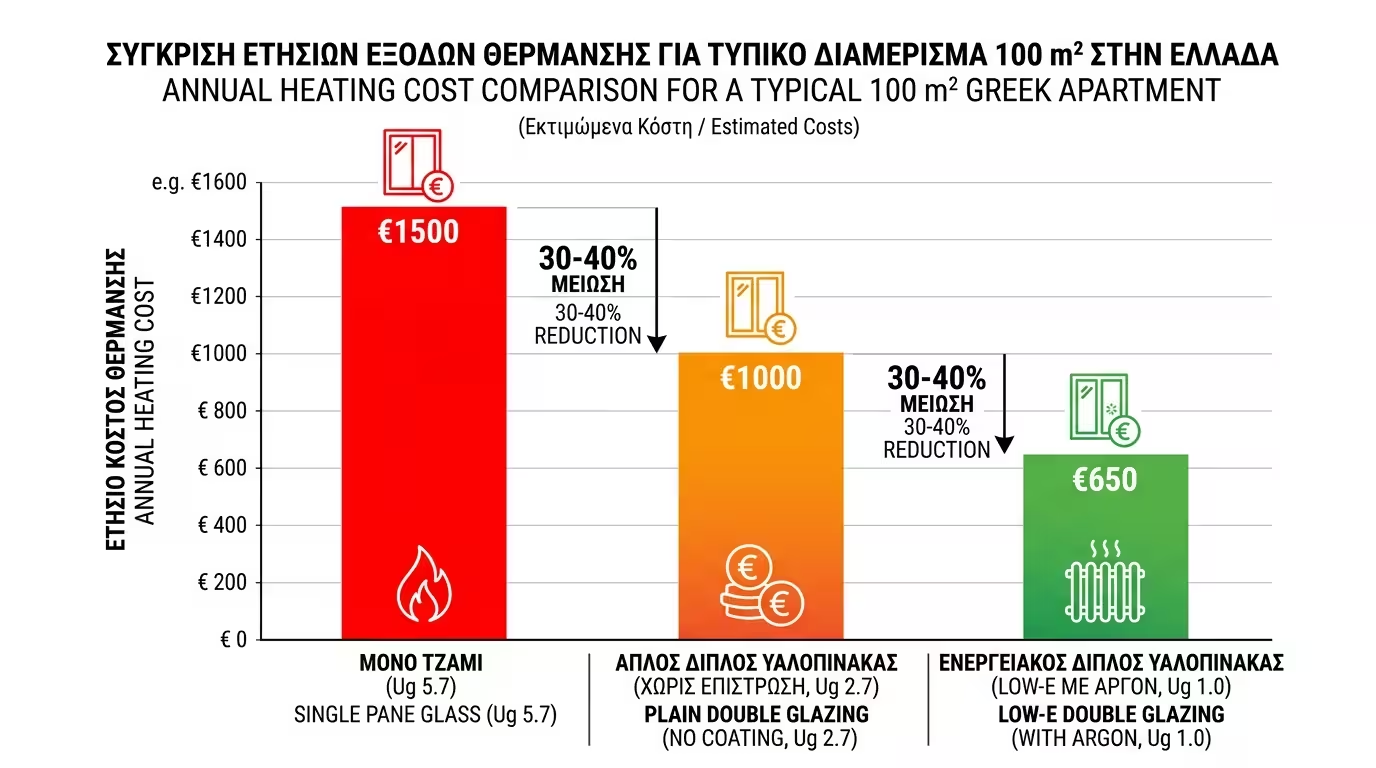
The room heats up much faster, the thermostat reaches the desired temperature and switches off, dramatically reducing energy consumption. At the same time, the glass itself is no longer "freezing" to the touch (like old glass), eliminating that cold feeling when sitting near the window.

4. Are Energy Glass Panes Mandatory? What KENAK Says

The short answer is Yes.

Energy savings with Low-E glass - reduced heating bills

📋 KENAK Requirements

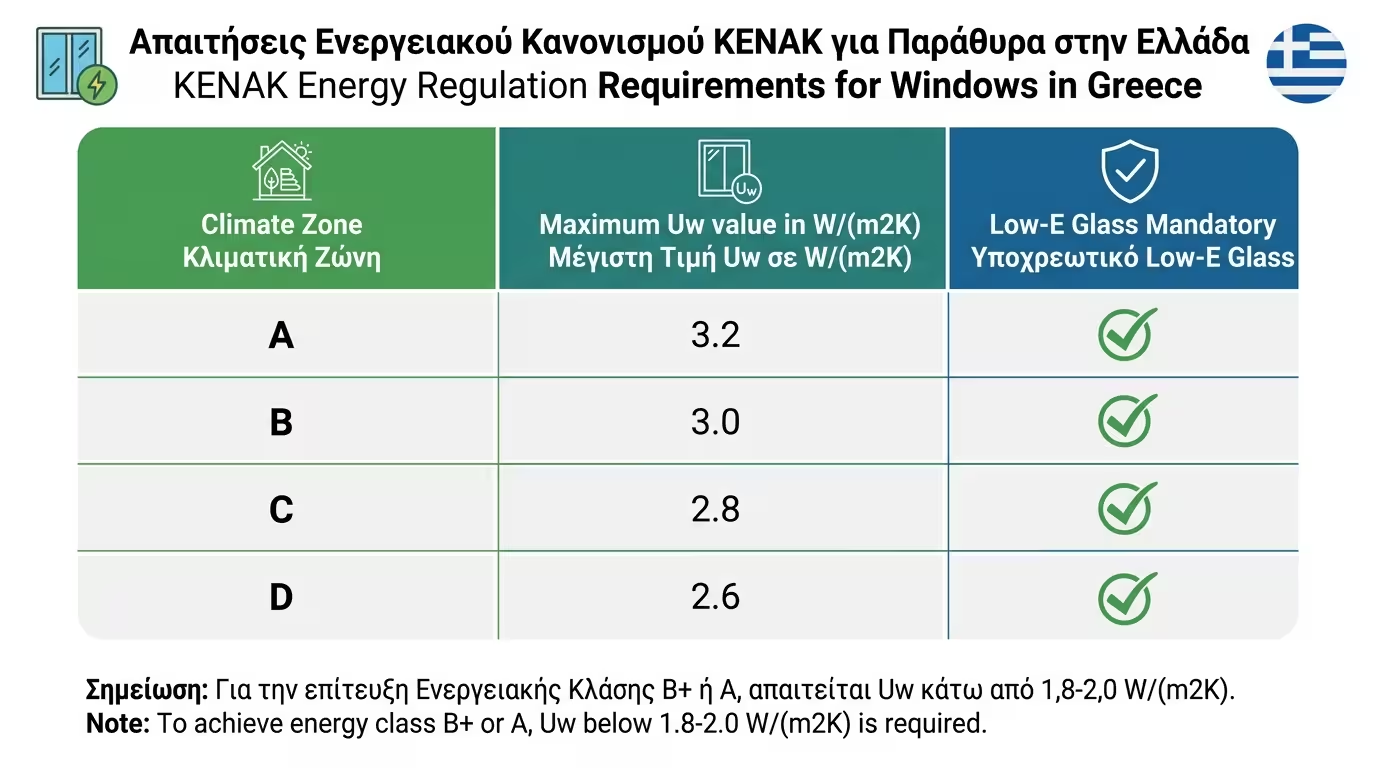
According to the current KENAK (Building Energy Performance Regulation), you can no longer install plain (clear) double glazing in a new build or a major renovation. The legislation requires very low heat loss coefficients (U-value), which only Low-E energy glass (or the even more advanced Four-Season glass) can achieve.

💰 "Exoikonomo" Subsidies

Furthermore, subsidy programmes like "Exoikonomo" exclusively fund windows fitted with certified energy glass panes.

5. Summary: Is the Price Difference Worth It?

❌ The Biggest Mistake

Many homeowners, trying to reduce renovation costs, consider asking for "plain double glazing instead of energy glass." This is the biggest financial mistake you can make.

✅ The Reality

The price difference (per square metre) between plain double glazing and energy glass is now very small (often less than €10-15/m²). However, the money saved on heating bills that energy glass will provide will pay back this small difference from the very first winter! From the second year on and for decades to come, energy glass simply puts money back in your pocket.

Related Articles

Glass Panes & Glazing Units: 80% of the Window

Return to category.

Go to category

Preview