
💧 Moisture on the Room Side
You can wipe it off. This is NOT a glass problem - it's a ventilation issue. Water vapour from cooking or bathing condenses on the cold glass. Solution: open the windows to ventilate or get a dehumidifier.
It is perhaps the most frustrating moment during house cleaning. You grab the glass cleaner, wipe the window from inside, go out to the balcony and clean it from outside too. And yet, that annoying haze, the droplets or that white stain that looks like limescale… refuses to go away.
You run your finger across the glass and realise the harsh truth: The dirt is neither inside nor outside. It's TRAPPED between the two panes!
If your window looks permanently fogged and stained internally, the news isn't good. Your double glazed unit has suffered so-called "seal failure". Let's see why this happened, why you can't clean it, and what the real solution is.
Before we proceed, we need to make a crucial distinction. Where the "sweat" appears on the glass reveals the problem. This distinction is vitally important because it determines whether the problem is solved with ventilation or requires replacement.
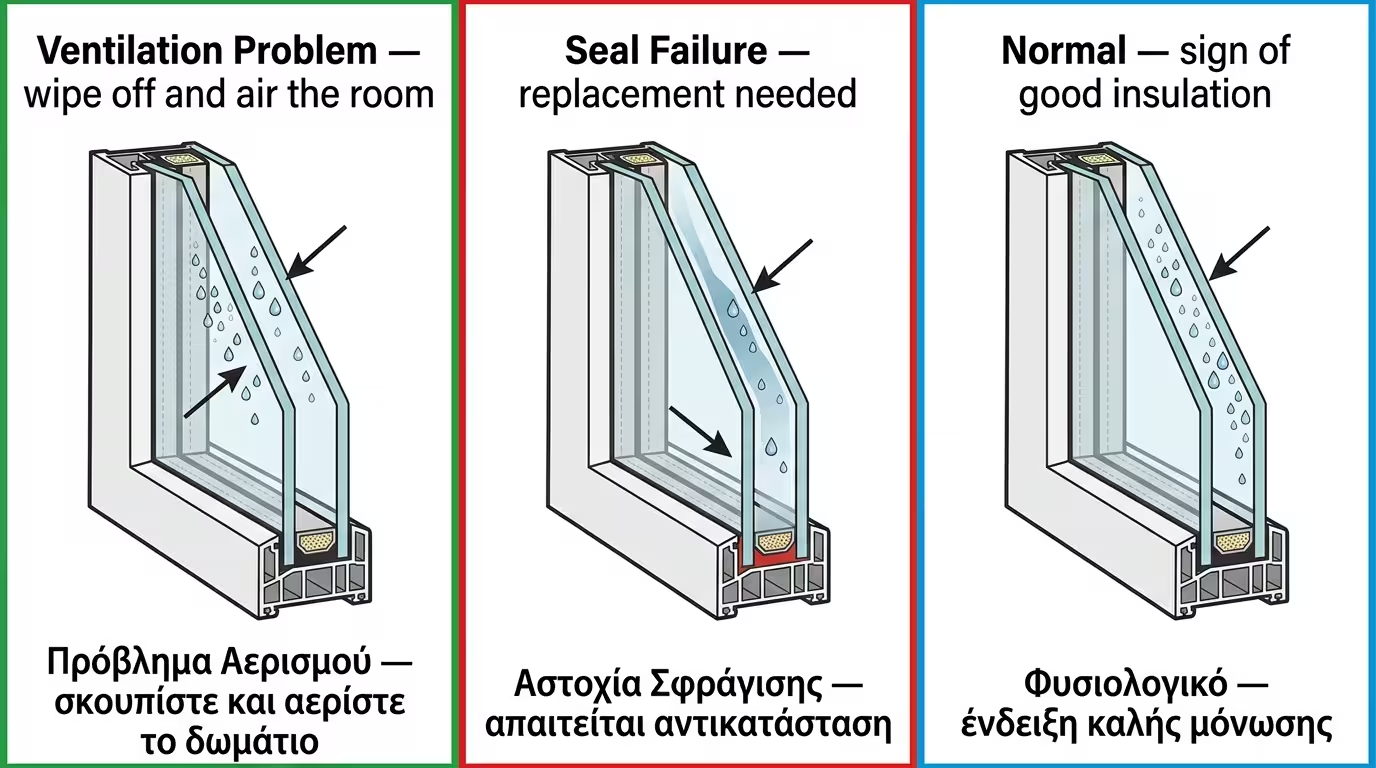
You can wipe it off. This is NOT a glass problem - it's a ventilation issue. Water vapour from cooking or bathing condenses on the cold glass. Solution: open the windows to ventilate or get a dehumidifier.
It can't be wiped off. This is the real, structural problem we'll analyse: the seal of the glazing unit has "broken" and moist air has infiltrated the chamber.
A double glazed unit is not simply two pieces of glass placed side by side. It is a hermetically sealed "box".
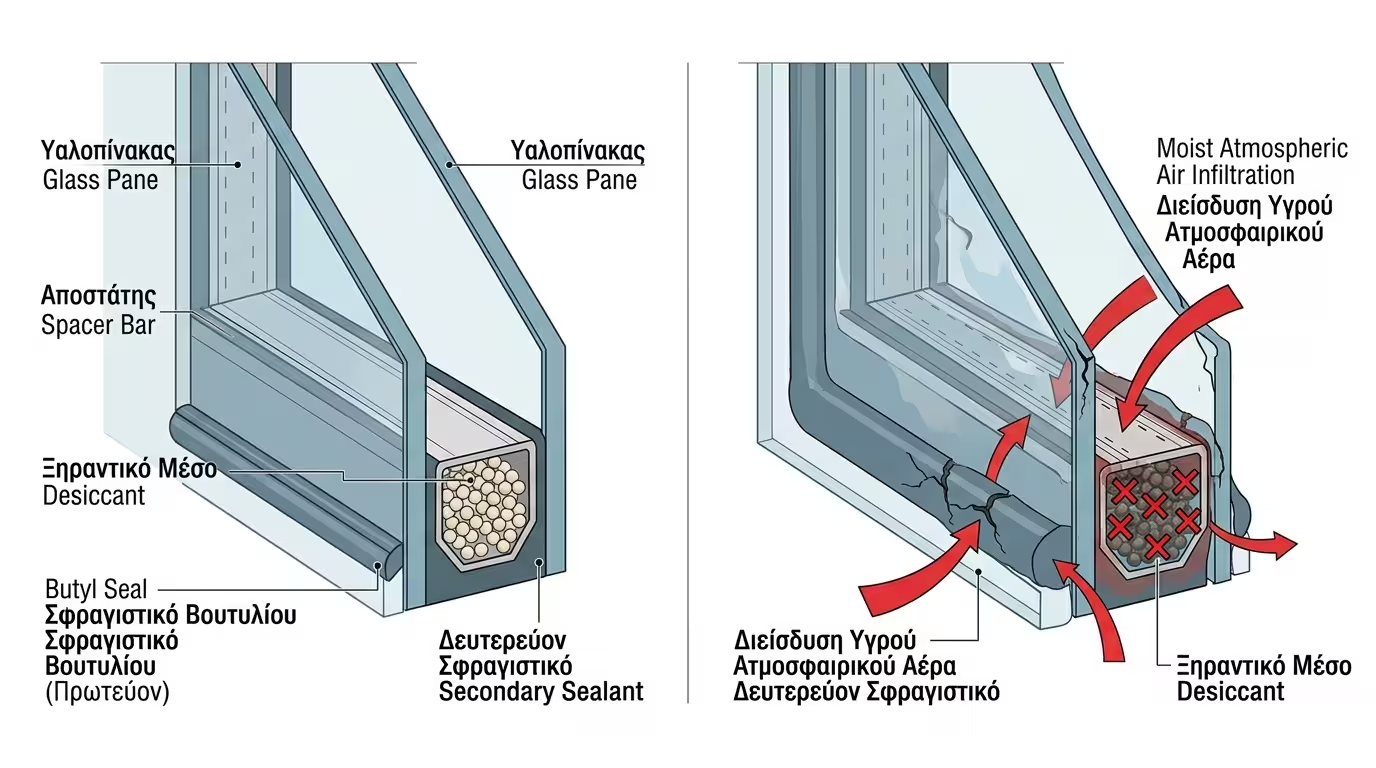
Around the perimeter, between the panes, sits the spacer bar. Inside it, silica beads (desiccant) absorb moisture like a sponge. Finally, the perimeter is double-sealed with powerful black sealants (butyl + polysulfide or polyurethane).
When the black sealant is punctured or cracks, atmospheric air infiltrates. The silica beads become saturated. The sun heats the trapped moist air, creating fog. When it dries, it leaves behind permanent white salt stains.
The unit was made carelessly, without proper cleaning or with cheap silicones that dried out quickly from the sun's ultraviolet (UV) radiation.
If the drainage holes at the bottom of the aluminium frame get clogged with dirt, rainwater gets trapped inside the frame. The double glazing sits permanently in a "swimming pool" of water. Even the best seal in the world will eventually deteriorate.
Extreme expansion and contraction cycles from summer heatwaves and winter frost fatigue the materials after 2 decades. A quality unit lasts 15-25 years.
If you search YouTube, you'll find dozens of videos showing people drilling a small hole in the glass, spraying cleaning fluid inside, drying it out and plugging the hole with a valve. As professionals, we warn you: it's a waste of time and money.
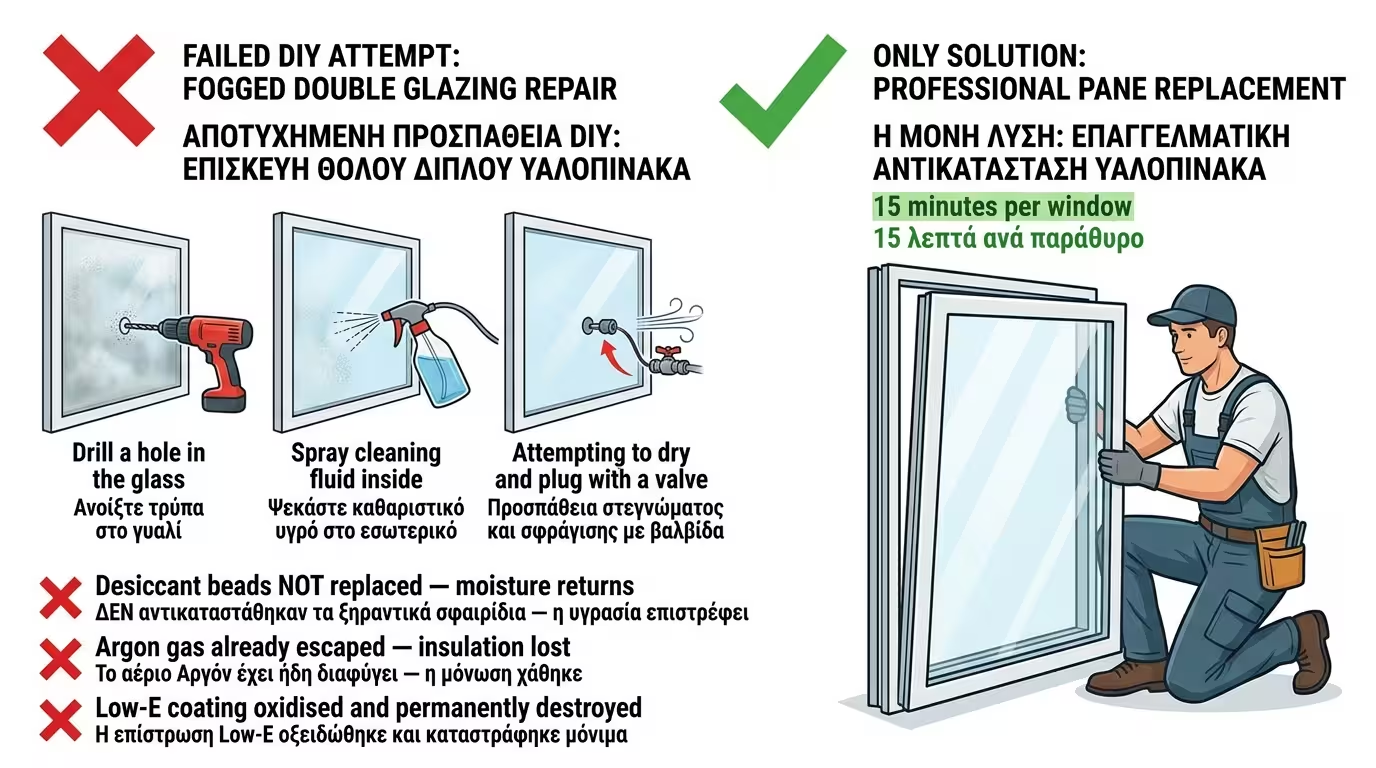
The process doesn't replace the destroyed desiccant beads - the moisture will return soon. If the unit had Argon gas, it has already escaped and insulation has dropped dramatically. If it was Low-E coated, the moisture has oxidised and permanently destroyed the metallic coating. Your insulation is gone.
The truth is harsh but clear: a double glazed unit that has taken on moisture is a "dead" unit. The only technically correct and permanent solution is to replace it.
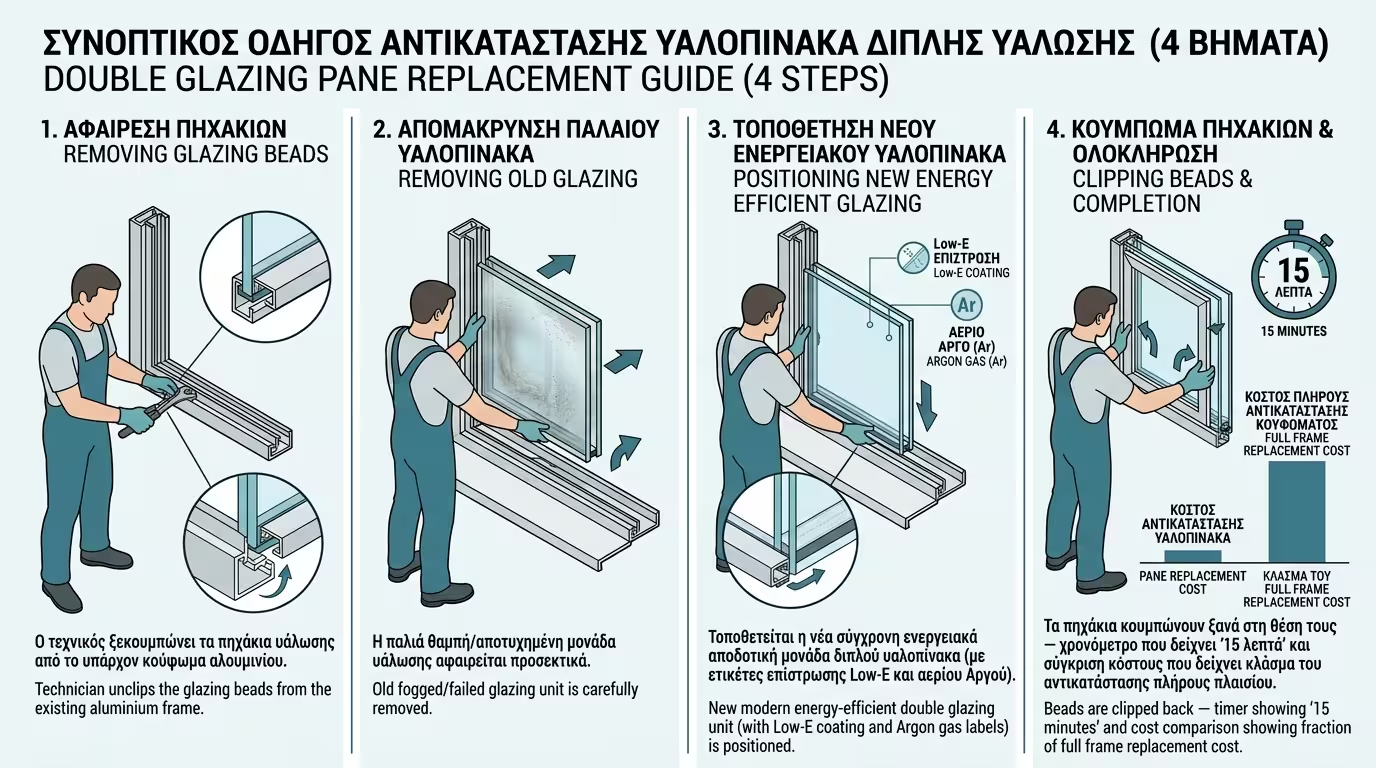
You DON'T need to replace the entire window! There's no need to rip out the aluminium or do patchwork on the walls. A specialist technician simply unclips the glazing beads from the existing frame, removes the old fogged unit and clicks a brand-new, modern energy-efficient unit into its place.
The process takes literally 15 minutes per window, at a fraction of the cost of replacing the whole frame. You'll gain crystal-clear visibility, full energy performance, and a window that will last another two decades.
Return to category.
Go to categoryReturn to the central guide.
Go to guide