What Are Aluminium Windows with Thermal Break and Why Are They Now
Essential?
We have all experienced it: sitting by the window on a cold winter
evening and feeling a chill radiating into the room, even though the
window is hermetically closed. Or, worse, waking up in the morning to
find the window frames "sweating", with water running down to the floor
and mould appearing in the corners.
This was the harsh reality of old aluminium frames from the 1980s and
1990s. Today, however, things have changed dramatically. The keyword
that has transformed the construction industry in Greece is one:
Thermal Break.
Let us look in simple terms at what this technology really is, how it
works and why choosing it is no longer merely a "luxury" but is now
required by law.
1. The Problem with "Conventional" Aluminium: Cold Profiles
Aluminium is an excellent construction material: it is lightweight,
never rusts, is incredibly robust and offers top security. However, it
has one huge disadvantage by nature:
it is an excellent conductor of heat.
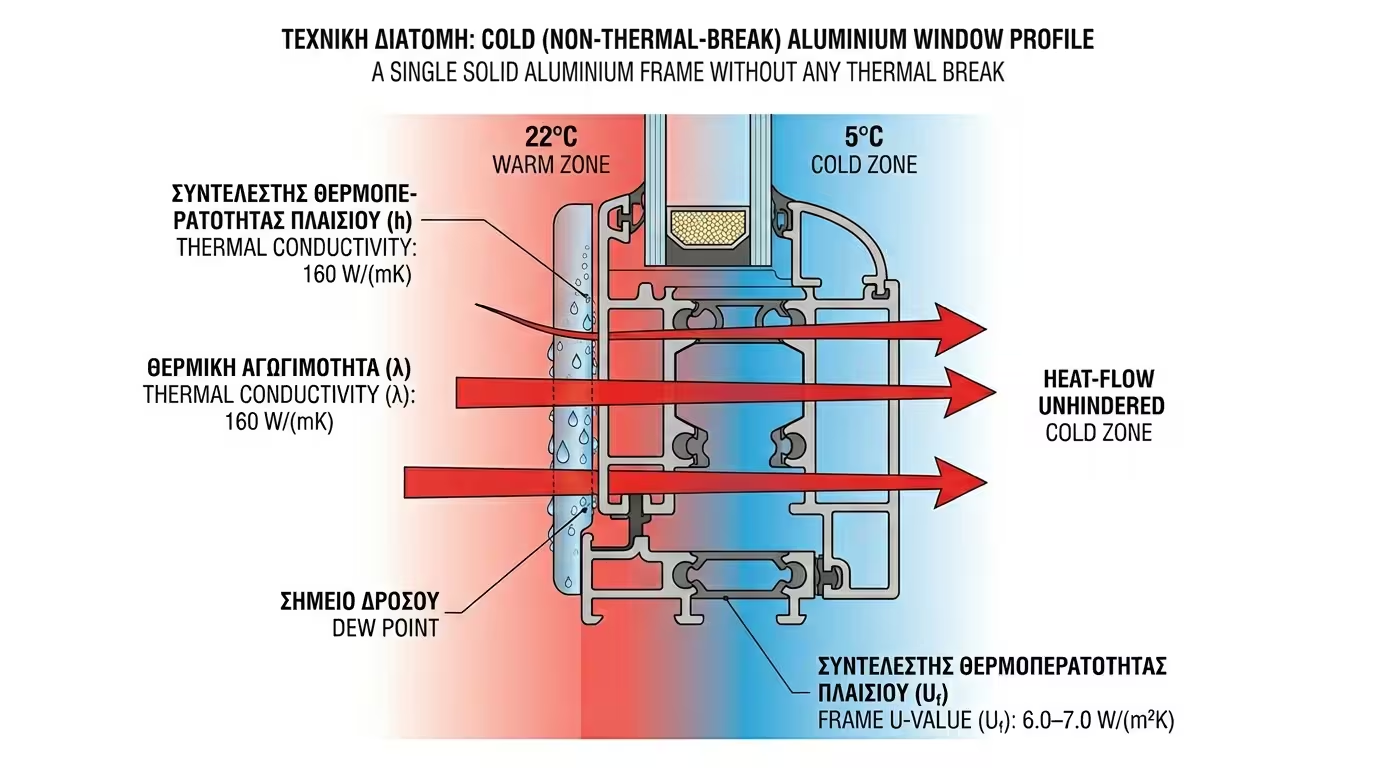
🌡️ The Heat "Highway"
Think of old, plain aluminium (known as "cold") as an open highway
connecting inside to outside. In winter, it "pulls" the precious
warmth from your radiator and throws it outside. In summer, it does
exactly the opposite: it channels the blazing Greek sun straight
into your living room.
🏗️ The Thermal Bridge
Engineers call this phenomenon a
thermal bridge. These are points in the structure
where heat escapes or enters unimpeded, dramatically increasing
energy bills and creating moisture problems.
2. What Exactly Is a Thermal Break? The Role of Polyamide
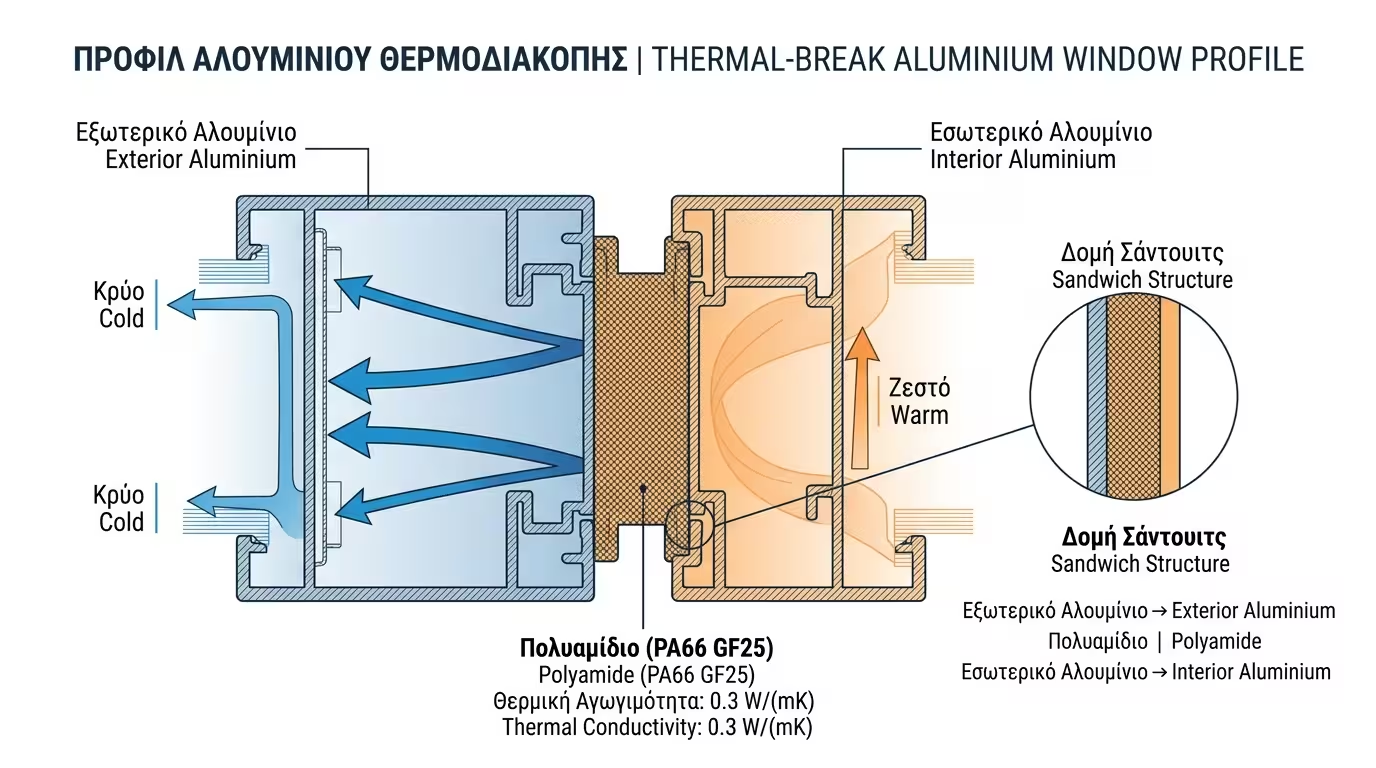
To cut that "bridge" and stop energy leakage, the industry found a
brilliant solution. It took the aluminium profile and "cut" it in half
(one piece for the exterior of the house and one for the interior).
🧪 Polyamide
Between the two aluminium pieces, a special, ultra-resistant plastic
material called polyamide was inserted. Polyamide, unlike
metal, is a terrible conductor of heat.
🛡️ The Material "Sandwich"
The result is a "sandwich" of materials. When winter cold hits the
outer aluminium, it stops at the polyamide. It cannot cross the
profile and reach the inner aluminium inside your room.
The temperature has just been "broken".
3. Why Thermal-Break Aluminium Is Now Essential in Greece
Choosing thermal-break systems is no longer a matter of preference. It
is a necessity for three very important reasons:
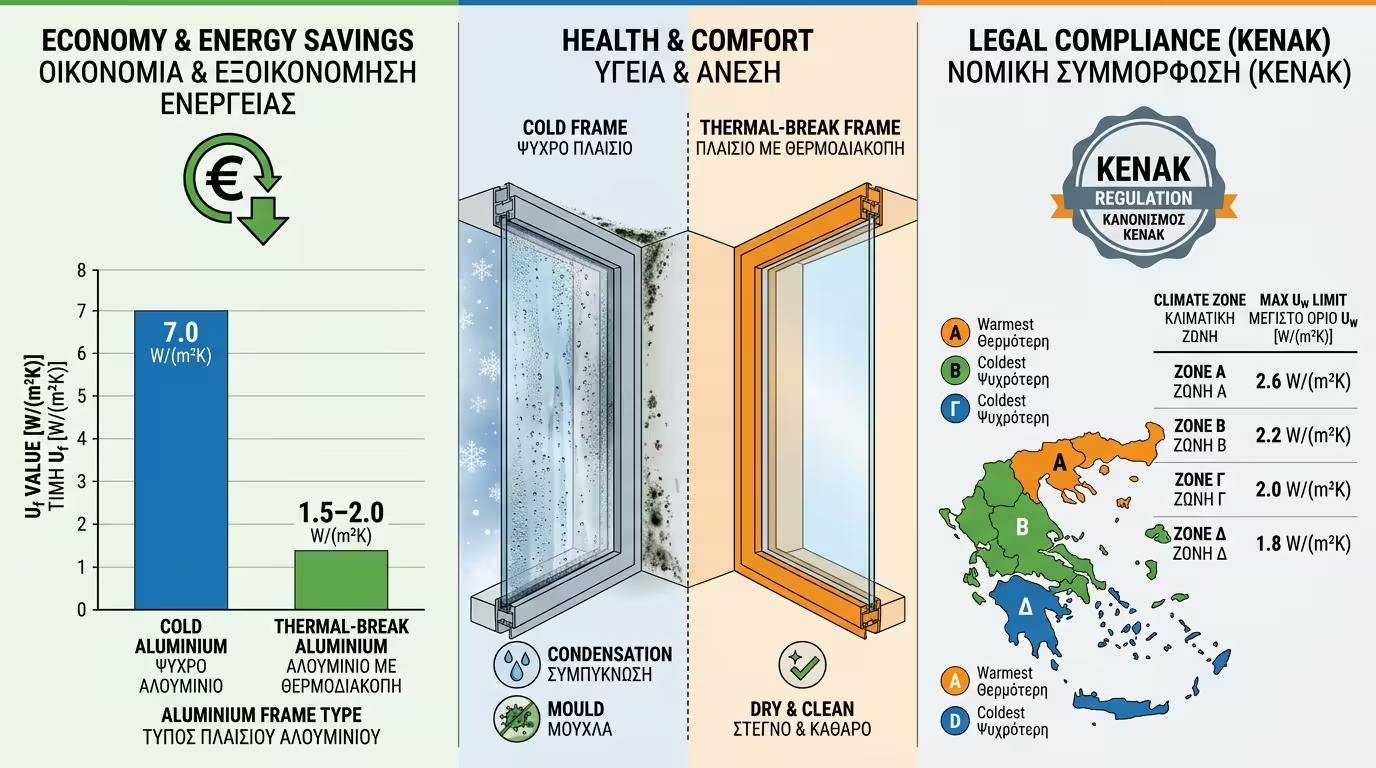
💰 Money Savings & Drastic Bill Reduction
The degree to which a material allows heat to pass through is
measured by the U-value (specifically
Uf for the frame). The lower this number, the better
the insulation. Old cold aluminium had a huge Uf (around
7.0). Modern thermal-break systems bring this
number below 2.0 (or even below 1.5 for premium systems). Practically, this means you
turn the thermostat down much sooner and save hundreds
of euros every year on electricity, heating oil or natural gas.
💧 No More Mould & Condensation
Remember the water we mentioned earlier? It forms when the warm air
in your home touches the ice-cold metal of old aluminium. Because
the thermal break keeps the interior part of the window warm (at
room temperature), the air does not condense. Thus, you
permanently say goodbye to black mould stains
around your windows and improve the air quality your family breathes.
📋 The Law Is Clear (KENAK & Exoikonomo)
In Greece, the Building Energy Performance Regulation (KENAK) now prohibits the installation of "cold" aluminium in heated
residential spaces. If you are building a new home or carrying out a
major renovation, you are legally obliged to install thermal-break
systems. Naturally, no subsidy programme (such as "Exoikonomo") funds simple aluminium, as it offers no energy upgrade to the
property.
4. How to Tell If a Quote Has a Good Thermal Break
Not all thermal breaks are the same. When you receive a quote from a
manufacturer, check one very simple number:
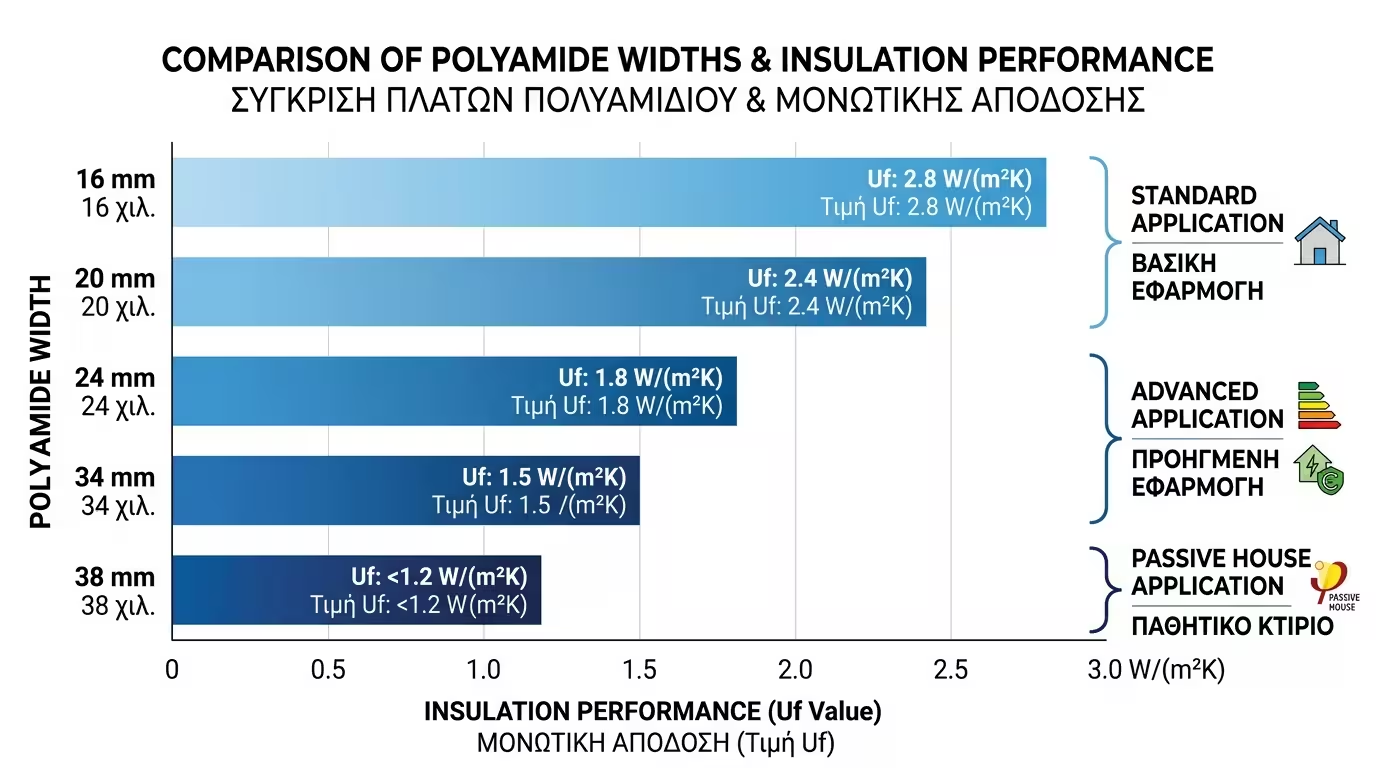
the polyamide width.
✅ Standard Choice (16 mm – 20 mm)
A polyamide of 16 mm or 20 mm is considered a basic,
satisfactory choice for most applications in Greece.
🎯 Premium Insulation (24 mm – 38 mm+)
As we go higher (e.g. 24 mm, 34 mm or even 38 mm),
insulation soars, making the window ideal for extreme weather
conditions or for Passive Houses.
5. Summary
Aluminium windows with thermal break combine the best of both worlds:
the unmatched durability, security and aesthetics of metal, with the top
thermal-insulation properties demanded by the modern era. It is an
investment that pays for itself quickly through energy savings and
immediately upgrades the quality of life in your home.
💡 Key Takeaway: A thermal break is not a luxury - it is
a legal requirement (KENAK), an
economic necessity (lower bills) and a
health safeguard (no more mould). Always check the polyamide
width before you sign.