Fiberglass / Composite Windows: The Future of the Market?

Until now, the window discussion has revolved around three main "players": aluminium (for strength), PVC (for insulation) and wood (for natural beauty). As engineers, however, we know that each of these materials demands compromises. Aluminium needs polyamide inserts to avoid freezing, and PVC needs heavy internal steel to prevent warping.

But what if there was a material that combined the rigidity of metal with the thermal insulation of plastic, while being ultra-lightweight? This is no science-fiction scenario. The technology of Composite Materials and Fiberglass (glass fibre), used for decades in aerospace and Formula 1, has now officially entered architecture. Let's see why these "space-age" materials are the indisputable future of fenestration.

1. What Are Composite Materials in Windows? (The RAUFIPRO Revolution)

When we talk about composite materials in the fenestration market, we are mainly referring to profiles made from a blend of synthetic polymer (PVC) and glass fibres.

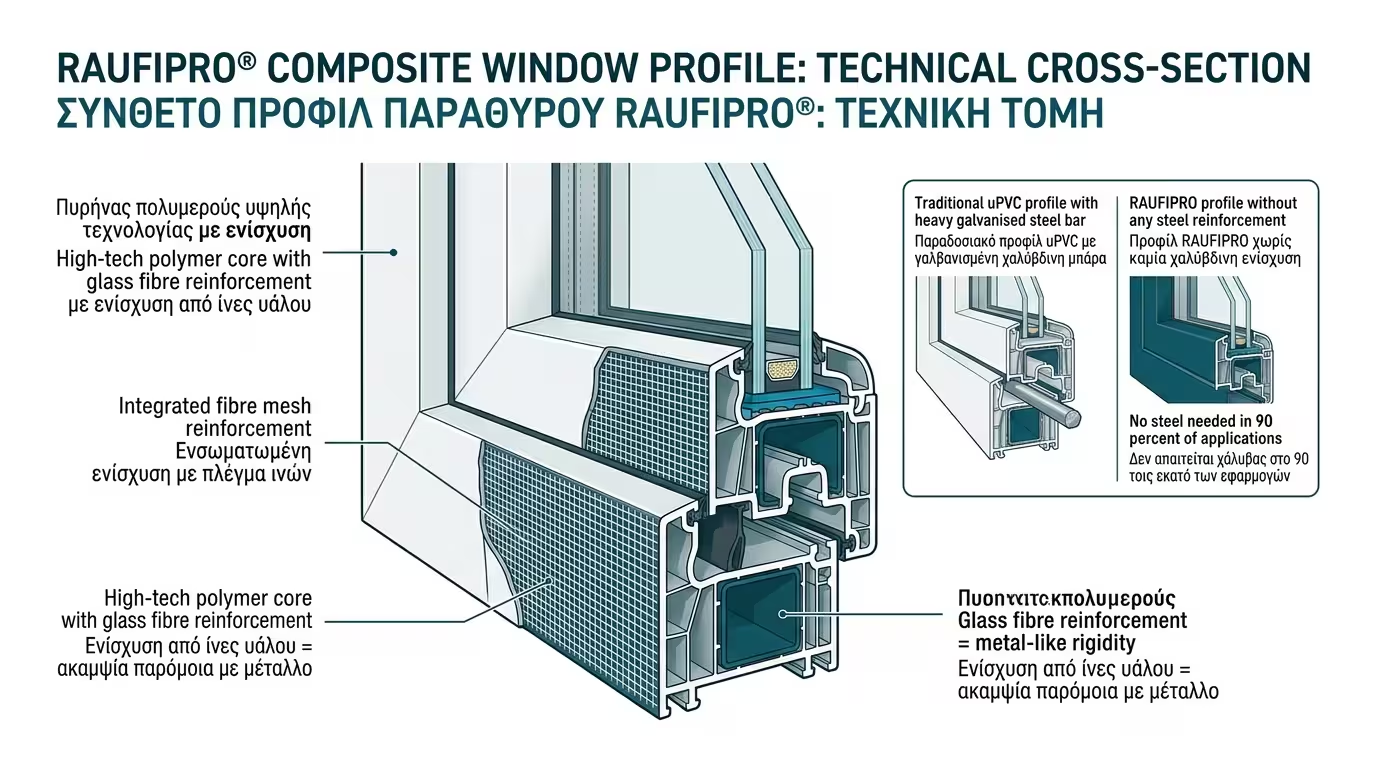
RAUFIPRO - composite profile with glass-fibre reinforcement instead of steel

🧪 RAUFIPRO® & RAUFIPRO X

The most striking example of this technology, which changed the game world-wide, is the material RAUFIPRO® (and its newer evolution, RAUFIPRO X). Its composition includes a high-tech core reinforced with millions of glass fibres. These fibres work exactly like the reinforcing mesh (rebar) inside concrete: they give the material remarkable cohesion and tensile strength.
2. The "Achilles' Heel" That Fiberglass Solves: No More Steel!

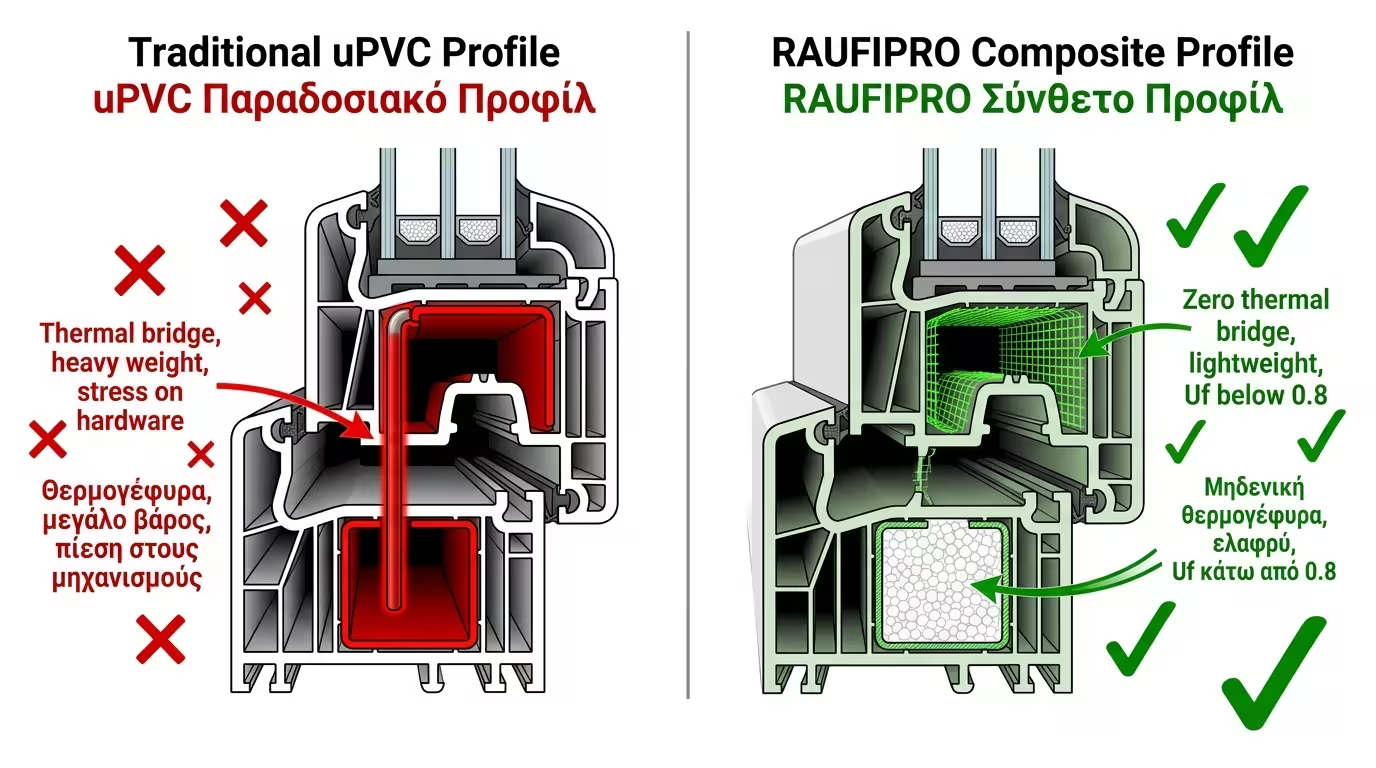
As we've discussed, traditional uPVC windows require a thick, heavy galvanised steel bar inside them to prevent warping from sun and wind. But steel creates two major problems:

No internal steel - glass fibres replace the traditional steel reinforcement

🌡️ Thermal Bridge

Being metal, it conducts cold, reducing the window's overall insulating ability.

⚖️ Enormous Weight

It adds enormous weight, stressing hinges and hardware over the years.

✅ The Composite Magic

Thanks to the extreme rigidity provided by glass fibres, these profiles do not need internal steel reinforcement in 90% of standard applications! The material itself is strong enough to support its own weight and the mass of the glazing.

3. The 3 Enormous Advantages of Composite Windows

Removing the internal steel unlocks three colossal advantages:

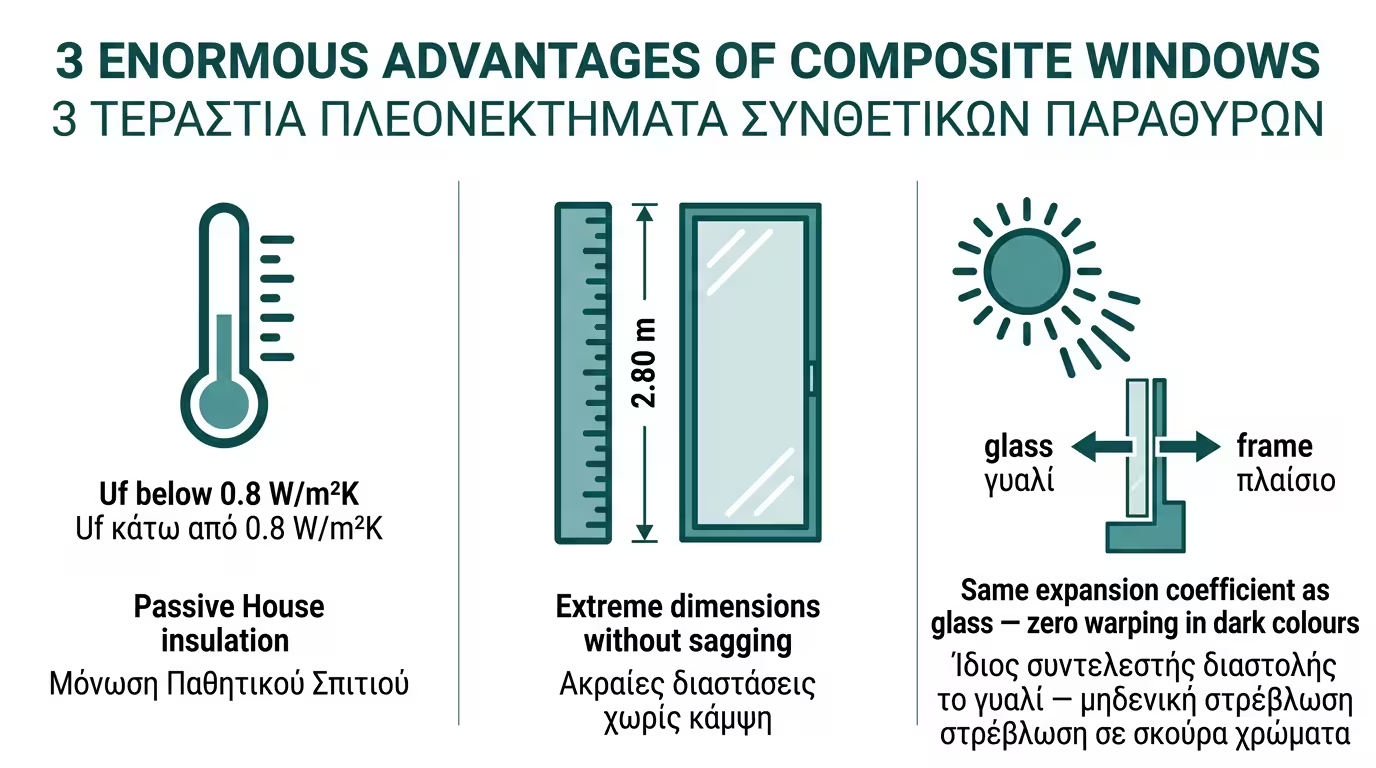
Extraordinary insulation, extreme dimensions, zero thermal expansion

🌡️ Extraordinary Thermal Insulation (Ideal for Passive Houses)

By removing the steel from the central chamber, the space is left empty. Still air is the best insulator. If we then fill this chamber with special thermal inserts (EPS thermal units), the frame thermal transmittance (Uf) plummets to values below 0.8 W/(m²K). This is the ultimate solution for Passive Houses and nearly Zero-Energy Buildings (nZEB).

📐 Resistance at Extreme Dimensions

Architects love massive openings. Composite materials allow windows up to 2.80 metres in height while keeping the frame exceptionally slim. The window never "sags", delivering minimal aesthetics and maximum daylight - something previously achievable only with heavy-duty aluminium.

☀️ Zero Thermal Expansion Under the Greek Sun

One of the biggest construction challenges is that glass and frame expand at different rates in the sun, causing stresses. Fiberglass and composites (because they contain glass fibres) have exactly the same coefficient of thermal expansion as the glass panes. In practice, you can install jet-black or dark-grey windows on the south-facing side of your home (exposed to the heatwave), and the profile will show zero warping!

4. In Summary: Is This the Right Solution for You?

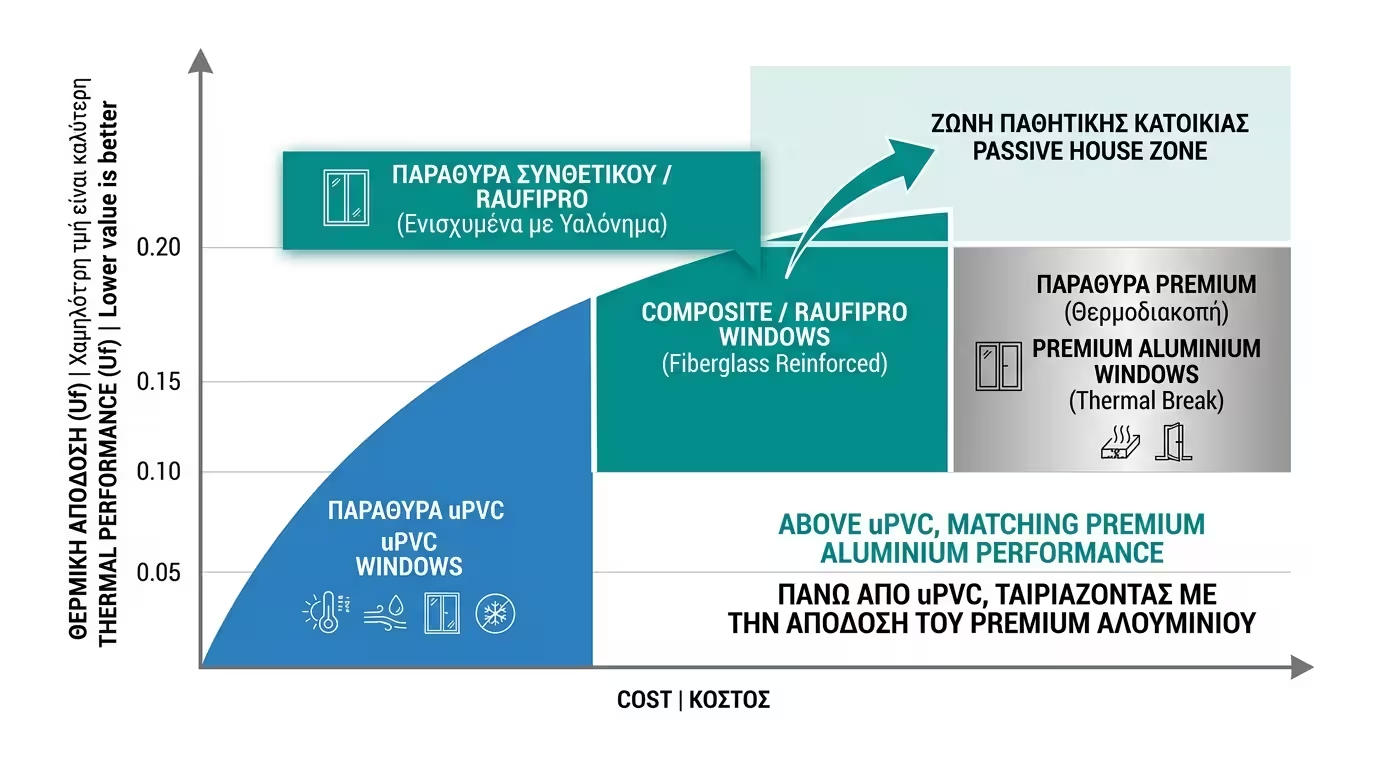
High-tech composite windows do not belong in the "budget" category. They sit above conventional uPVC in price and go head-to-head with premium aluminium systems. They are aimed at discerning engineers, architects and homeowners who want to integrate the most advanced material technology into their building, demanding absolute stability, minimal weight and record-breaking insulation.

Composite windows - above uPVC, matching premium aluminium
💡 Key Takeaway: Composites = metal rigidity + plastic insulation - no steel, Uf < 0.8, same expansion as glass, heights up to 2.80 m.

Related Articles

Frame Materials & Finishes for Windows & Doors

Return to category.

Go to category

Preview